Produktbeschreibung
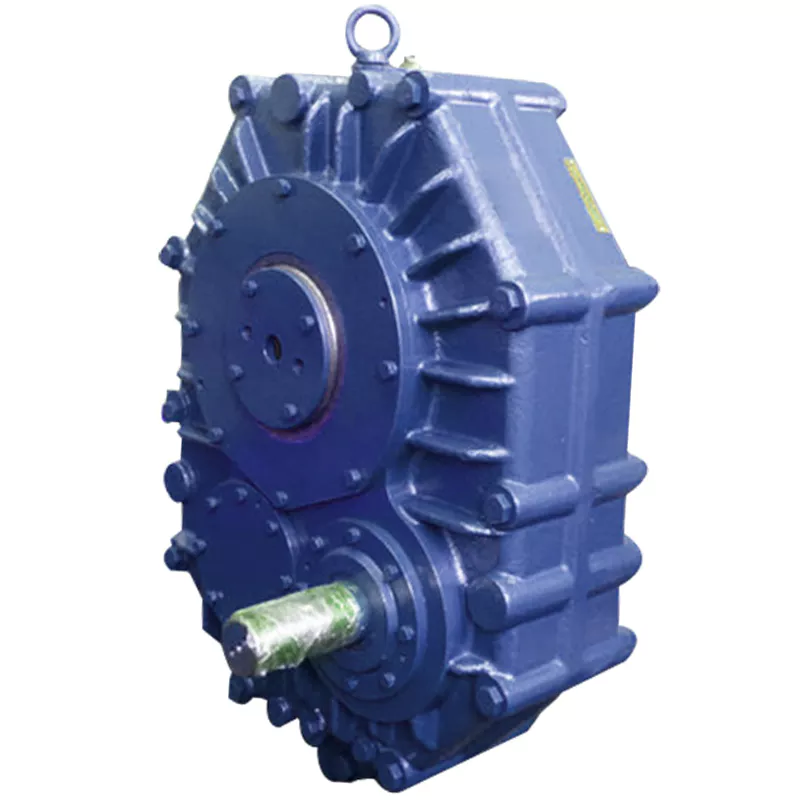
FK730B speed reducer
| Spezifikation Modell |
FK130B | FK230B | FK330B | FK530B | FK730B |
| Output Torque | 30000NM | 36000NM | 42000NM | 60000NM | 72000NM |
| Drum angle | 15 | 15 | 15 | 15 | 15 |
| Mixer Volume | 3-5 cbm | 6 cbm | 7-8 cbm | 10 cbm | 12 cbm |
| Reduction ration | 103 | 103 | 141 | 135.5 | 144.3 |
| Input | 2500RPM | 2500RPM | 2500RPM | 2500RPM | 2500RPM |
| Radial load | 85KN | 95KN | 112KN | 160KN | 190KN |
| Axle load | 35KN | 35KN | 44KN | 50KN | 58KN |
| Weight | 160KG | 170KG | 242KG | 340KG | 350KG |
| Lubricating oil | 5.5L | 5.5L | 7.5L | 11.5L | 11.5L |
| Flange angle | 6 | 6 | 6 | 6 | 6 |
| Gear oil | SAE85W-90 | SAE85W-90 | SAE85W-90 | SAE85W-90 | SAE85W-90 |
| Rated torque | 25000NM | 30900NM | – | – | – |
| Anwendung: | Electric Cars, Motorcycle, Machinery, Marine, Agricultural Machinery, Car |
|---|---|
| Härte: | Gehärtete Zahnoberfläche |
| Installation: | Horizontal Type |
| Layout: | Koaxial |
| Zahnradform: | Teeth Gear |
| Schritt: | Stepless |
| Proben: |
US$ 500/Piece
1 Stück (Mindestbestellmenge) | |
|---|
| Anpassung: |
Verfügbar
| Kundenspezifische Anfrage |
|---|
Are there any disadvantages or limitations to using gear reducer systems?
While gear reducer systems offer numerous advantages, they also come with certain disadvantages and limitations that should be considered during the selection and implementation process:
1. Size and Weight: Gear reducers can be bulky and heavy, especially for applications requiring high gear ratios. This can impact the overall size and weight of the machinery or equipment, which may be a concern in space-constrained environments.
2. Efficiency Loss: Despite their high efficiency, gear reducers can experience energy losses due to friction between gear teeth and other components. This can lead to a reduction in overall system efficiency, particularly in cases where multiple gear stages are used.
3. Cost: The design, manufacturing, and assembly of gear reducers can involve complex processes and precision machining, which can contribute to higher initial costs compared to other power transmission solutions.
4. Maintenance: Gear reducer systems require regular maintenance, including lubrication, inspection, and potential gear replacement over time. Maintenance activities can lead to downtime and associated costs in industrial settings.
5. Noise and Vibration: Gear reducers can generate noise and vibrations, especially at high speeds or when operating under heavy loads. Additional measures may be needed to mitigate noise and vibration issues.
6. Limited Gear Ratios: While gear reducers offer a wide range of gear ratios, there may be limitations in achieving extremely high or low ratios in certain designs.
7. Temperature Sensitivity: Extreme temperatures can affect the performance of gear reducer systems, particularly if inadequate lubrication or cooling is provided.
8. Shock Loads: While gear reducers are designed to handle shock loads to some extent, severe shock loads or abrupt changes in torque can still lead to potential damage or premature wear.
Despite these limitations, gear reducer systems remain widely used and versatile components in various industries, and their disadvantages can often be mitigated through proper design, selection, and maintenance practices.
Wie bewältigen Getriebeuntersetzungen Stoßbelastungen und plötzliche Drehmomentänderungen?
Getriebeuntersetzungsgetriebe sind so konstruiert, dass sie Stoßbelastungen und plötzliche Drehmomentänderungen durch verschiedene Mechanismen bewältigen können, die ihre Haltbarkeit und Zuverlässigkeit unter anspruchsvollen Betriebsbedingungen verbessern.
1. Robuste Konstruktion: Getriebe werden aus hochfesten Werkstoffen und mit präzisen Fertigungstechniken hergestellt. Dadurch wird sichergestellt, dass Zahnräder, Lager und andere Bauteile plötzlichen Stößen und hohen Drehmomentschwankungen ohne Verformung oder Ausfall standhalten.
2. Stoßdämpfende Eigenschaften: Manche Getriebekonstruktionen verfügen über stoßdämpfende Merkmale wie flexible Kupplungen, Elastomerelemente oder torsionsflexible Zahnradkonstruktionen. Diese Merkmale tragen dazu bei, die Energie von plötzlichen Stößen oder Drehmomentspitzen zu dämpfen und abzuleiten und so die Belastung des Gesamtsystems zu reduzieren.
3. Drehmomentbegrenzer: Bei Anwendungen mit häufigen Stoßbelastungen können Drehmomentbegrenzer in das Getriebe integriert werden. Diese Vorrichtungen schalten sich automatisch ab oder rutschen durch, sobald ein bestimmter Drehmomentschwellenwert überschritten wird, und verhindern so Schäden an den Zahnrädern und anderen Bauteilen.
4. Überlastschutz: Getriebe können mit Überlastschutzmechanismen wie Scherbolzen oder Drehmomentsensoren ausgestattet sein. Diese Mechanismen erkennen ein zu hohes Drehmoment und schalten den Antrieb vorübergehend ab, sodass das System den Stoß abfangen oder sich an die plötzliche Drehmomentänderung anpassen kann.
5. Richtige Schmierung: Eine ausreichende Schmierung ist unerlässlich, um Stoßbelastungen und plötzliche Drehmomentänderungen abzufangen. Hochwertige Schmierstoffe reduzieren Reibung und Verschleiß und tragen dazu bei, dass das Getriebe dynamischen Kräften standhält und einen reibungslosen Betrieb gewährleistet.
6. Dynamische Lastverteilung: Getriebeuntersetzungsgetriebe verteilen dynamische Lasten auf mehrere Zahnräder und tragen so dazu bei, lokale Spannungsspitzen zu vermeiden. Dadurch wird das Risiko von Zahnbruch und Getriebeschäden bei plötzlichen Drehmomentänderungen minimiert.
Durch die Integration dieser Konstruktionsmerkmale und Mechanismen können Getriebe Stoßbelastungen und plötzliche Drehmomentänderungen effektiv bewältigen und so die Langlebigkeit und Zuverlässigkeit verschiedener industrieller und mechanischer Systeme gewährleisten.
Can you explain the different types of gear reducers available in the market?
There are several types of gear reducers commonly used in industrial applications:
1. Spur Gear Reducers: These reducers have straight teeth and are cost-effective for applications requiring moderate torque and speed reduction. They are efficient but may produce more noise compared to other types.
2. Helical Gear Reducers: Helical gears have angled teeth, which provide smoother and quieter operation compared to spur gears. They offer higher torque capacities and are suitable for heavy-duty applications.
3. Bevel Gear Reducers: Bevel gears have conical shapes and intersect at an angle, allowing them to transmit power between non-parallel shafts. They are commonly used in applications where shafts intersect at 90 degrees.
4. Worm Gear Reducers: Worm gears consist of a worm (screw) and a mating gear (worm wheel). They offer high torque reduction and are used for applications requiring high ratios, although they can be less efficient.
5. Planetary Gear Reducers: These reducers use a system of planetary gears to achieve high torque output in a compact design. They provide excellent torque multiplication and are commonly used in robotics and automation.
6. Cycloidal Gear Reducers: Cycloidal drives use an eccentric cam to achieve speed reduction. They offer high shock load resistance and are suitable for applications with frequent starting and stopping.
7. Harmonic Drive Reducers: Harmonic drives use a flexible spline to achieve high gear reduction ratios. They provide high precision and are commonly used in applications requiring accurate positioning.
8. Hypoid Gear Reducers: Hypoid gears have helical teeth and non-intersecting shafts, making them suitable for applications with space limitations. They offer high torque and efficiency.
Each type of gear reducer has its own advantages and limitations, and the choice depends on factors such as torque requirements, speed ratios, noise levels, space constraints, and application-specific needs.


editor by CX 2023-11-20