Produktbeschreibung
Reducer, Worm Gear Reducer, Speed Reducer Gearboxes High Speed Gearbox Reducer
Produktbeschreibung
|
Type |
Reduction gearbox |
|
Rated power |
3KW/4KW/5.5KW/7.5KW/11KW |
|
Produktname |
Gearbox |
|
Modell |
NMRV150 |
|
Material |
Cast iron |
|
Merkmale |
Conveyor belt/transportation/industrial, small size, high heat dissipation, smooth transmission, low noise |
Technical performance and selection reference
|
Motor power |
Modell |
speed ratio |
output speed |
output toruqe |
|
0.25kw 1400rpm |
RV075 |
60 |
24rpm |
68.0N.M |
|
RV075 |
80 |
18rpm |
80.0N.M |
|
|
RV075 |
100 |
14rpm |
94.0N.M |
|
|
0.37kw 1400rpm |
RV075 |
40 |
35rpm |
74.0N.M |
|
RV075 |
50 |
28rpm |
88.0N.M |
|
|
RV075 |
60 |
24rpm |
97.0N.M |
|
|
RV075 |
80 |
18rpm |
119.0N.M |
|
|
RV075 |
100 |
14rpm |
139.0N.M |
|
|
0.55kw 1400rpm |
RV075 |
25 |
56rpm |
76.0N.M |
|
RV075 |
30 |
47rpm |
87.0N.M |
|
|
RV075 |
40 |
35rpm |
108.0N.M |
|
|
RV075 |
50 |
28rpm |
128.0N.M |
|
|
RV075 |
60 |
24rpm |
144.0N.M |
|
|
RV075 |
80 |
18rpm |
177.0N.M |
|
|
RV075 |
100 |
14rpm |
206.0N.M |
|
|
0.75kw 1400rpm |
RV075 |
15 |
94rpm |
66.0N.M |
|
RV075 |
20 |
70rpm |
85.0N.M |
|
|
RV075 |
25 |
56rpm |
101.0N.M |
|
|
RV075 |
30 |
47rpm |
117.0N.M |
|
|
RV075 |
40 |
35rpm |
147.0N.M |
|
|
RV075 |
50 |
28rpm |
174.0N.M |
|
|
RV075 |
60 |
24rpm |
196.0N.M |
|
|
RV075 |
80 |
18rpm |
250.0N.M |
|
|
1.1kw 1400rpm |
RV075 |
10 |
140rpm |
66.0N.M |
|
RV075 |
15 |
94rpm |
95.0N.M |
|
|
RV075 |
20 |
70rpm |
122.0N.M |
|
|
RV075 |
25 |
56rpm |
148.0N.M |
|
|
RV075 |
30 |
47rpm |
171.0N.M |
|
|
RV075 |
40 |
35rpm |
216.0N.M |
|
|
RV075 |
50 |
28rpm |
263.0N.M |
|
|
RV075 |
60 |
24rpm |
297.0N.M |
|
|
1.5kw 1400rpm |
RV075 |
7.5 |
186rpm |
68.0N.M |
|
RV075 |
10 |
140rpm |
89.0N.M |
|
|
RV075 |
15 |
94rpm |
129.0N.M |
|
|
RV075 |
20 |
70rpm |
166.0N.M |
|
|
RV075 |
25 |
56rpm |
202.0N.M |
|
|
RV075 |
30 |
47rpm |
233.0N.M |
|
|
RV075 |
40 |
35rpm |
299.0N.M |
|
|
2.2kw 1400rpm |
RV075 |
7.5 |
186rpm |
99.0N.M |
|
RV075 |
10 |
140rpm |
131.0N.M |
|
|
RV075 |
15 |
94rpm |
189.0N.M |
|
|
RV075 |
20 |
70rpm |
249.0N.M |
|
|
RV075 |
25 |
56rpm |
304.0N.M |
|
|
RV075 |
30 |
47rpm |
247.0N.M |
|
|
3.0kw 1400rpm |
RV075 |
7.5 |
186rpm |
135.0N.M |
|
RV075 |
10 |
140rpm |
178.0N.M |
|
|
RV075 |
15 |
94rpm |
258.0N.M |
|
|
4.0kw 1400rpm |
RV075 |
7.5 |
186rpm |
180.0N.M |
|
RV075 |
10 |
140rpm |
237.0N.M |
Spezifikation
|
Produktname |
SNRV worm gear reducer |
|
Verhältnis |
5,7.5,10,15,20,25,30,40,50,60,80,100 |
|
Input power |
0.25~4.0 KW |
|
Farbe |
Blue/Silver/Black or on Request |
|
Weight |
9 Kg |
|
Material |
571-105 aluminum alloy, 110-150 cast iron |
|
The worm material is 20Cr carburized and quenched, the surface hardness reaches 58-62 degrees, and after processing, the |
|
|
Worm gear hub ductile iron QT500, tooth tin bronze ZQSN10-1 |
|
|
Oil seals |
CHINAMFG |
|
Input form |
SMRV : fitted for motor flanged coupling |
|
SMRV:The tail of the worm has an extension shaft |
|
|
SRV: with input shaft |
|
|
SRV-E : With bidirectional input shaft worm |
|
|
Suitable motor pole |
2pole,4pole,6pole |
|
Inch size |
Verfügbar |
|
Personal customization |
Verfügbar |
|
Extra service |
OEM |
|
Quality Assurance |
1 Jahr |
|
Merkmale |
High precision, smooth transmission, large output torque, low noise, long service life |
|
Suitable for omni-directional installation |
|
|
Can be easily mounted with various accessories like torque arms, different types of flanges, shafts and so on |
|
|
Good rust resistance |
|
Surface coating |
First, the shell is treated by surface particle blasting, and then, through special anticorrosion treatment, RAL5571 blue plastic |
|
After polishing and sanding, it is dried at high temperature and then sprayed with RAL5571 paint in the shell. |
|
/* March 10, 2571 17:59:20 */!function(){function s(e,r){var a,o={};try{e&&e.split(“,”).forEach(function(e,t){e&&(a=e.match(/(.*?):(.*)$/))&&1
| Anwendung: | Motor, Electric Cars, Motorcycle, Machinery, Agricultural Machinery |
|---|---|
| Härte: | Gehärtete Zahnoberfläche |
| Installation: | Vertikaler Typ |
| Layout: | Koaxial |
| Zahnradform: | Conical – Cylindrical Gear |
| Schritt: | Stepless |
| Proben: |
US$ 9/Piece
1 Stück (Mindestbestellmenge) | |
|---|
| Anpassung: |
Verfügbar
| Kundenspezifische Anfrage |
|---|
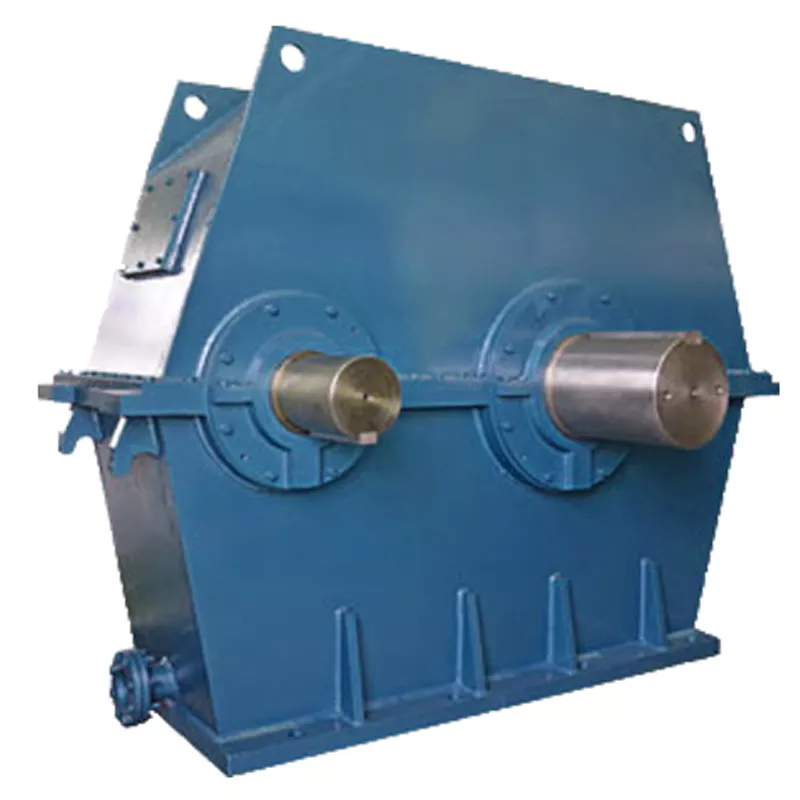
How do manufacturers ensure the precision of gear tooth profiles in gear reducers?
Manufacturers employ several techniques to ensure the precision of gear tooth profiles in gear reducers, which is crucial for optimal performance and efficiency:
1. Precision Machining: Gear teeth are typically machined using advanced CNC (Computer Numerical Control) machines that can achieve high levels of accuracy and repeatability. This ensures consistent gear tooth profiles across multiple components.
2. Quality Control Measures: Rigorous quality control processes, such as dimensional inspections and profile measurements, are performed at various stages of manufacturing to verify that gear tooth profiles meet the required specifications.
3. Tooth Profile Design: Engineers use specialized software and simulation tools to design gear tooth profiles with precise involute shapes and accurate dimensions. These designs are then translated into machine instructions for manufacturing.
4. Material Selection: High-quality materials with excellent wear resistance and dimensional stability are chosen to minimize the potential for deformation or inaccuracies during machining and operation.
5. Heat Treatment: Heat treatment processes, such as carburizing and quenching, are applied to enhance the surface hardness and durability of gear teeth, reducing the risk of wear and deformation over time.
6. Tooth Grinding and Finishing: After initial machining, gear teeth often undergo precision grinding and finishing processes to achieve the desired tooth profile accuracy and surface finish.
7. Post-Processing Inspection: Gear tooth profiles are inspected again after manufacturing processes to verify that the final components meet the specified tolerances and performance criteria.
8. Computer-Aided Manufacturing (CAM): CAM software is used to generate tool paths and machining instructions, enabling precise control over tool movements and material removal during gear manufacturing.
By combining these techniques and leveraging advanced manufacturing technologies, manufacturers can achieve the necessary precision in gear tooth profiles, resulting in reliable and efficient gear reducers for various industrial applications.
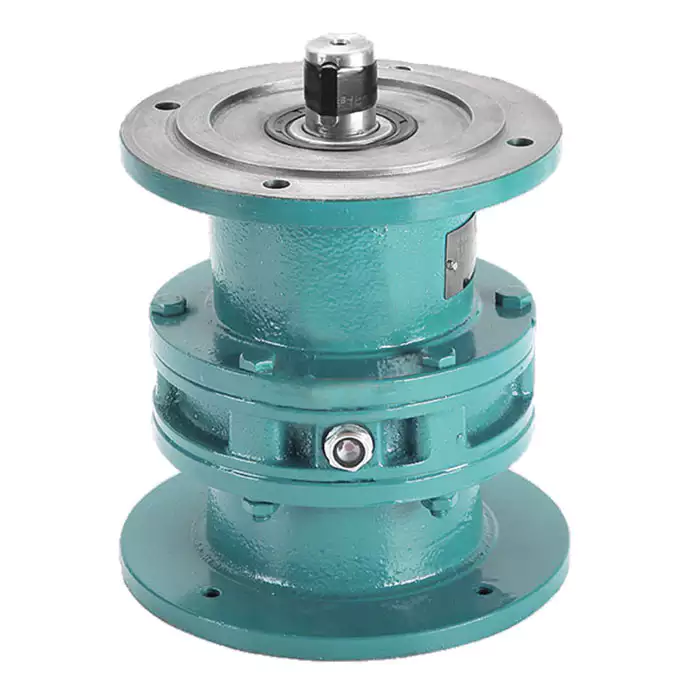
Wie bewältigen Getriebeuntersetzungen Stoßbelastungen und plötzliche Drehmomentänderungen?
Getriebeuntersetzungsgetriebe sind so konstruiert, dass sie Stoßbelastungen und plötzliche Drehmomentänderungen durch verschiedene Mechanismen bewältigen können, die ihre Haltbarkeit und Zuverlässigkeit unter anspruchsvollen Betriebsbedingungen verbessern.
1. Robuste Konstruktion: Getriebe werden aus hochfesten Werkstoffen und mit präzisen Fertigungstechniken hergestellt. Dadurch wird sichergestellt, dass Zahnräder, Lager und andere Bauteile plötzlichen Stößen und hohen Drehmomentschwankungen ohne Verformung oder Ausfall standhalten.
2. Stoßdämpfende Eigenschaften: Manche Getriebekonstruktionen verfügen über stoßdämpfende Merkmale wie flexible Kupplungen, Elastomerelemente oder torsionsflexible Zahnradkonstruktionen. Diese Merkmale tragen dazu bei, die Energie von plötzlichen Stößen oder Drehmomentspitzen zu dämpfen und abzuleiten und so die Belastung des Gesamtsystems zu reduzieren.
3. Drehmomentbegrenzer: Bei Anwendungen mit häufigen Stoßbelastungen können Drehmomentbegrenzer in das Getriebe integriert werden. Diese Vorrichtungen schalten sich automatisch ab oder rutschen durch, sobald ein bestimmter Drehmomentschwellenwert überschritten wird, und verhindern so Schäden an den Zahnrädern und anderen Bauteilen.
4. Überlastschutz: Getriebe können mit Überlastschutzmechanismen wie Scherbolzen oder Drehmomentsensoren ausgestattet sein. Diese Mechanismen erkennen ein zu hohes Drehmoment und schalten den Antrieb vorübergehend ab, sodass das System den Stoß abfangen oder sich an die plötzliche Drehmomentänderung anpassen kann.
5. Richtige Schmierung: Eine ausreichende Schmierung ist unerlässlich, um Stoßbelastungen und plötzliche Drehmomentänderungen abzufangen. Hochwertige Schmierstoffe reduzieren Reibung und Verschleiß und tragen dazu bei, dass das Getriebe dynamischen Kräften standhält und einen reibungslosen Betrieb gewährleistet.
6. Dynamische Lastverteilung: Getriebeuntersetzungsgetriebe verteilen dynamische Lasten auf mehrere Zahnräder und tragen so dazu bei, lokale Spannungsspitzen zu vermeiden. Dadurch wird das Risiko von Zahnbruch und Getriebeschäden bei plötzlichen Drehmomentänderungen minimiert.
Durch die Integration dieser Konstruktionsmerkmale und Mechanismen können Getriebe Stoßbelastungen und plötzliche Drehmomentänderungen effektiv bewältigen und so die Langlebigkeit und Zuverlässigkeit verschiedener industrieller und mechanischer Systeme gewährleisten.
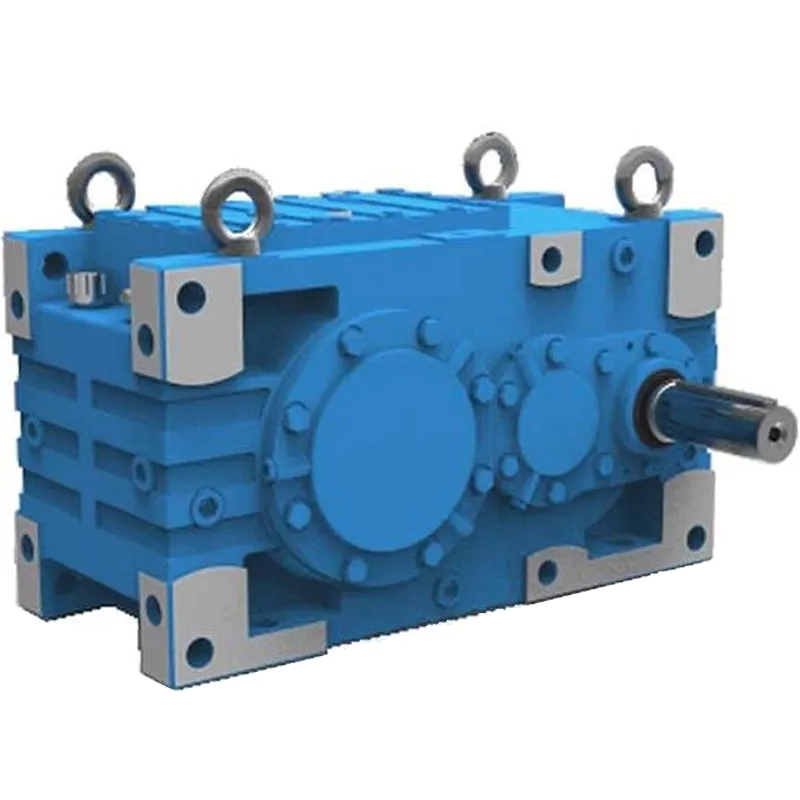
Can you explain the different types of gear reducers available in the market?
There are several types of gear reducers commonly used in industrial applications:
1. Spur Gear Reducers: These reducers have straight teeth and are cost-effective for applications requiring moderate torque and speed reduction. They are efficient but may produce more noise compared to other types.
2. Helical Gear Reducers: Helical gears have angled teeth, which provide smoother and quieter operation compared to spur gears. They offer higher torque capacities and are suitable for heavy-duty applications.
3. Bevel Gear Reducers: Bevel gears have conical shapes and intersect at an angle, allowing them to transmit power between non-parallel shafts. They are commonly used in applications where shafts intersect at 90 degrees.
4. Worm Gear Reducers: Worm gears consist of a worm (screw) and a mating gear (worm wheel). They offer high torque reduction and are used for applications requiring high ratios, although they can be less efficient.
5. Planetary Gear Reducers: These reducers use a system of planetary gears to achieve high torque output in a compact design. They provide excellent torque multiplication and are commonly used in robotics and automation.
6. Cycloidal Gear Reducers: Cycloidal drives use an eccentric cam to achieve speed reduction. They offer high shock load resistance and are suitable for applications with frequent starting and stopping.
7. Harmonic Drive Reducers: Harmonic drives use a flexible spline to achieve high gear reduction ratios. They provide high precision and are commonly used in applications requiring accurate positioning.
8. Hypoid Gear Reducers: Hypoid gears have helical teeth and non-intersecting shafts, making them suitable for applications with space limitations. They offer high torque and efficiency.
Each type of gear reducer has its own advantages and limitations, and the choice depends on factors such as torque requirements, speed ratios, noise levels, space constraints, and application-specific needs.


editor by CX 2024-01-16