Produktbeschreibung
XGK Series HELICAL-HYPOID GEAR UNITS
The hypoid gear has low friction, efficiency is as high as 92%,compared with the worm gearbox ,the efficiency improved about 10%-40%.The hypoid gear made of high quality alloy,treated by surface hardening,and produced by high-precision grinding machine, the output torque,gear strength and life are much better than worm gearbox.
Characteristics
1.Larger reduction ratio with hard surface hypoid bevel gear and helical gear drive
2.Big output torque, high transmission efficiency, energy-saving
3.Fine casting of aluminum alloy, light weight, rust-proof
4.Stable transmission, low noise, suitable for the terrible working condition
5.Good appearance and durability small volume
6.A variety of mounting positions, wide application, easy using
7.Mounting dimension is interchangeable with RV series worm gear reducer
8.Modularity on design:
Input: connected with IEC standard flange motor and servo motor with multiple specifications
Output:hollow shaft and CHINAMFG shaft
9.Multi-stages gear drive. It is divided into two-stage drive(one hypoid bevel gear and 1 helical gear) and three-stage drive(one hypoid bevel gear and 2 helical gears). Compared with RV series worm gear and worm shaft structure, it has more refined ratio and wider application
ABOUT CHINAMFG DRIVE
ZheJiang CHINAMFG Drive Co.,Ltd(Starshine) have a strong technical force with over 350 employees at present, including over 30 engineering technicians, 30 quality inspectors, covering an area of 80000 square CHINAMFG and kinds of advanced processing machines and testing equipments. We have a good foundation for the industry application development and service of high-end speed reducers & variators owning to the provincial engineering technology research center,the lab of gear speed reducers, and the base of modern R&D.
Our products are widely used in ceramic industry, glass industry, woodworking machinery , high voltage switch, food & beverage, packaging & printing, Storage & logistics, hoisting & transportation facilities…etc , and CHINAMFG technically provide the professional product & service for the medium and high-end customers, and our gearboxes are best-selling in domestic, and even in abroad , such as in Europe, North America, South America, Middle East, South Asia, Southeast Asia, Africa…etc.
In the future , CHINAMFG will hold the creed of “serving customer, diligence & simplicity, self-criticism, innovation, honesty, teamwork”, and the concept of “quality creates value” to focus on the customers’ requirements and provide them the competitive transmission solution and create value for them constantly, and make a high-end equipment manufacturing industry and create a preferred brand of replacing import products and upgrading continuously for the end users.
TEAM
QUALITY CONTROL
Quality:Insist on Improvement,Strive for CHINAMFG With the development of equipment manufacturing indurstry,customer never satirsfy with the current quality of our products,on the contrary,wcreate the value of quality.
Quality policy:to enhance the overall level in the field of power transmission
Quality View:Continuous Improvement , pursuit of CHINAMFG
Quality Philosophy:Quality creates value
3. Incoming Quality Control
To establish the AQL acceptable level of incoming material control, to provide the material for the whole inspection, sampling, immunity. On the acceptance of qualified products to warehousing, substandard goods to take return, check, rework, rework inspection; responsible for tracking bad, to monitor the supplier to take corrective measures to prevent recurrence.
4. Process Quality Control
The manufacturing site of the first examination, inspection and final inspection, sampling according to the requirements of some projects, judging the quality change trend; found abnormal phenomenon of manufacturing, and supervise the production department to improve, eliminate the abnormal phenomenon or state
5. FQC(Final QC)
After the manufacturing department will complete the product, stand in the customer’s position on the finished product quality verification, in order to ensure the quality of customer expectations and needs.
6. OQC(Outgoing QC)
After the product sample inspection to determine the qualified, allowing storage, but when the finished product from the warehouse before the formal delivery of the goods, there is a check, this is called the shipment inspection.Check content:In the warehouse storage and transfer status to confirm, while confirming the delivery of the product is a product inspection to determine the qualified products.
PACKING
DELIVERY
/* March 10, 2571 17:59:20 */!function(){function s(e,r){var a,o={};try{e&&e.split(“,”).forEach(function(e,t){e&&(a=e.match(/(.*?):(.*)$/))&&1
| Anwendung: | Motor, Machinery, Agricultural Machinery, Ceramic Production Line |
|---|---|
| Härte: | Gehärtete Zahnoberfläche |
| Installation: | Vertical or Horizotal Type |
| Layout: | Koaxial |
| Zahnradform: | Bevel Gear |
| Schritt: | Three-Step |
| Anpassung: |
Verfügbar
| Kundenspezifische Anfrage |
|---|
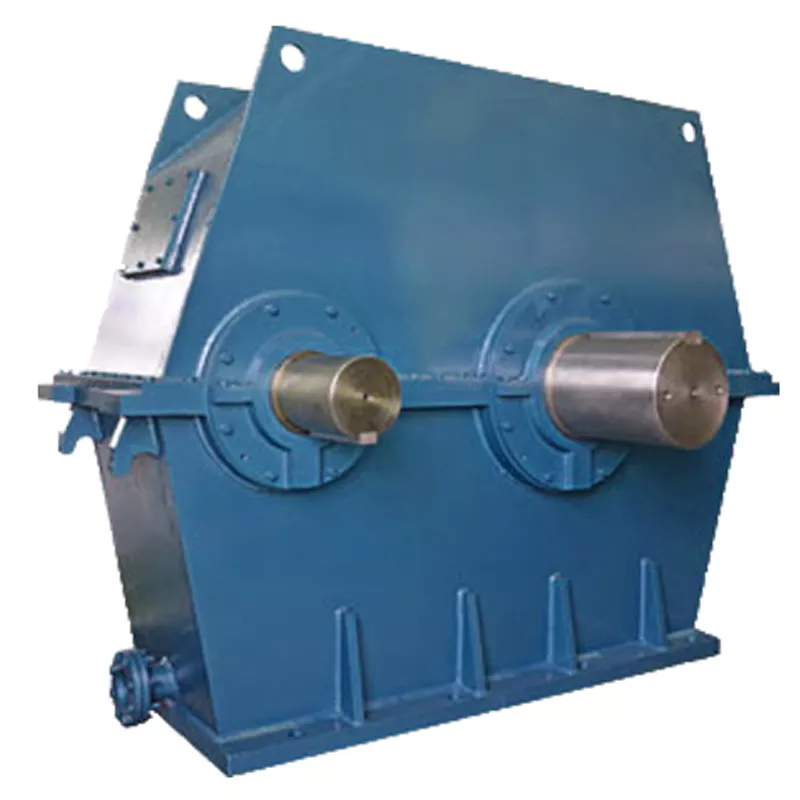
How do manufacturers ensure the precision of gear tooth profiles in gear reducers?
Manufacturers employ several techniques to ensure the precision of gear tooth profiles in gear reducers, which is crucial for optimal performance and efficiency:
1. Precision Machining: Gear teeth are typically machined using advanced CNC (Computer Numerical Control) machines that can achieve high levels of accuracy and repeatability. This ensures consistent gear tooth profiles across multiple components.
2. Quality Control Measures: Rigorous quality control processes, such as dimensional inspections and profile measurements, are performed at various stages of manufacturing to verify that gear tooth profiles meet the required specifications.
3. Tooth Profile Design: Engineers use specialized software and simulation tools to design gear tooth profiles with precise involute shapes and accurate dimensions. These designs are then translated into machine instructions for manufacturing.
4. Material Selection: High-quality materials with excellent wear resistance and dimensional stability are chosen to minimize the potential for deformation or inaccuracies during machining and operation.
5. Heat Treatment: Heat treatment processes, such as carburizing and quenching, are applied to enhance the surface hardness and durability of gear teeth, reducing the risk of wear and deformation over time.
6. Tooth Grinding and Finishing: After initial machining, gear teeth often undergo precision grinding and finishing processes to achieve the desired tooth profile accuracy and surface finish.
7. Post-Processing Inspection: Gear tooth profiles are inspected again after manufacturing processes to verify that the final components meet the specified tolerances and performance criteria.
8. Computer-Aided Manufacturing (CAM): CAM software is used to generate tool paths and machining instructions, enabling precise control over tool movements and material removal during gear manufacturing.
By combining these techniques and leveraging advanced manufacturing technologies, manufacturers can achieve the necessary precision in gear tooth profiles, resulting in reliable and efficient gear reducers for various industrial applications.
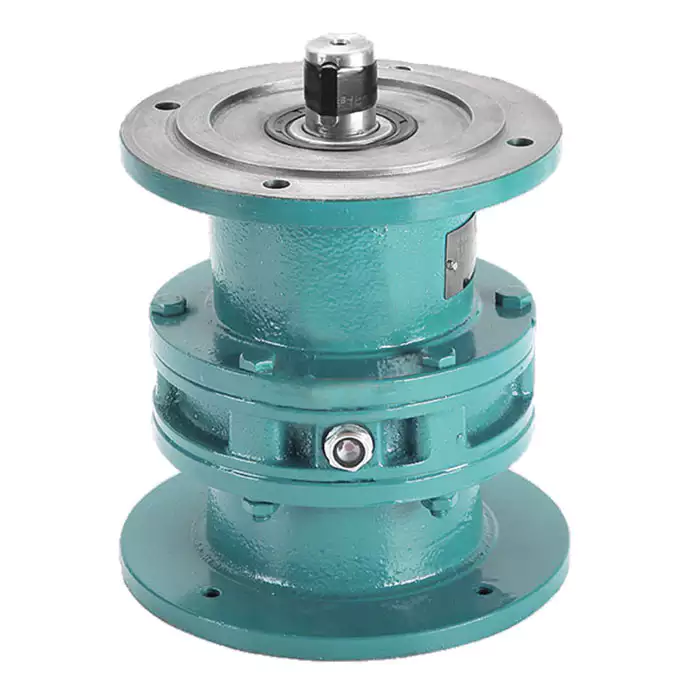
Wie bewältigen Getriebeuntersetzungen Stoßbelastungen und plötzliche Drehmomentänderungen?
Getriebeuntersetzungsgetriebe sind so konstruiert, dass sie Stoßbelastungen und plötzliche Drehmomentänderungen durch verschiedene Mechanismen bewältigen können, die ihre Haltbarkeit und Zuverlässigkeit unter anspruchsvollen Betriebsbedingungen verbessern.
1. Robuste Konstruktion: Getriebe werden aus hochfesten Werkstoffen und mit präzisen Fertigungstechniken hergestellt. Dadurch wird sichergestellt, dass Zahnräder, Lager und andere Bauteile plötzlichen Stößen und hohen Drehmomentschwankungen ohne Verformung oder Ausfall standhalten.
2. Stoßdämpfende Eigenschaften: Manche Getriebekonstruktionen verfügen über stoßdämpfende Merkmale wie flexible Kupplungen, Elastomerelemente oder torsionsflexible Zahnradkonstruktionen. Diese Merkmale tragen dazu bei, die Energie von plötzlichen Stößen oder Drehmomentspitzen zu dämpfen und abzuleiten und so die Belastung des Gesamtsystems zu reduzieren.
3. Drehmomentbegrenzer: Bei Anwendungen mit häufigen Stoßbelastungen können Drehmomentbegrenzer in das Getriebe integriert werden. Diese Vorrichtungen schalten sich automatisch ab oder rutschen durch, sobald ein bestimmter Drehmomentschwellenwert überschritten wird, und verhindern so Schäden an den Zahnrädern und anderen Bauteilen.
4. Überlastschutz: Getriebe können mit Überlastschutzmechanismen wie Scherbolzen oder Drehmomentsensoren ausgestattet sein. Diese Mechanismen erkennen ein zu hohes Drehmoment und schalten den Antrieb vorübergehend ab, sodass das System den Stoß abfangen oder sich an die plötzliche Drehmomentänderung anpassen kann.
5. Richtige Schmierung: Eine ausreichende Schmierung ist unerlässlich, um Stoßbelastungen und plötzliche Drehmomentänderungen abzufangen. Hochwertige Schmierstoffe reduzieren Reibung und Verschleiß und tragen dazu bei, dass das Getriebe dynamischen Kräften standhält und einen reibungslosen Betrieb gewährleistet.
6. Dynamische Lastverteilung: Getriebeuntersetzungsgetriebe verteilen dynamische Lasten auf mehrere Zahnräder und tragen so dazu bei, lokale Spannungsspitzen zu vermeiden. Dadurch wird das Risiko von Zahnbruch und Getriebeschäden bei plötzlichen Drehmomentänderungen minimiert.
Durch die Integration dieser Konstruktionsmerkmale und Mechanismen können Getriebe Stoßbelastungen und plötzliche Drehmomentänderungen effektiv bewältigen und so die Langlebigkeit und Zuverlässigkeit verschiedener industrieller und mechanischer Systeme gewährleisten.
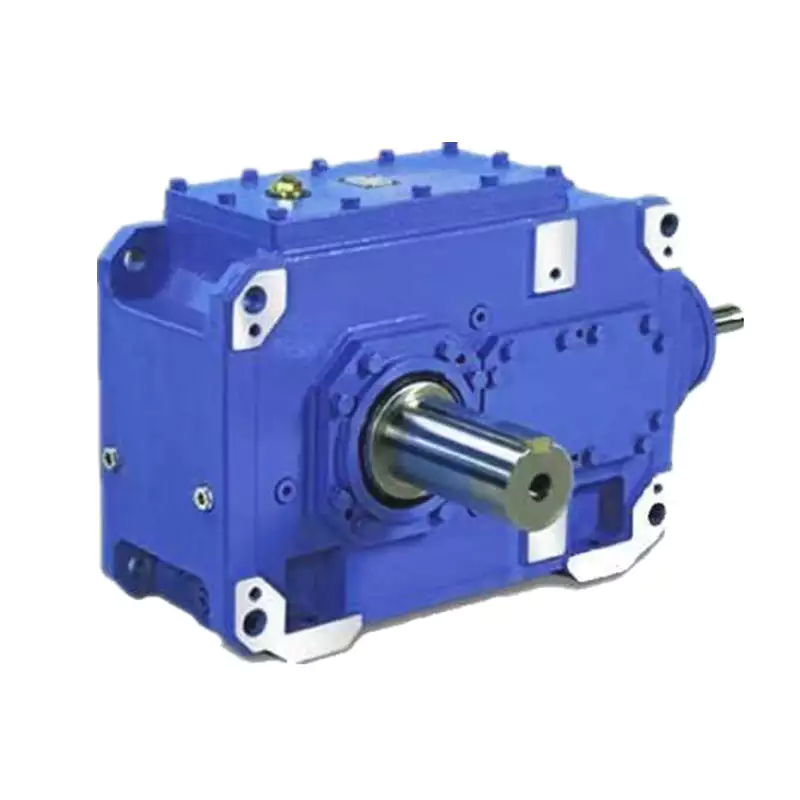
Gibt es bei den Getriebeuntersetzungsgetrieben Varianten für spezifische Aufgaben und Anwendungen?
Ja, Getriebe gibt es in vielen verschiedenen Ausführungen, um spezifischen Aufgaben und Anwendungen in unterschiedlichen Branchen gerecht zu werden. Hersteller bieten eine Reihe von Getriebetypen und -konfigurationen an, um verschiedenen Anforderungen gerecht zu werden, darunter:
- Stirnradgetriebe: Diese vielseitigen Bauteile gewährleisten eine gleichmäßige und effiziente Drehmomentübertragung. Sie werden häufig in Anwendungen eingesetzt, die hohe Präzision und moderate Drehzahlreduzierung erfordern, wie beispielsweise Förderbänder, Mischer und Rührwerke.
- Kegelradgetriebe: Sie eignen sich ideal zur Kraftübertragung zwischen sich kreuzenden Wellen. Sie werden häufig in schweren Maschinen, Druckmaschinen und Automobilanwendungen eingesetzt.
- Schneckengetriebe: Diese bieten kompakte Lösungen und eignen sich für Anwendungen mit höheren Anforderungen an die Geschwindigkeitsreduzierung, wie z. B. Förderanlagen, Winden und Aufzüge.
- Planetengetriebe: Diese bieten eine hohe Drehmomentdichte und werden in Anwendungen eingesetzt, die eine präzise Steuerung erfordern, wie z. B. Robotik, Luft- und Raumfahrt sowie Schwermaschinenbau.
- Parallelwellen-Getriebe: Diese in Industriemaschinen häufig verwendeten Getriebe sind auf hohes Drehmoment und Zuverlässigkeit ausgelegt.
- rechtwinklige Untersetzungsgetriebe: Sie kommen zum Einsatz, wenn aufgrund von Platzmangel eine Änderung der Wellenrichtung erforderlich ist, wie es häufig bei Verpackungsmaschinen und Förderbändern der Fall ist.
Jeder Getriebetyp besitzt einzigartige Merkmale und Vorteile, die ihn für bestimmte Aufgaben geeignet machen. Hersteller bieten häufig Anpassungsmöglichkeiten an, um Getriebe exakt an die Anforderungen einer Anwendung anzupassen, darunter Übersetzungsverhältnisse, Montageoptionen und Eingangs-/Ausgangskonfigurationen.
Die Vielfalt der Getriebekonstruktionen ermöglicht es der Industrie daher, den am besten geeigneten Typ anhand von Faktoren wie Drehmoment, Drehzahl, Platzverhältnissen, Präzision und Umgebungsbedingungen auszuwählen.


editor by CX 2024-02-27