Produktbeschreibung
311 Series inline Planetary Gearbox Gear Reducer 311L1 311L2 311L3 31L4 311R2 311R3 311R4 replacement of CHINAMFG
Produktbeschreibung
The 300L series and 300R series planetary gearboxes can be interchangeable with the following models of Trasmital Bonfiglioli
| 300L 1 | 300L 2 | 300L 3 | 300L 4 | 300R2 | 300R3 | 300R4 |
| 301L 1 | 301L 2 | 301L 3 | 301L 4 | 301R2 | 301R3 | 301R4 |
| 303L 1 | 303L 2 | 303L 3 | 303L 4 | 303R2 | 303R3 | 303R4 |
| 305L 1 | 305L 2 | 305L 3 | 305L 4 | 305R2 | 305R3 | 305R4 |
| 306L 1 | 306L 2 | 306L 3 | 306L 4 | 306R2 | 306R3 | 306R4 |
| 307L 1 | 307L 2 | 307L 3 | 307L 4 | 307R2 | 307R3 | 307R4 |
| 309L 1 | 309L 2 | 309L 3 | 309L 4 | 309R2 | 309R3 | 309R4 |
| 310L 1 | 310L 2 | 310L 3 | 310L 4 | 310R2 | 310R3 | 310R4 |
| 311L 1 | 311L 2 | 311L 3 | 311L 4 | 311R2 | 311R3 | 311R4 |
| 313L 1 | 313L 2 | 313L 3 | 313L 4 | 313R2 | 313R3 | 313R4 |
| 315L 1 | 315L 2 | 315L 3 | 315L 4 | 315R3 | 315R4 | |
| 316L 1 | 316L 2 | 316L 3 | 316L 4 | 316R3 | 316R4 | |
| 317L 1 | 317L 2 | 317L 3 | 317L 4 | 317R3 | 317R4 | |
| 318L 1 | 318L 2 | 318L 3 | 318L 4 | 318R4 | ||
| 319L 1 | 319L 2 | 319L 3 | 319L 4 | 319R4 | ||
| 321L 1 | 321L 2 | 321L 3 | 321L 4 | 321R4 |
-
Torque range
1,000 … 1,100,000 Nm (8,850 … 9,735,820 in-lb) -
Gear ratios
3.4 … 5,000 -
Transmissible Mechanical Power
up to 1,050 kW -
Brake options
Hydraulic brake
Hydraulically released parking brake on request
Electric brake
DC and AC type -
Output
Foot and flange mounted
Output shaft: CHINAMFG with key, splined, splined hollow, hollow with shrink disc -
Input
Flanged axial piston hydraulic motors
Hydraulic orbit motors
IEC and Nema motor adapters
CHINAMFG input shaft -
Applicable motors
Piston hydraulic motors
Hydraulic orbit motors
Electric motors IEC
Key Features
1. Torque range: 1000-450.000 Nm
2. Transmissible mechanical power: up to 540 kW
3. Gear ratios: 3.4-9.000
4. Gear unit versions: in line
5. Output configurations:
1) Foot and flange mounted
2) Output shaft: CHINAMFG with key, splined, splined hollow
3) Hollow with shrink disc
6. Input configurations:
1) Flanged axial piston hydraulic motors
2) Hydraulic orbit motors
3) IEC and Nema motor adaptors
4) CHINAMFG input shaft
7. Hydraulic brake: hydraulically released parking brake
8. Electric brake: DC and AC type
Application
Application
Our factory
Related Products
For more reducers and mechanical accessories, please click here to view
/* 22. Januar 2571 19:08:37 */!function(){function s(e,r){var a,o={};try{e&&e.split(“,”).forEach(function(e,t){e&&(a=e.match(/(.*?):(.*)$/))&&1
| Anwendung: | Motoren, Elektroautos, Motorräder, Maschinen, Schiffsmaschinen, Spielzeug, Landmaschinen, Autos |
|---|---|
| Funktion: | Distribution Power, Speed Changing, Speed Reduction |
| Layout: | Wrom |
| Härte: | Gehärtete Zahnoberfläche |
| Installation: | Planetary |
| Schritt: | Planetary |
| Anpassung: |
Verfügbar
| Kundenspezifische Anfrage |
|---|
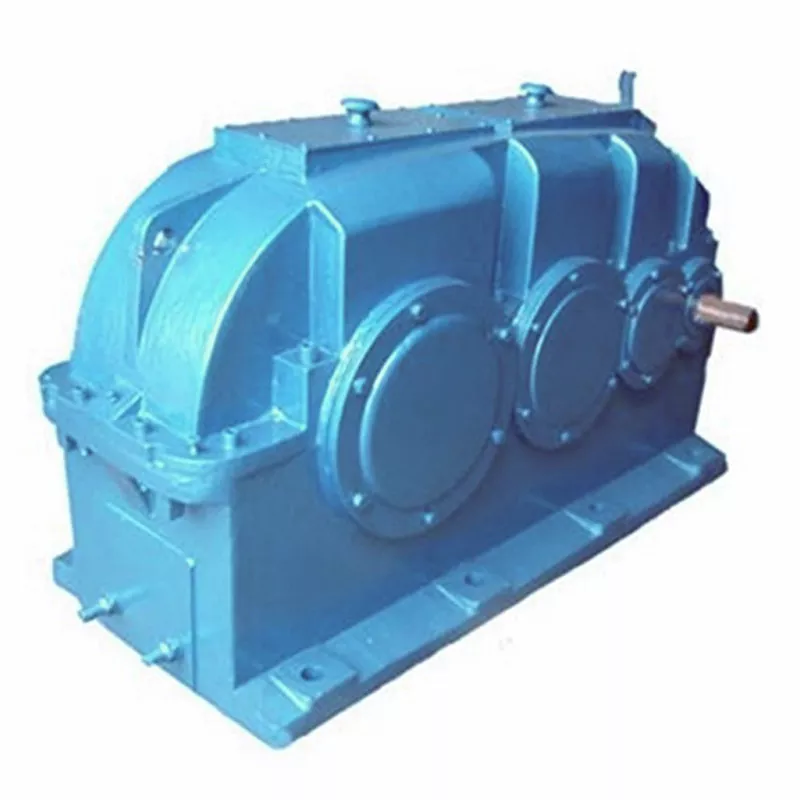
Can gear reducers be customized for specific industrial needs and requirements?
Yes, gear reducers can be customized to meet specific industrial needs and requirements. Manufacturers offer customization options to ensure that gear reducers are tailored to the unique demands of various applications:
1. Gear Ratio Selection: Gear reducers can be designed with specific gear ratios to achieve the desired speed reduction or increase, catering to the specific requirements of the machinery or equipment.
2. Shaft Configurations: Gear reducers can be configured with different shaft sizes, lengths, and orientations to fit seamlessly into existing systems or accommodate specific mounting arrangements.
3. Torque Capacity: Customized gear reducers can be designed to handle higher or lower torque loads based on the application’s operational requirements.
4. Environmental Considerations: Gear reducers can be customized with special coatings, materials, or seals to withstand harsh environments, extreme temperatures, or corrosive conditions.
5. Noise and Vibration Reduction: Custom designs can incorporate features to reduce noise and dampen vibrations, enhancing the overall operation and user experience.
6. Mounting and Connection Options: Manufacturers can adapt gear reducer designs to include specific mounting interfaces or connection methods that align with the equipment’s design.
7. Lubrication and Maintenance: Customized gear reducers can include features for easy maintenance, such as accessible lubrication points or monitoring systems.
8. Integration with Controls: Gear reducers can be customized to integrate seamlessly with control systems, sensors, or automation processes, enhancing system efficiency and performance.
By collaborating with manufacturers and providing detailed specifications, industries can obtain tailor-made gear reducers that address their specific operational needs and contribute to the success of their applications.
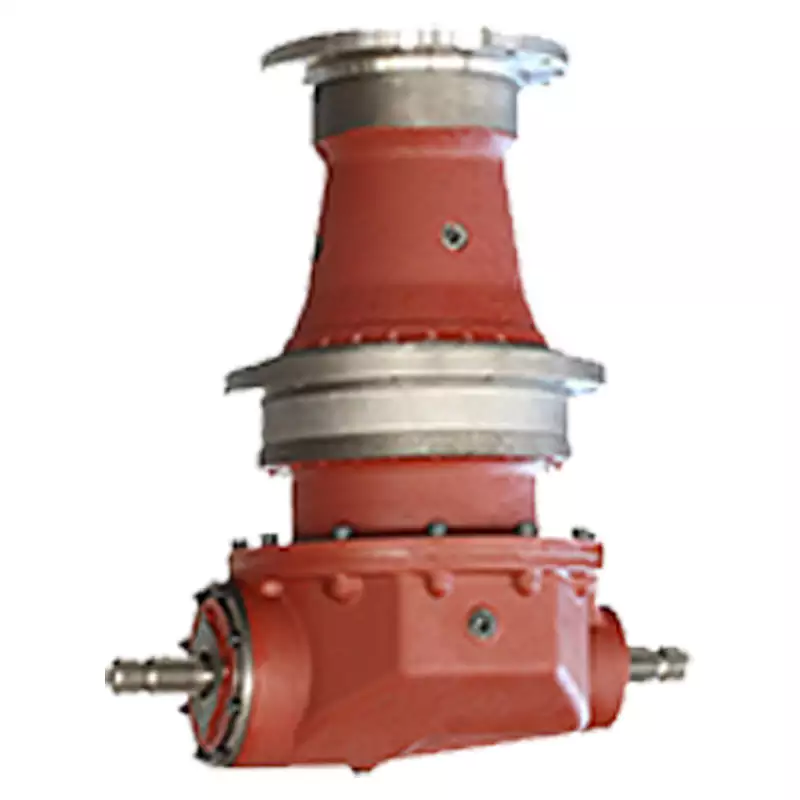
What maintenance practices are essential for prolonging the lifespan of gear reducers?
Proper maintenance is crucial for extending the lifespan and ensuring optimal performance of gear reducers. Here are essential maintenance practices:
- 1. Lubrication: Regular lubrication of gear reducers is vital to reduce friction, wear, and heat generation. Use the recommended lubricant and follow the manufacturer’s guidelines for lubrication intervals.
- 2. Inspection: Routinely inspect gear reducers for signs of wear, damage, or leaks. Check for unusual noises, vibrations, or temperature increases during operation.
- 3. Alignment: Ensure proper alignment of the input and output shafts. Misalignment can lead to increased wear, noise, and reduced efficiency. Align the components according to the manufacturer’s specifications.
- 4. Cooling and Ventilation: Maintain proper cooling and ventilation to prevent overheating. Ensure that cooling fans and vents are clean and unobstructed.
- 5. Seal Maintenance: Inspect and replace seals as needed to prevent contaminants from entering the gear reducer. Contaminants can lead to accelerated wear and reduced performance.
- 6. Bolts and Fasteners: Regularly check and tighten bolts and fasteners to prevent loosening during operation, which can cause misalignment or component damage.
- 7. Replacing Worn Components: Replace worn or damaged components, such as gears, bearings, and seals, with genuine parts from the manufacturer.
- 8. Vibration Analysis: Conduct periodic vibration analysis to identify potential issues early. Excessive vibration can indicate misalignment or component wear.
- 9. Maintenance Records: Keep detailed maintenance records, including lubrication schedules, inspection dates, and component replacements. This helps track the history of the gear reducer and aids in future maintenance planning.
- 10. Training: Provide proper training to maintenance personnel on gear reducer maintenance and troubleshooting techniques.
By adhering to these maintenance practices, you can maximize the lifespan of your gear reducers, minimize downtime, and ensure reliable operation in your industrial processes.
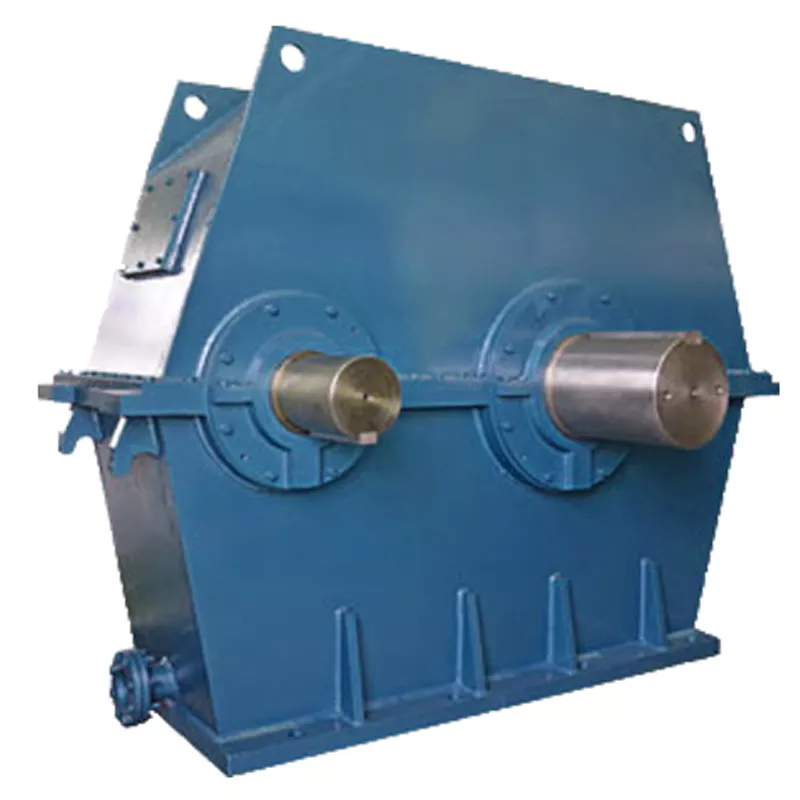
Funktion von Getrieben in mechanischen Systemen
Ein Untersetzungsgetriebe, auch bekannt als Getriebeeinheit oder Getriebegetriebe im engeren Sinne, ist ein mechanisches Gerät, das die Drehzahl einer Eingangswelle reduziert und gleichzeitig deren Drehmoment erhöht. Dies wird durch den Einsatz von ineinandergreifenden Zahnrädern unterschiedlicher Größe erreicht.
Die Hauptfunktion eines Getriebes in mechanischen Systemen ist:
- Geschwindigkeitsreduzierung: Das Untersetzungsgetriebe überträgt die hohe Drehzahl der Eingangswelle über ein Zahnradpaar auf die Ausgangswelle. Die Zahnräder sind so angeordnet, dass das Ausgangszahnrad einen größeren Durchmesser als das Eingangszahnrad aufweist. Dadurch dreht sich die Ausgangswelle mit einer geringeren Drehzahl als die Eingangswelle, erzeugt aber ein höheres Drehmoment.
- Drehmomentsteigerung: Aufgrund des Größenunterschieds zwischen Eingangs- und Ausgangszahnrad ist das auf die Ausgangswelle wirkende Drehmoment größer als das auf die Eingangswelle. Diese Drehmomentverstärkung ermöglicht es dem System, höhere Lasten zu bewältigen und Aufgaben mit höherem Kraftaufwand auszuführen.
Getriebe finden breite Anwendung in verschiedenen Branchen und Bereichen, in denen die Drehzahl- und Drehmomentcharakteristik einer Antriebsquelle an die Anforderungen der angetriebenen Geräte angepasst werden muss. Sie werden beispielsweise in Förderanlagen, Industriemaschinen und Fahrzeugen eingesetzt.


editor by CX 2024-05-08