Produktbeschreibung
Detailed Photos
Produktparameter
Model:220BX-E
More Code And Specification:
| E series | C series | ||||
| Code | Outline dimension | General model | Code | Outline dimension | The original code |
| 120 | Φ122 | 6E | 10C | Φ145 | 150 |
| 150 | Φ145 | 20E | 27C | Φ181 | 180 |
| 190 | Φ190 | 40E | 50C | Φ222 | 220 |
| 220 | Φ222 | 80E | 100C | Φ250 | 250 |
| 250 | Φ244 | 110E | 200C | Φ345 | 350 |
| 280 | Φ280 | 160E | 320C | Φ440 | 440 |
| 320 | Φ325 | 320E | 500C | Φ520 | 520 |
| 370 | Φ370 | 450E | |||
Gear ratio And Specification
| E Series | C Series | ||
| Code | Reduktionsverhältnis | New code | Monomer reduction ratio |
| 120 | 43,53.5,59,79,103 | 10CBX | 27.00 |
| 150 | 81,105,121,141,161 | 27CBX | 36.57 |
| 190 | 81,105,121,153 | 50CBX | 32.54 |
| 220 | 81,101,121,153 | 100CBX | 36.75 |
| 250 | 81,111,161,175.28 | 200CBX | 34.86 |
| 280 | 81,101,129,145,171 | 320CBX | 35.61 |
| 320 | 81,101,118.5,129,141,171,185 | 500CBX | 37.34 |
| 370 | 81,101,118.5,129,154.8,171,192.4 | ||
| Note 1: E series,such as by the shell(pin shell)output,the corresponding reduction ratio by 1 | |||
| Note 2: C series gear ratio refers to the motor installed in the casing of the reduction ratio,if installed on the output flange side,the corresponding reduction ratio by 1 | |||
Reducer type code
REV: main bearing built-in E type
RVC: hollow type
REA: with input flange E type
RCA: with input flange hollow type
Other Related Products
Click here to find what you are looking for:
Customized Product Service
Unternehmensprofil
Häufig gestellte Fragen
Q: What’re your main products?
A: We currently produce Brushed Dc Motors, Brushed Dc Gear Motors, Planetary Dc Gear Motors, Brushless Dc Motors, Stepper motors, Ac Motors and High Precision Planetary Gear Box etc. You can check the specifications for above motors on our website and you can email us to recommend needed motors per your specification too.
Q: How to select a suitable motor?
A:If you have motor pictures or drawings to show us, or you have detailed specs like voltage, speed, torque, motor size, working mode of the motor, needed lifetime and noise level etc, please do not hesitate to let us know, then we can recommend suitable motor per your request accordingly.
Q: Do you have a customized service for your standard motors?
A: Yes, we can customize per your request for the voltage, speed, torque and shaft size/shape. If you need additional wires/cables soldered on the terminal or need to add connectors, or capacitors or EMC we can make it too.
Q: Do you have an individual design service for motors?
A: Yes, we would like to design motors individually for our customers, but it may need some mold developing cost and design charge.
Q: What’s your lead time?
A: Generally speaking, our regular standard product will need 15-30days, a bit longer for customized products. But we are very flexible on the lead time, it will depend on the specific orders.
Please contact us if you have detailed requests, thank you ! /* 22. Januar 2571 19:08:37 */!function(){function s(e,r){var a,o={};try{e&&e.split(“,”).forEach(function(e,t){e&&(a=e.match(/(.*?):(.*)$/))&&1
| Anwendung: | Machinery, Robotic |
|---|---|
| Härte: | Gehärtete Zahnoberfläche |
| Installation: | Vertikaler Typ |
| Layout: | Koaxial |
| Zahnradform: | Zylinderzahnrad |
| Schritt: | Double-Step |
| Anpassung: |
Verfügbar
| Kundenspezifische Anfrage |
|---|
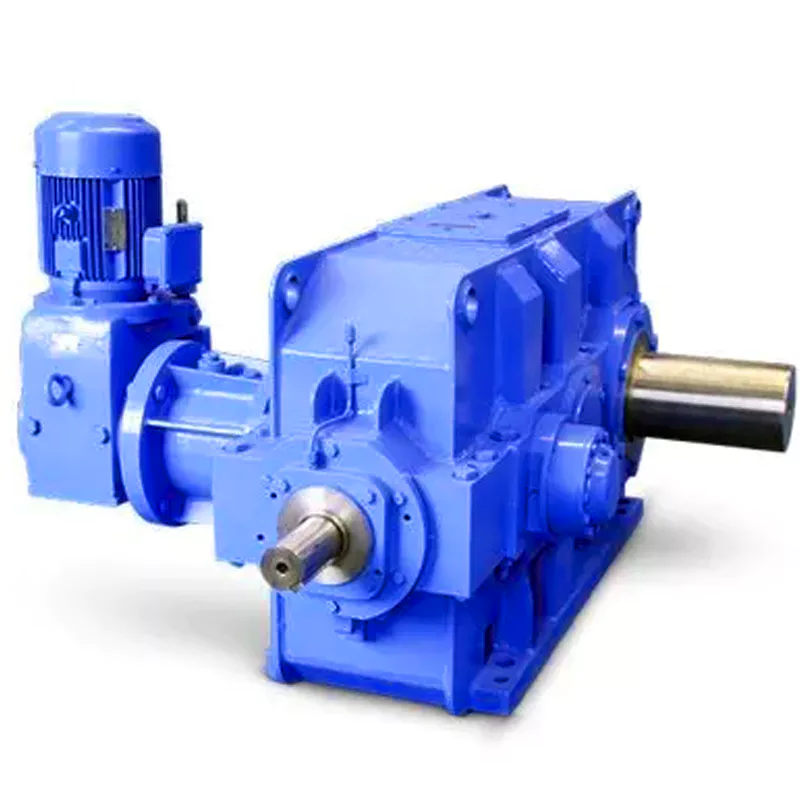
What are the considerations for choosing the appropriate lubrication for gear reducers?
Choosing the appropriate lubrication for gear reducers is crucial for ensuring optimal performance, longevity, and efficiency. Several considerations should be taken into account when selecting the right lubrication:
1. Load and Torque: The magnitude of the load and torque transmitted by the gear reducer affects the lubrication’s viscosity and film strength requirements. Heavier loads may necessitate higher viscosity lubricants.
2. Operating Speed: The speed at which the gear reducer operates impacts the lubrication’s ability to maintain a consistent and protective film between gear surfaces.
3. Temperature Range: Consider the temperature range of the operating environment. Lubricants with suitable viscosity indexes are crucial to maintaining performance under varying temperature conditions.
4. Contaminant Exposure: If the gear reducer is exposed to dust, dirt, water, or other contaminants, the lubrication should have proper sealing properties and resistance to contamination.
5. Lubrication Interval: Determine the desired maintenance interval. Some lubricants require more frequent replacement, while others offer extended operational periods.
6. Compatibility with Materials: Ensure that the chosen lubricant is compatible with the materials used in the gear reducer, including gears, bearings, and seals.
7. Noise and Vibration: Some lubricants have properties that can help reduce noise and dampen vibrations, improving the overall user experience.
8. Environmental Impact: Consider environmental regulations and sustainability goals when selecting lubricants.
9. Manufacturer Recommendations: Follow the manufacturer’s recommendations and guidelines for lubrication type, viscosity grade, and maintenance intervals.
10. Monitoring and Analysis: Implement a lubrication monitoring and analysis program to assess lubricant condition and performance over time.
By carefully evaluating these considerations and consulting with lubrication experts, industries can choose the most suitable lubrication for their gear reducers, ensuring reliable and efficient operation.
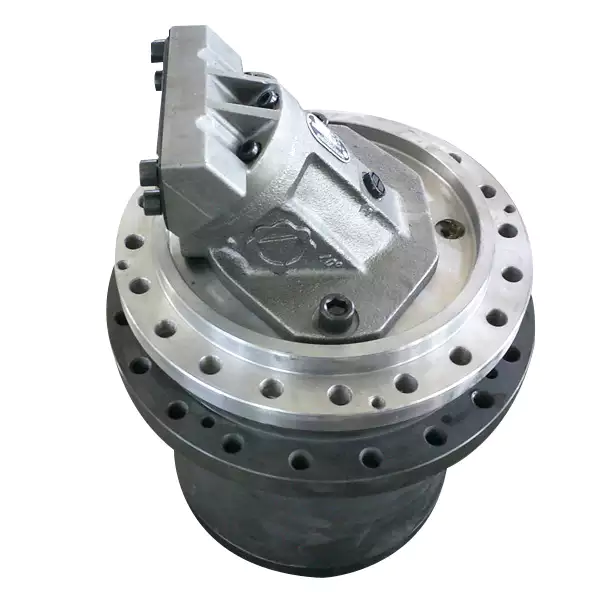
Welche Faktoren sollten bei der Auswahl des richtigen Getriebes berücksichtigt werden?
Bei der Auswahl des geeigneten Getriebes müssen mehrere entscheidende Faktoren berücksichtigt werden, um optimale Leistung und Effizienz für Ihre spezifische Anwendung zu gewährleisten:
- 1. Drehmoment- und Leistungsanforderungen: Ermitteln Sie, welches Drehmoment und welche Leistung Ihre Maschine für ihren Betrieb benötigt.
- 2. Geschwindigkeitsverhältnis: Berechnen Sie die erforderliche Drehzahlreduzierung oder -erhöhung, um die Eingangs- und Ausgangsdrehzahlen aufeinander abzustimmen.
- 3. Getriebetyp: Wählen Sie den geeigneten Getriebetyp (Schräg-, Kegel-, Schnecken-, Planetengetriebe usw.) basierend auf den Drehmoment-, Präzisions- und Effizienzanforderungen Ihrer Anwendung.
- 4. Montageoptionen: Berücksichtigen Sie den verfügbaren Platz und die Montagekonfiguration, die am besten zu Ihren Maschinen passt.
- 5. Umgebungsbedingungen: Bewerten Sie Faktoren wie Temperatur, Luftfeuchtigkeit, Staub und korrosive Elemente, die die Leistung des Getriebes beeinträchtigen können.
- 6. Effizienz: Prüfen Sie den Wirkungsgrad des Getriebes, um Leistungsverluste zu minimieren und die Gesamtleistung des Systems zu verbessern.
- 7. Gegenreaktion: Beachten Sie das zulässige Spiel zwischen den Zahnrädern, da dieses die Präzision beeinträchtigen kann.
- 8. Wartungsanforderungen: Ermitteln Sie die Wartungsintervalle und -verfahren, die für einen zuverlässigen Betrieb erforderlich sind.
- 9. Lärm und Vibrationen: Prüfen Sie die Geräusch- und Vibrationswerte, um sicherzustellen, dass sie den Anforderungen Ihrer Maschinen entsprechen.
- 10. Kosten: Vergleichen Sie die Anschaffungskosten und den langfristigen Wert verschiedener Getriebeoptionen.
Durch die sorgfältige Bewertung dieser Faktoren und die Beratung mit Getriebeherstellern können Ingenieure und Branchenexperten fundierte Entscheidungen treffen, um das richtige Getriebe für ihre spezifische Anwendung auszuwählen und so Leistung, Lebensdauer und Kosteneffizienz zu optimieren.
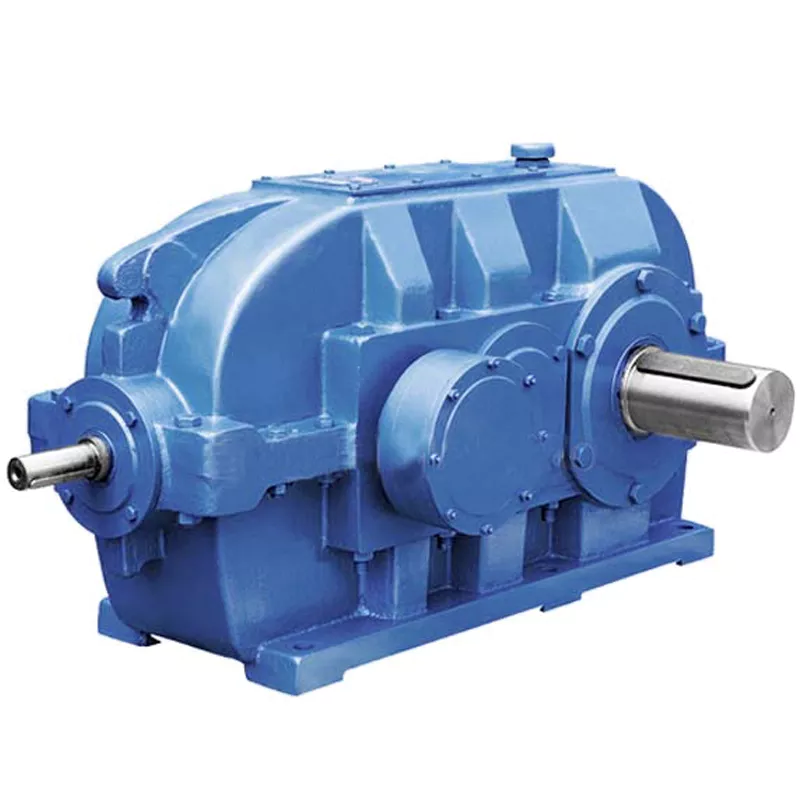
How do gear reducers handle variations in input and output speeds?
Gear reducers are designed to handle variations in input and output speeds through the use of different gear ratios and configurations. They achieve this by utilizing intermeshing gears of varying sizes to transmit torque and control rotational speed.
The basic principle involves connecting two or more gears with different numbers of teeth. When a larger gear (driving gear) engages with a smaller gear (driven gear), the rotational speed of the driven gear decreases while the torque increases. This reduction in speed and increase in torque enable gear reducers to efficiently adapt to variations in input and output speeds.
The gear ratio is a critical factor in determining how much the speed and torque change. It is calculated by dividing the number of teeth on the driven gear by the number of teeth on the driving gear. A higher gear ratio results in a greater reduction in speed and a proportionate increase in torque.
Planetary gear reducers, a common type, use a combination of gears including sun gears, planet gears, and ring gears to achieve different speed reductions and torque enhancements. This design provides versatility in handling variations in speed and torque requirements.
In summary, gear reducers handle variations in input and output speeds by using specific gear ratios and gear arrangements that enable them to efficiently transmit power and control motion characteristics according to the application’s needs.


editor by CX 2024-05-03