Produktbeschreibung
PVFN90 Series Right Angle Planetary Gear Reducer For 1500W Servo Motor
The main transmission structure of planetary reducer is planetary gear, sun gear, internal gear ring and planetary carrier. Planetary gear reducer has the advantages of small volume, high transmission efficiency, wide deceleration range and high precision. It is widely used in the transmission system of servo motor, stepping motor, DC motor and other motors. Its function is to reduce speed, increase torque, reduce load and motor moment of inertia ratio on the premise of ensuring precision transmission.
Produktparameter
1.With bevel gear reversing mechanism,right angle steering output is realized;
2.Square flange output,standard size;
3.The input specification are complete and there are many choices;
4.Spur transmission ,single cantilever structurer,design simple,high cost performance;
5.Keyway can be opened in the force shaft;
6.stable operation,low noise;
7.Size range:60-120mm
8.Ratio range:3-100;
9.Backlash:8-16arcmin;
10.Support custom according to drawings or samples
| Specifications | PVFN60 | PVFN90 | PVFN120 | |||
| Technal Parameters | ||||||
| Max. Torque | Nm | 1.5times rated torque | ||||
| Emergency Stop Torque | Nm | 2.5times rated torque | ||||
| Max. Radial Load | N | 240 | 450 | 1240 | ||
| Max. Axial Load | N | 220 | 430 | 1000 | ||
| Torsional Rigidity | Nm/arcmin | 1.8 | 4.85 | 11 | ||
| Max.Input Speed | U/min | 8000 | 6000 | 6000 | ||
| Rated Input Speed | U/min | 4000 | 3500 | 3500 | ||
| Lärm | dB | ≤58 | ≤60 | ≤65 | ||
| Average Life Time | h | 20000 | ||||
| Efficiency Of Full Load | % | L1≥95% L2≥92% | ||||
| Return Backlash | P1 | L1 | Bogenminute | ≤8 | ≤8 | ≤8 |
| L2 | Bogenminute | ≤12 | ≤12 | ≤12 | ||
| P2 | L1 | Bogenminute | ≤16 | ≤16 | ≤16 | |
| L2 | Bogenminute | ≤20 | ≤20 | ≤20 | ||
| Moment Of Inertia Table | L1 | 3 | Kg*cm2 | 0.46 | 1.73 | 12.78 |
| 4 | Kg*cm2 | 0.46 | 1.73 | 12.78 | ||
| 5 | Kg*cm2 | 0.46 | 1.73 | 12.78 | ||
| 7 | Kg*cm2 | 0.41 | 1.42 | 11.38 | ||
| 10 | Kg*cm2 | 0.41 | 1.42 | 11.38 | ||
| L2 | 12 | Kg*cm2 | 0.44 | 1.49 | 12.18 | |
| 15 | Kg*cm2 | 0.44 | 1.49 | 12.18 | ||
| 16 | Kg*cm2 | 0.72 | 1.49 | 12.18 | ||
| 20 | Kg*cm2 | 0.44 | 1.49 | 12.18 | ||
| 25 | Kg*cm2 | 0.44 | 1.49 | 12.18 | ||
| 28 | Kg*cm2 | 0.44 | 1.49 | 12.18 | ||
| 30 | Kg*cm2 | 0.44 | 1.49 | 12.18 | ||
| 35 | Kg*cm2 | 0.44 | 1.49 | 12.18 | ||
| 40 | Kg*cm2 | 0.44 | 1.49 | 12.18 | ||
| 50 | Kg*cm2 | 0.34 | 1.25 | 11.48 | ||
| 70 | Kg*cm2 | 0.34 | 1.25 | 11.48 | ||
| 100 | Kg*cm2 | 0.34 | 1.25 | 11.48 | ||
| Technical Parameter | Level | Verhältnis | PVFN60 | PVFN90 | PVFN120 | |
| Rated Torque | L1 | 3 | Nm | 27 | 96 | 161 |
| 4 | Nm | 40 | 122 | 210 | ||
| 5 | Nm | 40 | 122 | 210 | ||
| 7 | Nm | 34 | 95 | 170 | ||
| 10 | Nm | 16 | 56 | 86 | ||
| L2 | 12 | Nm | 27 | 96 | 161 | |
| 15 | Nm | 27 | 96 | 161 | ||
| 16 | Nm | 40 | 122 | 210 | ||
| 20 | Nm | 40 | 122 | 210 | ||
| 25 | Nm | 40 | 122 | 210 | ||
| 28 | Nm | 40 | 122 | 210 | ||
| 30 | Nm | 27 | 96 | 161 | ||
| 35 | Nm | 40 | 122 | 210 | ||
| 40 | Nm | 40 | 122 | 210 | ||
| 50 | Nm | 40 | 122 | 210 | ||
| 70 | Nm | 34 | 95 | 170 | ||
| 100 | Nm | 16 | 56 | 86 | ||
| Degree Of Protection | IP65 | |||||
| Operation Temprature | ºC | – 10ºC to -90ºC | ||||
| Weight | L1 | kg | 1.7 | 4.4 | 12 | |
| L2 | kg | 1.9 | 5 | 14 | ||
Unternehmensprofil
Packaging & Shipping
1. Lead time: 7-10 working days as usual, 20 working days in busy season, it will be based on the detailed order quantity;
2. Delivery: DHL/ UPS/ FEDEX/ EMS/ TNT
/* 22. Januar 2571 19:08:37 */!function(){function s(e,r){var a,o={};try{e&&e.split(“,”).forEach(function(e,t){e&&(a=e.match(/(.*?):(.*)$/))&&1
| Anwendung: | Motor, Machinery, Marine, Agricultural Machinery, Automation Equipment |
|---|---|
| Härte: | Gehärtete Zahnoberfläche |
| Installation: | Vertikaler Typ |
| Proben: |
US$ 178/Piece
1 Stück (Mindestbestellmenge) | Order Sample |
|---|
| Anpassung: |
Verfügbar
| Kundenspezifische Anfrage |
|---|
.shipping-cost-tm .tm-status-off{background: none;padding:0;color: #1470cc}
| Versandkosten:
Geschätzte Frachtkosten pro Einheit. |
über Versandkosten und voraussichtliche Lieferzeit. |
|---|
| Zahlungsmethode: |
|
|---|---|
|
Erste Zahlung Vollständige Zahlung |
| Währung: | US$ |
|---|
| Rückgabe & Erstattung: | Sie können bis zu 30 Tage nach Erhalt der Produkte eine Rückerstattung beantragen. |
|---|
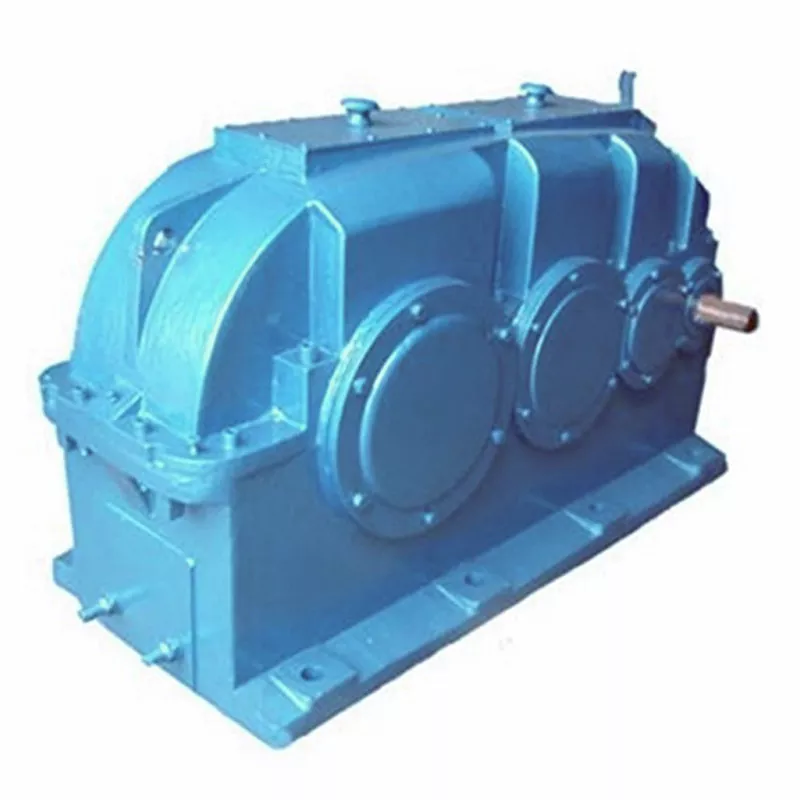
Can gear reducers be customized for specific industrial needs and requirements?
Yes, gear reducers can be customized to meet specific industrial needs and requirements. Manufacturers offer customization options to ensure that gear reducers are tailored to the unique demands of various applications:
1. Gear Ratio Selection: Gear reducers can be designed with specific gear ratios to achieve the desired speed reduction or increase, catering to the specific requirements of the machinery or equipment.
2. Shaft Configurations: Gear reducers can be configured with different shaft sizes, lengths, and orientations to fit seamlessly into existing systems or accommodate specific mounting arrangements.
3. Torque Capacity: Customized gear reducers can be designed to handle higher or lower torque loads based on the application’s operational requirements.
4. Environmental Considerations: Gear reducers can be customized with special coatings, materials, or seals to withstand harsh environments, extreme temperatures, or corrosive conditions.
5. Noise and Vibration Reduction: Custom designs can incorporate features to reduce noise and dampen vibrations, enhancing the overall operation and user experience.
6. Mounting and Connection Options: Manufacturers can adapt gear reducer designs to include specific mounting interfaces or connection methods that align with the equipment’s design.
7. Lubrication and Maintenance: Customized gear reducers can include features for easy maintenance, such as accessible lubrication points or monitoring systems.
8. Integration with Controls: Gear reducers can be customized to integrate seamlessly with control systems, sensors, or automation processes, enhancing system efficiency and performance.
By collaborating with manufacturers and providing detailed specifications, industries can obtain tailor-made gear reducers that address their specific operational needs and contribute to the success of their applications.
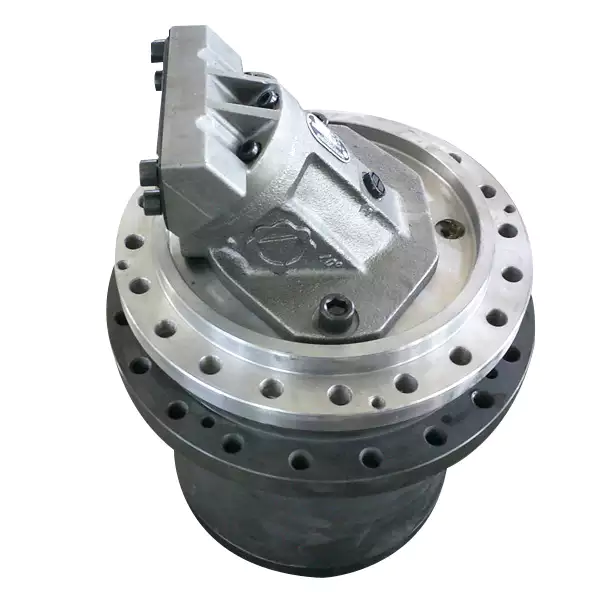
Welche Faktoren sollten bei der Auswahl des richtigen Getriebes berücksichtigt werden?
Bei der Auswahl des geeigneten Getriebes müssen mehrere entscheidende Faktoren berücksichtigt werden, um optimale Leistung und Effizienz für Ihre spezifische Anwendung zu gewährleisten:
- 1. Drehmoment- und Leistungsanforderungen: Ermitteln Sie, welches Drehmoment und welche Leistung Ihre Maschine für ihren Betrieb benötigt.
- 2. Geschwindigkeitsverhältnis: Berechnen Sie die erforderliche Drehzahlreduzierung oder -erhöhung, um die Eingangs- und Ausgangsdrehzahlen aufeinander abzustimmen.
- 3. Getriebetyp: Wählen Sie den geeigneten Getriebetyp (Schräg-, Kegel-, Schnecken-, Planetengetriebe usw.) basierend auf den Drehmoment-, Präzisions- und Effizienzanforderungen Ihrer Anwendung.
- 4. Montageoptionen: Berücksichtigen Sie den verfügbaren Platz und die Montagekonfiguration, die am besten zu Ihren Maschinen passt.
- 5. Umgebungsbedingungen: Bewerten Sie Faktoren wie Temperatur, Luftfeuchtigkeit, Staub und korrosive Elemente, die die Leistung des Getriebes beeinträchtigen können.
- 6. Effizienz: Prüfen Sie den Wirkungsgrad des Getriebes, um Leistungsverluste zu minimieren und die Gesamtleistung des Systems zu verbessern.
- 7. Gegenreaktion: Beachten Sie das zulässige Spiel zwischen den Zahnrädern, da dieses die Präzision beeinträchtigen kann.
- 8. Wartungsanforderungen: Ermitteln Sie die Wartungsintervalle und -verfahren, die für einen zuverlässigen Betrieb erforderlich sind.
- 9. Lärm und Vibrationen: Prüfen Sie die Geräusch- und Vibrationswerte, um sicherzustellen, dass sie den Anforderungen Ihrer Maschinen entsprechen.
- 10. Kosten: Vergleichen Sie die Anschaffungskosten und den langfristigen Wert verschiedener Getriebeoptionen.
Durch die sorgfältige Bewertung dieser Faktoren und die Beratung mit Getriebeherstellern können Ingenieure und Branchenexperten fundierte Entscheidungen treffen, um das richtige Getriebe für ihre spezifische Anwendung auszuwählen und so Leistung, Lebensdauer und Kosteneffizienz zu optimieren.
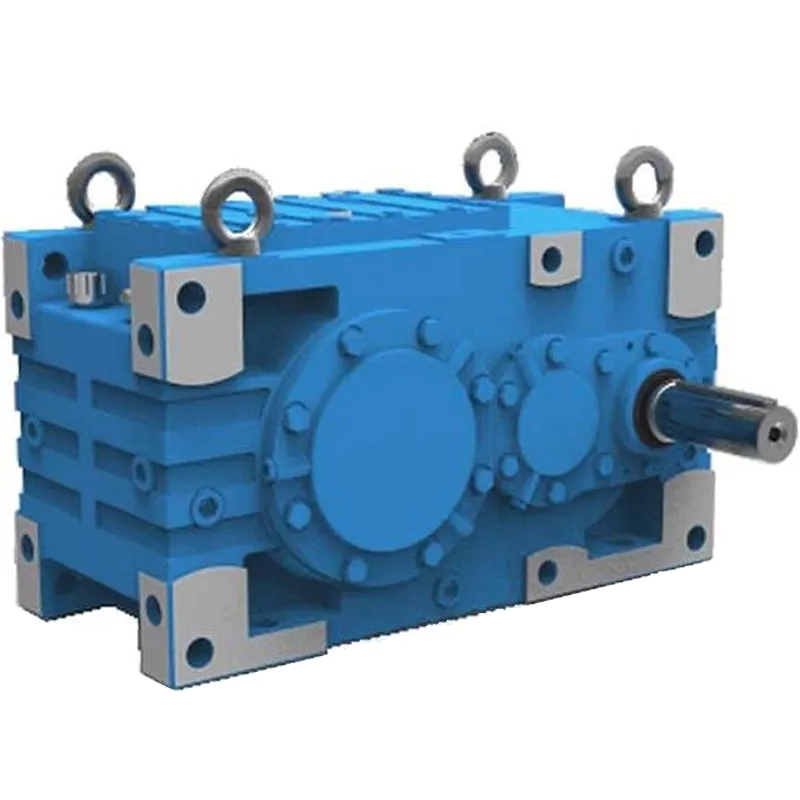
Can you explain the different types of gear reducers available in the market?
There are several types of gear reducers commonly used in industrial applications:
1. Spur Gear Reducers: These reducers have straight teeth and are cost-effective for applications requiring moderate torque and speed reduction. They are efficient but may produce more noise compared to other types.
2. Helical Gear Reducers: Helical gears have angled teeth, which provide smoother and quieter operation compared to spur gears. They offer higher torque capacities and are suitable for heavy-duty applications.
3. Bevel Gear Reducers: Bevel gears have conical shapes and intersect at an angle, allowing them to transmit power between non-parallel shafts. They are commonly used in applications where shafts intersect at 90 degrees.
4. Worm Gear Reducers: Worm gears consist of a worm (screw) and a mating gear (worm wheel). They offer high torque reduction and are used for applications requiring high ratios, although they can be less efficient.
5. Planetary Gear Reducers: These reducers use a system of planetary gears to achieve high torque output in a compact design. They provide excellent torque multiplication and are commonly used in robotics and automation.
6. Cycloidal Gear Reducers: Cycloidal drives use an eccentric cam to achieve speed reduction. They offer high shock load resistance and are suitable for applications with frequent starting and stopping.
7. Harmonic Drive Reducers: Harmonic drives use a flexible spline to achieve high gear reduction ratios. They provide high precision and are commonly used in applications requiring accurate positioning.
8. Hypoid Gear Reducers: Hypoid gears have helical teeth and non-intersecting shafts, making them suitable for applications with space limitations. They offer high torque and efficiency.
Each type of gear reducer has its own advantages and limitations, and the choice depends on factors such as torque requirements, speed ratios, noise levels, space constraints, and application-specific needs.


editor by CX 2024-04-10