Produktbeschreibung
Produktbeschreibung
Produktparameter
| Parameters | Einheit | Level | Reduktionsverhältnis | Flange Size Specification | |||
| 042 | 060 | 090 | 120 | ||||
| Rated output torque T2n | N.m | 1 | 2 | 45 | 120 | 160 | |
| 3 | 15 | 45 | 120 | 160 | |||
| 5 | 45 | 120 | 160 | ||||
| 2 | 6 | 45 | 120 | 160 | |||
| 8 | 45 | 120 | 160 | ||||
| 9 | 15 | 45 | 120 | 160 | |||
| 10 | 45 | 120 | 160 | ||||
| 12 | 15 | 45 | 120 | 160 | |||
| 14 | 45 | 120 | 160 | ||||
| 15 | 15 | 45 | 120 | 160 | |||
| 20 | 45 | 120 | 160 | ||||
| Breaking moment value T2b | N.m | 1,2 | 2~20 | 40 | 120 | 320 | 450 |
| Rated input speed N1n | U/min | 1,2 | 2~20 | 2500 | 2500 | 2500 | 2500 |
| Standard Backlash | Bogenminute | 1 | 3~5 | 0.5 | 0.5 | 0.5 | 0.5 |
| 2 | 6~20 | 2 | 2 | 2 | 2 | ||
| Moment of inertia J1 | kg.cm2 | 1 | 3~10 | 0.02 | 0.07 | 0.25 | 0.8 |
| Efficiency η | % | 1 | 3~10 | 97% | |||
| Operating temperature | ºC | 1,2 | 2~20 | -10~+90 | |||
| Protection class | IP | 1,2 | 2~20 | IP65 | |||
| Weight | kg | 1 | 3~10 | 0.5 | 1.2 | 3.6 | 8 |
Häufig gestellte Fragen
Q: How to select a gearbox?
A: Firstly, determine the torque and speed requirements for your application. Consider the load characteristics, operating environment, and duty cycle. Then, choose the appropriate gearbox type, such as planetary, worm, or helical, based on the specific needs of your system. Ensure compatibility with the motor and other mechanical components in your setup. Lastly, consider factors like efficiency, backlash, and size to make an informed selection.
Q: What type of motor can be paired with a gearbox?
A: Gearboxes can be paired with various types of motors, including servo motors, stepper motors, and brushed or brushless DC motors. The choice depends on the specific application requirements, such as speed, torque, and precision. Ensure compatibility between the gearbox and motor specifications for seamless integration.
Q: Does a gearbox require maintenance, and how is it maintained?
A: Gearboxes typically require minimal maintenance. Regularly check for signs of wear, lubricate as per the manufacturer’s recommendations, and replace lubricants at specified intervals. Performing routine inspections can help identify issues early and extend the lifespan of the gearbox.
Q: What is the lifespan of a gearbox?
A: The lifespan of a gearbox depends on factors such as load conditions, operating environment, and maintenance practices. A well-maintained gearbox can last for several years. Regularly monitor its condition and address any issues promptly to ensure a longer operational life.
Q: What is the slowest speed a gearbox can achieve?
A: Gearboxes are capable of achieving very slow speeds, depending on their design and gear ratio. Some gearboxes are specifically designed for low-speed applications, and the choice should align with the specific speed requirements of your system.
Q: What is the maximum reduction ratio of a gearbox?
A: The maximum reduction ratio of a gearbox depends on its design and configuration. Gearboxes can achieve various reduction ratios, and it’s important to choose 1 that meets the torque and speed requirements of your application. Consult the gearbox specifications or contact the manufacturer for detailed information on available reduction ratios.
/* 22. Januar 2571 19:08:37 */!function(){function s(e,r){var a,o={};try{e&&e.split(“,”).forEach(function(e,t){e&&(a=e.match(/(.*?):(.*)$/))&&1
| Anwendung: | Motor, Electric Cars, Machinery, Agricultural Machinery, Gearbox |
|---|---|
| Härte: | Gehärtete Zahnoberfläche |
| Installation: | Vertikaler Typ |
| Anpassung: |
Verfügbar
| Kundenspezifische Anfrage |
|---|
.shipping-cost-tm .tm-status-off{background: none;padding:0;color: #1470cc}
| Versandkosten:
Geschätzte Frachtkosten pro Einheit. |
über Versandkosten und voraussichtliche Lieferzeit. |
|---|
| Zahlungsmethode: |
|
|---|---|
|
Erste Zahlung Vollständige Zahlung |
| Währung: | US$ |
|---|
| Rückgabe & Erstattung: | Sie können bis zu 30 Tage nach Erhalt der Produkte eine Rückerstattung beantragen. |
|---|
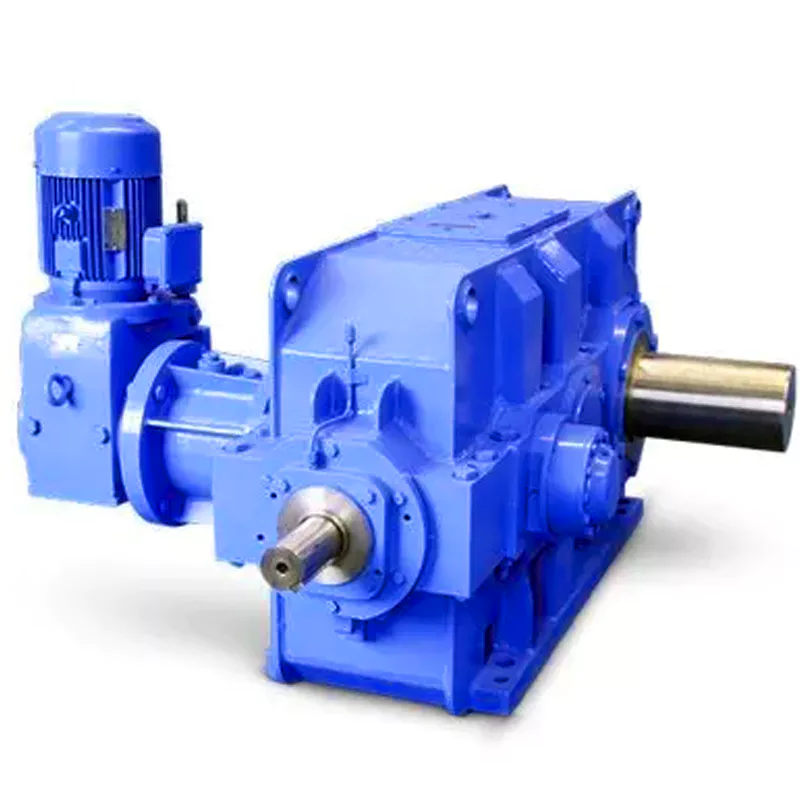
What are the considerations for choosing the appropriate lubrication for gear reducers?
Choosing the appropriate lubrication for gear reducers is crucial for ensuring optimal performance, longevity, and efficiency. Several considerations should be taken into account when selecting the right lubrication:
1. Load and Torque: The magnitude of the load and torque transmitted by the gear reducer affects the lubrication’s viscosity and film strength requirements. Heavier loads may necessitate higher viscosity lubricants.
2. Operating Speed: The speed at which the gear reducer operates impacts the lubrication’s ability to maintain a consistent and protective film between gear surfaces.
3. Temperature Range: Consider the temperature range of the operating environment. Lubricants with suitable viscosity indexes are crucial to maintaining performance under varying temperature conditions.
4. Contaminant Exposure: If the gear reducer is exposed to dust, dirt, water, or other contaminants, the lubrication should have proper sealing properties and resistance to contamination.
5. Lubrication Interval: Determine the desired maintenance interval. Some lubricants require more frequent replacement, while others offer extended operational periods.
6. Compatibility with Materials: Ensure that the chosen lubricant is compatible with the materials used in the gear reducer, including gears, bearings, and seals.
7. Noise and Vibration: Some lubricants have properties that can help reduce noise and dampen vibrations, improving the overall user experience.
8. Environmental Impact: Consider environmental regulations and sustainability goals when selecting lubricants.
9. Manufacturer Recommendations: Follow the manufacturer’s recommendations and guidelines for lubrication type, viscosity grade, and maintenance intervals.
10. Monitoring and Analysis: Implement a lubrication monitoring and analysis program to assess lubricant condition and performance over time.
By carefully evaluating these considerations and consulting with lubrication experts, industries can choose the most suitable lubrication for their gear reducers, ensuring reliable and efficient operation.
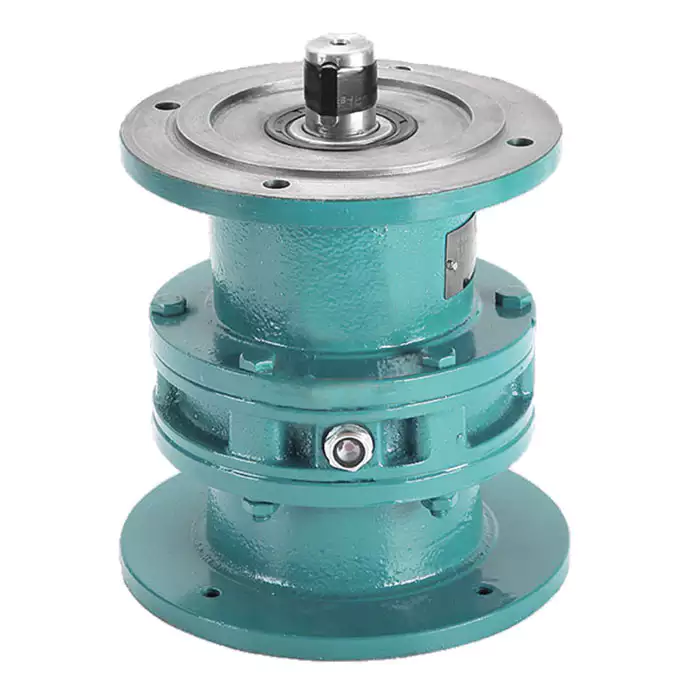
Wie bewältigen Getriebeuntersetzungen Stoßbelastungen und plötzliche Drehmomentänderungen?
Getriebeuntersetzungsgetriebe sind so konstruiert, dass sie Stoßbelastungen und plötzliche Drehmomentänderungen durch verschiedene Mechanismen bewältigen können, die ihre Haltbarkeit und Zuverlässigkeit unter anspruchsvollen Betriebsbedingungen verbessern.
1. Robuste Konstruktion: Getriebe werden aus hochfesten Werkstoffen und mit präzisen Fertigungstechniken hergestellt. Dadurch wird sichergestellt, dass Zahnräder, Lager und andere Bauteile plötzlichen Stößen und hohen Drehmomentschwankungen ohne Verformung oder Ausfall standhalten.
2. Stoßdämpfende Eigenschaften: Manche Getriebekonstruktionen verfügen über stoßdämpfende Merkmale wie flexible Kupplungen, Elastomerelemente oder torsionsflexible Zahnradkonstruktionen. Diese Merkmale tragen dazu bei, die Energie von plötzlichen Stößen oder Drehmomentspitzen zu dämpfen und abzuleiten und so die Belastung des Gesamtsystems zu reduzieren.
3. Drehmomentbegrenzer: Bei Anwendungen mit häufigen Stoßbelastungen können Drehmomentbegrenzer in das Getriebe integriert werden. Diese Vorrichtungen schalten sich automatisch ab oder rutschen durch, sobald ein bestimmter Drehmomentschwellenwert überschritten wird, und verhindern so Schäden an den Zahnrädern und anderen Bauteilen.
4. Überlastschutz: Getriebe können mit Überlastschutzmechanismen wie Scherbolzen oder Drehmomentsensoren ausgestattet sein. Diese Mechanismen erkennen ein zu hohes Drehmoment und schalten den Antrieb vorübergehend ab, sodass das System den Stoß abfangen oder sich an die plötzliche Drehmomentänderung anpassen kann.
5. Richtige Schmierung: Eine ausreichende Schmierung ist unerlässlich, um Stoßbelastungen und plötzliche Drehmomentänderungen abzufangen. Hochwertige Schmierstoffe reduzieren Reibung und Verschleiß und tragen dazu bei, dass das Getriebe dynamischen Kräften standhält und einen reibungslosen Betrieb gewährleistet.
6. Dynamische Lastverteilung: Getriebeuntersetzungsgetriebe verteilen dynamische Lasten auf mehrere Zahnräder und tragen so dazu bei, lokale Spannungsspitzen zu vermeiden. Dadurch wird das Risiko von Zahnbruch und Getriebeschäden bei plötzlichen Drehmomentänderungen minimiert.
Durch die Integration dieser Konstruktionsmerkmale und Mechanismen können Getriebe Stoßbelastungen und plötzliche Drehmomentänderungen effektiv bewältigen und so die Langlebigkeit und Zuverlässigkeit verschiedener industrieller und mechanischer Systeme gewährleisten.
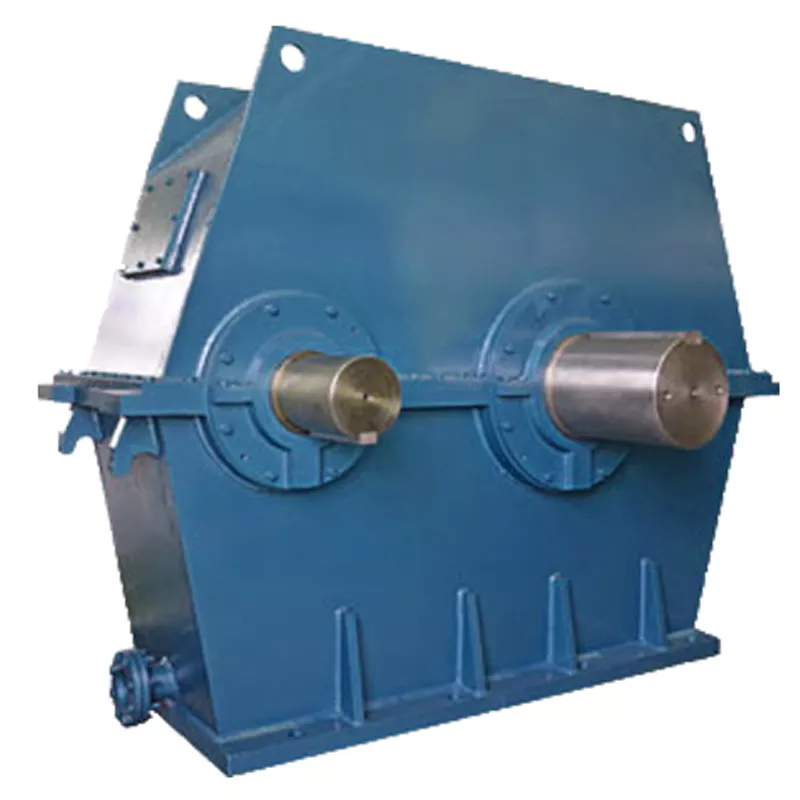
Funktion von Getrieben in mechanischen Systemen
Ein Untersetzungsgetriebe, auch bekannt als Getriebeeinheit oder Getriebegetriebe im engeren Sinne, ist ein mechanisches Gerät, das die Drehzahl einer Eingangswelle reduziert und gleichzeitig deren Drehmoment erhöht. Dies wird durch den Einsatz von ineinandergreifenden Zahnrädern unterschiedlicher Größe erreicht.
Die Hauptfunktion eines Getriebes in mechanischen Systemen ist:
- Geschwindigkeitsreduzierung: Das Untersetzungsgetriebe überträgt die hohe Drehzahl der Eingangswelle über ein Zahnradpaar auf die Ausgangswelle. Die Zahnräder sind so angeordnet, dass das Ausgangszahnrad einen größeren Durchmesser als das Eingangszahnrad aufweist. Dadurch dreht sich die Ausgangswelle mit einer geringeren Drehzahl als die Eingangswelle, erzeugt aber ein höheres Drehmoment.
- Drehmomentsteigerung: Aufgrund des Größenunterschieds zwischen Eingangs- und Ausgangszahnrad ist das auf die Ausgangswelle wirkende Drehmoment größer als das auf die Eingangswelle. Diese Drehmomentverstärkung ermöglicht es dem System, höhere Lasten zu bewältigen und Aufgaben mit höherem Kraftaufwand auszuführen.
Getriebe finden breite Anwendung in verschiedenen Branchen und Bereichen, in denen die Drehzahl- und Drehmomentcharakteristik einer Antriebsquelle an die Anforderungen der angetriebenen Geräte angepasst werden muss. Sie werden beispielsweise in Förderanlagen, Industriemaschinen und Fahrzeugen eingesetzt.


editor by CX 2024-03-04