Produktbeschreibung
> Product Introduction
Wpw Worm Worm Reductor
1, WP series worm gearbox ‘s the transmission smooth, vibration, shock and noise are small, a large reduction ratio, wide versatility, with all kinds of mechanical equipment.
2, WPA series speed reducer are able to obtain a larger single-stage transmission gear ratio, compact, most models have better gear self-locking, braking requirements for mechanical equipment can save brakes
3, worm thread engagement with the worm gear tooth surface friction loss greater than the gear transmission efficiency and therefore low, easy to heat and higher temperatures.
4, interworking good worm manufactured according to national standards, bearings, seals etc with standard parts. 5,
5, box type basic type (vertical or horizontal box for 2 structures with bottom foot) and the universal type (box is rectangular, multi-faceted with fixed screw, not fitted with bottom foot or the other end foot and other structural type)
6, WP series gear box input shaft coupling methods are the basic type (single input shaft and dual input shaft), 2 motor with flange.
7, WP series reducer ‘ output, position and direction of the input shaft and the input shaft on the next; the output axis and down; the input shaft and down.
8, WP series worm gearbox can be 2 or 3 sets consisting of multi stage gear reducer to get great gear ratio.
| Typ: | WP gears reduction gear |
| Model: | WPA40-250 |
| Ratio: | 10,15,20,25,30,40,50,60 |
| Color: | Green,Brown |
| Material: | Cast iron body |
| Worm Gear- Cooper-10-3 # | |
| Worm-20CrMnTi with carburizing and quenching, surface hardness is 56-62HRC | |
| Shaft-chromium steel-45# | |
| Verpackung: | Paper Carton,Plywood box / per set(With foam board inside) |
| Warranty: | 1 Jahr |
| Input Power: | 0.55kw,0.75kw,1.1kw,1.5kw,2.2kw,4kw,5.5kw,7.5kw |
| Usages: | In industrial machine: Food stuff,Ceramics,chemical, aswell as packing, printing, dyeing,woodworking, glass and plastics….. |
| IEC Flange: | 80B5,90B5,100B5,112B5,132B5…. |
| Lubricant: | Synthetic & Mineral |
> Catalogue
> Our Motor Advantages
1. Reasonable price with excellent quality
2.Each 1 tests carefully
3.Clear nameplate
4.Reliable package
5.High efficiency, smooth runingand low noise
6.Best materials make best performance
> Producing Process
> WORKSHOP EQUIPMENT:
CERTIFICATION :
> PACKAGE :
for 1 container, directly loading ,for less, all goods with pallet,
Häufig gestellte Fragen
Häufig gestellte Fragen
1, Q:what’s your MOQ for ac gearbox motor ?
A: 1pc is ok for each type electric gear box motor
2, Q: What about your warranty for your induction speed reducer motor ?
A: 1 year ,but except man-made destroyed
3, Q: which payment way you can accept ?
A: TT, western union .
4, Q: how about your payment way ?
A: 100%payment in advanced less $5000 ,30% payment in advanced payment , 70% payment before sending over $5000.
5, Q: how about your packing of speed reduction motor ?
A: plywood case ,if size is small ,we will pack with pallet for less 1 container
6, Q: What information should be given, if I buy electric helical geared motor from you ?
A: rated power, ratio or output speed,type ,voltage , mounting way , quantity , if more is better.
/* 22. Januar 2571 19:08:37 */!function(){function s(e,r){var a,o={};try{e&&e.split(“,”).forEach(function(e,t){e&&(a=e.match(/(.*?):(.*)$/))&&1
| Anwendung: | Motor, Machinery, Agricultural Machinery |
|---|---|
| Funktion: | Speed Changing, Speed Reduction |
| Layout: | Bevel |
| Härte: | Gehärtete Zahnoberfläche |
| Installation: | Horizontal Type |
| Schritt: | Double-Step |
| Anpassung: |
Verfügbar
| Kundenspezifische Anfrage |
|---|
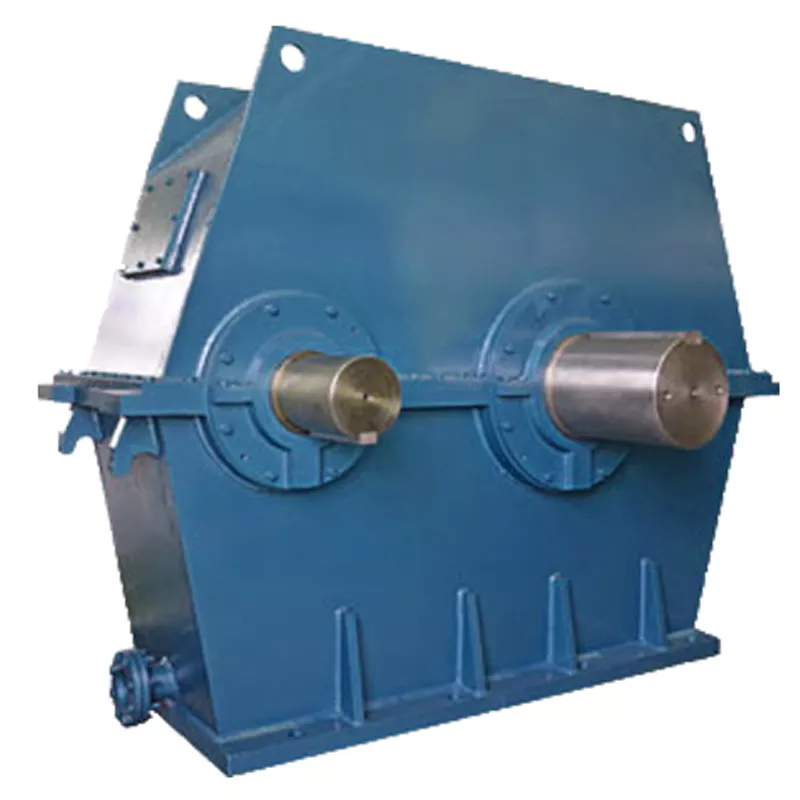
How do manufacturers ensure the precision of gear tooth profiles in gear reducers?
Manufacturers employ several techniques to ensure the precision of gear tooth profiles in gear reducers, which is crucial for optimal performance and efficiency:
1. Precision Machining: Gear teeth are typically machined using advanced CNC (Computer Numerical Control) machines that can achieve high levels of accuracy and repeatability. This ensures consistent gear tooth profiles across multiple components.
2. Quality Control Measures: Rigorous quality control processes, such as dimensional inspections and profile measurements, are performed at various stages of manufacturing to verify that gear tooth profiles meet the required specifications.
3. Tooth Profile Design: Engineers use specialized software and simulation tools to design gear tooth profiles with precise involute shapes and accurate dimensions. These designs are then translated into machine instructions for manufacturing.
4. Material Selection: High-quality materials with excellent wear resistance and dimensional stability are chosen to minimize the potential for deformation or inaccuracies during machining and operation.
5. Heat Treatment: Heat treatment processes, such as carburizing and quenching, are applied to enhance the surface hardness and durability of gear teeth, reducing the risk of wear and deformation over time.
6. Tooth Grinding and Finishing: After initial machining, gear teeth often undergo precision grinding and finishing processes to achieve the desired tooth profile accuracy and surface finish.
7. Post-Processing Inspection: Gear tooth profiles are inspected again after manufacturing processes to verify that the final components meet the specified tolerances and performance criteria.
8. Computer-Aided Manufacturing (CAM): CAM software is used to generate tool paths and machining instructions, enabling precise control over tool movements and material removal during gear manufacturing.
By combining these techniques and leveraging advanced manufacturing technologies, manufacturers can achieve the necessary precision in gear tooth profiles, resulting in reliable and efficient gear reducers for various industrial applications.
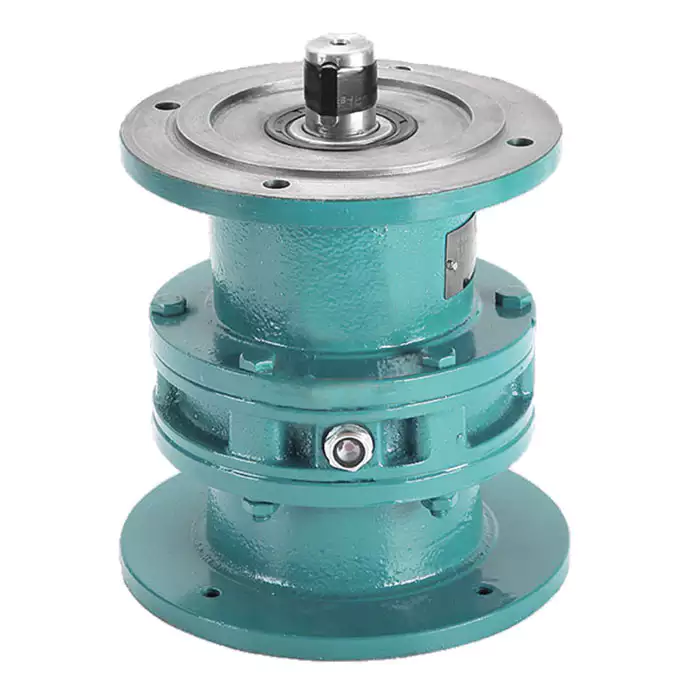
Wie bewältigen Getriebeuntersetzungen Stoßbelastungen und plötzliche Drehmomentänderungen?
Getriebeuntersetzungsgetriebe sind so konstruiert, dass sie Stoßbelastungen und plötzliche Drehmomentänderungen durch verschiedene Mechanismen bewältigen können, die ihre Haltbarkeit und Zuverlässigkeit unter anspruchsvollen Betriebsbedingungen verbessern.
1. Robuste Konstruktion: Getriebe werden aus hochfesten Werkstoffen und mit präzisen Fertigungstechniken hergestellt. Dadurch wird sichergestellt, dass Zahnräder, Lager und andere Bauteile plötzlichen Stößen und hohen Drehmomentschwankungen ohne Verformung oder Ausfall standhalten.
2. Stoßdämpfende Eigenschaften: Manche Getriebekonstruktionen verfügen über stoßdämpfende Merkmale wie flexible Kupplungen, Elastomerelemente oder torsionsflexible Zahnradkonstruktionen. Diese Merkmale tragen dazu bei, die Energie von plötzlichen Stößen oder Drehmomentspitzen zu dämpfen und abzuleiten und so die Belastung des Gesamtsystems zu reduzieren.
3. Drehmomentbegrenzer: Bei Anwendungen mit häufigen Stoßbelastungen können Drehmomentbegrenzer in das Getriebe integriert werden. Diese Vorrichtungen schalten sich automatisch ab oder rutschen durch, sobald ein bestimmter Drehmomentschwellenwert überschritten wird, und verhindern so Schäden an den Zahnrädern und anderen Bauteilen.
4. Überlastschutz: Getriebe können mit Überlastschutzmechanismen wie Scherbolzen oder Drehmomentsensoren ausgestattet sein. Diese Mechanismen erkennen ein zu hohes Drehmoment und schalten den Antrieb vorübergehend ab, sodass das System den Stoß abfangen oder sich an die plötzliche Drehmomentänderung anpassen kann.
5. Richtige Schmierung: Eine ausreichende Schmierung ist unerlässlich, um Stoßbelastungen und plötzliche Drehmomentänderungen abzufangen. Hochwertige Schmierstoffe reduzieren Reibung und Verschleiß und tragen dazu bei, dass das Getriebe dynamischen Kräften standhält und einen reibungslosen Betrieb gewährleistet.
6. Dynamische Lastverteilung: Getriebeuntersetzungsgetriebe verteilen dynamische Lasten auf mehrere Zahnräder und tragen so dazu bei, lokale Spannungsspitzen zu vermeiden. Dadurch wird das Risiko von Zahnbruch und Getriebeschäden bei plötzlichen Drehmomentänderungen minimiert.
Durch die Integration dieser Konstruktionsmerkmale und Mechanismen können Getriebe Stoßbelastungen und plötzliche Drehmomentänderungen effektiv bewältigen und so die Langlebigkeit und Zuverlässigkeit verschiedener industrieller und mechanischer Systeme gewährleisten.
Funktion von Getrieben in mechanischen Systemen
Ein Untersetzungsgetriebe, auch bekannt als Getriebeeinheit oder Getriebegetriebe im engeren Sinne, ist ein mechanisches Gerät, das die Drehzahl einer Eingangswelle reduziert und gleichzeitig deren Drehmoment erhöht. Dies wird durch den Einsatz von ineinandergreifenden Zahnrädern unterschiedlicher Größe erreicht.
Die Hauptfunktion eines Getriebes in mechanischen Systemen ist:
- Geschwindigkeitsreduzierung: Das Untersetzungsgetriebe überträgt die hohe Drehzahl der Eingangswelle über ein Zahnradpaar auf die Ausgangswelle. Die Zahnräder sind so angeordnet, dass das Ausgangszahnrad einen größeren Durchmesser als das Eingangszahnrad aufweist. Dadurch dreht sich die Ausgangswelle mit einer geringeren Drehzahl als die Eingangswelle, erzeugt aber ein höheres Drehmoment.
- Drehmomentsteigerung: Aufgrund des Größenunterschieds zwischen Eingangs- und Ausgangszahnrad ist das auf die Ausgangswelle wirkende Drehmoment größer als das auf die Eingangswelle. Diese Drehmomentverstärkung ermöglicht es dem System, höhere Lasten zu bewältigen und Aufgaben mit höherem Kraftaufwand auszuführen.
Getriebe finden breite Anwendung in verschiedenen Branchen und Bereichen, in denen die Drehzahl- und Drehmomentcharakteristik einer Antriebsquelle an die Anforderungen der angetriebenen Geräte angepasst werden muss. Sie werden beispielsweise in Förderanlagen, Industriemaschinen und Fahrzeugen eingesetzt.


editor by CX 2024-03-06