Produktbeschreibung
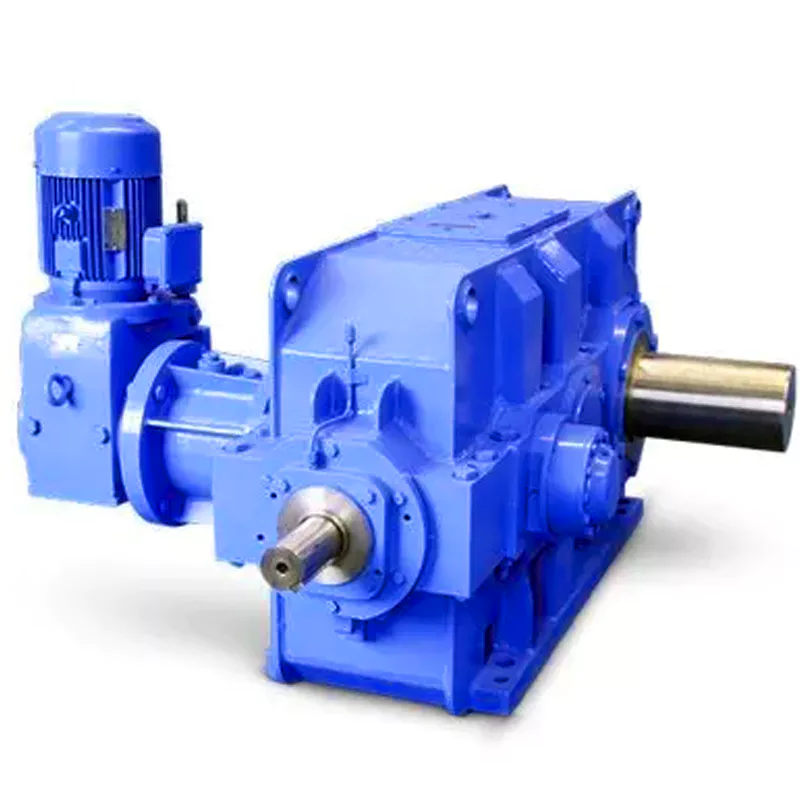
ZSY series hardened cylindrical gear reducer
Description:
ZSY series Hardened cylinder gear reducer is in accordance with the the PRC Professional Standards (JB/T8853-1 999) production, the main products is ZDY (single-stage), ZSY (three) 3 series for metallurgy , mining, transportation, cement, construction, chemical, textile, light industry, energy and other sectors of mechanical transmission.
ZSY series hardened cylindrical gear reducer Speed reducer shaft speed n1, ≤ 1 500r/min.Reducer working environment temperature -40 ~ 45 °C. Below 0 °C, the oil should be preheated before starting.
ZSY Reducer main work characteristics:
(1) gear with high strength carbon steel hardened by carburizing made tooth surface hardness of P {RC54 ~ 62
(2) gears grinding process, high precision and good contacts
(3) high carrying capacity, than the soft old tooth surface reducer carrying capacity increased sevenfold
(4) high transmission efficiency, single-stage up to 98%, 96% two, 3 up to 94%
(5) long life.
Technical data:
Gearing Arrangement: Bevel / Miter
Output Torque: 450~130000N.m
Rated Power: 5~6666KW
Input Speed: 750~1500r/min
Output Speed: 134~1200r/min
Scope is as follows:
1, ZSY series hardened cylinder gear reducer shaft revolution speed of not more than 1500 r/ min .
2 , the gear transmission peripheral speed of not more than 20 m / sec .
3, the working environment temperature -40-45 °C, if less than 0 °C, before the start of oil should be preheated to above 0 °C , the gear unit can be used for both positive and negative direction.
Product Features:
1,A gear made of high strength carbon steel hardened by carburizing made tooth surface hardness of HRC58-62, gears are used CNC grinding process , high precision, good contact .
2, the transmission rate is high : more than 96.5% single-stage , two-stage greater than 93% , 3 more than 90% .
3 , smooth operation, low noise.
4, small size , light weight , long life , high carrying capacity .
5 , easy dismantling and easy to install .
Packing & Delivery:
About us:
HangZhou CHINAMFG machinery technology Co., Ltd is an industry transmission solutions manufacuturer and service provider.
We offer 1 stop solution for power transmission products for different factories, such as chemicals, energy, material handling, environmental, extraction, pulp and paper, steel and metal, food and beverage, and construction industries.
We supply: Customised gears, Small gearmotors, Industrial gearboxes, Motors, Brand product sourcing.
We offer renowned brand sourcing serivice for customers, such as Flender, SEW, ABB, Siemens, HYDAC, Parker, etc.
Our industrial Gear, Gearbox, gearmotor and motor are sold to more than 30 countries. High quality, good price, in time response and sincere service are our value and promises. We aim at making happy cooperation with our customers, bring them reliable and comfortable service.
| Anwendung: | Industry |
|---|---|
| Härte: | Gehärtete Zahnoberfläche |
| Installation: | Horizontal Type |
| Layout: | Koaxial |
| Zahnradform: | Bevel Gear |
| Schritt: | Three-Step |
| Anpassung: |
Verfügbar
| Kundenspezifische Anfrage |
|---|
What are the considerations for choosing the appropriate lubrication for gear reducers?
Choosing the appropriate lubrication for gear reducers is crucial for ensuring optimal performance, longevity, and efficiency. Several considerations should be taken into account when selecting the right lubrication:
1. Load and Torque: The magnitude of the load and torque transmitted by the gear reducer affects the lubrication’s viscosity and film strength requirements. Heavier loads may necessitate higher viscosity lubricants.
2. Operating Speed: The speed at which the gear reducer operates impacts the lubrication’s ability to maintain a consistent and protective film between gear surfaces.
3. Temperature Range: Consider the temperature range of the operating environment. Lubricants with suitable viscosity indexes are crucial to maintaining performance under varying temperature conditions.
4. Contaminant Exposure: If the gear reducer is exposed to dust, dirt, water, or other contaminants, the lubrication should have proper sealing properties and resistance to contamination.
5. Lubrication Interval: Determine the desired maintenance interval. Some lubricants require more frequent replacement, while others offer extended operational periods.
6. Compatibility with Materials: Ensure that the chosen lubricant is compatible with the materials used in the gear reducer, including gears, bearings, and seals.
7. Noise and Vibration: Some lubricants have properties that can help reduce noise and dampen vibrations, improving the overall user experience.
8. Environmental Impact: Consider environmental regulations and sustainability goals when selecting lubricants.
9. Manufacturer Recommendations: Follow the manufacturer’s recommendations and guidelines for lubrication type, viscosity grade, and maintenance intervals.
10. Monitoring and Analysis: Implement a lubrication monitoring and analysis program to assess lubricant condition and performance over time.
By carefully evaluating these considerations and consulting with lubrication experts, industries can choose the most suitable lubrication for their gear reducers, ensuring reliable and efficient operation.
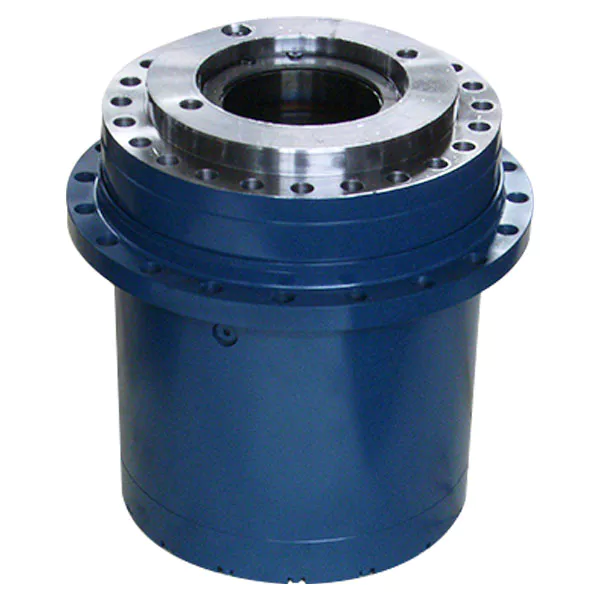
How do gear reducers ensure efficient power transmission and motion control?
Gear reducers play a vital role in ensuring efficient power transmission and precise motion control in various industrial applications. They achieve this through the following mechanisms:
- 1. Speed Reduction/Increase: Gear reducers allow you to adjust the speed between the input and output shafts. Speed reduction is essential when the output speed needs to be lower than the input speed, while speed increase is used when the opposite is required.
- 2. Drehmomentverstärkung: By altering the gear ratio, gear reducers can amplify torque from the input to the output shaft. This enables machinery to handle higher loads and provide the necessary force for various tasks.
- 3. Gear Train Efficiency: Well-designed gear trains within reducers minimize power losses during transmission. Helical and spur gears, for example, offer high efficiency by distributing load and reducing friction.
- 4. Precision Motion Control: Gear reducers provide precise control over rotational motion. This is crucial in applications where accurate positioning, synchronization, or timing is required, such as in robotics, CNC machines, and conveyor systems.
- 5. Backlash Reduction: Some gear reducers are designed to minimize backlash, which is the play between gear teeth. This reduction in play ensures smoother operation, improved accuracy, and better control.
- 6. Load Distribution: Gear reducers distribute the load evenly among multiple gear teeth, reducing wear and extending the lifespan of the components.
- 7. Shock Absorption: In applications where sudden starts, stops, or changes in direction occur, gear reducers help absorb and dampen shocks, protecting the machinery and ensuring reliable operation.
- 8. Compact Design: Gear reducers provide a compact solution for achieving specific speed and torque requirements, allowing for space-saving integration into machinery.
By combining these principles, gear reducers facilitate the efficient and controlled transfer of power, enabling machinery to perform tasks accurately, reliably, and with the required force, making them essential components in a wide range of industries.
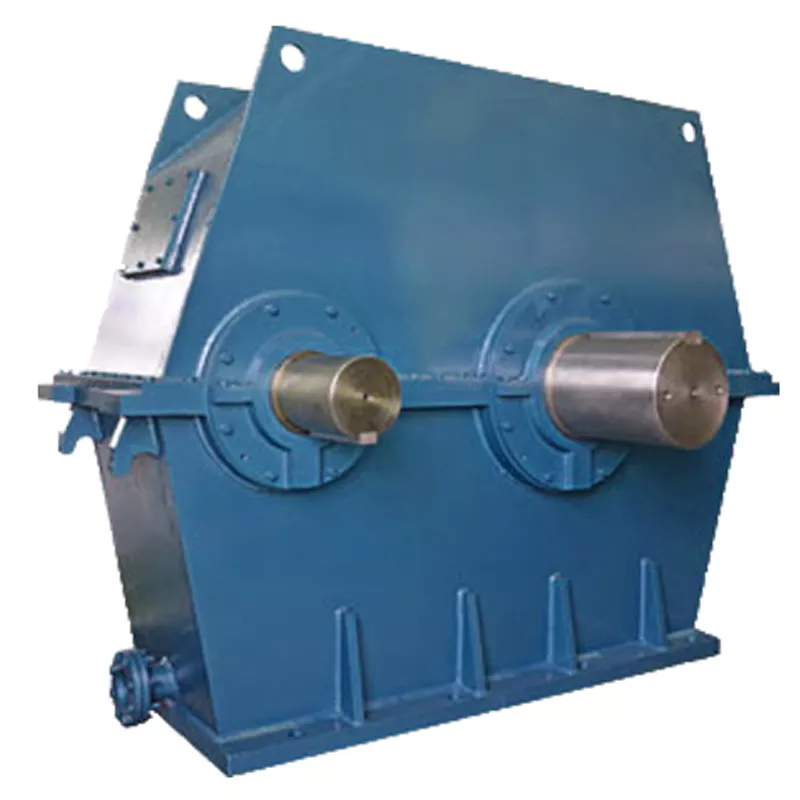
Funktion von Getrieben in mechanischen Systemen
Ein Untersetzungsgetriebe, auch bekannt als Getriebeeinheit oder Getriebegetriebe im engeren Sinne, ist ein mechanisches Gerät, das die Drehzahl einer Eingangswelle reduziert und gleichzeitig deren Drehmoment erhöht. Dies wird durch den Einsatz von ineinandergreifenden Zahnrädern unterschiedlicher Größe erreicht.
Die Hauptfunktion eines Getriebes in mechanischen Systemen ist:
- Geschwindigkeitsreduzierung: Das Untersetzungsgetriebe überträgt die hohe Drehzahl der Eingangswelle über ein Zahnradpaar auf die Ausgangswelle. Die Zahnräder sind so angeordnet, dass das Ausgangszahnrad einen größeren Durchmesser als das Eingangszahnrad aufweist. Dadurch dreht sich die Ausgangswelle mit einer geringeren Drehzahl als die Eingangswelle, erzeugt aber ein höheres Drehmoment.
- Drehmomentsteigerung: Aufgrund des Größenunterschieds zwischen Eingangs- und Ausgangszahnrad ist das auf die Ausgangswelle wirkende Drehmoment größer als das auf die Eingangswelle. Diese Drehmomentverstärkung ermöglicht es dem System, höhere Lasten zu bewältigen und Aufgaben mit höherem Kraftaufwand auszuführen.
Getriebe finden breite Anwendung in verschiedenen Branchen und Bereichen, in denen die Drehzahl- und Drehmomentcharakteristik einer Antriebsquelle an die Anforderungen der angetriebenen Geräte angepasst werden muss. Sie werden beispielsweise in Förderanlagen, Industriemaschinen und Fahrzeugen eingesetzt.


editor by CX 2023-11-29