Produktbeschreibung
Poultry Farm Pig Livestock Equipment Chicken Automatic Feeding Husbandry Auger Machine Motor Gear Manufacturer Speed Reducer
Produktbeschreibung
In a poultry farm feeding system, the main product includes: Gear reducer / Electric motor / Feeder disk chain / Corner / Drive unit / Feeds hopper / Loading hopper / Transfer box / Dispenser /Master control system / Auger, and Auger accessories.
Features of gear reducer:
1. Light in weight and non-rusting
2. Smooth in running, can work a long time in dreadful conditions
3. High efficiency, low noise, specially designed for poultry farm feeding system
4. Good-looking in appearance, durable in service life, and small in volume
Produktparameter
| Type | Motor Gear Reducer for Poultry Farm Feeding Machine Equipment System |
| Modell | PU01 PX01 |
| Power | 0.25kw ~ 1.5kw |
| Eingangsgeschwindigkeit | 750rpm ~ 3000rpm |
| Reduction ratio | 1/1.58 ~ 1/8.57 |
| Input motor | AC (1 phase or 3 phase) |
| Output type | Solid shaft / Square flange / Round flange… |
| Material of housing | Cast iron |
Detailed Photos
Accessories
Typical applications
Workshop
Certifications
Häufig gestellte Fragen
Q: Can you make the motor gear reducer with customization?
A: Yes, we can customize per your request, like power, voltage, speed, shaft size, flange size, etc.
Q: Do you provide samples?
A: Yes. A sample is available for testing.
Q: What’s your lead time?
A: Standard products need 5-30 days, a bit longer for customized products.
Q: Do you provide technical support?
A: Yes. Our company has a design and development team, we can provide technical support if you
need.
Q: How to ship to us?
A: It is available by air, by sea, or by train.
Q: How to pay the money?
A: T/T and L/C are preferred, with different currencies, including USD, EUR, RMB, etc.
Q: How can I know if the product is suitable for me?
A: >1ST confirm drawing and specification >2nd test sample >3rd start mass production.
Q: Can I come to your company to visit?
A: Yes, you are welcome to visit us at any time.
Q: How shall we contact you?
A: You can send an inquiry directly, and we will respond within 24 hours. /* January 22, 2571 19:08:37 */!function(){function s(e,r){var a,o={};try{e&&e.split(“,”).forEach(function(e,t){e&&(a=e.match(/(.*?):(.*)$/))&&1
| Anwendung: | Motor, Machinery, Agricultural Machinery, Poultry Farm Feeding |
|---|---|
| Härte: | Gehärtete Zahnoberfläche |
| Installation: | Horizontal Type |
| Proben: |
US$ 100/Piece
1 Stück (Mindestbestellmenge) | Order Sample Blue or grey
|
|---|
| Anpassung: |
Verfügbar
| Kundenspezifische Anfrage |
|---|
.shipping-cost-tm .tm-status-off{background: none;padding:0;color: #1470cc}
|
Versandkosten:
Geschätzte Frachtkosten pro Einheit. |
über Versandkosten und voraussichtliche Lieferzeit. |
|---|
| Zahlungsmethode: |
|
|---|---|
|
Erste Zahlung Vollständige Zahlung |
| Währung: | US$ |
|---|
| Rückgabe & Erstattung: | Sie können bis zu 30 Tage nach Erhalt der Produkte eine Rückerstattung beantragen. |
|---|
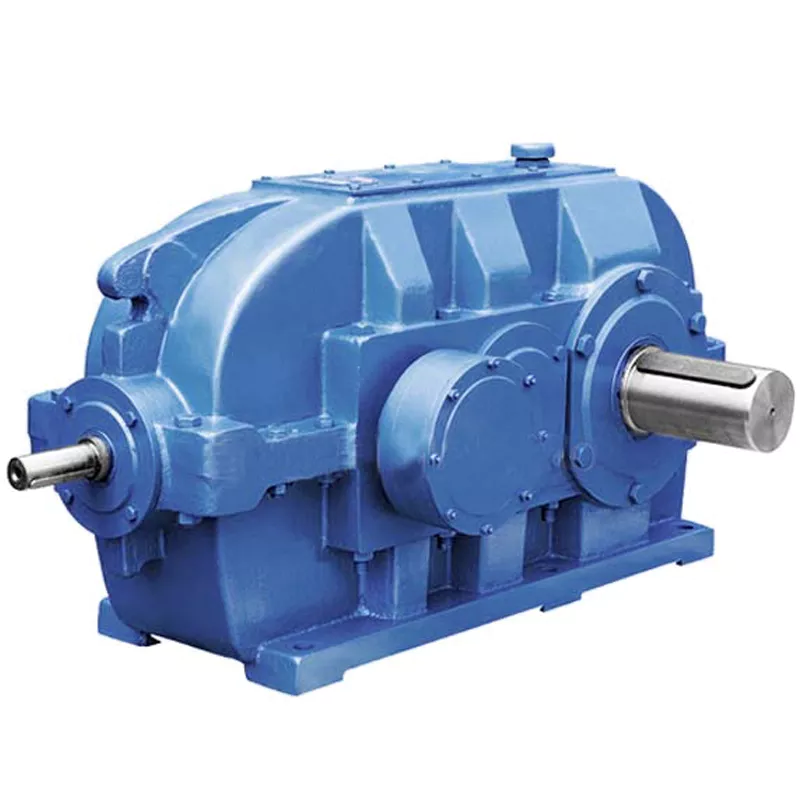
Wie verbessern Getriebe die Effizienz von Fördersystemen und Robotern?
Getriebe spielen eine wichtige Rolle bei der Effizienzsteigerung von Förderanlagen und Robotern, indem sie Geschwindigkeit, Drehmoment und Steuerung optimieren. So tragen sie dazu bei:
Fördersysteme:
In Förderanlagen verbessern Getriebe die Effizienz auf folgende Weise:
- Geschwindigkeitsregelung: Getriebeuntersetzungsgetriebe ermöglichen eine präzise Steuerung der Drehzahl von Förderbändern und gewährleisten so, dass die Materialien mit der gewünschten Geschwindigkeit transportiert werden, um effiziente Produktionsprozesse zu ermöglichen.
- Drehmomenteinstellung: Durch die Anpassung der Übersetzungsverhältnisse liefern Getriebe das notwendige Drehmoment, um unterschiedliche Lasten zu bewältigen und eine Überlastung zu verhindern, wodurch Energieverschwendung minimiert wird.
- Umgekehrte Funktionsweise: Getriebeuntersetzungsgetriebe ermöglichen eine reibungslose bidirektionale Bewegung von Förderbändern und erleichtern so Aufgaben wie Be- und Entladen sowie die Verteilung, ohne dass zusätzliche Komponenten erforderlich sind.
- Synchronisation: Getriebeuntersetzungsgetriebe gewährleisten die synchronisierte Bewegung mehrerer Förderbänder in komplexen Systemen, optimieren den Materialfluss und minimieren Staus oder Engpässe.
Robotik:
In der Robotik steigern Getriebe die Effizienz auf folgende Weise:
- Präzisionswerk: Getriebeuntersetzungsgetriebe ermöglichen eine präzise Steuerung der Bewegung von Robotergelenken und -armen und somit eine genaue Positionierung und Manipulation von Objekten.
- Reduzierte Trägheit: Getriebeuntersetzungsgetriebe tragen dazu bei, die Trägheit der Roboterkomponenten zu verringern und ermöglichen so schnellere und reaktionsschnellere Bewegungen bei gleichzeitiger Energieeinsparung.
- Kompaktes Design: Getriebeuntersetzungsgetriebe bieten eine kompakte und leichte Lösung zur Realisierung verschiedener Bewegungsprofile in Robotersystemen und ermöglichen so eine effiziente Nutzung von Platz und Ressourcen.
- Drehmomentverstärkung: Durch die Verstärkung des Drehmoments des Motors ermöglichen Getriebe den Robotern, schwerere Lasten zu bewältigen und Aufgaben auszuführen, die mehr Kraft erfordern, wodurch ihre Gesamtleistungsfähigkeit gesteigert wird.
Durch die Bereitstellung präziser Drehzahlregelung, Drehmomentanpassung und zuverlässiger Bewegungsübertragung optimieren Getriebe die Leistung von Fördersystemen und Robotern, was zu verbesserter Effizienz, reduziertem Energieverbrauch und erweiterten Betriebsfähigkeiten führt.
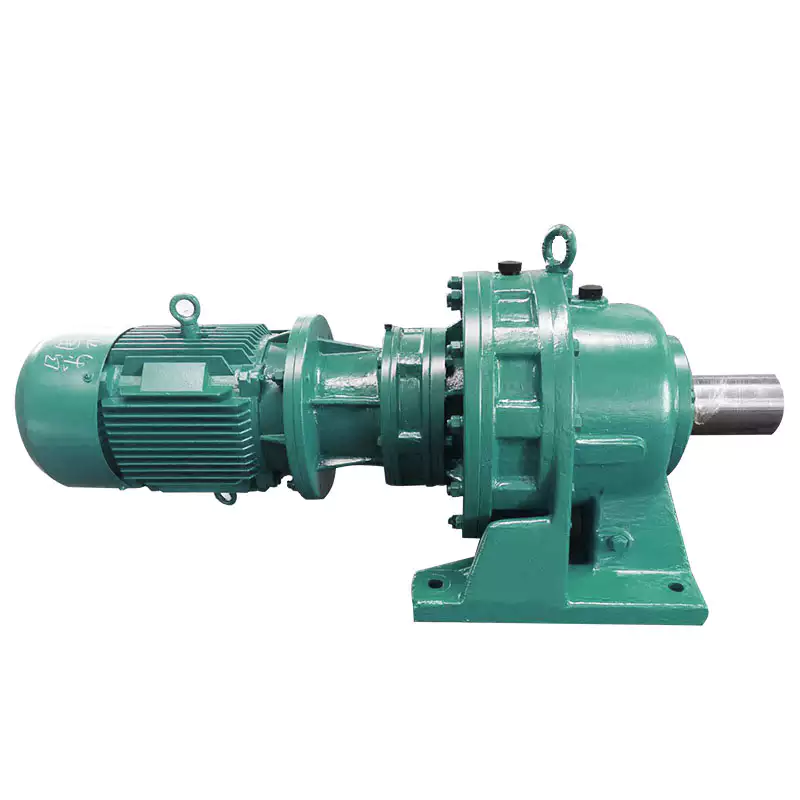
What role do gear ratios play in optimizing the performance of gear reducers?
Gear ratios play a crucial role in optimizing the performance of gear reducers by determining the relationship between input and output speeds and torques. A gear ratio is the ratio of the number of teeth between two meshing gears, and it directly influences the mechanical advantage and efficiency of the gear reducer.
1. Speed and Torque Conversion: Gear ratios allow gear reducers to convert rotational speed and torque according to the needs of a specific application. By selecting appropriate gear ratios, gear reducers can either reduce speed while increasing torque (speed reduction) or increase speed while decreasing torque (speed increase).
2. Mechanical Advantage: Gear reducers leverage gear ratios to provide mechanical advantage. In speed reduction configurations, a higher gear ratio results in a greater mechanical advantage, allowing the output shaft to deliver higher torque at a lower speed. This is beneficial for applications requiring increased force or torque, such as heavy machinery or conveyor systems.
3. Effizienz: Optimal gear ratios contribute to higher efficiency in gear reducers. By distributing the load across multiple gear teeth, gear reducers with suitable gear ratios minimize stress and wear on individual gear teeth, leading to improved overall efficiency and prolonged lifespan.
4. Speed Matching: Gear ratios enable gear reducers to match the rotational speeds of input and output shafts. This is crucial in applications where precise speed synchronization is required, such as in conveyors, robotics, and manufacturing processes.
When selecting gear ratios for a gear reducer, it’s important to consider the specific requirements of the application, including desired speed, torque, efficiency, and mechanical advantage. Properly chosen gear ratios enhance the overall performance and reliability of gear reducers in a wide range of industrial and mechanical systems.
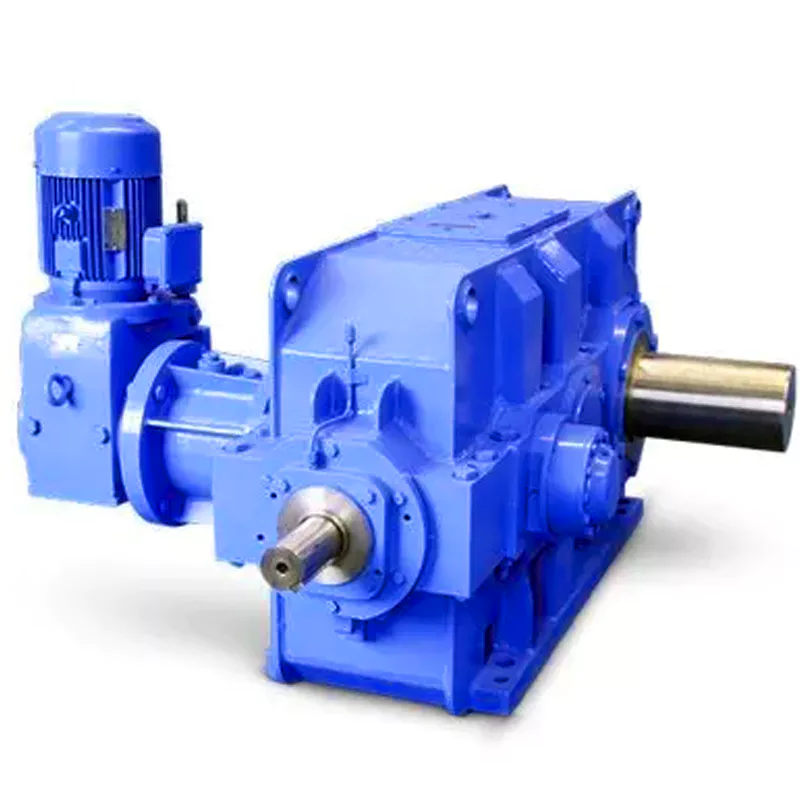
What are the benefits of using a gear reducer in industrial applications?
Gear reducers offer several benefits that make them indispensable in various industrial applications:
1. Speed Reduction: Gear reducers allow the reduction of high-speed input from motors or engines to lower, more usable output speeds for specific applications, ensuring proper equipment operation and safety.
2. Torque Increase: By leveraging the mechanical advantage of gear ratios, gear reducers can significantly increase torque output, enabling the handling of heavy loads and providing the necessary power for tasks such as lifting, conveying, and processing.
3. Precise Control: Gear reducers enable fine-tuning of rotational speed and torque, providing precise control over machinery and processes, which is crucial in industries like manufacturing, material handling, and robotics.
4. Shock Load Absorption: Gear reducers can absorb and dampen sudden shocks or changes in load, protecting both the machinery and connected components from abrupt forces that could otherwise lead to damage.
5. Versatility: With various gear types (e.g., spur, helical, worm) and designs, gear reducers can be tailored to different applications, including those requiring specific speed ratios, torque ranges, and environmental conditions.
6. Efficient Power Transmission: Gear reducers offer high mechanical efficiency, minimizing energy loss during power transmission, which is especially valuable in energy-conscious industries.
7. Compact Design: Gear reducers provide a compact solution for transmitting power and adjusting speeds, making them suitable for installations with space constraints.
8. Reliability and Longevity: Well-designed and properly maintained gear reducers can offer extended service life, contributing to reduced downtime and maintenance costs.
Overall, gear reducers enhance the performance, efficiency, and reliability of industrial equipment, making them essential components in a wide range of applications across various industries.


editor by CX 2024-04-30