Περιγραφή προϊόντος
Περιγραφή προϊόντος
WP series worm gear reducer
1. Stable transmission.
2. High torque, Strong bearing capacity.
3. Large transmission ratio and wide power.
4. Good redistance to wearing,with high precision in dimensions, lower noise.
| WP series worm gear reducer | |
| WPA/WPS/WPO/WPX/WPZ/WPW/WPZ | |
| Μοντέλο | 040~250 |
| Αναλογία | Single stage: 5~60 |
| double stage: 200~900 | |
| Input Power | Single stage: 0.12~33.20kW |
| double stage:0.12~11.71kW | |
| Output Torque | Single stage: 6~6050N.m |
| double stage: 63~6050 N.m | |
|
Υλικό: |
Housing: Die-Cast Iron cast |
|
Worm Gear-Copper-10-3# |
|
|
Worm-20CrMn Ti with carburizing and quenching, surface harness is 56-62HRC |
|
|
Shaft-chromium steel-45# |
|
| Lubricate oil | Synthetic oil |
| Paint brand and color | Blue/Silver/Grey or on request |
| Warranty | 12 months |
Λεπτομερείς φωτογραφίες
Single speed reducer
Double speed reducer
Catalogue
Workshop
Lots of worm gears and worm shafts in stock.
Assembling line
Cleaning+Painting+ drying after assembling
Final finished reducers
Συσκευασία & Αποστολή
Each reducer in single carton box packed.
Συχνές ερωτήσεις
Ε1: Είστε εμπορική εταιρεία ή κατασκευαστής;
Α: Είμαστε εργοστάσιο.
Ε2: Πόσο καιρό είναι ο χρόνος παράδοσης και η αποστολή σας;
1.Sample Lead-times: 10-20 days.
2.Production Lead-times: 30-45 days after order confirmed.
Q3: What is your advantages?
1. The most competitive price and good quality.
2. Οι τέλειοι τεχνικοί μηχανικοί σας δίνουν την καλύτερη υποστήριξη.
3. Ο cOem είναι διαθέσιμος.
| Εφαρμογή: | Motor, Motorcycle, Machinery, Toy, Agricultural Machinery |
|---|---|
| Σκληρότητα: | Σκληρυμένη επιφάνεια δοντιού |
| Εγκατάσταση: | Κάθετος τύπος |
| Σχέδιο: | Coaxial |
| Gear Shape: | Worm Gear |
| Type: | Worm Reducer |
| Προσαρμογή: |
Διαθέσιμος
| Προσαρμοσμένο Αίτημα |
|---|
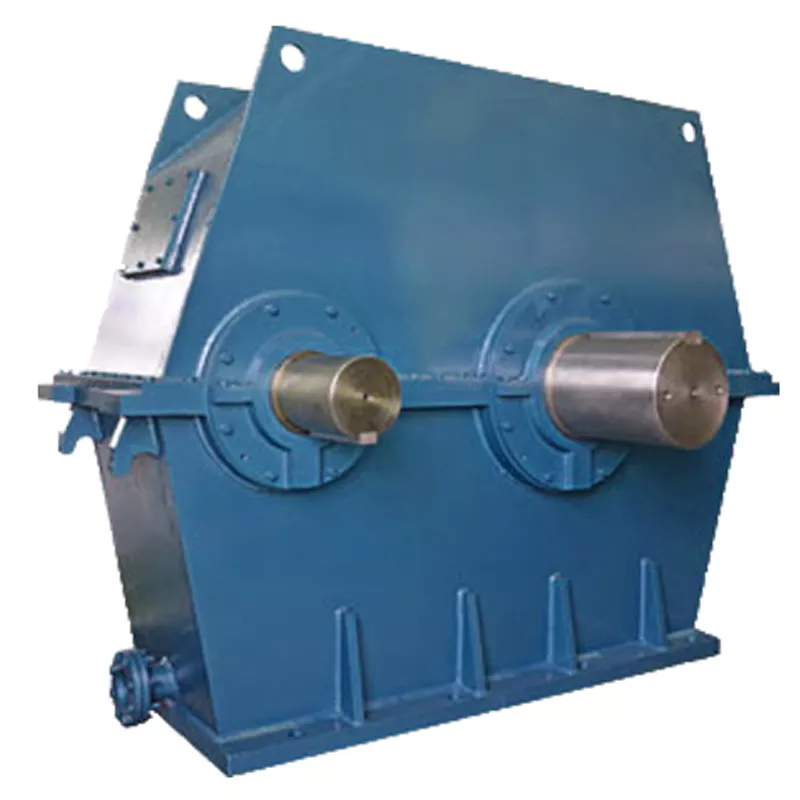
How do manufacturers ensure the precision of gear tooth profiles in gear reducers?
Manufacturers employ several techniques to ensure the precision of gear tooth profiles in gear reducers, which is crucial for optimal performance and efficiency:
1. Precision Machining: Gear teeth are typically machined using advanced CNC (Computer Numerical Control) machines that can achieve high levels of accuracy and repeatability. This ensures consistent gear tooth profiles across multiple components.
2. Quality Control Measures: Rigorous quality control processes, such as dimensional inspections and profile measurements, are performed at various stages of manufacturing to verify that gear tooth profiles meet the required specifications.
3. Tooth Profile Design: Engineers use specialized software and simulation tools to design gear tooth profiles with precise involute shapes and accurate dimensions. These designs are then translated into machine instructions for manufacturing.
4. Material Selection: High-quality materials with excellent wear resistance and dimensional stability are chosen to minimize the potential for deformation or inaccuracies during machining and operation.
5. Heat Treatment: Heat treatment processes, such as carburizing and quenching, are applied to enhance the surface hardness and durability of gear teeth, reducing the risk of wear and deformation over time.
6. Tooth Grinding and Finishing: After initial machining, gear teeth often undergo precision grinding and finishing processes to achieve the desired tooth profile accuracy and surface finish.
7. Post-Processing Inspection: Gear tooth profiles are inspected again after manufacturing processes to verify that the final components meet the specified tolerances and performance criteria.
8. Computer-Aided Manufacturing (CAM): CAM software is used to generate tool paths and machining instructions, enabling precise control over tool movements and material removal during gear manufacturing.
By combining these techniques and leveraging advanced manufacturing technologies, manufacturers can achieve the necessary precision in gear tooth profiles, resulting in reliable and efficient gear reducers for various industrial applications.
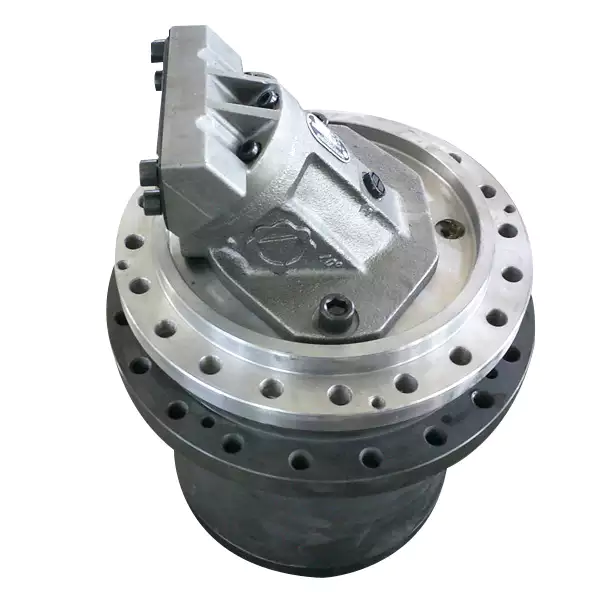
What factors should be considered when selecting the right gear reducer?
Choosing the appropriate gear reducer involves considering several crucial factors to ensure optimal performance and efficiency for your specific application:
- 1. Torque and Power Requirements: Determine the amount of torque and power your machinery needs for its operation.
- 2. Speed Ratio: Calculate the required speed reduction or increase to match the input and output speeds.
- 3. Gear Type: Select the appropriate gear type (helical, bevel, worm, planetary, etc.) based on your application’s torque, precision, and efficiency requirements.
- 4. Mounting Options: Consider the available space and the mounting configuration that suits your machinery.
- 5. Environmental Conditions: Evaluate factors such as temperature, humidity, dust, and corrosive elements that may impact the gear reducer’s performance.
- 6. Efficiency: Assess the gear reducer’s efficiency to minimize power losses and improve overall system performance.
- 7. Backlash: Consider the acceptable level of backlash or play between gear teeth, which can affect precision.
- 8. Maintenance Requirements: Determine the maintenance intervals and procedures necessary for reliable operation.
- 9. Noise and Vibration: Evaluate noise and vibration levels to ensure they meet your machinery’s requirements.
- 10. Cost: Compare the initial cost and long-term value of different gear reducer options.
By carefully assessing these factors and consulting with gear reducer manufacturers, engineers and industry professionals can make informed decisions to select the right gear reducer for their specific application, optimizing performance, longevity, and cost-effectiveness.
Λειτουργία των μειωτήρων ταχυτήτων σε μηχανικά συστήματα
Ένας μειωτήρας ταχυτήτων, επίσης γνωστός ως μονάδα μείωσης ταχυτήτων ή κιβώτιο ταχυτήτων, είναι μια μηχανική συσκευή που έχει σχεδιαστεί για να μειώνει την ταχύτητα ενός άξονα εισόδου ενώ αυξάνει την απόδοση ροπής. Αυτό επιτυγχάνεται μέσω της χρήσης ενός σετ αλληλοσυνδεόμενων γραναζιών διαφορετικών μεγεθών.
Η κύρια λειτουργία ενός μειωτήρα ταχυτήτων σε μηχανικά συστήματα είναι:
- Μείωση ταχύτητας: Ο μειωτήρας ταχυτήτων λαμβάνει την περιστροφή υψηλής ταχύτητας του άξονα εισόδου και τη μεταδίδει στον άξονα εξόδου μέσω ενός σετ γραναζιών. Τα γρανάζια είναι διαμορφωμένα με τέτοιο τρόπο ώστε ο οδοντωτός τροχός εξόδου να έχει μεγαλύτερη διάμετρο από τον οδοντωτό τροχό εισόδου. Ως αποτέλεσμα, ο άξονας εξόδου περιστρέφεται με χαμηλότερη ταχύτητα από τον άξονα εισόδου, αλλά με αυξημένη ροπή.
- Αύξηση ροπής: Λόγω της διαφοράς μεγέθους μεταξύ των γραναζιών εισόδου και εξόδου, η ροπή που ασκείται στον άξονα εξόδου είναι μεγαλύτερη από αυτή του άξονα εισόδου. Αυτός ο πολλαπλασιασμός ροπής επιτρέπει στο σύστημα να χειρίζεται βαρύτερα φορτία και να εκτελεί εργασίες που απαιτούν μεγαλύτερη δύναμη.
Οι μειωτήρες ταχυτήτων χρησιμοποιούνται ευρέως σε διάφορες βιομηχανίες και εφαρμογές όπου είναι απαραίτητο να προσαρμοστούν τα χαρακτηριστικά ταχύτητας και ροπής μιας πηγής ενέργειας ώστε να ανταποκρίνονται στις απαιτήσεις του κινούμενου εξοπλισμού. Μπορούν να βρεθούν σε μηχανήματα όπως συστήματα μεταφορικών ταινιών, βιομηχανικά μηχανήματα, οχήματα και άλλα.


editor by CX 2023-09-14