Περιγραφή προϊόντος
Low Speed High Torque Cycloidal Pin Wheel Gear Factory Sell Speed Reducer
Model:10CBX-RVC
More Code And Specification:
| E series | C series | ||||
| Code | Outline dimension | General model | Code | Outline dimension | The original code |
| 120 | Φ122 | 6E | 10C | Φ145 | 150 |
| 150 | Φ145 | 20E | 27C | Φ181 | 180 |
| 190 | Φ190 | 40E | 50C | Φ222 | 220 |
| 220 | Φ222 | 80E | 100C | Φ250 | 250 |
| 250 | Φ244 | 110E | 200C | Φ345 | 350 |
| 280 | Φ280 | 160E | 320C | Φ440 | 440 |
| 320 | Φ325 | 320E | 500C | Φ520 | 520 |
| 370 | Φ370 | 450E | |||
Gear ratio And Specification
| E Series | C Series | ||
| Code | Αναλογία Μείωσης | New code | Monomer reduction ratio |
| 120 | 43,53.5,59,79,103 | 10CBX | 27.00 |
| 150 | 81,105,121,141,161 | 27CBX | 36.57 |
| 190 | 81,105,121,153 | 50CBX | 32.54 |
| 220 | 81,101,121,153 | 100CBX | 36.75 |
| 250 | 81,111,161,175.28 | 200CBX | 34.86 |
| 280 | 81,101,129,145,171 | 320CBX | 35.61 |
| 320 | 81,101,118.5,129,141,171,185 | 500CBX | 37.34 |
| 370 | 81,101,118.5,129,154.8,171,192.4 | ||
| Note 1: E series,such as by the shell(pin shell)output,the corresponding reduction ratio by 1 | |||
| Note 2: C series gear ratio refers to the motor installed in the casing of the reduction ratio,if installed on the output flange side,the corresponding reduction ratio by 1 | |||
Reducer type code
REV: main bearing built-in E type
RVC: hollow type
REA: with input flange E type
RCA: with input flange hollow type
Εφαρμογή:
Company Information
Συχνές ερωτήσεις
Q: What’re your main products?
A: We currently produce Brushed Dc Motors, Brushed Dc Gear Motors, Planetary Dc Gear Motors, Brushless Dc Motors, Stepper motors, Ac Motors and High Precision Planetary Gear Box etc. You can check the specifications for above motors on our website and you can email us to recommend needed motors per your specification too.
Q: How to select a suitable motor?
A:If you have motor pictures or drawings to show us, or you have detailed specs like voltage, speed, torque, motor size, working mode of the motor, needed lifetime and noise level etc, please do not hesitate to let us know, then we can recommend suitable motor per your request accordingly.
Q: Do you have a customized service for your standard motors?
A: Yes, we can customize per your request for the voltage, speed, torque and shaft size/shape. If you need additional wires/cables soldered on the terminal or need to add connectors, or capacitors or EMC we can make it too.
Q: Do you have an individual design service for motors?
A: Yes, we would like to design motors individually for our customers, but it may need some mold developing cost and design charge.
Q: What’s your lead time?
A: Generally speaking, our regular standard product will need 15-30days, a bit longer for customized products. But we are very flexible on the lead time, it will depend on the specific orders.
Please contact us if you have detailed requests, thank you ! /* March 10, 2571 17:59:20 */!function(){function s(e,r){var a,o={};try{e&&e.split(“,”).forEach(function(e,t){e&&(a=e.match(/(.*?):(.*)$/))&&1
| Εφαρμογή: | Machinery, Robotic |
|---|---|
| Σκληρότητα: | Σκληρυμένη επιφάνεια δοντιού |
| Εγκατάσταση: | Κάθετος τύπος |
| Σχέδιο: | Coaxial |
| Gear Shape: | Cylindrical Gear |
| Βήμα: | Διπλό βήμα |
| Προσαρμογή: |
Διαθέσιμος
| Προσαρμοσμένο Αίτημα |
|---|
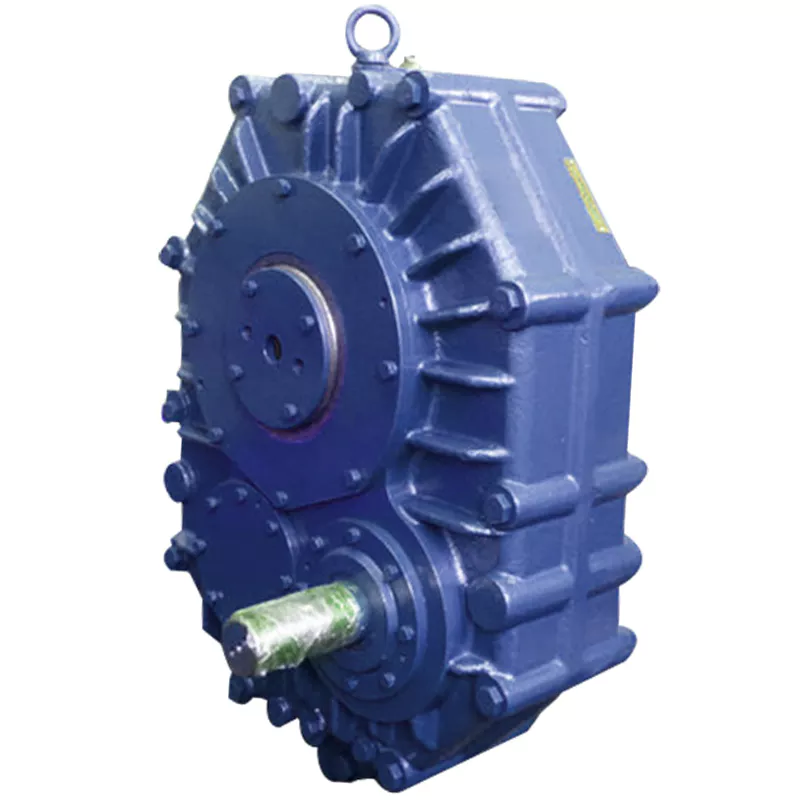
Υπάρχουν μειονεκτήματα ή περιορισμοί στη χρήση συστημάτων μειωτήρα ταχυτήτων;
Ενώ τα συστήματα μειωτήρα στροφών προσφέρουν πολλά πλεονεκτήματα, παρουσιάζουν επίσης ορισμένα μειονεκτήματα και περιορισμούς που πρέπει να ληφθούν υπόψη κατά τη διαδικασία επιλογής και εφαρμογής:
1. Μέγεθος και βάρος: Οι μειωτήρες γραναζιών μπορεί να είναι ογκώδεις και βαρείς, ειδικά για εφαρμογές που απαιτούν υψηλές σχέσεις μετάδοσης. Αυτό μπορεί να επηρεάσει το συνολικό μέγεθος και βάρος των μηχανημάτων ή του εξοπλισμού, κάτι που μπορεί να αποτελεί πρόβλημα σε περιβάλλοντα περιορισμένου χώρου.
2. Απώλεια Αποδοτικότητας: Παρά την υψηλή τους απόδοση, οι μειωτήρες γραναζιών ενδέχεται να παρουσιάσουν απώλειες ενέργειας λόγω τριβής μεταξύ των δοντιών του γραναζιού και άλλων εξαρτημάτων. Αυτό μπορεί να οδηγήσει σε μείωση της συνολικής απόδοσης του συστήματος, ιδιαίτερα σε περιπτώσεις όπου χρησιμοποιούνται πολλαπλά στάδια γραναζιών.
3. Κόστος: Ο σχεδιασμός, η κατασκευή και η συναρμολόγηση μειωτήρων γραναζιών μπορεί να περιλαμβάνει πολύπλοκες διαδικασίες και μηχανική κατεργασία ακριβείας, γεγονός που μπορεί να συμβάλει σε υψηλότερο αρχικό κόστος σε σύγκριση με άλλες λύσεις μετάδοσης ισχύος.
4. Συντήρηση: Τα συστήματα μειωτήρα στροφών απαιτούν τακτική συντήρηση, συμπεριλαμβανομένης της λίπανσης, της επιθεώρησης και της πιθανής αντικατάστασης των στροφών με την πάροδο του χρόνου. Οι δραστηριότητες συντήρησης μπορούν να οδηγήσουν σε διακοπές λειτουργίας και συναφή κόστη σε βιομηχανικά περιβάλλοντα.
5. Θόρυβος και κραδασμοί: Οι μειωτήρες ταχυτήτων μπορούν να προκαλέσουν θόρυβο και κραδασμούς, ειδικά σε υψηλές ταχύτητες ή όταν λειτουργούν υπό βαριά φορτία. Ενδέχεται να χρειαστούν πρόσθετα μέτρα για τον μετριασμό των προβλημάτων θορύβου και κραδασμών.
6. Περιορισμένες σχέσεις μετάδοσης: Ενώ οι μειωτήρες ταχυτήτων προσφέρουν ένα ευρύ φάσμα σχέσεων μετάδοσης, ενδέχεται να υπάρχουν περιορισμοί στην επίτευξη εξαιρετικά υψηλών ή χαμηλών σχέσεων μετάδοσης σε ορισμένα σχέδια.
7. Ευαισθησία θερμοκρασίας: Οι ακραίες θερμοκρασίες μπορούν να επηρεάσουν την απόδοση των συστημάτων μειωτήρα στροφών, ιδιαίτερα εάν παρέχεται ανεπαρκής λίπανση ή ψύξη.
8. Φορτία Κρούσης: Ενώ οι μειωτήρες ταχυτήτων έχουν σχεδιαστεί για να διαχειρίζονται κραδασμούς σε κάποιο βαθμό, τα σοβαρά κραδασμούς ή οι απότομες αλλαγές στη ροπή στρέψης μπορούν να οδηγήσουν σε πιθανή ζημιά ή πρόωρη φθορά.
Παρά τους περιορισμούς αυτούς, τα συστήματα μειωτήρα στροφών παραμένουν ευρέως χρησιμοποιούμενα και ευέλικτα εξαρτήματα σε διάφορες βιομηχανίες και τα μειονεκτήματά τους μπορούν συχνά να μετριαστούν μέσω σωστού σχεδιασμού, επιλογής και πρακτικών συντήρησης.
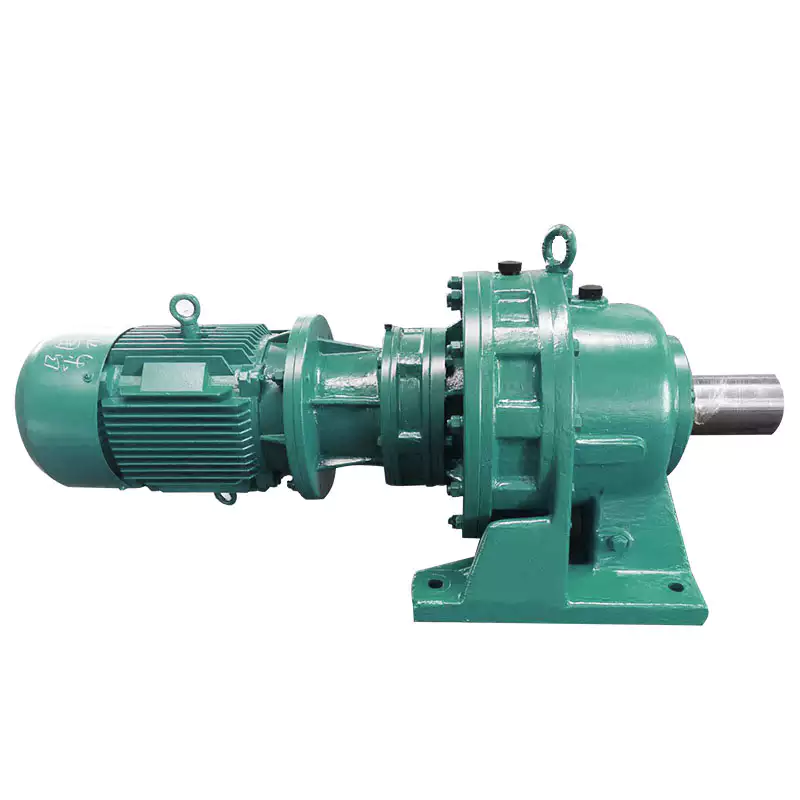
What role do gear ratios play in optimizing the performance of gear reducers?
Gear ratios play a crucial role in optimizing the performance of gear reducers by determining the relationship between input and output speeds and torques. A gear ratio is the ratio of the number of teeth between two meshing gears, and it directly influences the mechanical advantage and efficiency of the gear reducer.
1. Speed and Torque Conversion: Gear ratios allow gear reducers to convert rotational speed and torque according to the needs of a specific application. By selecting appropriate gear ratios, gear reducers can either reduce speed while increasing torque (speed reduction) or increase speed while decreasing torque (speed increase).
2. Mechanical Advantage: Gear reducers leverage gear ratios to provide mechanical advantage. In speed reduction configurations, a higher gear ratio results in a greater mechanical advantage, allowing the output shaft to deliver higher torque at a lower speed. This is beneficial for applications requiring increased force or torque, such as heavy machinery or conveyor systems.
3. Efficiency: Optimal gear ratios contribute to higher efficiency in gear reducers. By distributing the load across multiple gear teeth, gear reducers with suitable gear ratios minimize stress and wear on individual gear teeth, leading to improved overall efficiency and prolonged lifespan.
4. Speed Matching: Gear ratios enable gear reducers to match the rotational speeds of input and output shafts. This is crucial in applications where precise speed synchronization is required, such as in conveyors, robotics, and manufacturing processes.
When selecting gear ratios for a gear reducer, it’s important to consider the specific requirements of the application, including desired speed, torque, efficiency, and mechanical advantage. Properly chosen gear ratios enhance the overall performance and reliability of gear reducers in a wide range of industrial and mechanical systems.
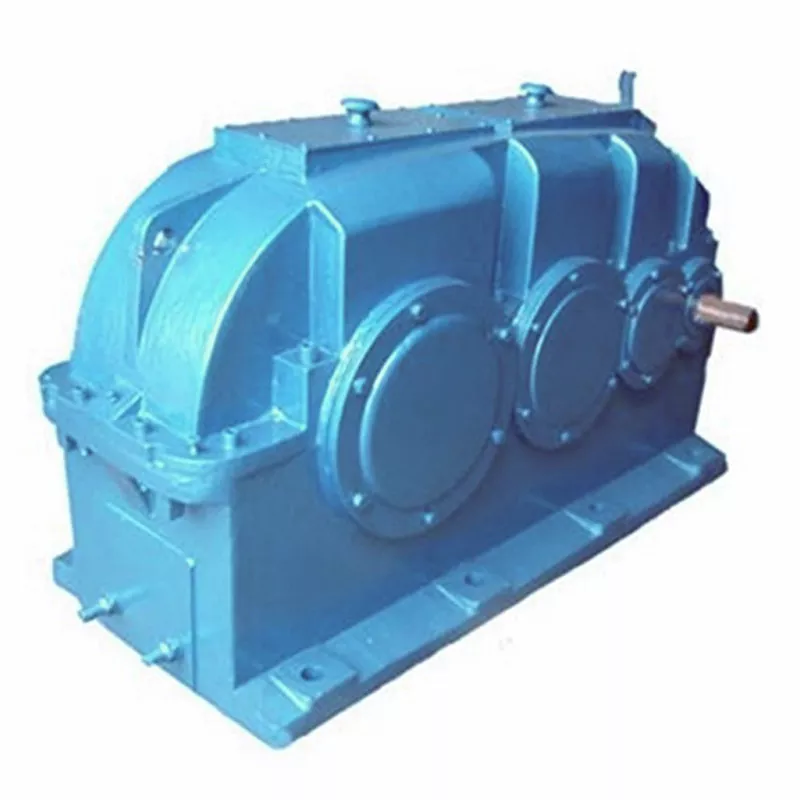
How do gear reducers contribute to speed reduction and torque increase?
Gear reducers play a crucial role in mechanical systems by achieving speed reduction and torque increase through the principle of gear ratios. Here’s how they work:
Gear reducers consist of multiple gears with different sizes, known as gear pairs. These gears are meshed together, and their teeth interlock to transmit motion and power. The gear ratio is determined by the ratio of the number of teeth on the input gear (driver) to the number of teeth on the output gear (driven).
Μείωση ταχύτητας: When a larger gear (output gear) is driven by a smaller gear (input gear), the output gear rotates at a slower speed than the input gear. This reduction in speed is proportional to the gear ratio. As a result, gear reducers are used to slow down the rotational speed of the output shaft compared to the input shaft.
Αύξηση ροπής: The interlocking teeth of gears create a mechanical advantage that allows gear reducers to increase torque output. When the input gear applies a force (torque) to the teeth, it is transmitted to the output gear with greater force due to the leverage provided by the larger diameter of the output gear. The torque increase is inversely proportional to the gear ratio and is essential for applications requiring high torque at lower speeds.
By selecting appropriate gear ratios and arranging gear pairs, gear reducers can achieve various speed reduction and torque multiplication factors, making them essential components in machinery and equipment where precise control of speed and torque is necessary.


editor by CX 2024-02-09