Περιγραφή προϊόντος
Περιγραφή προϊόντος
ATA Series Shaft mounted Gearbox Reducer SMR Series Shaft mounted Gearbox Reducer
ATA series shaft mounted gearbox(speed reducer) with helical hardened gears has the characteristics of high carrying capacity, smooth transmission, light weight, low energy consumption and so on. Input shaft of ATA speed reducer is connected with gear motor by belt pulley, hollow output shaft is linked with a key. It can be replaced by electric drum as power for belt conveyors and lifting equipments. ATA series shaft mounted gearbox could be attached with back-stop to avoid the working machine back skating, and conveniently mounted by tie rod. ATA series shaft mounted speed reducer is widely applied in the mining equipments, concrete mixing batching plant, stone crushers, sand making production line and other belt conveyors, mechanical transmission areas.
Mechanical belt conveyors drive system is composed of ATA shaft mounted speed reducer, torque arm, pulleys and gear motors, whose power transmission from the gear motor to the gearbox through the pulley, and then speed reducer passed to the drive pulley through the hollow output shaft and the gearbox is fixed by torque arm, anti-slip device can be configured. The system is convenient to install,use and maintain.
Features
Mounting Type: Tie rod Hanging shaft mounted
Output Shaft: Single key hollow shaft, each model can select 3 hollow diameter at most.
Gearbox Housing: Hard Iron Steel, can be used outside.
Anti-slip device: Can suit for any model, It’s very convenient to be mounted.
Application
Stone crushers plant , Cement plant, Concrete batch mixing plant, Mining conveyors, Port transfer
conveyor, Crushing machine, etc ···
Characteristic
1) All gears are heat treated and fixed to achieve low noise and high output
2) Mounting dimensions are interchangeable with Fenner
Παράμετροι προϊόντος
| TA Shaft Mounted Reducer | Output Shaft Bore [mm] | Ratio(i) | Rated torque | |
| TA30 | Φ30 | 7, 10, 12.5 | 180N.m | |
| TA35 | Φ35 | 5,10,15,20,25 | 420N.m | |
| TA40 | Φ40 | 5,10,12.5,15,20,25 | 900N.m | |
| Φ45 | ||||
| TA45 | Φ45 | 5,10,12.5,15,20,25 | 1400N.m | |
| Φ50 | ||||
| Φ55 | ||||
| TA50 | Φ50 | 5,10,12.5,15,20,25 | 2300N.m | |
| Φ55 | ||||
| Φ60 | ||||
| TA60 | Φ60 | 5,10,12.5,15,20,25 | 3600N.m | |
| Φ70 | ||||
| TA70 | Φ70 | 5,10,12.5,15,20,25,31 | 5100N.m | |
| Φ85 | ||||
| TA80 | Φ80 | 5,10,12.5,15,20,25,31 | 7000N.m | |
| Φ100 | ||||
| TA100 | Φ100 | 5,10,12.5,15,20,25,31 | 11000N.m | |
| SMR Model No. |
Output Shaft Bore [mm] |
Ratio(i) | ||
| Standard | Alternative | 5:1 13:1 20:1 |
||
| B | Φ30 | Φ40 | ||
| C | Φ40 | Φ50 | ||
| D | Φ50 | Φ55 | ||
| E | Φ55 | Φ65 | ||
| F | Φ65 | Φ75 | ||
| G | Φ75 | Φ85 | ||
| H | Φ85 | Φ100 | ||
| J | Φ100 | Φ120 | ||
Production Process
/* 22 Ιανουαρίου 2571 19:08:37 */!function(){function s(e,r){var a,o={};try{e&&e.split(“,”).forEach(function(e,t){e&&(a=e.match(/(.*1?):(.
| Εφαρμογή: | Industry |
|---|---|
| Σκληρότητα: | Σκληρυμένη επιφάνεια δοντιού |
| Εγκατάσταση: | Κάθετος τύπος |
| Σχέδιο: | Coaxial |
| Gear Shape: | Cylindrical Gear |
| Βήμα: | Stepless |
| Προσαρμογή: |
Διαθέσιμος
| Προσαρμοσμένο Αίτημα |
|---|
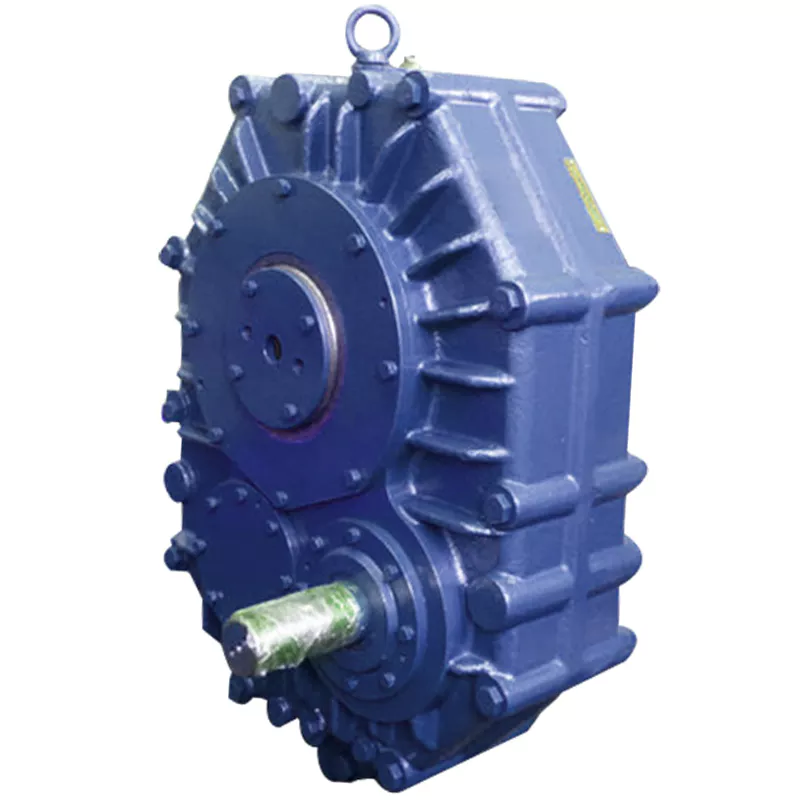
Υπάρχουν μειονεκτήματα ή περιορισμοί στη χρήση συστημάτων μειωτήρα ταχυτήτων;
Ενώ τα συστήματα μειωτήρα στροφών προσφέρουν πολλά πλεονεκτήματα, παρουσιάζουν επίσης ορισμένα μειονεκτήματα και περιορισμούς που πρέπει να ληφθούν υπόψη κατά τη διαδικασία επιλογής και εφαρμογής:
1. Μέγεθος και βάρος: Οι μειωτήρες γραναζιών μπορεί να είναι ογκώδεις και βαρείς, ειδικά για εφαρμογές που απαιτούν υψηλές σχέσεις μετάδοσης. Αυτό μπορεί να επηρεάσει το συνολικό μέγεθος και βάρος των μηχανημάτων ή του εξοπλισμού, κάτι που μπορεί να αποτελεί πρόβλημα σε περιβάλλοντα περιορισμένου χώρου.
2. Απώλεια Αποδοτικότητας: Παρά την υψηλή τους απόδοση, οι μειωτήρες γραναζιών ενδέχεται να παρουσιάσουν απώλειες ενέργειας λόγω τριβής μεταξύ των δοντιών του γραναζιού και άλλων εξαρτημάτων. Αυτό μπορεί να οδηγήσει σε μείωση της συνολικής απόδοσης του συστήματος, ιδιαίτερα σε περιπτώσεις όπου χρησιμοποιούνται πολλαπλά στάδια γραναζιών.
3. Κόστος: Ο σχεδιασμός, η κατασκευή και η συναρμολόγηση μειωτήρων γραναζιών μπορεί να περιλαμβάνει πολύπλοκες διαδικασίες και μηχανική κατεργασία ακριβείας, γεγονός που μπορεί να συμβάλει σε υψηλότερο αρχικό κόστος σε σύγκριση με άλλες λύσεις μετάδοσης ισχύος.
4. Συντήρηση: Τα συστήματα μειωτήρα στροφών απαιτούν τακτική συντήρηση, συμπεριλαμβανομένης της λίπανσης, της επιθεώρησης και της πιθανής αντικατάστασης των στροφών με την πάροδο του χρόνου. Οι δραστηριότητες συντήρησης μπορούν να οδηγήσουν σε διακοπές λειτουργίας και συναφή κόστη σε βιομηχανικά περιβάλλοντα.
5. Θόρυβος και κραδασμοί: Οι μειωτήρες ταχυτήτων μπορούν να προκαλέσουν θόρυβο και κραδασμούς, ειδικά σε υψηλές ταχύτητες ή όταν λειτουργούν υπό βαριά φορτία. Ενδέχεται να χρειαστούν πρόσθετα μέτρα για τον μετριασμό των προβλημάτων θορύβου και κραδασμών.
6. Περιορισμένες σχέσεις μετάδοσης: Ενώ οι μειωτήρες ταχυτήτων προσφέρουν ένα ευρύ φάσμα σχέσεων μετάδοσης, ενδέχεται να υπάρχουν περιορισμοί στην επίτευξη εξαιρετικά υψηλών ή χαμηλών σχέσεων μετάδοσης σε ορισμένα σχέδια.
7. Ευαισθησία θερμοκρασίας: Οι ακραίες θερμοκρασίες μπορούν να επηρεάσουν την απόδοση των συστημάτων μειωτήρα στροφών, ιδιαίτερα εάν παρέχεται ανεπαρκής λίπανση ή ψύξη.
8. Φορτία Κρούσης: Ενώ οι μειωτήρες ταχυτήτων έχουν σχεδιαστεί για να διαχειρίζονται κραδασμούς σε κάποιο βαθμό, τα σοβαρά κραδασμούς ή οι απότομες αλλαγές στη ροπή στρέψης μπορούν να οδηγήσουν σε πιθανή ζημιά ή πρόωρη φθορά.
Παρά τους περιορισμούς αυτούς, τα συστήματα μειωτήρα στροφών παραμένουν ευρέως χρησιμοποιούμενα και ευέλικτα εξαρτήματα σε διάφορες βιομηχανίες και τα μειονεκτήματά τους μπορούν συχνά να μετριαστούν μέσω σωστού σχεδιασμού, επιλογής και πρακτικών συντήρησης.
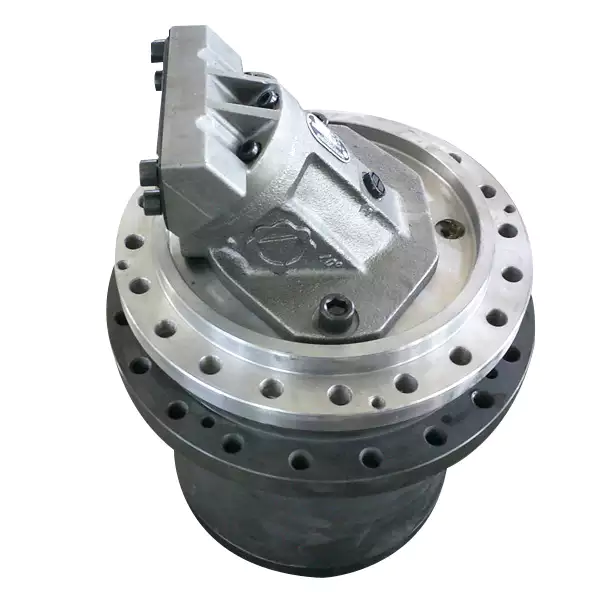
What factors should be considered when selecting the right gear reducer?
Choosing the appropriate gear reducer involves considering several crucial factors to ensure optimal performance and efficiency for your specific application:
- 1. Torque and Power Requirements: Determine the amount of torque and power your machinery needs for its operation.
- 2. Speed Ratio: Calculate the required speed reduction or increase to match the input and output speeds.
- 3. Gear Type: Select the appropriate gear type (helical, bevel, worm, planetary, etc.) based on your application’s torque, precision, and efficiency requirements.
- 4. Mounting Options: Consider the available space and the mounting configuration that suits your machinery.
- 5. Environmental Conditions: Evaluate factors such as temperature, humidity, dust, and corrosive elements that may impact the gear reducer’s performance.
- 6. Efficiency: Assess the gear reducer’s efficiency to minimize power losses and improve overall system performance.
- 7. Backlash: Consider the acceptable level of backlash or play between gear teeth, which can affect precision.
- 8. Maintenance Requirements: Determine the maintenance intervals and procedures necessary for reliable operation.
- 9. Noise and Vibration: Evaluate noise and vibration levels to ensure they meet your machinery’s requirements.
- 10. Cost: Compare the initial cost and long-term value of different gear reducer options.
By carefully assessing these factors and consulting with gear reducer manufacturers, engineers and industry professionals can make informed decisions to select the right gear reducer for their specific application, optimizing performance, longevity, and cost-effectiveness.
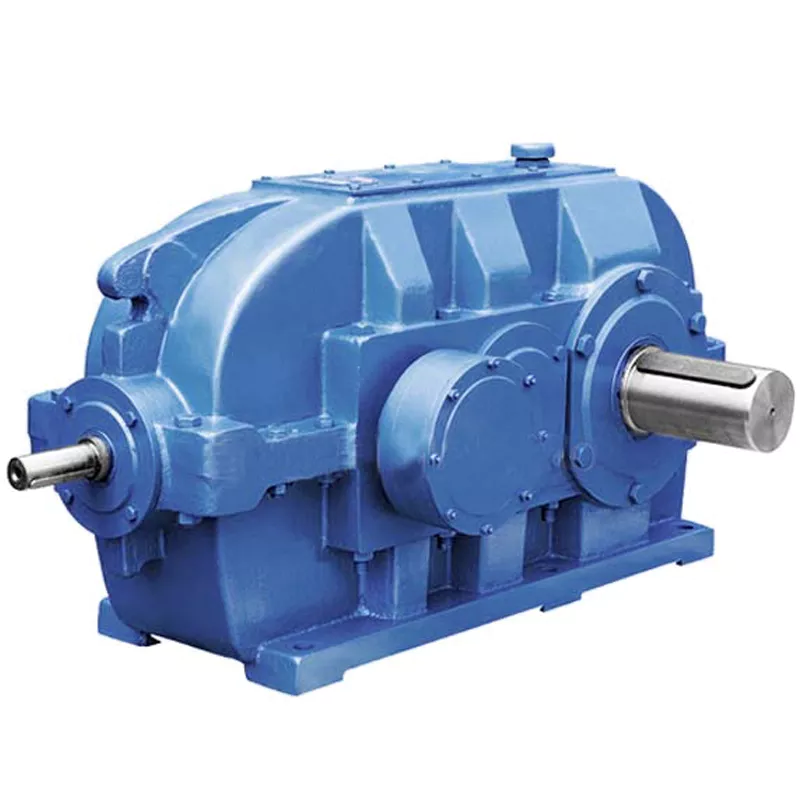
How do gear reducers handle variations in input and output speeds?
Gear reducers are designed to handle variations in input and output speeds through the use of different gear ratios and configurations. They achieve this by utilizing intermeshing gears of varying sizes to transmit torque and control rotational speed.
The basic principle involves connecting two or more gears with different numbers of teeth. When a larger gear (driving gear) engages with a smaller gear (driven gear), the rotational speed of the driven gear decreases while the torque increases. This reduction in speed and increase in torque enable gear reducers to efficiently adapt to variations in input and output speeds.
The gear ratio is a critical factor in determining how much the speed and torque change. It is calculated by dividing the number of teeth on the driven gear by the number of teeth on the driving gear. A higher gear ratio results in a greater reduction in speed and a proportionate increase in torque.
Planetary gear reducers, a common type, use a combination of gears including sun gears, planet gears, and ring gears to achieve different speed reductions and torque enhancements. This design provides versatility in handling variations in speed and torque requirements.
In summary, gear reducers handle variations in input and output speeds by using specific gear ratios and gear arrangements that enable them to efficiently transmit power and control motion characteristics according to the application’s needs.


editor by CX 2024-04-02