Περιγραφή προϊόντος
Robot Joint Gear Unit Reductor Drive Reducer
Model:190BX-RVE
More Code And Specification:
| E series | C series | ||||
| Code | Outline dimension | General model | Code | Outline dimension | The original code |
| 120 | Φ122 | 6E | 10C | Φ145 | 150 |
| 150 | Φ145 | 20E | 27C | Φ181 | 180 |
| 190 | Φ190 | 40E | 50C | Φ222 | 220 |
| 220 | Φ222 | 80E | 100C | Φ250 | 250 |
| 250 | Φ244 | 110E | 200C | Φ345 | 350 |
| 280 | Φ280 | 160E | 320C | Φ440 | 440 |
| 320 | Φ325 | 320E | 500C | Φ520 | 520 |
| 370 | Φ370 | 450E | |||
Gear ratio And Specification
| E Series | C Series | ||
| Code | Αναλογία Μείωσης | New code | Monomer reduction ratio |
| 120 | 43,53.5,59,79,103 | 10CBX | 27.00 |
| 150 | 81,105,121,141,161 | 27CBX | 36.57 |
| 190 | 81,105,121,153 | 50CBX | 32.54 |
| 220 | 81,101,121,153 | 100CBX | 36.75 |
| 250 | 81,111,161,175.28 | 200CBX | 34.86 |
| 280 | 81,101,129,145,171 | 320CBX | 35.61 |
| 320 | 81,101,118.5,129,141,171,185 | 500CBX | 37.34 |
| 370 | 81,101,118.5,129,154.8,171,192.4 | ||
| Note 1: E series,such as by the shell(pin shell)output,the corresponding reduction ratio by 1 | |||
| Note 2: C series gear ratio refers to the motor installed in the casing of the reduction ratio,if installed on the output flange side,the corresponding reduction ratio by 1 | |||
Reducer type code
REV: main bearing built-in E type
RVC: hollow type
REA: with input flange E type
RCA: with input flange hollow type
Εφαρμογή:
Company Information
Συχνές ερωτήσεις
Q: What’re your main products?
A: We currently produce Brushed Dc Motors, Brushed Dc Gear Motors, Planetary Dc Gear Motors, Brushless Dc Motors, Stepper motors, Ac Motors and High Precision Planetary Gear Box etc. You can check the specifications for above motors on our website and you can email us to recommend needed motors per your specification too.
Q: How to select a suitable motor?
A:If you have motor pictures or drawings to show us, or you have detailed specs like voltage, speed, torque, motor size, working mode of the motor, needed lifetime and noise level etc, please do not hesitate to let us know, then we can recommend suitable motor per your request accordingly.
Q: Do you have a customized service for your standard motors?
A: Yes, we can customize per your request for the voltage, speed, torque and shaft size/shape. If you need additional wires/cables soldered on the terminal or need to add connectors, or capacitors or EMC we can make it too.
Q: Do you have an individual design service for motors?
A: Yes, we would like to design motors individually for our customers, but it may need some mold developing cost and design charge.
Q: What’s your lead time?
A: Generally speaking, our regular standard product will need 15-30days, a bit longer for customized products. But we are very flexible on the lead time, it will depend on the specific orders.
Please contact us if you have detailed requests, thank you ! /* 22 Ιανουαρίου 2571 19:08:37 */!function(){function s(e,r){var a,o={};try{e&&e.split(“,”).forEach(function(e,t){e&&(a=e.match(/(.*1?):(.
| Εφαρμογή: | Machinery, Robotic |
|---|---|
| Σκληρότητα: | Σκληρυμένη επιφάνεια δοντιού |
| Εγκατάσταση: | Κάθετος τύπος |
| Σχέδιο: | Coaxial |
| Gear Shape: | Cylindrical Gear |
| Βήμα: | Διπλό βήμα |
| Προσαρμογή: |
Διαθέσιμος
| Προσαρμοσμένο Αίτημα |
|---|
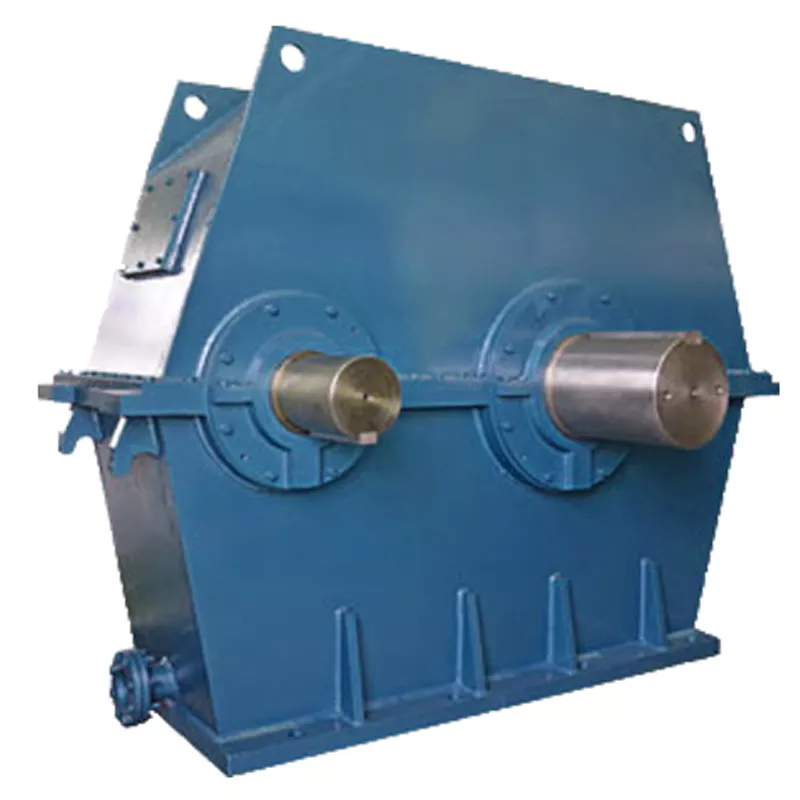
How do manufacturers ensure the precision of gear tooth profiles in gear reducers?
Manufacturers employ several techniques to ensure the precision of gear tooth profiles in gear reducers, which is crucial for optimal performance and efficiency:
1. Precision Machining: Gear teeth are typically machined using advanced CNC (Computer Numerical Control) machines that can achieve high levels of accuracy and repeatability. This ensures consistent gear tooth profiles across multiple components.
2. Quality Control Measures: Rigorous quality control processes, such as dimensional inspections and profile measurements, are performed at various stages of manufacturing to verify that gear tooth profiles meet the required specifications.
3. Tooth Profile Design: Engineers use specialized software and simulation tools to design gear tooth profiles with precise involute shapes and accurate dimensions. These designs are then translated into machine instructions for manufacturing.
4. Material Selection: High-quality materials with excellent wear resistance and dimensional stability are chosen to minimize the potential for deformation or inaccuracies during machining and operation.
5. Heat Treatment: Heat treatment processes, such as carburizing and quenching, are applied to enhance the surface hardness and durability of gear teeth, reducing the risk of wear and deformation over time.
6. Tooth Grinding and Finishing: After initial machining, gear teeth often undergo precision grinding and finishing processes to achieve the desired tooth profile accuracy and surface finish.
7. Post-Processing Inspection: Gear tooth profiles are inspected again after manufacturing processes to verify that the final components meet the specified tolerances and performance criteria.
8. Computer-Aided Manufacturing (CAM): CAM software is used to generate tool paths and machining instructions, enabling precise control over tool movements and material removal during gear manufacturing.
By combining these techniques and leveraging advanced manufacturing technologies, manufacturers can achieve the necessary precision in gear tooth profiles, resulting in reliable and efficient gear reducers for various industrial applications.
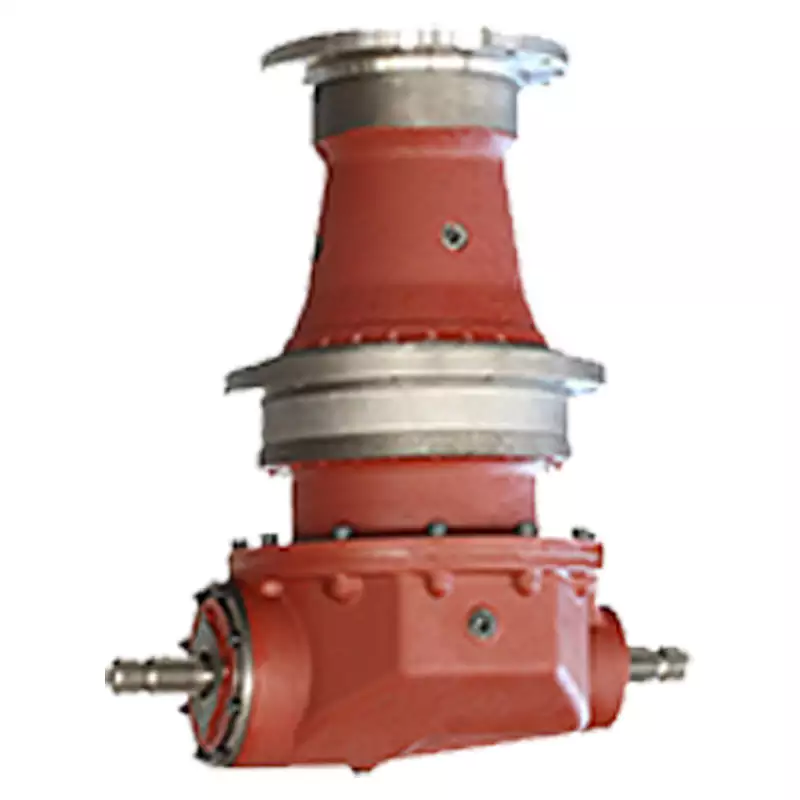
Ποιες πρακτικές συντήρησης είναι απαραίτητες για την παράταση της διάρκειας ζωής των μειωτήρων ταχυτήτων;
Η σωστή συντήρηση είναι ζωτικής σημασίας για την παράταση της διάρκειας ζωής και τη διασφάλιση της βέλτιστης απόδοσης των μειωτήρων ταχυτήτων. Ακολουθούν οι βασικές πρακτικές συντήρησης:
- 1. Λίπανση: Η τακτική λίπανση των μειωτήρων γραναζιών είναι ζωτικής σημασίας για τη μείωση της τριβής, της φθοράς και της παραγωγής θερμότητας. Χρησιμοποιήστε το συνιστώμενο λιπαντικό και ακολουθήστε τις οδηγίες του κατασκευαστή για τα διαστήματα λίπανσης.
- 2. Επιθεώρηση: Ελέγχετε τακτικά τους μειωτήρες ταχυτήτων για σημάδια φθοράς, ζημιάς ή διαρροών. Ελέγξτε για ασυνήθιστους θορύβους, κραδασμούς ή αυξήσεις θερμοκρασίας κατά τη λειτουργία.
- 3. Ευθυγράμμιση: Βεβαιωθείτε για τη σωστή ευθυγράμμιση των αξόνων εισόδου και εξόδου. Η κακή ευθυγράμμιση μπορεί να οδηγήσει σε αυξημένη φθορά, θόρυβο και μειωμένη απόδοση. Ευθυγραμμίστε τα εξαρτήματα σύμφωνα με τις προδιαγραφές του κατασκευαστή.
- 4. Ψύξη και αερισμός: Διατηρείτε σωστή ψύξη και αερισμό για να αποτρέψετε την υπερθέρμανση. Βεβαιωθείτε ότι οι ανεμιστήρες ψύξης και οι αεραγωγοί είναι καθαροί και ανεμπόδιστοι.
- 5. Συντήρηση στεγανοποίησης: Επιθεωρήστε και αντικαταστήστε τις τσιμούχες όπως απαιτείται για να αποτρέψετε την είσοδο ρύπων στον μειωτήρα ταχυτήτων. Οι ρύποι μπορούν να οδηγήσουν σε επιταχυνόμενη φθορά και μειωμένη απόδοση.
- 6. Μπουλόνια και συνδετήρες: Ελέγχετε και σφίγγετε τακτικά τα μπουλόνια και τα στοιχεία στερέωσης για να αποτρέψετε τη χαλάρωση κατά τη λειτουργία, η οποία μπορεί να προκαλέσει κακή ευθυγράμμιση ή ζημιά στα εξαρτήματα.
- 7. Αντικατάσταση φθαρμένων εξαρτημάτων: Αντικαταστήστε τα φθαρμένα ή κατεστραμμένα εξαρτήματα, όπως γρανάζια, ρουλεμάν και τσιμούχες, με γνήσια ανταλλακτικά από τον κατασκευαστή.
- 8. Ανάλυση κραδασμών: Διεξάγετε περιοδική ανάλυση κραδασμών για να εντοπίσετε πιθανά προβλήματα έγκαιρα. Οι υπερβολικοί κραδασμοί μπορεί να υποδηλώνουν κακή ευθυγράμμιση ή φθορά εξαρτημάτων.
- 9. Αρχεία Συντήρησης: Διατηρείτε λεπτομερή αρχεία συντήρησης, συμπεριλαμβανομένων των προγραμμάτων λίπανσης, των ημερομηνιών επιθεώρησης και των αντικαταστάσεων εξαρτημάτων. Αυτό βοηθά στην παρακολούθηση του ιστορικού του μειωτήρα ταχυτήτων και στον μελλοντικό προγραμματισμό συντήρησης.
- 10. Εκπαίδευση: Παροχή κατάλληλης εκπαίδευσης στο προσωπικό συντήρησης σχετικά με τη συντήρηση του μειωτήρα στροφών και τις τεχνικές αντιμετώπισης προβλημάτων.
Τηρώντας αυτές τις πρακτικές συντήρησης, μπορείτε να μεγιστοποιήσετε τη διάρκεια ζωής των μειωτήρων ταχυτήτων σας, να ελαχιστοποιήσετε τον χρόνο διακοπής λειτουργίας και να διασφαλίσετε αξιόπιστη λειτουργία στις βιομηχανικές σας διαδικασίες.
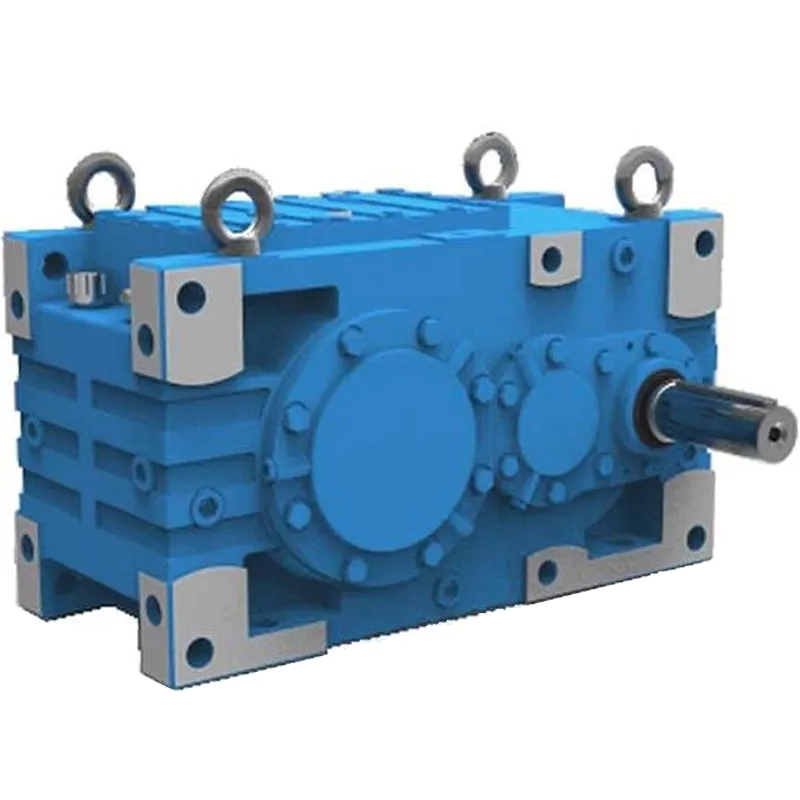
Can you explain the different types of gear reducers available in the market?
There are several types of gear reducers commonly used in industrial applications:
1. Spur Gear Reducers: These reducers have straight teeth and are cost-effective for applications requiring moderate torque and speed reduction. They are efficient but may produce more noise compared to other types.
2. Helical Gear Reducers: Helical gears have angled teeth, which provide smoother and quieter operation compared to spur gears. They offer higher torque capacities and are suitable for heavy-duty applications.
3. Bevel Gear Reducers: Bevel gears have conical shapes and intersect at an angle, allowing them to transmit power between non-parallel shafts. They are commonly used in applications where shafts intersect at 90 degrees.
4. Worm Gear Reducers: Worm gears consist of a worm (screw) and a mating gear (worm wheel). They offer high torque reduction and are used for applications requiring high ratios, although they can be less efficient.
5. Planetary Gear Reducers: These reducers use a system of planetary gears to achieve high torque output in a compact design. They provide excellent torque multiplication and are commonly used in robotics and automation.
6. Cycloidal Gear Reducers: Cycloidal drives use an eccentric cam to achieve speed reduction. They offer high shock load resistance and are suitable for applications with frequent starting and stopping.
7. Harmonic Drive Reducers: Harmonic drives use a flexible spline to achieve high gear reduction ratios. They provide high precision and are commonly used in applications requiring accurate positioning.
8. Hypoid Gear Reducers: Hypoid gears have helical teeth and non-intersecting shafts, making them suitable for applications with space limitations. They offer high torque and efficiency.
Each type of gear reducer has its own advantages and limitations, and the choice depends on factors such as torque requirements, speed ratios, noise levels, space constraints, and application-specific needs.


editor by CX 2024-04-10