Descripción del Producto
Aluminum Housing Screw Conveyor RV Series Gear Box Nmrv Worm Orthogonal Gear Reducer
|
Input Configurations |
Double or single input shaft (NRV) |
|
PAM / IEC motor input shaft with circle or square flange (NMRV) |
|
|
Output Configurations
|
Double or single output shaft |
|
Output flange |
Main Feature
The gearbox can rotate in both directions operate and contains 1 oil filling at delivery. you will benefit from its high quality and a short delivery time.
Especificación
|
Model |
Motor Input Flange (circle) |
Transmission Ratio |
Power (kw) |
Ratio (i) |
Nominal Torque (Nm) |
|||||||||||||||
|
PAM / IEC |
Internal Dia. |
Dis. Between Diagonal Screw Holes |
External Dia. |
Width of Key Slot |
5 |
7.5 |
10 |
15 |
20 |
25 |
30 |
40 |
50 |
60 |
80 |
100 |
||||
|
N |
M |
P |
E |
Diamter of Input Shaft |
||||||||||||||||
|
NMRV25 |
56B14 |
50 |
65 |
80 |
3 |
9 |
– |
9 |
– |
0.06 |
7.5-60 |
2.6-14 |
||||||||
|
NMRV30 |
63B5 |
95 |
115 |
140 |
4 |
11 |
– |
0.06-0.18 |
7.5-80 |
2.6-14 |
||||||||||
|
63B14 |
60 |
75 |
90 |
|||||||||||||||||
|
56B5 |
80 |
100 |
120 |
3 |
9 |
– |
||||||||||||||
|
56B14 |
50 |
65 |
80 |
|||||||||||||||||
|
NMRV40 |
71B5 |
110 |
130 |
160 |
5 |
14 |
– |
0.09-0.37 |
7.5-100 |
11-53 |
||||||||||
|
71B14 |
70 |
85 |
105 |
|||||||||||||||||
|
63B5 |
95 |
115 |
140 |
4 |
11 |
|||||||||||||||
|
63B14 |
60 |
75 |
90 |
|||||||||||||||||
|
56B5 |
80 |
100 |
120 |
3 |
– |
9 |
||||||||||||||
|
NMRV50 |
80B5 |
130 |
165 |
200 |
6 |
19 |
– |
0.12-0.75 |
7.5-100 |
21-89 |
||||||||||
|
80B14 |
80 |
100 |
120 |
|||||||||||||||||
|
71B5 |
110 |
130 |
160 |
5 |
14 |
– |
||||||||||||||
|
71B14 |
70 |
85 |
105 |
|||||||||||||||||
|
63B5 |
95 |
115 |
140 |
4 |
– |
11 |
||||||||||||||
|
NMRV63 |
90B5 |
130 |
165 |
200 |
8 |
24 |
– |
0.25-1.5 |
7.5-100 |
56-166 |
||||||||||
|
90B14 |
95 |
115 |
140 |
|||||||||||||||||
|
80B5 |
130 |
165 |
200 |
6 |
19 |
– |
||||||||||||||
|
80B14 |
80 |
100 |
120 |
|||||||||||||||||
|
71B5 |
110 |
130 |
160 |
5 |
– |
14 |
||||||||||||||
|
71B14 |
70 |
85 |
105 |
|||||||||||||||||
|
NMRV75 |
100/112B5 |
180 |
215 |
250 |
8 |
– |
28 |
– |
0.55-4 |
7.5-100 |
90-269 |
|||||||||
|
100/112B14 |
110 |
130 |
160 |
|||||||||||||||||
|
90B5 |
130 |
165 |
200 |
8 |
24 |
– |
||||||||||||||
|
90B14 |
95 |
115 |
140 |
|||||||||||||||||
|
80B5 |
130 |
165 |
200 |
6 |
– |
19 |
||||||||||||||
|
80B14 |
80 |
100 |
120 |
|||||||||||||||||
|
71B5 |
110 |
130 |
160 |
– |
– |
14 |
||||||||||||||
|
NMRV90 |
100/112B5 |
180 |
215 |
250 |
8 |
– |
28 |
– |
0.55-4 |
7.5-100 |
101-458 |
|||||||||
|
100/112B14 |
110 |
130 |
160 |
|||||||||||||||||
|
90B5 |
130 |
165 |
200 |
8 |
24 |
– |
||||||||||||||
|
90B14 |
95 |
115 |
140 |
|||||||||||||||||
|
80B5 |
130 |
165 |
200 |
6 |
– |
19 |
||||||||||||||
|
80B14 |
80 |
100 |
120 |
|||||||||||||||||
|
NMRV110 |
132B5 |
230 |
265 |
300 |
10 |
– |
38 |
– |
1.1-7.5 |
7.5-100 |
242-660 |
|||||||||
|
132B14 |
130 |
165 |
200 |
– |
||||||||||||||||
|
100/112B5 |
180 |
215 |
250 |
8 |
28 |
– |
||||||||||||||
|
90B5 |
130 |
165 |
200 |
– |
24 |
|||||||||||||||
|
90B14 |
95 |
115 |
140 |
– |
||||||||||||||||
|
80B5 |
130 |
165 |
200 |
– |
19 |
|||||||||||||||
|
NMRV130 |
132B5 |
230 |
265 |
300 |
10 |
– |
38 |
– |
2.2-7.5 |
7.5-100 |
333-1596 |
|||||||||
|
132B14 |
130 |
165 |
200 |
– |
||||||||||||||||
|
100/112B5 |
180 |
215 |
250 |
8 |
– |
28 |
||||||||||||||
|
90B5 |
130 |
165 |
200 |
– |
– |
24 |
||||||||||||||
|
90B14 |
95 |
115 |
140 |
|||||||||||||||||
|
NMRV150 |
160B5 |
250 |
300 |
350 |
12 |
– |
42 |
– |
2.2-15 |
7.5-100 |
570-1760 |
|||||||||
|
132B5 |
230 |
265 |
300 |
10 |
– |
38 |
– |
|||||||||||||
|
132B14 |
130 |
165 |
200 |
– |
||||||||||||||||
|
100/112B5 |
180 |
215 |
250 |
8 |
– |
28 |
||||||||||||||
Company profile
Scenario
Packing
FAQ
Q1: I want to buy your products, how can I pay?
A: You can pay via T/T(30%+70%), L/C ,D/P etc.
Q2: How can you guarantee the quality?
A: One year’s warranty against B/L date. If you meet with quality problem, please send us pictures or video to check, we promise to send spare parts or new products to replace. Our guarantee not include inappropriate operation or wrong specification selection.
Q3: How we select models and specifications?
A: You can email us the series code (for example: RC series helical gearbox) as well as requirement details, such as motor power,output speed or ratio, service factor or your application…as much data as possible. If you can supply some pictures or drawings,it is nice.
Q4: If we don’t find what we want on your website, what should we do?
A: We offer 3 options:
1, You can email us the pictures, drawings or descriptions details. We will try to design your products on the basis of our
standard models.
2, Our R&D department is professional for OEM/ODM products by drawing/samples, you can send us samples, we do customized design for your bulk purchasing.
3, We can develop new products if they have good market. We have already developed many items for special using successful, such as special gearbox for agitator, cement conveyor, shoes machines and so on.
Q5: Can we buy 1 pc of each item for quality testing?
A: Yes, we are glad to accept trial order for quality testing.
Q6: How about your product delivery time?
A: Normally for 20’container, it takes 25-30 workdays for RV series worm gearbox, 35-40 workdays for helical gearmotors. /* January 22, 2571 19:08:37 */!function(){function s(e,r){var a,o={};try{e&&e.split(“,”).forEach(function(e,t){e&&(a=e.match(/(.*?):(.*)$/))&&1
| Solicitud: | Motor, Machinery, Agricultural Machinery |
|---|---|
| Dureza: | Superficie del diente endurecida |
| Instalación: | B3,B6,B7,B8,V5,V6 |
| Disposición: | Coaxial |
| Gear Shape: | Cylindrical Gear |
| Paso: | Un solo paso |
| Personalización: |
Disponible
| Solicitud personalizada |
|---|
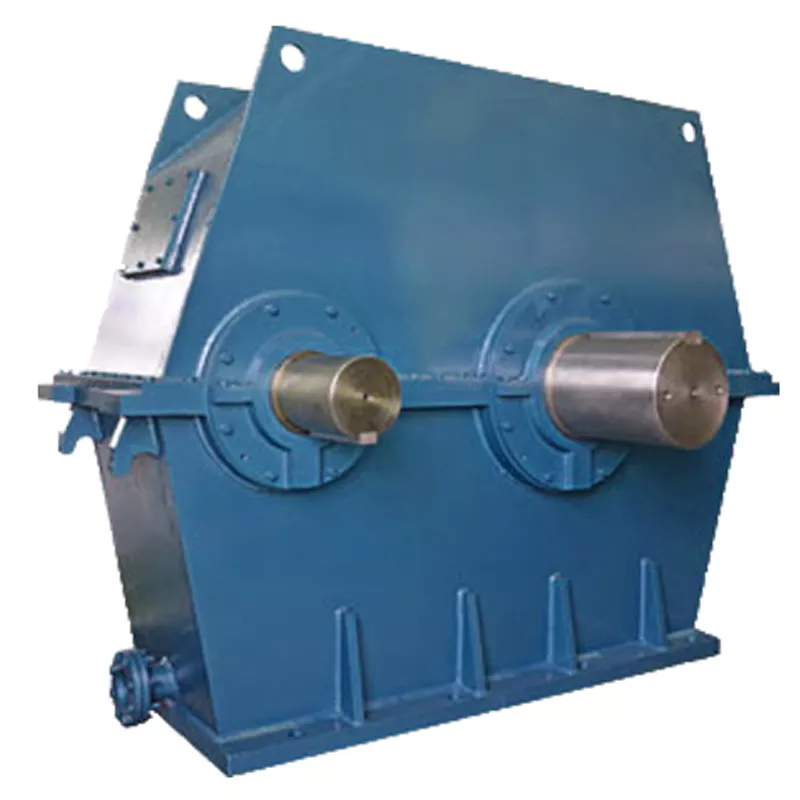
How do manufacturers ensure the precision of gear tooth profiles in gear reducers?
Manufacturers employ several techniques to ensure the precision of gear tooth profiles in gear reducers, which is crucial for optimal performance and efficiency:
1. Precision Machining: Gear teeth are typically machined using advanced CNC (Computer Numerical Control) machines that can achieve high levels of accuracy and repeatability. This ensures consistent gear tooth profiles across multiple components.
2. Quality Control Measures: Rigorous quality control processes, such as dimensional inspections and profile measurements, are performed at various stages of manufacturing to verify that gear tooth profiles meet the required specifications.
3. Tooth Profile Design: Engineers use specialized software and simulation tools to design gear tooth profiles with precise involute shapes and accurate dimensions. These designs are then translated into machine instructions for manufacturing.
4. Material Selection: High-quality materials with excellent wear resistance and dimensional stability are chosen to minimize the potential for deformation or inaccuracies during machining and operation.
5. Heat Treatment: Heat treatment processes, such as carburizing and quenching, are applied to enhance the surface hardness and durability of gear teeth, reducing the risk of wear and deformation over time.
6. Tooth Grinding and Finishing: After initial machining, gear teeth often undergo precision grinding and finishing processes to achieve the desired tooth profile accuracy and surface finish.
7. Post-Processing Inspection: Gear tooth profiles are inspected again after manufacturing processes to verify that the final components meet the specified tolerances and performance criteria.
8. Computer-Aided Manufacturing (CAM): CAM software is used to generate tool paths and machining instructions, enabling precise control over tool movements and material removal during gear manufacturing.
By combining these techniques and leveraging advanced manufacturing technologies, manufacturers can achieve the necessary precision in gear tooth profiles, resulting in reliable and efficient gear reducers for various industrial applications.
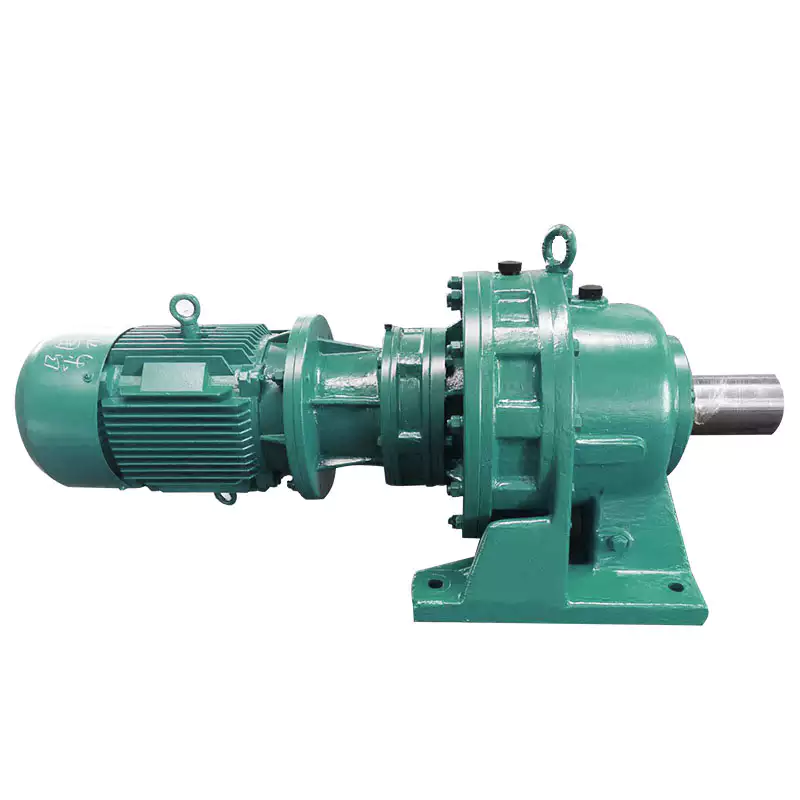
¿Qué papel juegan las relaciones de transmisión en la optimización del rendimiento de los reductores de engranajes?
Las relaciones de transmisión desempeñan un papel crucial en la optimización del rendimiento de los reductores, ya que determinan la relación entre las velocidades de entrada y salida y los pares. Una relación de transmisión es la relación del número de dientes entre dos engranajes engranados e influye directamente en la ventaja mecánica y la eficiencia del reductor.
1. Conversión de velocidad y par: Las relaciones de transmisión permiten a los reductores convertir la velocidad de rotación y el par según las necesidades de una aplicación específica. Al seleccionar las relaciones de transmisión adecuadas, los reductores pueden reducir la velocidad y aumentar el par (reducción de velocidad) o aumentar la velocidad y disminuir el par (aumento de velocidad).
2. Ventaja mecánica: Los reductores de engranajes aprovechan las relaciones de transmisión para proporcionar una ventaja mecánica. En configuraciones de reducción de velocidad, una relación de transmisión más alta genera una mayor ventaja mecánica, lo que permite que el eje de salida proporcione un mayor par a menor velocidad. Esto resulta beneficioso para aplicaciones que requieren mayor fuerza o par, como maquinaria pesada o sistemas de transporte.
3. Eficiencia: Unas relaciones de transmisión óptimas contribuyen a una mayor eficiencia en los reductores. Al distribuir la carga entre varios dientes, los reductores con relaciones de transmisión adecuadas minimizan la tensión y el desgaste en cada diente, lo que se traduce en una mayor eficiencia general y una mayor vida útil.
4. Igualación de velocidad: Las relaciones de transmisión permiten que los reductores de engranajes adapten las velocidades de rotación de los ejes de entrada y salida. Esto es crucial en aplicaciones que requieren una sincronización precisa de la velocidad, como en cintas transportadoras, robótica y procesos de fabricación.
Al seleccionar las relaciones de transmisión para un reductor, es importante considerar los requisitos específicos de la aplicación, como la velocidad, el par, la eficiencia y la ventaja mecánica deseados. Unas relaciones de transmisión bien seleccionadas mejoran el rendimiento general y la fiabilidad de los reductores en una amplia gama de sistemas industriales y mecánicos.
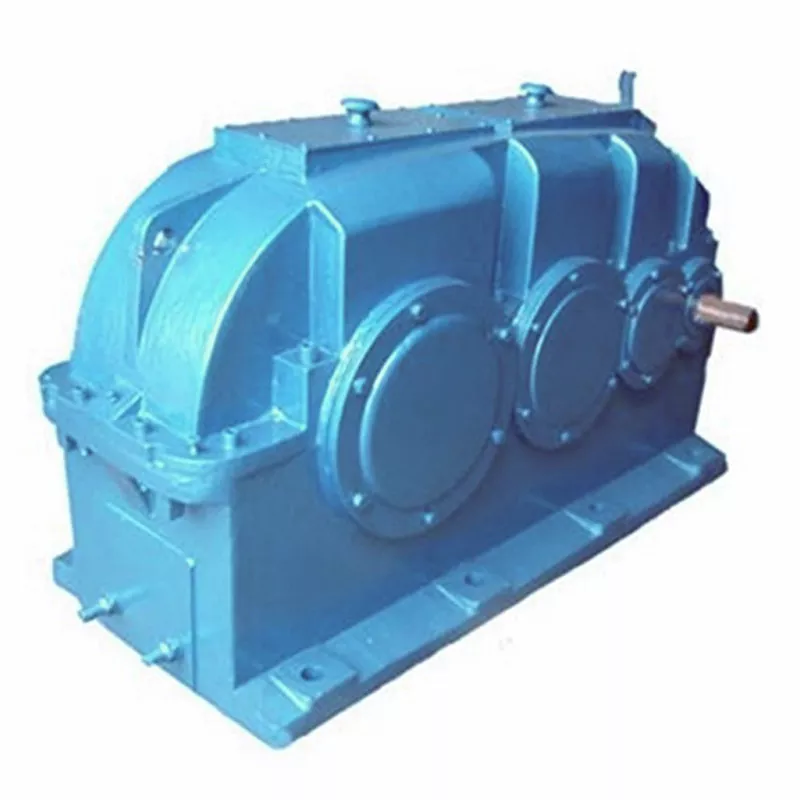
How do gear reducers contribute to speed reduction and torque increase?
Gear reducers play a crucial role in mechanical systems by achieving speed reduction and torque increase through the principle of gear ratios. Here’s how they work:
Gear reducers consist of multiple gears with different sizes, known as gear pairs. These gears are meshed together, and their teeth interlock to transmit motion and power. The gear ratio is determined by the ratio of the number of teeth on the input gear (driver) to the number of teeth on the output gear (driven).
Speed Reduction: When a larger gear (output gear) is driven by a smaller gear (input gear), the output gear rotates at a slower speed than the input gear. This reduction in speed is proportional to the gear ratio. As a result, gear reducers are used to slow down the rotational speed of the output shaft compared to the input shaft.
Torque Increase: The interlocking teeth of gears create a mechanical advantage that allows gear reducers to increase torque output. When the input gear applies a force (torque) to the teeth, it is transmitted to the output gear with greater force due to the leverage provided by the larger diameter of the output gear. The torque increase is inversely proportional to the gear ratio and is essential for applications requiring high torque at lower speeds.
By selecting appropriate gear ratios and arranging gear pairs, gear reducers can achieve various speed reduction and torque multiplication factors, making them essential components in machinery and equipment where precise control of speed and torque is necessary.


editor by CX 2024-04-03