Descripción del Producto
Our Advantages
90 degree angler reversing right angle bevel gear reducer single hole output
Advantage:Pratt commutator is characterized by maintenance free, low noise, small volume, large torque, high precision, long service life, low back clearance, etc
Lifetime:20000h
Minimum operating temperature:-25ºC
Maximum operating temperature:+90ºC
Degree of protection:IP65
Lubrication method:Long term lubrication
Installation method:Any
Direction of rotation: Output, input in the same direction
Full load efficiency:1-stages 90%
- stages 88%
- Stages 84%
| Model | Unit | AT042A | AT060A | AT085A | AT110A | Ratios | Steges |
| Rated output torque | Nm | 19.0 | 50.0 | 160.0 | 1 | 1-stages | |
| 4.5 | 25.0 | 60.0 | 140.0 | 2 | |||
| 6.0 | 16.5 | 60.0 | 3 | ||||
| 4.0 | 12.0 | 40.0 | 5 | ||||
| 4.7 | 26.0 | 60.0 | 140.0 | 6 | 2-stages | ||
| 4.9 | 27.0 | 63.0 | 148.0 | 8 | |||
| 5.1 | 28.0 | 66.0 | 155.0 | 10 | |||
| 5.3 | 29.0 | 68.0 | 160.0 | 14 | |||
| 5.5 | 30.0 | 72.0 | 165.0 | 20 | |||
| Fault stop torque | Nm | 32*Nominal torqute | |||||
| Reacción | arcmin | ≤2 | ≤2 | ≤2 | ≤3 | P1 | 1-stages |
| ≤6 | ≤6 | ≤6 | ≤7 | P2 | |||
| ≤5 | ≤5 | ≤5 | ≤6 | P1 | 2-stages | ||
| ≤12 | ≤12 | ≤12 | ≤14 | P2 | |||
| Rated input speed | rpm | 3000 | 3000 | 3000 | 2500 | ||
| Maximum input speed | rpm | 6000 | 6000 | 6000 | 5000 | ||
| Noise | dB | ≤60 | ≤62 | ≤65 | ≤68 | ||
Q: How to get a quick quote
A: Please provide the following information when contacting us
- Motor brand
- Motor model
- Motor dimension drawing
- What is the gear ratio
Q: How long is your delivery date
A: We all install it now, but it takes 3-5 days if it is not non-standard. Non standard 10-15 days, depending on the specific situation
Q:Do you provide samples, free or extra
A: A: You can reserve 1 first, and purchase it on demand
| Specification: | AT42 |
|---|---|
| Trademark: | PLANETX |
| Origin: | China |
| Personalización: |
Disponible
| Solicitud personalizada |
|---|
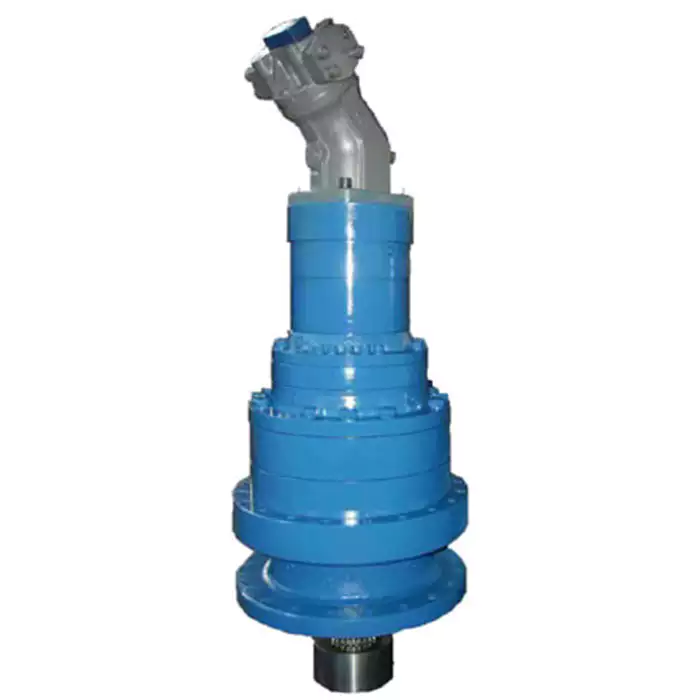
Desafíos para lograr altas relaciones de transmisión con compacidad en cajas de engranajes planetarios
El diseño de cajas de engranajes planetarios con altas relaciones de transmisión, manteniendo a la vez un formato compacto, plantea varios desafíos debido a la intrincada disposición de los engranajes y a la necesidad de equilibrar diversos factores:
Limitaciones de espacio: Aumentar la relación de transmisión generalmente requiere añadir más etapas planetarias, lo que implica engranajes y componentes adicionales. Sin embargo, el espacio limitado disponible puede dificultar la instalación de estos componentes adicionales sin comprometer la compacidad de la caja de cambios.
Eficiencia: Al aumentar el número de etapas planetarias para lograr relaciones de transmisión más altas, puede producirse una disminución en la eficiencia. El engrane adicional y las pérdidas por fricción pueden reducir la eficiencia general, afectando el rendimiento de la caja de cambios.
Distribución de la carga: La distribución de cargas entre las distintas etapas es fundamental al diseñar reductores planetarios de alta relación de transmisión. Una correcta distribución de la carga garantiza que cada etapa la comparta proporcionalmente, evitando el desgaste prematuro y asegurando un funcionamiento fiable.
Disposición de los cojinetes: Para alojar varias etapas de engranajes planetarios, se requiere una disposición de cojinetes eficaz que soporte los componentes giratorios. Una selección o disposición inadecuada de los cojinetes puede provocar mayor fricción, menor eficiencia y posibles fallos.
Tolerancias de fabricación: Para lograr relaciones de transmisión elevadas, se requieren tolerancias de fabricación estrictas que garanticen perfiles de dientes de engranaje precisos y un engrane exacto. Cualquier desviación puede provocar ruido, vibraciones y una disminución del rendimiento.
Lubricación: Una lubricación adecuada se vuelve crucial para mantener un funcionamiento suave y reducir la fricción a medida que aumentan las relaciones de transmisión. Sin embargo, lograr una distribución correcta del lubricante en las distintas etapas puede ser complicado, lo que afecta la eficiencia y la vida útil.
Ruido y vibración: La complejidad de las cajas reductoras planetarias de alta relación de transmisión puede generar mayores niveles de ruido y vibración debido al mayor número de interacciones entre engranajes. Controlar el ruido y la vibración resulta fundamental para garantizar un rendimiento aceptable y la comodidad del usuario.
Para afrontar estos retos, los ingenieros emplean técnicas de diseño avanzadas, procesos de fabricación de alta precisión, materiales especializados, disposiciones innovadoras de rodamientos y estrategias de lubricación optimizadas. Lograr el equilibrio adecuado entre relaciones de transmisión elevadas y compacidad requiere una cuidadosa consideración de estos factores para garantizar la fiabilidad, la eficiencia y el rendimiento de la caja de cambios.
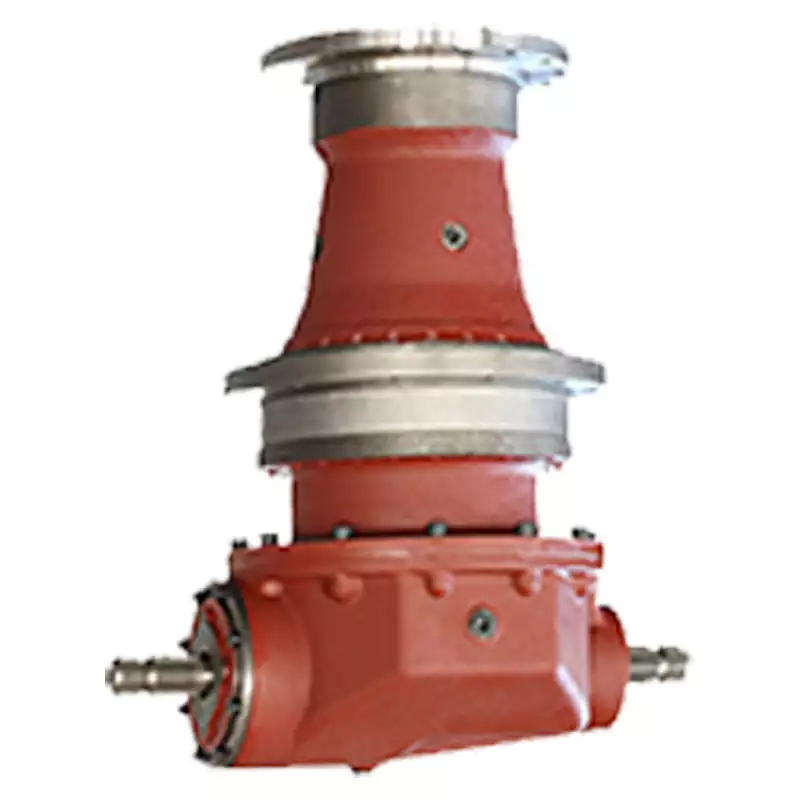
Considerations for Selecting Size and Gear Materials in Planetary Gearboxes
Choosing the appropriate size and gear materials for a planetary gearbox is crucial for optimal performance and reliability. Here are the key considerations:
1. Load and Torque Requirements: Evaluate the anticipated load and torque that the gearbox will experience in the application. Select a gearbox size that can handle the maximum load without exceeding its capacity, ensuring reliable and durable operation.
2. Gear Ratio: Determine the required gear ratio to achieve the desired output speed and torque. Different gear ratios are achieved by varying the number of teeth on the gears. Select a gearbox with a suitable gear ratio for your application’s requirements.
3. Eficiencia: Consider the efficiency of the gearbox, which is influenced by factors such as gear meshing, bearing losses, and lubrication. A higher efficiency gearbox minimizes energy losses and improves overall system performance.
4. Space Constraints: Evaluate the available space for installing the gearbox. Planetary gearboxes offer compact designs, but it’s essential to ensure that the selected size fits within the available area, especially in applications with limited space.
5. Material Selection: Choose suitable gear materials based on factors like load, speed, and operating conditions. High-quality materials, such as hardened steel or specialized alloys, enhance gear strength, durability, and resistance to wear and fatigue.
6. Lubrication: Proper lubrication is critical for reducing friction and wear in the gearbox. Consider the lubrication requirements of the selected gear materials and ensure the gearbox is designed for efficient lubricant distribution and maintenance.
7. Environmental Conditions: Assess the environmental conditions in which the gearbox will operate. Factors such as temperature, humidity, and exposure to contaminants can impact gear material performance. Choose materials that can withstand the operating environment.
8. Noise and Vibration: Gear material selection can influence noise and vibration levels. Some materials are more adept at dampening vibrations and reducing noise, which is essential for applications where quiet operation is crucial.
9. Cost: Consider the budget for the gearbox and balance the cost of materials, manufacturing, and performance requirements. While high-quality materials may increase initial costs, they can lead to longer gearbox lifespan and reduced maintenance expenses.
10. Manufacturer’s Recommendations: Consult with gearbox manufacturers or experts for guidance on selecting the appropriate size and gear materials. They can provide insights based on their experience and knowledge of various applications.
Ultimately, the proper selection of size and gear materials is vital for achieving reliable, efficient, and long-lasting performance in planetary gearboxes. Taking into account load, gear ratio, materials, lubrication, and other factors ensures the gearbox meets the specific needs of the application.
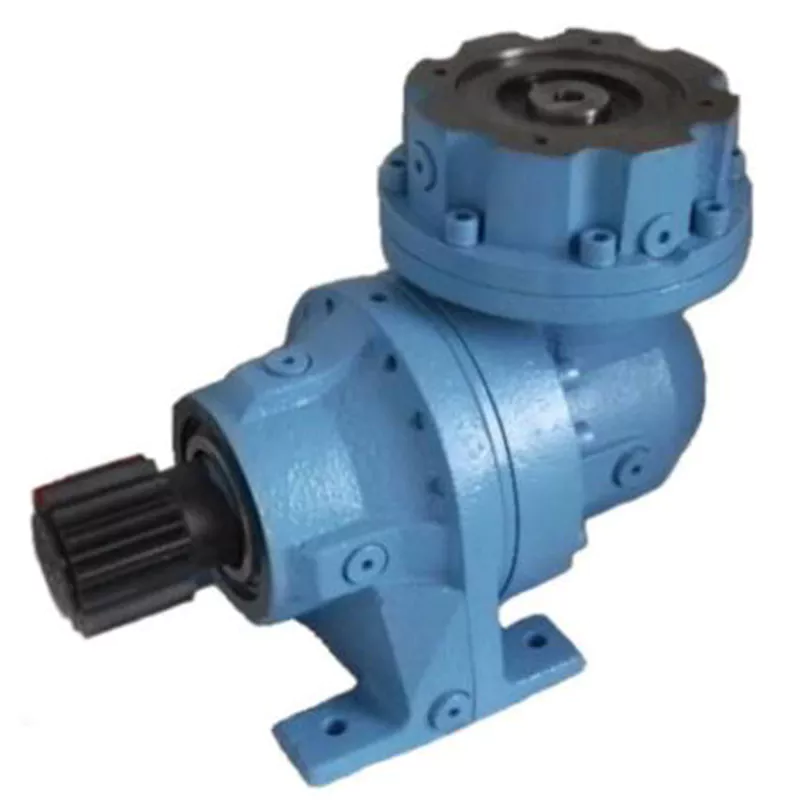
Examples of High Torque and Compact Design Applications for Planetary Gearboxes
Planetary gearboxes excel in applications where high torque output and a compact design are essential. Here are some scenarios where these characteristics are crucial:
- Automotive Transmissions: In modern vehicles, planetary gearboxes are used in automatic transmissions to efficiently transmit engine power to the wheels. The compact size of planetary gearboxes allows for integration within the limited space of a vehicle’s transmission housing.
- Robótica: Planetary gearboxes are utilized in robotic arms and joints, where compactness is essential to maintain the robot’s overall size while providing the necessary torque for precise and controlled movement.
- Sistemas transportadores: Conveyor belts in industries like material handling and manufacturing often require high torque to move heavy loads. The compact design of planetary gearboxes allows them to be integrated into the conveyor system’s framework.
- Wind Turbines: Wind turbine applications demand high torque to convert low wind speeds into sufficient rotational force for power generation. The compact design of planetary gearboxes helps optimize space within the turbine’s nacelle.
- Construction Machinery: Heavy equipment used in construction, such as excavators and loaders, rely on planetary gearboxes to provide the necessary torque for digging and lifting operations without adding excessive weight to the machinery.
- Marine Propulsion: Planetary gearboxes play a crucial role in marine propulsion systems by efficiently transmitting high torque from the engine to the propeller shaft. The compact design is particularly important in the limited space of a ship’s engine room.
These examples highlight the significance of planetary gearboxes in applications where both high torque output and a compact footprint are vital considerations. Their ability to deliver efficient torque conversion within a small space makes them well-suited for a wide range of industries and machinery.


editor by CX 2023-09-08