Descripción del Producto
Descripción del Producto
NF075 SERIES planetary precision reducer series adopt the internal structure of the integrated design concept and processing technology and are equipped with high strength tapered roller bearings and angular contact bearing structure. They are characterised by high torque, high precision, high inertia and super durability. They are used in automotive production lines, truss manipulators, robotics, new energy production lines, photovoltaic equipment, machine tools and other related industries. Our products are manufactured using unique design and processing technology and high-end machining centres in Germany and Japan, and some imported equipment are manufactured using customised machining centres, meeting our production process and strict quality control and other standardised operations.
Product Name: High Precision Planetary Gearbox
Product Series:NF075 Series
Features:High torque,high precision,high inertia,high durability
Product Description:
Integrated design concept with high-strength bearings ensure the product itself is durable and efficient
A variety of output ideas such as shaft output, flange and gear are available.
1 arc minute ≤ backlash ≤ 3 arc minutes
Reduction ratios ranging from 3 to 100
Frame design: increases torque and optimizes power transmission
Optimised selection of oil seals: reduces friction and laminate transmission efficiency
Protection class IP65
Warranty: 2 years
Our Advantages
High torque
High precision
High inertia
Super durability
Fotos detalladas
Parámetros del producto
| Segment number | Single segment | ||||||||||||||||
| Ratio | i | 3 | 4 | 5 | 6 | 7 | 8 | 9 | 10 | ||||||||
| Rated output torque | Nm | 120 | 130 | 150 | 140 | 130 | 110 | 95 | 95 | ||||||||
| Emergency stop torque | Nm | Three times of Maximum Output Torque | |||||||||||||||
| Rated input speed | Rpm | 4000 | |||||||||||||||
| Max input speed | Rpm | 8000 | |||||||||||||||
| Ultraprecise backlash | arcmin | ≤1 | |||||||||||||||
| Precision backlash | arcmin | ≤3 | |||||||||||||||
| Standard backlash | arcmin | ≤5 | |||||||||||||||
| Torsional rigidity | Nm/arcmin | 14 | |||||||||||||||
| Max.bending moment | Nm | 4100 | |||||||||||||||
| Max.axial force | N | 3700 | |||||||||||||||
| Service life | hr | 30000(15000 under continuous operation) | |||||||||||||||
| Eficiencia | % | ≥97% | |||||||||||||||
| Weight | kg | 3.7 | |||||||||||||||
| Temperatura de funcionamiento | ºC | -10ºC~+90ºC | |||||||||||||||
| Lubricación | Synthetic grease | ||||||||||||||||
| Protection class | IP64 | ||||||||||||||||
| Mounting Position | All directions | ||||||||||||||||
| Noise level(N1=3000rpm,non-loaded) | dB(A) | ≤60 | |||||||||||||||
| Rotary inertia | Kg·cm² | 0.61 | 0.48 | 0.47 | 0.45 | 0.45 | 0.44 | 0.44 | 0.44 | ||||||||
Applicable Industries
Packaging Machinery Mechanical Hand Textile Machinery
Non Standard automation Machine Tool Printing Equipment /* January 22, 2571 19:08:37 */!function(){function s(e,r){var a,o={};try{e&&e.split(“,”).forEach(function(e,t){e&&(a=e.match(/(.*?):(.*)$/))&&1
| Solicitud: | Motor, Machinery, Marine, Agricultural Machinery |
|---|---|
| Dureza: | Superficie del diente endurecida |
| Instalación: | All Directions |
| Disposición: | Plantery Gearbox |
| Gear Shape: | Helical Tooth |
| Paso: | Un solo paso |
| Personalización: |
Disponible
| Solicitud personalizada |
|---|
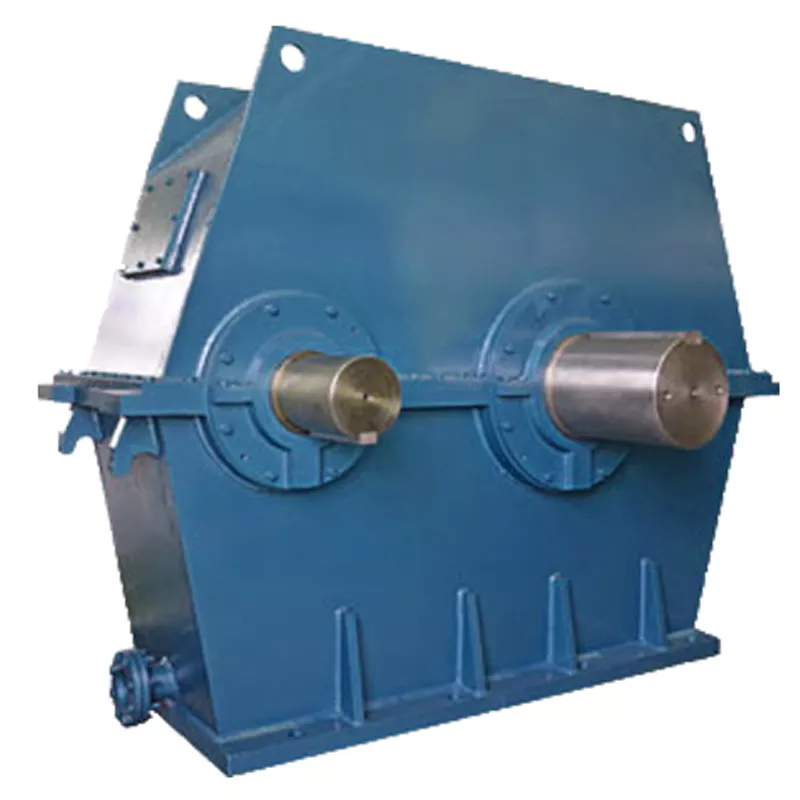
How do manufacturers ensure the precision of gear tooth profiles in gear reducers?
Manufacturers employ several techniques to ensure the precision of gear tooth profiles in gear reducers, which is crucial for optimal performance and efficiency:
1. Precision Machining: Gear teeth are typically machined using advanced CNC (Computer Numerical Control) machines that can achieve high levels of accuracy and repeatability. This ensures consistent gear tooth profiles across multiple components.
2. Quality Control Measures: Rigorous quality control processes, such as dimensional inspections and profile measurements, are performed at various stages of manufacturing to verify that gear tooth profiles meet the required specifications.
3. Tooth Profile Design: Engineers use specialized software and simulation tools to design gear tooth profiles with precise involute shapes and accurate dimensions. These designs are then translated into machine instructions for manufacturing.
4. Material Selection: High-quality materials with excellent wear resistance and dimensional stability are chosen to minimize the potential for deformation or inaccuracies during machining and operation.
5. Heat Treatment: Heat treatment processes, such as carburizing and quenching, are applied to enhance the surface hardness and durability of gear teeth, reducing the risk of wear and deformation over time.
6. Tooth Grinding and Finishing: After initial machining, gear teeth often undergo precision grinding and finishing processes to achieve the desired tooth profile accuracy and surface finish.
7. Post-Processing Inspection: Gear tooth profiles are inspected again after manufacturing processes to verify that the final components meet the specified tolerances and performance criteria.
8. Computer-Aided Manufacturing (CAM): CAM software is used to generate tool paths and machining instructions, enabling precise control over tool movements and material removal during gear manufacturing.
By combining these techniques and leveraging advanced manufacturing technologies, manufacturers can achieve the necessary precision in gear tooth profiles, resulting in reliable and efficient gear reducers for various industrial applications.
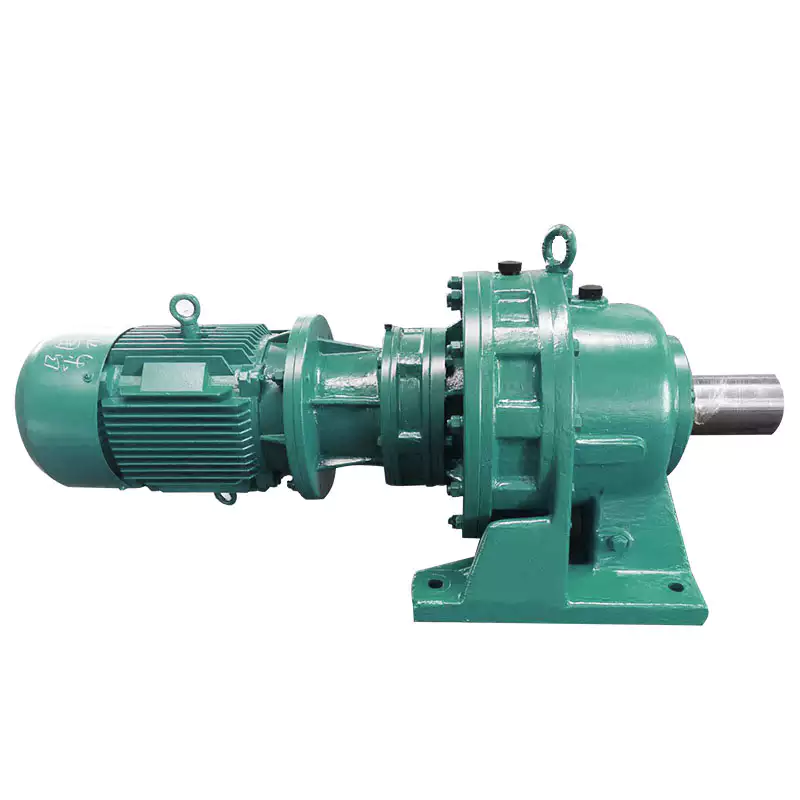
¿Qué papel juegan las relaciones de transmisión en la optimización del rendimiento de los reductores de engranajes?
Las relaciones de transmisión desempeñan un papel crucial en la optimización del rendimiento de los reductores, ya que determinan la relación entre las velocidades de entrada y salida y los pares. Una relación de transmisión es la relación del número de dientes entre dos engranajes engranados e influye directamente en la ventaja mecánica y la eficiencia del reductor.
1. Conversión de velocidad y par: Las relaciones de transmisión permiten a los reductores convertir la velocidad de rotación y el par según las necesidades de una aplicación específica. Al seleccionar las relaciones de transmisión adecuadas, los reductores pueden reducir la velocidad y aumentar el par (reducción de velocidad) o aumentar la velocidad y disminuir el par (aumento de velocidad).
2. Ventaja mecánica: Los reductores de engranajes aprovechan las relaciones de transmisión para proporcionar una ventaja mecánica. En configuraciones de reducción de velocidad, una relación de transmisión más alta genera una mayor ventaja mecánica, lo que permite que el eje de salida proporcione un mayor par a menor velocidad. Esto resulta beneficioso para aplicaciones que requieren mayor fuerza o par, como maquinaria pesada o sistemas de transporte.
3. Eficiencia: Unas relaciones de transmisión óptimas contribuyen a una mayor eficiencia en los reductores. Al distribuir la carga entre varios dientes, los reductores con relaciones de transmisión adecuadas minimizan la tensión y el desgaste en cada diente, lo que se traduce en una mayor eficiencia general y una mayor vida útil.
4. Igualación de velocidad: Las relaciones de transmisión permiten que los reductores de engranajes adapten las velocidades de rotación de los ejes de entrada y salida. Esto es crucial en aplicaciones que requieren una sincronización precisa de la velocidad, como en cintas transportadoras, robótica y procesos de fabricación.
Al seleccionar las relaciones de transmisión para un reductor, es importante considerar los requisitos específicos de la aplicación, como la velocidad, el par, la eficiencia y la ventaja mecánica deseados. Unas relaciones de transmisión bien seleccionadas mejoran el rendimiento general y la fiabilidad de los reductores en una amplia gama de sistemas industriales y mecánicos.
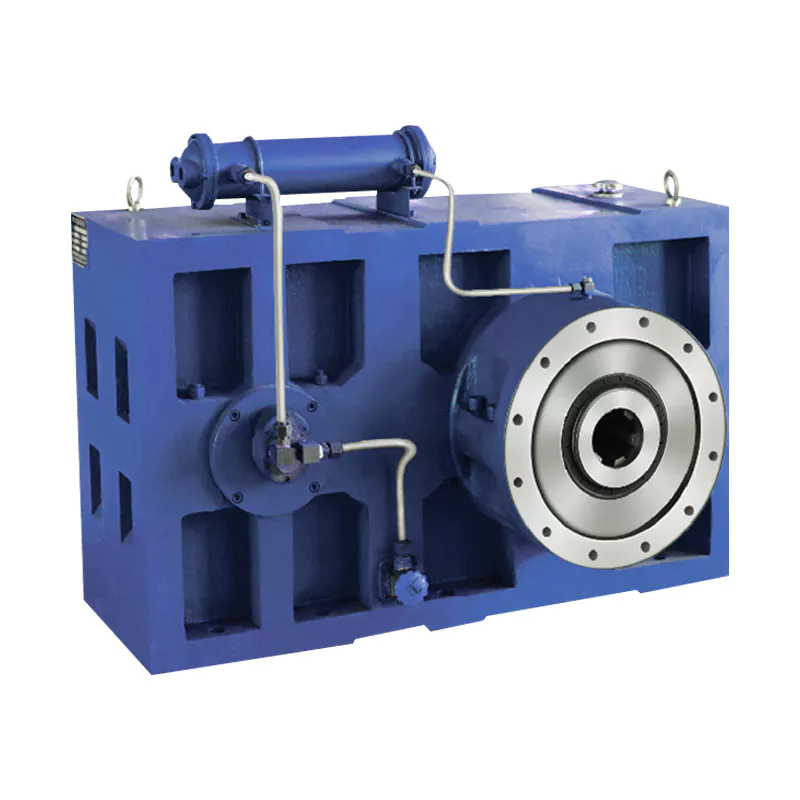
What industries and machinery commonly utilize gear reducers?
Gear reducers are widely used across various industries and types of machinery for torque reduction and speed control. Some common industries and applications include:
- 1. Manufacturing: Gear reducers are used in manufacturing equipment such as conveyors, mixers, and packaging machines to control speed and transmit power efficiently.
- 2. Automotive: They are utilized in vehicles for applications like power transmission in transmissions and differentials.
- 3. Aerospace: Gear reducers are used in aircraft systems, including landing gear mechanisms and engine accessories.
- 4. Robotics and Automation: They play a crucial role in robotic arms, CNC machines, and automated production lines.
- 5. Mining and Construction: Gear reducers are used in heavy machinery like excavators, bulldozers, and crushers for power transmission and torque multiplication.
- 6. Energy and Power Generation: Wind turbines, hydroelectric generators, and other power generation equipment use gear reducers to convert rotational speed and transmit power.
- 7. Marine and Shipbuilding: They are used in ship propulsion systems, steering mechanisms, and anchor handling equipment.
- 8. Material Handling: Gear reducers are essential in conveyor systems, elevators, and hoists for controlled movement of materials.
- 9. Food and Beverage: They find applications in food processing equipment like mixers, grinders, and packaging machines.
- 10. Paper and Pulp: Gear reducers are used in machinery for pulp processing, paper production, and printing.
These examples represent just a fraction of the industries and machinery that benefit from the use of gear reducers to optimize power transmission and achieve the desired motion characteristics.


editor by CX 2024-03-27