Descripción del Producto
High precision PLF PLE series Planetary Gearbox for flange Servo Motor
| Product name | Precision Planetary Reducer |
| Model No. | AB42-AB220 |
| Layout form | Planetary structure |
| Speed ratio | 3-512 |
| Output torque | 20-1500N.M |
| Power | 50W~30KW |
| Input speed | 0~4000RPM |
| Velocidad de salida | 0~1300RPM |
| Output type | Shaft type |
| Installation | Flange mounting |
Description of planetary gearbox:
es: PLE, PLF
2) Gearbox outline dimension: 60, 80, 90,120, 160
3) Reduction ratio: 3, 4, 5, 7, 10, 9, 12, 16, 20, 28, 35, 40, 50,64, 70, 80, 100, 125, 140, 175,200, 250, 350, 400,500,700,1000.
4) Lubrication: Lifetime lubrication
5) Input speed: 3000- 8000rpm
6) Life: >20, 000 hours
7) Backlash: Stage 1: <10(arcmin)
Stage 2: <15(arcmin)
Stage 3: <22 (arcmin)
8) Operating temperature: -25°C to +90°C
Low backlash Planetary Gearbox for ECMA CHINAMFG Servo Motor Main Features:
1. low backlash
2. high output torque-the industry’s highest torque density
3. balanced motor pinion
4. high efficiency(up to 98%)
5. ratio 3:1 to 1000:1
6. low noise
7. operable in any mounting positions
8. lifetime lubrication
Detailed Image
ParametersPLE planetary gearbox for servo motor
|
Model |
PLE /PLF SERIES |
|
Model |
PLE /PLF 60, 80, 90, 120, 160 |
|
4 optional sizes |
60mm, 90mm, 120mm, 160mm |
|
Rated Torque |
8.5N.m-680N.m |
|
Gear Ratio One-stage |
3, 4, 5, 7, 10 |
|
Gear Ratio Two-stage |
12, 16, 20, 25, 28, 35, 40, 50, 70 |
|
Gear Ratio Three-stage |
80, 100, 125, 140, 175, 200, 250, 280, 350 |
Note : It’s just the typical technical data for you reference, The specification such as voltage, speed, torque, shaft ,speed ratio can customized.
Product Overview
PRODUCT SPECIFICAT
PLE series spur gear planetary gear motor
Product application scenarios
Descripción del Producto
Precision planetary gear reducer is another name for planetary gear reducer in the industry. Its main transmission structure is planetary gear, sun gear and inner gear ring.
Compared with other gear reducers, precision planetary gear reducers have the characteristics of high rigidity, high precision (single stage can achieve less than 1 point), high transmission efficiency (single stage can achieve 97% – 98%), high torque/volume ratio, lifelong maintenance-free, etc. Most of them are installed on stepper motor and servo motor to reduce speed, improve torque and match inertia.
Company Profile
/* 22 de enero de 2571 19:08:37 */!function(){function s(e,r){var a,o={};try{e&&e.split(“”,).forEach(function(e,t){e&&(a=e.match(/(.*?):(.*)$/))&&1
| Dureza: | Superficie del diente endurecida |
|---|---|
| Instalación: | Vertical Type |
| Disposición: | Coaxial |
| Gear Shape: | Planetary |
| Paso: | Un solo paso |
| Tipo: | Gear Reducer |
| Muestras: |
US$ 100/Piece
1 pieza (pedido mínimo) | |
|---|
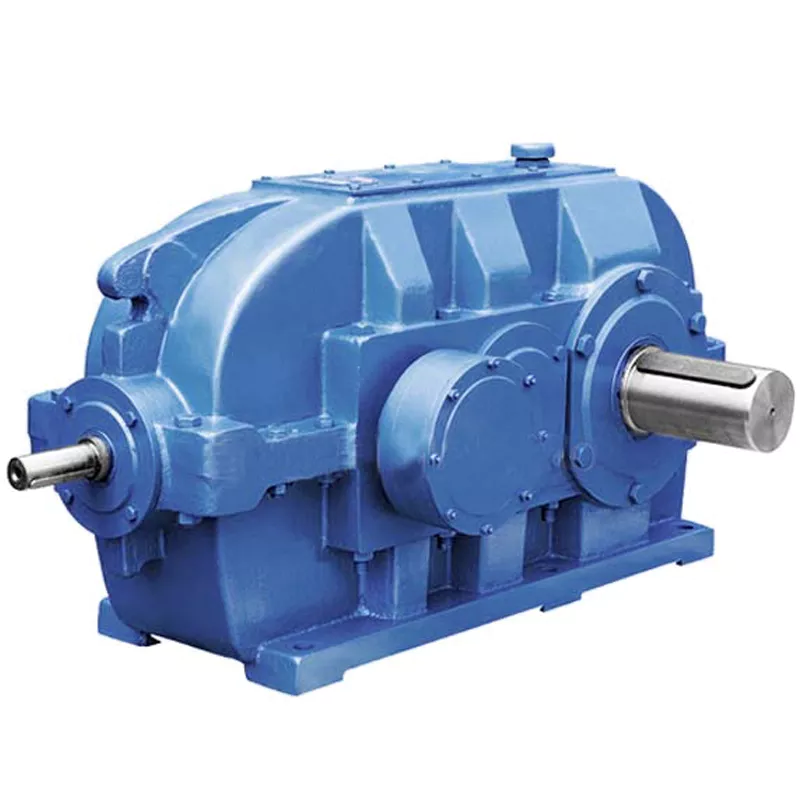
¿Cómo mejoran los reductores de engranajes la eficiencia de los sistemas de transporte y la robótica?
Los reductores de engranajes desempeñan un papel fundamental en la mejora de la eficiencia de los sistemas de transporte y la robótica, optimizando la velocidad, el par y el control. A continuación, se detalla su contribución:
Sistemas transportadores:
En los sistemas transportadores, los reductores de engranajes mejoran la eficiencia de las siguientes maneras:
- Control de velocidad: Los reductores de engranajes permiten un control preciso de la velocidad de rotación de las cintas transportadoras, garantizando que los materiales se transporten a la velocidad deseada para procesos de producción eficientes.
- Ajuste de par: Al ajustar las relaciones de engranajes, los reductores de engranajes proporcionan el torque necesario para manejar cargas variables y evitar la sobrecarga, minimizando el desperdicio de energía.
- Operación inversa: Los reductores de engranajes permiten un movimiento bidireccional suave de las cintas transportadoras, facilitando tareas como carga, descarga y distribución sin necesidad de componentes adicionales.
- Sincronización: Los reductores de engranajes garantizan el movimiento sincronizado de múltiples cintas transportadoras en sistemas complejos, optimizando el flujo de material y minimizando atascos o cuellos de botella.
Robótica:
En robótica, los reductores de engranajes mejoran la eficiencia a través de los siguientes medios:
- Movimiento de precisión: Los reductores de engranajes proporcionan un control preciso sobre el movimiento de las articulaciones y los brazos del robot, lo que permite un posicionamiento y una manipulación precisos de los objetos.
- Inercia reducida: Los reductores de engranajes ayudan a reducir la inercia que experimentan los componentes robóticos, lo que permite movimientos más rápidos y con mayor capacidad de respuesta al tiempo que conservan energía.
- Diseño compacto: Los reductores de engranajes ofrecen una solución compacta y liviana para lograr diversos perfiles de movimiento en sistemas robóticos, lo que permite un uso eficiente del espacio y los recursos.
- Amplificación de par: Al amplificar el torque del motor, los reductores de engranajes permiten a los robots manejar cargas más pesadas y realizar tareas que requieren mayor fuerza, mejorando sus capacidades generales.
Al proporcionar un control de velocidad preciso, ajuste de torque y transmisión de movimiento confiable, los reductores de engranajes optimizan el rendimiento de los sistemas transportadores y la robótica, lo que genera una mayor eficiencia, un menor consumo de energía y capacidades operativas mejoradas.
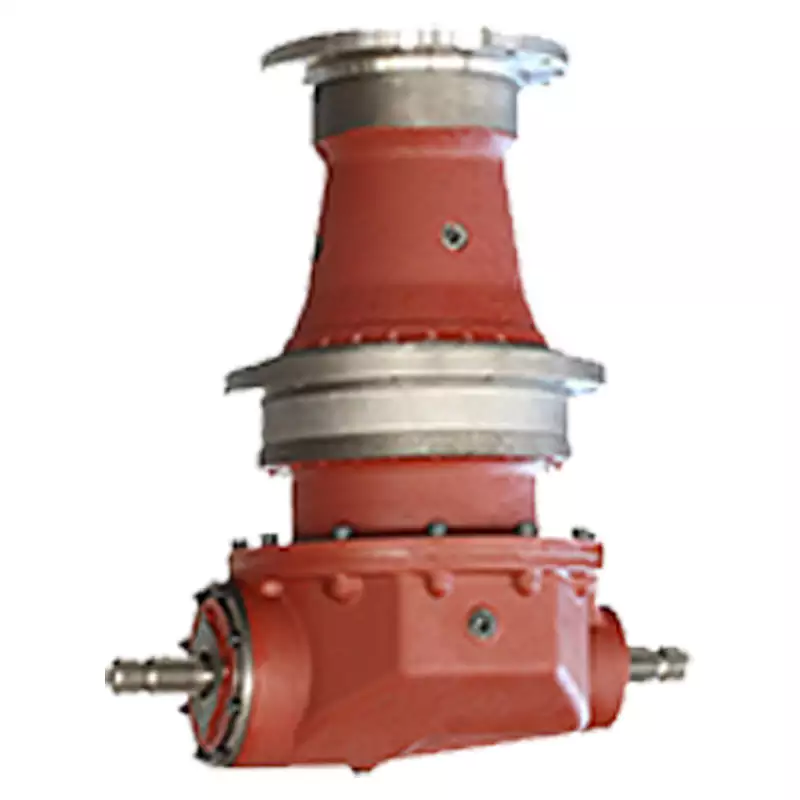
What maintenance practices are essential for prolonging the lifespan of gear reducers?
Proper maintenance is crucial for extending the lifespan and ensuring optimal performance of gear reducers. Here are essential maintenance practices:
- 1. Lubrication: Regular lubrication of gear reducers is vital to reduce friction, wear, and heat generation. Use the recommended lubricant and follow the manufacturer’s guidelines for lubrication intervals.
- 2. Inspection: Routinely inspect gear reducers for signs of wear, damage, or leaks. Check for unusual noises, vibrations, or temperature increases during operation.
- 3. Alignment: Ensure proper alignment of the input and output shafts. Misalignment can lead to increased wear, noise, and reduced efficiency. Align the components according to the manufacturer’s specifications.
- 4. Cooling and Ventilation: Maintain proper cooling and ventilation to prevent overheating. Ensure that cooling fans and vents are clean and unobstructed.
- 5. Seal Maintenance: Inspect and replace seals as needed to prevent contaminants from entering the gear reducer. Contaminants can lead to accelerated wear and reduced performance.
- 6. Bolts and Fasteners: Regularly check and tighten bolts and fasteners to prevent loosening during operation, which can cause misalignment or component damage.
- 7. Replacing Worn Components: Replace worn or damaged components, such as gears, bearings, and seals, with genuine parts from the manufacturer.
- 8. Vibration Analysis: Conduct periodic vibration analysis to identify potential issues early. Excessive vibration can indicate misalignment or component wear.
- 9. Maintenance Records: Keep detailed maintenance records, including lubrication schedules, inspection dates, and component replacements. This helps track the history of the gear reducer and aids in future maintenance planning.
- 10. Training: Provide proper training to maintenance personnel on gear reducer maintenance and troubleshooting techniques.
By adhering to these maintenance practices, you can maximize the lifespan of your gear reducers, minimize downtime, and ensure reliable operation in your industrial processes.
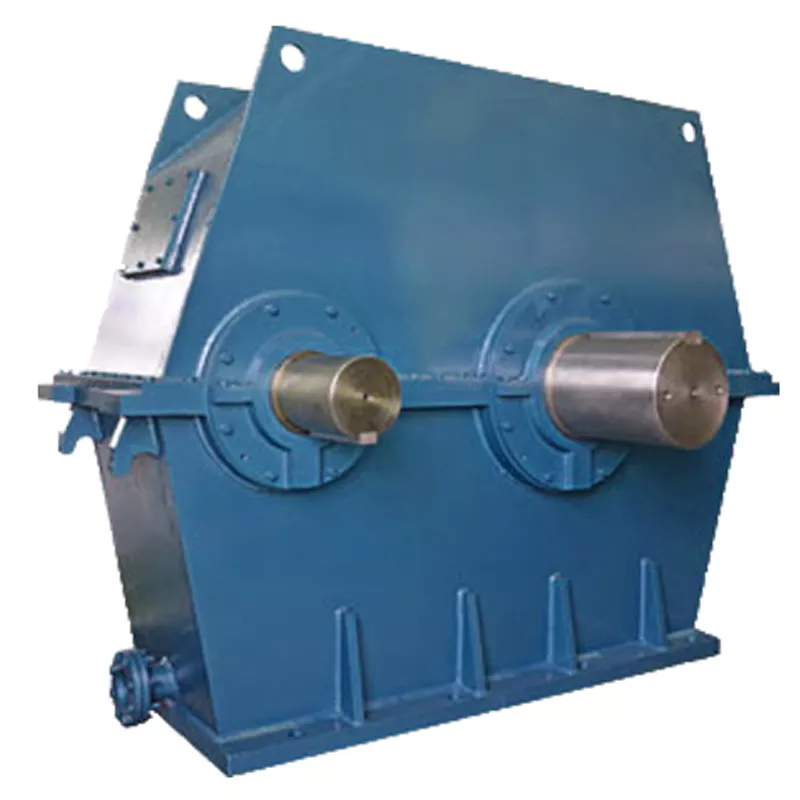
Function of Gear Reducers in Mechanical Systems
A gear reducer, also known as a gear reduction unit or gearbox, is a mechanical device designed to reduce the speed of an input shaft while increasing its torque output. It accomplishes this through the use of a set of interlocking gears with different sizes.
The primary function of a gear reducer in mechanical systems is to:
- Speed Reduction: The gear reducer takes the high-speed rotation of the input shaft and transmits it to the output shaft through a set of gears. The gears are configured in such a way that the output gear has a larger diameter than the input gear. As a result, the output shaft rotates at a lower speed than the input shaft, but with increased torque.
- Torque Increase: Due to the size difference between the input and output gears, the torque applied to the output shaft is greater than that of the input shaft. This torque multiplication allows the system to handle heavier loads and perform tasks requiring higher force.
Gear reducers are widely used in various industries and applications where it’s necessary to adapt the speed and torque characteristics of a power source to meet the requirements of the driven equipment. They can be found in machinery such as conveyor systems, industrial machinery, vehicles, and more.


editor by CX 2024-05-02