Descripción del Producto
High Precision Planetary Gearbox With Laser Equipment Machine Tool Manufacturing
Planetary gearbox is a kind of reducer with wide versatility. The inner gear adopts low carbon alloy steel carburizing quenching and grinding or nitriding process. Planetary gearbox has the characteristics of small structure size, large output torque, high speed ratio, high efficiency, safe and reliable performance, etc. The inner gear of the planetary gearbox can be divided into spur gear and helical gear. Customers can choose the right precision reducer according to the needs of the application.
Description:
1.The output shaft is made of large size,large span double bearing design,output shaft and planetary arm bracket as a whole.The input shaft is placed directly on the planet arm bracket to ensure that the reducer has high operating accuracy and maximum torsional rigidity.
2.Shell and the inner ring gear used integrated design,quenching and tempering after the processing of the teeth so that it can achieve high torque,high precision,high wear resistance.Moreover surface nickel-plated anti-rust treatment,so that its corrosion resistance greatly enhanced.
3.The planetary gear transmission employs full needle roller without retainer to increase the contact surface,which greatly upgrades structural rigidity and service life.
4.The gear is made of Japanese imported material.After the metal cutting process,the vacuum carburizing heat treatment to 58-62HRC. And then by the hobbing,Get the best tooth shape,tooth direction,to ensure that the gear of high precision and good impact toughness.
5.Input shaft and sun gear integrated structure,in order to improve the operation accuracy of the reducer.
6.Ring gear processing technology: Using internal gear slotting machine and hobbing machine; the precision of ring gear after processing can reach .GB7.
Parámetros del producto
(1) Low Noise:The use of helical gear design,to achieve a smooth,quite operation of the reducer.
(2) High Precision:Backlash is 3 arcmin or less,accurate positioning.
(3) High Rigidity,High Torque:The output shaft used large size,large span double support bearing design,which improves the rigidity and torque of the reducer.
(4) High Efficiency:1-stage up to 95% or more,2-stage up to 92% or more.
(5) Maintenance-Free:Low grease wear,can be lifetime lubrication.
(6) Sealing Effect is Good:Lubricating grease with high viscosity,not easy to separate the characteristics,ip65 protection class to ensure that no grease leakage.
(7) Installation Unrestrained:Can be installed arbitrarily.
(8) Wide Applicability:Applicable to any type of servo motor.
(9) An organic [integral] whole output axis.
| Specifications | PRF40 | PRF60 | PRF80 | PRF90 | PRF120 | PRF160 | |||
| Technal Parameters | |||||||||
| Max. Torque | Nm | 1.5times rated torque | |||||||
| Emergency Stop Torque | Nm | 2.5times rated torque | |||||||
| Max. Radial Load | N | 185 | 240 | 400 | 450 | 1240 | 2250 | ||
| Max. Axial Load | N | 150 | 220 | 420 | 430 | 1000 | 1500 | ||
| Torsional Rigidity | Nm/arcmin | 0.7 | 1.8 | 4.7 | 4.85 | 11 | 35 | ||
| Max.Input Speed | rpm | 8000 | 8000 | 6000 | 6000 | 6000 | 4000 | ||
| Rated Input Speed | rpm | 4500 | 4000 | 3500 | 3500 | 3500 | 3000 | ||
| Noise | dB | ≤55 | ≤58 | ≤60 | ≤60 | ≤65 | ≤70 | ||
| Average Life Time | h | 20000 | |||||||
| Efficiency Of Full Load | % | L1≥96% L2≥94% | |||||||
| Return Backlash | P1 | L1 | arcmin | ≤8 | ≤8 | ≤8 | ≤8 | ≤8 | ≤8 |
| L2 | arcmin | ≤12 | ≤12 | ≤12 | ≤12 | ≤12 | ≤12 | ||
| P2 | L1 | arcmin | ≤16 | ≤16 | ≤16 | ≤16 | ≤16 | ≤16 | |
| L2 | arcmin | ≤20 | ≤20 | ≤20 | ≤20 | ≤20 | ≤20 | ||
| Moment Of Inertia Table | L1 | 3 | Kg*cm2 | 0.1 | 0.46 | 0.77 | 1.73 | 12.78 | 36.72 |
| 4 | Kg*cm2 | 0.1 | 0.46 | 0.77 | 1.73 | 12.78 | 36.72 | ||
| 5 | Kg*cm2 | 0.1 | 0.46 | 0.77 | 1.73 | 12.78 | 36.72 | ||
| 7 | Kg*cm2 | 0.06 | 0.41 | 0.65 | 1.42 | 11.38 | 34.02 | ||
| 10 | Kg*cm2 | 0.06 | 0.41 | 0.65 | 1.42 | 11.38 | 34.02 | ||
| L2 | 12 | Kg*cm2 | 0.08 | 0.44 | 0.72 | 1.49 | 12.18 | 34.24 | |
| 15 | Kg*cm2 | 0.08 | 0.44 | 0.72 | 1.49 | 12.18 | 34.24 | ||
| 16 | Kg*cm2 | 0.08 | 0.44 | 0.72 | 1.49 | 12.18 | 34.24 | ||
| 20 | Kg*cm2 | 0.08 | 0.44 | 0.72 | 1.49 | 12.18 | 34.24 | ||
| 25 | Kg*cm2 | 0.08 | 0.44 | 0.72 | 1.49 | 12.18 | 34.24 | ||
| 28 | Kg*cm2 | 0.08 | 0.44 | 0.72 | 1.49 | 12.18 | 34.24 | ||
| 30 | Kg*cm2 | 0.08 | 0.44 | 0.72 | 1.49 | 12.18 | 34.24 | ||
| 35 | Kg*cm2 | 0.08 | 0.44 | 0.72 | 1.49 | 12.18 | 34.24 | ||
| 40 | Kg*cm2 | 0.08 | 0.44 | 0.72 | 1.49 | 12.18 | 34.24 | ||
| 50 | Kg*cm2 | 0.05 | 0.34 | 0.58 | 1.25 | 11.48 | 34.02 | ||
| 70 | Kg*cm2 | 0.05 | 0.34 | 0.58 | 1.25 | 11.48 | 34.02 | ||
| 100 | Kg*cm2 | 0.05 | 0.34 | 0.58 | 1.25 | 11.48 | 34.02 | ||
| Technical Parameter | Level | Ratio | PRF40 | PRF60 | PRF80 | PRF90 | PRF120 | PRF160 | |
| Rated Torque | L1 | 3 | Nm | / | 27 | 50 | 96 | 161 | 384 |
| 4 | Nm | 16 | 40 | 90 | 122 | 210 | 423 | ||
| 5 | Nm | 15 | 40 | 90 | 122 | 210 | 423 | ||
| 7 | Nm | 12 | 34 | 48 | 95 | 170 | 358 | ||
| 10 | Nm | 10 | 16 | 22 | 56 | 86 | 210 | ||
| L2 | 12 | Nm | / | 27 | 50 | 95 | 161 | 364 | |
| 15 | Nm | / | 27 | 50 | 96 | 161 | 364 | ||
| 16 | Nm | 16 | 40 | 90 | 122 | 210 | 423 | ||
| 20 | Nm | 15 | 40 | 90 | 122 | 210 | 423 | ||
| 25 | Nm | 16 | 40 | 90 | 122 | 210 | 423 | ||
| 28 | Nm | 16 | 40 | 90 | 122 | 210 | 423 | ||
| 30 | Nm | / | 27 | 50 | 96 | 161 | 364 | ||
| 35 | Nm | 12 | 40 | 90 | 122 | 210 | 423 | ||
| 40 | Nm | 16 | 40 | 90 | 122 | 210 | 423 | ||
| 50 | Nm | 15 | 40 | 90 | 122 | 210 | 423 | ||
| 70 | Nm | 12 | 34 | 48 | 95 | 170 | 358 | ||
| 100 | Nm | 10 | 16 | 22 | 96 | 80 | 210 | ||
| Degree Of Protection | IP65 | ||||||||
| Operation Temprature | ºC | – 10ºC to -90ºC | |||||||
| Weight | L1 | kg | 0.43 | 0.98 | 2.3 | 3.12 | 7.08 | 15.5 | |
| L2 | kg | 0.65 | 1.26 | 2.97 | 3.82 | 8.7 | 17 | ||
Company Profile
FAQ
1. who are we?
Hefa Group is based in ZheJiang , China, start from 1998,has a 3 subsidiaries in total.The Main Products is planetary gearbox,timing belt pulley, helical gear,spur gear,gear rack,gear ring,chain wheel,hollow rotating platform,module,etc
2. how can we guarantee quality?
Always a pre-production sample before mass production;
Always final Inspection before shipment;
3. how to choose the suitable planetary gearbox?
First of all,we need you to be able to provide relevant parameters.If you have a motor drawing,it will let us recommend a suitable gearbox for you faster.If not,we hope you can provide the following motor parameters:output speed,output torque,voltage,current,ip,noise,operating conditions,motor size and power,etc
4. why should you buy from us not from other suppliers?
We are a 22 years experiences manufacturer on making the gears, specializing in manufacturing all kinds of spur/bevel/helical gear, grinding gear, gear shaft, timing pulley, rack, planetary gear reducer, timing belt and such transmission gear parts
5. what’s your lead time?
Generally speaking, our samples will need 7-15 days.
We are very flexible on the lead time, it will depend on the specific orders
/* 22 de enero de 2571 19:08:37 */!function(){function s(e,r){var a,o={};try{e&&e.split(“”,).forEach(function(e,t){e&&(a=e.match(/(.*?):(.*)$/))&&1
| Solicitud: | Motor, Electric Cars, Motorcycle, Machinery, Marine, Toy, Agricultural Machinery, Car, Automation Equipment |
|---|---|
| Dureza: | Superficie del diente endurecida |
| Instalación: | Vertical Type |
| Disposición: | Coaxial |
| Gear Shape: | Bevel Gear |
| Paso: | Un solo paso |
| Muestras: |
US$ 104/Piece
1 pieza (pedido mínimo) | |
|---|
| Personalización: |
Disponible
| Solicitud personalizada |
|---|
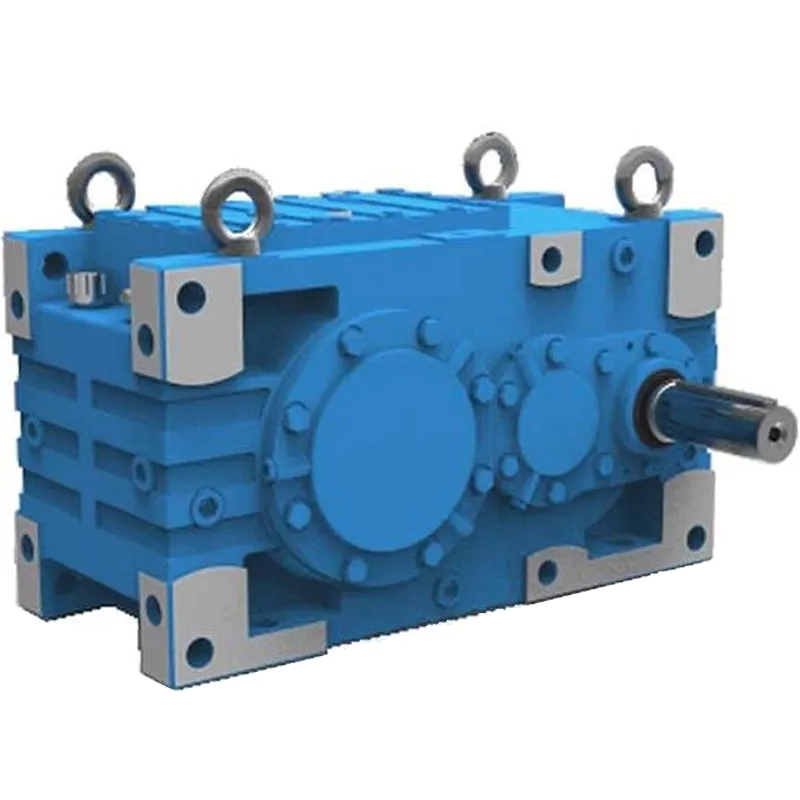
How do gear reducers contribute to energy efficiency in machinery and equipment?
Gear reducers play a significant role in enhancing energy efficiency in various machinery and equipment. Here’s how they contribute:
1. Reducción de velocidad: Gear reducers are commonly used to reduce the speed of the input shaft, allowing the motor to operate at a higher speed where it’s most efficient. This speed reduction helps match the motor’s optimal operating range, reducing energy consumption.
2. Aumento del par: Gear reducers can increase torque output while decreasing speed, enabling machinery to handle higher loads without the need for a larger, more energy-intensive motor.
3. Matching Load Requirements: By adjusting gear ratios, gear reducers ensure that the machinery’s output speed and torque match the load requirements. This prevents the motor from operating at unnecessary high speeds, saving energy.
4. Variable Speed Applications: In applications requiring variable speeds, gear reducers allow for efficient speed control without the need for continuous motor adjustments, improving energy usage.
5. Efficient Power Transmission: Gear reducers efficiently transmit power from the motor to the load, minimizing energy losses due to friction and inefficiencies.
6. Motor Downsizing: Gear reducers enable the use of smaller, more energy-efficient motors by converting their higher speed, lower torque output into the lower speed, higher torque needed for the application.
7. Decoupling Motor and Load Speeds: In cases where the motor and load speeds are inherently different, gear reducers ensure the motor operates at its most efficient speed while still delivering the required output to the load.
8. Overcoming Inertia: Gear reducers help overcome the inertia of heavy loads, making it easier for motors to start and stop, reducing energy consumption during frequent operation.
9. Precise Control: Gear reducers provide precise control over speed and torque, optimizing the energy consumption of machinery in processes that require accurate adjustments.
10. Regenerative Braking: In some applications, gear reducers can be used to capture and convert kinetic energy back into electrical energy during braking or deceleration, improving overall energy efficiency.
By efficiently managing speed, torque, and power transmission, gear reducers contribute to energy-efficient operation, reducing energy consumption, and minimizing the environmental impact of machinery and equipment.
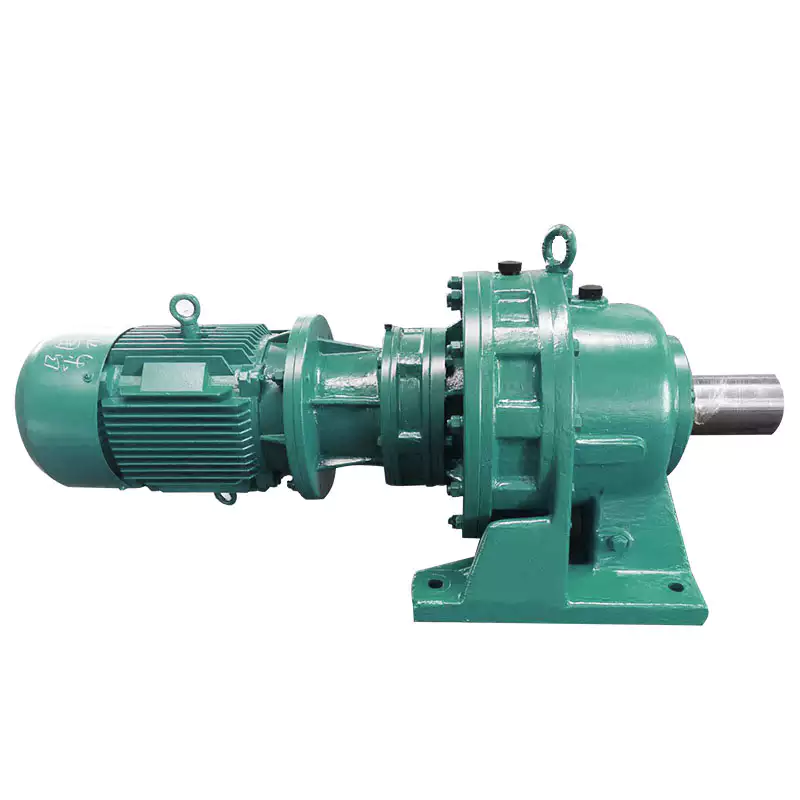
¿Qué papel juegan las relaciones de transmisión en la optimización del rendimiento de los reductores de engranajes?
Las relaciones de transmisión desempeñan un papel crucial en la optimización del rendimiento de los reductores, ya que determinan la relación entre las velocidades de entrada y salida y los pares. Una relación de transmisión es la relación del número de dientes entre dos engranajes engranados e influye directamente en la ventaja mecánica y la eficiencia del reductor.
1. Conversión de velocidad y par: Las relaciones de transmisión permiten a los reductores convertir la velocidad de rotación y el par según las necesidades de una aplicación específica. Al seleccionar las relaciones de transmisión adecuadas, los reductores pueden reducir la velocidad y aumentar el par (reducción de velocidad) o aumentar la velocidad y disminuir el par (aumento de velocidad).
2. Ventaja mecánica: Los reductores de engranajes aprovechan las relaciones de transmisión para proporcionar una ventaja mecánica. En configuraciones de reducción de velocidad, una relación de transmisión más alta genera una mayor ventaja mecánica, lo que permite que el eje de salida proporcione un mayor par a menor velocidad. Esto resulta beneficioso para aplicaciones que requieren mayor fuerza o par, como maquinaria pesada o sistemas de transporte.
3. Eficiencia: Unas relaciones de transmisión óptimas contribuyen a una mayor eficiencia en los reductores. Al distribuir la carga entre varios dientes, los reductores con relaciones de transmisión adecuadas minimizan la tensión y el desgaste en cada diente, lo que se traduce en una mayor eficiencia general y una mayor vida útil.
4. Igualación de velocidad: Las relaciones de transmisión permiten que los reductores de engranajes adapten las velocidades de rotación de los ejes de entrada y salida. Esto es crucial en aplicaciones que requieren una sincronización precisa de la velocidad, como en cintas transportadoras, robótica y procesos de fabricación.
Al seleccionar las relaciones de transmisión para un reductor, es importante considerar los requisitos específicos de la aplicación, como la velocidad, el par, la eficiencia y la ventaja mecánica deseados. Unas relaciones de transmisión bien seleccionadas mejoran el rendimiento general y la fiabilidad de los reductores en una amplia gama de sistemas industriales y mecánicos.
Can you explain the different types of gear reducers available in the market?
There are several types of gear reducers commonly used in industrial applications:
1. Spur Gear Reducers: These reducers have straight teeth and are cost-effective for applications requiring moderate torque and speed reduction. They are efficient but may produce more noise compared to other types.
2. Helical Gear Reducers: Helical gears have angled teeth, which provide smoother and quieter operation compared to spur gears. They offer higher torque capacities and are suitable for heavy-duty applications.
3. Bevel Gear Reducers: Bevel gears have conical shapes and intersect at an angle, allowing them to transmit power between non-parallel shafts. They are commonly used in applications where shafts intersect at 90 degrees.
4. Worm Gear Reducers: Worm gears consist of a worm (screw) and a mating gear (worm wheel). They offer high torque reduction and are used for applications requiring high ratios, although they can be less efficient.
5. Planetary Gear Reducers: These reducers use a system of planetary gears to achieve high torque output in a compact design. They provide excellent torque multiplication and are commonly used in robotics and automation.
6. Cycloidal Gear Reducers: Cycloidal drives use an eccentric cam to achieve speed reduction. They offer high shock load resistance and are suitable for applications with frequent starting and stopping.
7. Harmonic Drive Reducers: Harmonic drives use a flexible spline to achieve high gear reduction ratios. They provide high precision and are commonly used in applications requiring accurate positioning.
8. Hypoid Gear Reducers: Hypoid gears have helical teeth and non-intersecting shafts, making them suitable for applications with space limitations. They offer high torque and efficiency.
Each type of gear reducer has its own advantages and limitations, and the choice depends on factors such as torque requirements, speed ratios, noise levels, space constraints, and application-specific needs.


editor by CX 2024-03-03