Description du produit
Description du produit
Product Parameters
| Parameters | Unit | Level | Taux de réduction | Flange Size Specification | |||
| 042 | 060 | 090 | 120 | ||||
| Rated output torque T2n | N.m | 1 | 2 | 45 | 120 | 160 | |
| 3 | 15 | 45 | 120 | 160 | |||
| 5 | 45 | 120 | 160 | ||||
| 2 | 6 | 45 | 120 | 160 | |||
| 8 | 45 | 120 | 160 | ||||
| 9 | 15 | 45 | 120 | 160 | |||
| 10 | 45 | 120 | 160 | ||||
| 12 | 15 | 45 | 120 | 160 | |||
| 14 | 45 | 120 | 160 | ||||
| 15 | 15 | 45 | 120 | 160 | |||
| 20 | 45 | 120 | 160 | ||||
| Breaking moment value T2b | N.m | 1,2 | 2~20 | 40 | 120 | 320 | 450 |
| Rated input speed N1n | rpm | 1,2 | 2~20 | 2500 | 2500 | 2500 | 2500 |
| Standard Backlash | arcmin | 1 | 3~5 | 0.5 | 0.5 | 0.5 | 0.5 |
| 2 | 6~20 | 2 | 2 | 2 | 2 | ||
| Moment of inertia J1 | kg.cm2 | 1 | 3~10 | 0.02 | 0.07 | 0.25 | 0.8 |
| Efficiency η | % | 1 | 3~10 | 97% | |||
| Operating temperature | ºC | 1,2 | 2~20 | -10~+90 | |||
| Protection class | IP | 1,2 | 2~20 | IP65 | |||
| Weight | kg | 1 | 3~10 | 0.5 | 1.2 | 3.6 | 8 |
FAQ
Q: How to select a gearbox?
A: Firstly, determine the torque and speed requirements for your application. Consider the load characteristics, operating environment, and duty cycle. Then, choose the appropriate gearbox type, such as planetary, worm, or helical, based on the specific needs of your system. Ensure compatibility with the motor and other mechanical components in your setup. Lastly, consider factors like efficiency, backlash, and size to make an informed selection.
Q: What type of motor can be paired with a gearbox?
A: Gearboxes can be paired with various types of motors, including servo motors, stepper motors, and brushed or brushless DC motors. The choice depends on the specific application requirements, such as speed, torque, and precision. Ensure compatibility between the gearbox and motor specifications for seamless integration.
Q: Does a gearbox require maintenance, and how is it maintained?
A: Gearboxes typically require minimal maintenance. Regularly check for signs of wear, lubricate as per the manufacturer’s recommendations, and replace lubricants at specified intervals. Performing routine inspections can help identify issues early and extend the lifespan of the gearbox.
Q: What is the lifespan of a gearbox?
A: The lifespan of a gearbox depends on factors such as load conditions, operating environment, and maintenance practices. A well-maintained gearbox can last for several years. Regularly monitor its condition and address any issues promptly to ensure a longer operational life.
Q: What is the slowest speed a gearbox can achieve?
A: Gearboxes are capable of achieving very slow speeds, depending on their design and gear ratio. Some gearboxes are specifically designed for low-speed applications, and the choice should align with the specific speed requirements of your system.
Q: What is the maximum reduction ratio of a gearbox?
A: The maximum reduction ratio of a gearbox depends on its design and configuration. Gearboxes can achieve various reduction ratios, and it’s important to choose 1 that meets the torque and speed requirements of your application. Consult the gearbox specifications or contact the manufacturer for detailed information on available reduction ratios.
/* 22 janvier 2571 19:08:37 */!function(){function s(e,r){var a,o={};try{e&&e.split(“,”).forEach(function(e,t){e&&(a=e.match(/(.*?):(.*)$/))&&1
| Application: | Motor, Electric Cars, Machinery, Agricultural Machinery, Gearbox |
|---|---|
| Dureté: | Surface dentaire durcie |
| Installation: | Type vertical |
| Personnalisation : |
Disponible
| Demande personnalisée |
|---|
.shipping-cost-tm .tm-status-off{background: none;padding:0;color: #1470cc}
| Frais d'expédition :
Frais de transport estimés par unité. |
concernant les frais de livraison et le délai de livraison estimé. |
|---|
| Mode de paiement: |
|
|---|---|
|
Paiement initial Paiement intégral |
| Devise: | US$ |
|---|
| Retours et remboursements : | Vous pouvez demander un remboursement jusqu'à 30 jours après la réception des produits. |
|---|
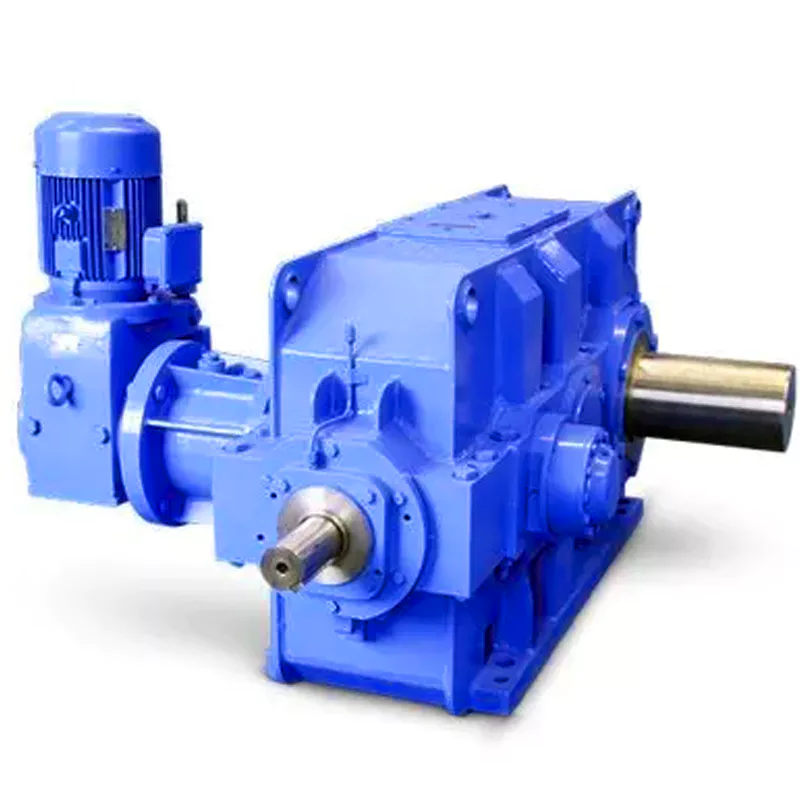
What are the considerations for choosing the appropriate lubrication for gear reducers?
Choosing the appropriate lubrication for gear reducers is crucial for ensuring optimal performance, longevity, and efficiency. Several considerations should be taken into account when selecting the right lubrication:
1. Load and Torque: The magnitude of the load and torque transmitted by the gear reducer affects the lubrication’s viscosity and film strength requirements. Heavier loads may necessitate higher viscosity lubricants.
2. Operating Speed: The speed at which the gear reducer operates impacts the lubrication’s ability to maintain a consistent and protective film between gear surfaces.
3. Temperature Range: Consider the temperature range of the operating environment. Lubricants with suitable viscosity indexes are crucial to maintaining performance under varying temperature conditions.
4. Contaminant Exposure: If the gear reducer is exposed to dust, dirt, water, or other contaminants, the lubrication should have proper sealing properties and resistance to contamination.
5. Lubrication Interval: Determine the desired maintenance interval. Some lubricants require more frequent replacement, while others offer extended operational periods.
6. Compatibility with Materials: Ensure that the chosen lubricant is compatible with the materials used in the gear reducer, including gears, bearings, and seals.
7. Noise and Vibration: Some lubricants have properties that can help reduce noise and dampen vibrations, improving the overall user experience.
8. Environmental Impact: Consider environmental regulations and sustainability goals when selecting lubricants.
9. Manufacturer Recommendations: Follow the manufacturer’s recommendations and guidelines for lubrication type, viscosity grade, and maintenance intervals.
10. Monitoring and Analysis: Implement a lubrication monitoring and analysis program to assess lubricant condition and performance over time.
By carefully evaluating these considerations and consulting with lubrication experts, industries can choose the most suitable lubrication for their gear reducers, ensuring reliable and efficient operation.
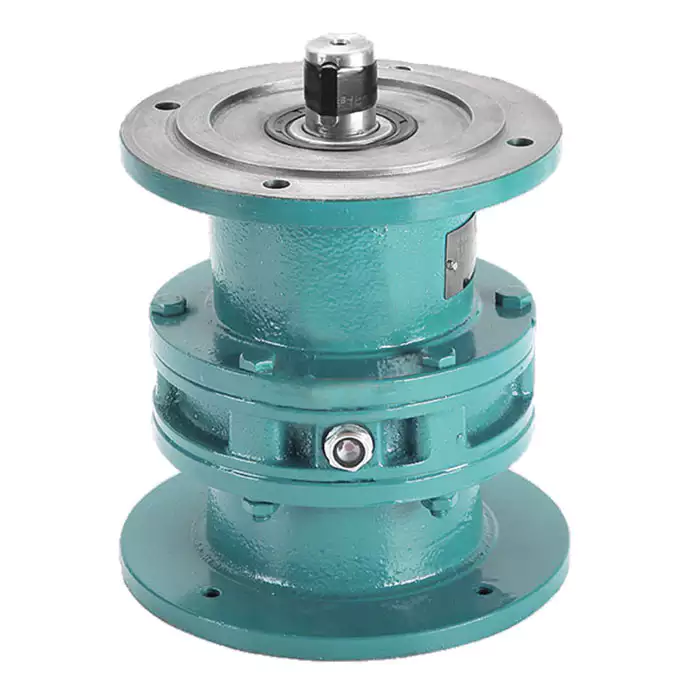
Comment les réducteurs de vitesse gèrent-ils les chocs et les variations soudaines de couple ?
Les réducteurs de vitesse sont conçus pour supporter les chocs et les variations soudaines de couple grâce à plusieurs mécanismes qui améliorent leur durabilité et leur fiabilité dans des conditions de fonctionnement difficiles.
1. Construction robuste : Les réducteurs sont fabriqués à partir de matériaux à haute résistance et selon des techniques de fabrication de précision. Ceci garantit que les engrenages, les roulements et les autres composants peuvent résister aux chocs soudains et aux fortes variations de couple sans se déformer ni se rompre.
2. Caractéristiques d'absorption des chocs : Certains réducteurs de vitesse intègrent des dispositifs d'absorption des chocs, tels que des accouplements flexibles, des éléments élastomères ou des engrenages à torsion flexible. Ces dispositifs contribuent à amortir et à dissiper l'énergie des chocs soudains ou des pics de couple, réduisant ainsi l'impact sur l'ensemble du système.
3. Limiteurs de couple : Dans les applications où les chocs sont fréquents, des limiteurs de couple peuvent être intégrés au réducteur. Ces dispositifs se désengagent ou patinent automatiquement lorsqu'un certain seuil de couple est dépassé, évitant ainsi d'endommager les engrenages et autres composants.
4. Protection contre les surcharges : Les réducteurs de vitesse peuvent être équipés de mécanismes de protection contre les surcharges, tels que des goupilles de cisaillement ou des capteurs de couple. Ces mécanismes détectent un couple excessif et désengagent temporairement la transmission, permettant ainsi au système d'absorber le choc ou de s'adapter à la variation soudaine de couple.
5. Lubrification adéquate : Une lubrification adéquate est essentielle pour gérer les chocs et les variations brusques de couple. Les lubrifiants de haute qualité réduisent la friction et l'usure, permettant ainsi au réducteur de résister aux forces dynamiques et de fonctionner en douceur.
6. Répartition dynamique de la charge : Les réducteurs répartissent les charges dynamiques sur plusieurs dents d'engrenage, ce qui contribue à prévenir les concentrations de contraintes localisées. Cette caractéristique minimise le risque de rupture des dents et d'endommagement des engrenages en cas de variations brusques de couple.
En intégrant ces caractéristiques de conception et ces mécanismes, les réducteurs d'engrenages peuvent gérer efficacement les chocs et les variations soudaines de couple, assurant ainsi la longévité et la fiabilité de divers systèmes industriels et mécaniques.
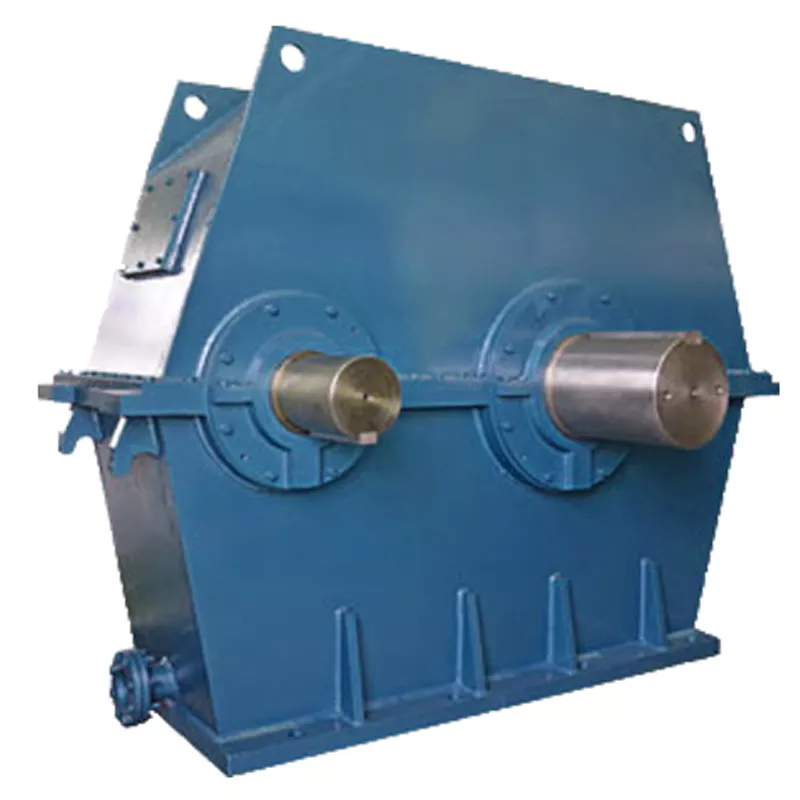
Function of Gear Reducers in Mechanical Systems
A gear reducer, also known as a gear reduction unit or gearbox, is a mechanical device designed to reduce the speed of an input shaft while increasing its torque output. It accomplishes this through the use of a set of interlocking gears with different sizes.
The primary function of a gear reducer in mechanical systems is to:
- Speed Reduction: The gear reducer takes the high-speed rotation of the input shaft and transmits it to the output shaft through a set of gears. The gears are configured in such a way that the output gear has a larger diameter than the input gear. As a result, the output shaft rotates at a lower speed than the input shaft, but with increased torque.
- Torque Increase: Due to the size difference between the input and output gears, the torque applied to the output shaft is greater than that of the input shaft. This torque multiplication allows the system to handle heavier loads and perform tasks requiring higher force.
Gear reducers are widely used in various industries and applications where it’s necessary to adapt the speed and torque characteristics of a power source to meet the requirements of the driven equipment. They can be found in machinery such as conveyor systems, industrial machinery, vehicles, and more.


editor by CX 2024-03-04