Deskripsi Produk
1.Ratio
| Stage 1 | Ratio: | 4.4:1 | 5.25:1 | 8.3 | ||||||
| Max. continuous torque | 2.34 N.m | |||||||||
| Max. intermittent torque at gear output | 7.29 N.m | |||||||||
| precision options | Routine Precision | ≤1.5°~2 °(Default Value) | ||||||||
| high precision | ≤5arcmin (Customizable) | |||||||||
| Stage 2 | Ratio: | 15:1 | 17:1 | 18:1 | 19:1 | 20:1 | 23:1 | |||
| Max. continuous torque | 3.1 N.m | |||||||||
| Max. intermittent torque at gear output | 9.3 N.m | |||||||||
| precision options | Routine Precision | ≤1.5°~2 °(Default Value) | ||||||||
| high precision | ≤10arcmin (Customizable) | |||||||||
| Stage 3 | Ratio: | 65.5:1 | 75:1 | 98:1 | 125:1 | 150:1 | 207:1 | 250:1 | ||
| Max. continuous torque | 3.88 N.m | |||||||||
| Max. intermittent torque at gear output | 11.64 N.m | |||||||||
| precision options | Routine Precision | ≤1.5°~2 °(Default Value) | ||||||||
| high precision | ≤15arcmin (Customizable) | |||||||||
| Stage 4 | Ratio: | 277:1 | 302:1 | 400:1 | 706:1 | 950:1 | 1500:1 | 1860:1 | 3380:1 | |
| Max. continuous torque | 4.65 N.m | |||||||||
| Max. intermittent torque at gear output | 13.9 N.m | |||||||||
| precision options | Routine Precision | ≤1.5°~2 °(Default Value) | ||||||||
| high precision | ≤20arcmin (Customizable) | |||||||||
2.Parameters of the gearbox
| Gear wheel material: | Metal | Lubricating: | grease | |
| Noise: | ≤50 db | Max. Input speed (r/min): | ≤30000 rpm | |
| It can be customed whe the input sped is over 40000 rpm | ||||
| Max. axial load: | ≤12Kgf | Max. radial load (10mm from flange): |
≤20Kgf | |
| Radial play of shaft: | ≤0.04mm | (optional) Back lash for 1 stage:
|
≤1.5°~2° | |
| ≤5~10arcmin | ||||
| Axial play of shaft: | ≤0.4mm | Opertating temperature range: | (-30~+100)ºC |
3.Dimensions of the gearbox
- The dimensions of the output and the input shaft can be customizable, and there will be a keyway on 4*4 in the standard output shaft
GHP32
- Gearbox Length is nonstandard at high speed
- Stage 4 “L”=53.7
- Stage 3 “L”=46.2
- Stage 2 “L”=38.7
- Stage 1 “L”=31.2
/* 22 Januari 2571 19:08:37 */!function(){function s(e,r){var a,o={};try{e&&e.split(“,”).forEach(function(e,t){e&&(a=e.match(/(.*?):(.*)$/))&&1
| Aplikasi: | Motor, Electric Cars, Machinery, Marine, Agricultural Machinery, Car |
|---|---|
| Kekerasan: | Permukaan Gigi yang Mengeras |
| Instalasi: | Tipe Horizontal |
| Tata letak: | Koaksial |
| Bentuk Roda Gigi: | Roda Gigi Silinder |
| Melangkah: | 1~4 |
| Kustomisasi: |
Tersedia
| Permintaan Khusus |
|---|
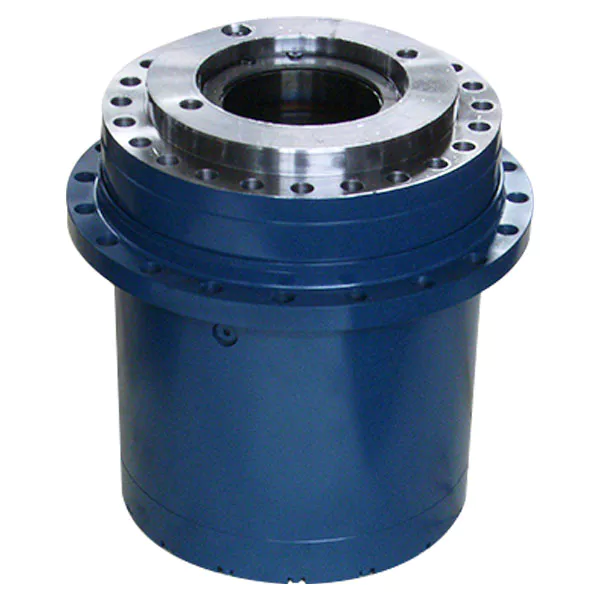
Tantangan dalam Mencapai Rasio Gigi Tinggi dengan Kekompakan pada Planetary Gearbox
Merancang kotak roda gigi planet dengan rasio roda gigi tinggi sambil tetap menjaga kekompakan menghadirkan beberapa tantangan:
- Batasan Ruang: Seiring meningkatnya rasio roda gigi, jumlah tingkat roda gigi yang dibutuhkan juga meningkat. Hal ini dapat menyebabkan ukuran kotak roda gigi yang lebih besar, yang mungkin sulit diakomodasi dalam aplikasi dengan ruang terbatas.
- Menahan Beban: Rasio gigi yang lebih tinggi sering kali mengakibatkan peningkatan beban pada bantalan dan komponen lainnya akibat redistribusi gaya. Hal ini dapat memengaruhi daya tahan dan umur pakai kotak roda gigi.
- Efisiensi: Setiap tingkat roda gigi menimbulkan kerugian akibat gesekan dan faktor lainnya. Dengan adanya beberapa tingkat roda gigi, efisiensi keseluruhan kotak roda gigi dapat menurun, yang memengaruhi efisiensi energinya.
- Kompleksitas: Mencapai rasio roda gigi yang tinggi dapat memerlukan pengaturan roda gigi yang rumit dan komponen tambahan, yang dapat menyebabkan meningkatnya kompleksitas dan biaya manufaktur.
- Efek Termal: Rasio gigi yang lebih tinggi dapat menyebabkan peningkatan panas akibat gesekan dan beban. Mengelola efek termal menjadi krusial untuk mencegah panas berlebih dan kegagalan komponen.
Untuk mengatasi tantangan ini, para perancang kotak roda gigi menggunakan material canggih, teknik pemesinan presisi, dan susunan bantalan inovatif untuk mengoptimalkan desain demi kekompakan dan kinerja. Simulasi dan pemodelan komputer memainkan peran penting dalam memprediksi perilaku kotak roda gigi dalam berbagai kondisi operasi, membantu memastikan keandalan dan efisiensi.
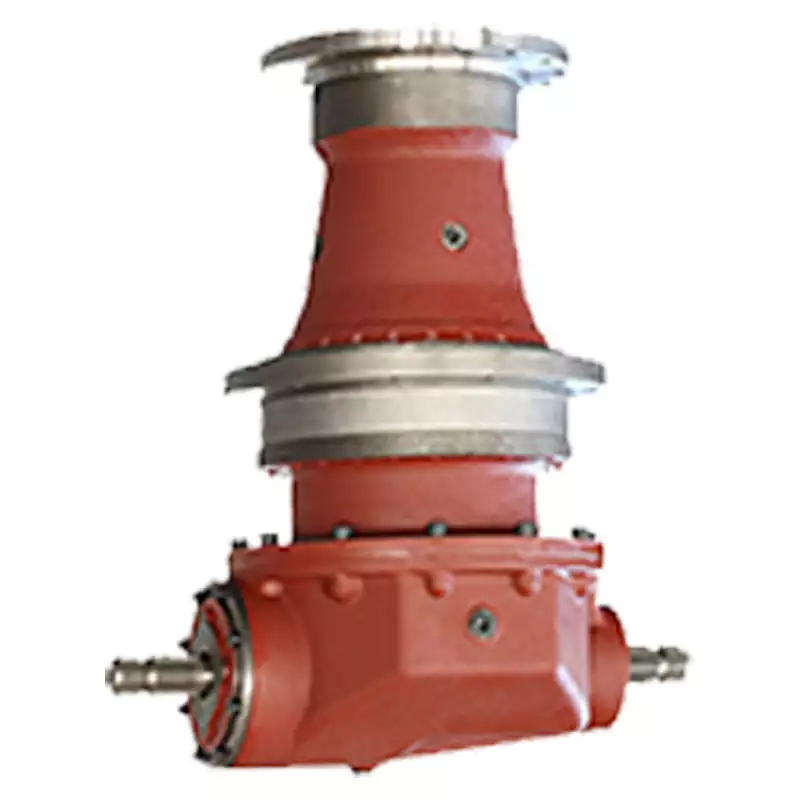
Considerations for Selecting Size and Gear Materials in Planetary Gearboxes
Choosing the appropriate size and gear materials for a planetary gearbox is crucial for optimal performance and reliability. Here are the key considerations:
1. Load and Torque Requirements: Evaluate the anticipated load and torque that the gearbox will experience in the application. Select a gearbox size that can handle the maximum load without exceeding its capacity, ensuring reliable and durable operation.
2. Gear Ratio: Determine the required gear ratio to achieve the desired output speed and torque. Different gear ratios are achieved by varying the number of teeth on the gears. Select a gearbox with a suitable gear ratio for your application’s requirements.
3. Efficiency: Consider the efficiency of the gearbox, which is influenced by factors such as gear meshing, bearing losses, and lubrication. A higher efficiency gearbox minimizes energy losses and improves overall system performance.
4. Space Constraints: Evaluate the available space for installing the gearbox. Planetary gearboxes offer compact designs, but it’s essential to ensure that the selected size fits within the available area, especially in applications with limited space.
5. Material Selection: Choose suitable gear materials based on factors like load, speed, and operating conditions. High-quality materials, such as hardened steel or specialized alloys, enhance gear strength, durability, and resistance to wear and fatigue.
6. Lubrication: Proper lubrication is critical for reducing friction and wear in the gearbox. Consider the lubrication requirements of the selected gear materials and ensure the gearbox is designed for efficient lubricant distribution and maintenance.
7. Environmental Conditions: Assess the environmental conditions in which the gearbox will operate. Factors such as temperature, humidity, and exposure to contaminants can impact gear material performance. Choose materials that can withstand the operating environment.
8. Noise and Vibration: Gear material selection can influence noise and vibration levels. Some materials are more adept at dampening vibrations and reducing noise, which is essential for applications where quiet operation is crucial.
9. Cost: Consider the budget for the gearbox and balance the cost of materials, manufacturing, and performance requirements. While high-quality materials may increase initial costs, they can lead to longer gearbox lifespan and reduced maintenance expenses.
10. Manufacturer’s Recommendations: Consult with gearbox manufacturers or experts for guidance on selecting the appropriate size and gear materials. They can provide insights based on their experience and knowledge of various applications.
Ultimately, the proper selection of size and gear materials is vital for achieving reliable, efficient, and long-lasting performance in planetary gearboxes. Taking into account load, gear ratio, materials, lubrication, and other factors ensures the gearbox meets the specific needs of the application.
Energy Efficiency of a Worm Gearbox: What to Expect
The energy efficiency of a worm gearbox is an important factor to consider when evaluating its performance. Here’s what you can expect in terms of energy efficiency:
- Typical Efficiency Range: Worm gearboxes are known for their compact size and high gear reduction capabilities, but they can exhibit lower energy efficiency compared to other types of gearboxes. The efficiency of a worm gearbox typically falls in the range of 50% to 90%, depending on various factors such as design, manufacturing quality, lubrication, and load conditions.
- Inherent Losses: Worm gearboxes inherently involve sliding contact between the worm and worm wheel. This sliding contact generates friction, leading to energy losses in the form of heat. The sliding action also contributes to lower efficiency when compared to gearboxes with rolling contact.
- Helical-Worm Design: Some manufacturers offer helical-worm gearbox designs that combine elements of helical and worm gearing. These designs aim to improve efficiency by incorporating helical gears in the reduction stage, which can lead to higher efficiency compared to traditional worm gearboxes.
- Lubrication: Proper lubrication plays a significant role in minimizing friction and improving energy efficiency. Using high-quality lubricants and ensuring the gearbox is adequately lubricated can help reduce losses due to friction.
- Application Considerations: While worm gearboxes might have lower energy efficiency compared to other types of gearboxes, they still offer advantages in terms of compactness, high torque transmission, and simplicity. Therefore, the decision to use a worm gearbox should consider the specific requirements of the application, including the trade-off between energy efficiency and other performance factors.
When selecting a worm gearbox, it’s essential to consider the trade-offs between energy efficiency, torque transmission, gearbox size, and the specific needs of the application. Regular maintenance, proper lubrication, and selecting a well-designed gearbox can contribute to achieving the best possible energy efficiency within the limitations of worm gearbox technology.


editor by CX 2024-03-27