Deskripsi Produk
Deskripsi Produk
Parameter Produk
| Parameters | Unit | Tingkat | Reduction Ratio | Flange Size Specification | ||||||||
| 060 | 090 | 115 | 142 | 180 | 220 | 280 | 330 | 400 | ||||
| Rated Output Torque T2n | N.m | 1 | 3 | 27.8 | 115 | 212 | 470 | 1226 | 1730 | 4230 | 8200 | 12500 |
| 4 | 46.32 | 142 | 268 | 582 | 1450 | 2270 | 5120 | 9800 | 16000 | |||
| 5 | 46.32 | 142 | 268 | 582 | 1450 | 2270 | 5120 | 8500 | 12200 | |||
| 7 | 38.9 | 110 | 212 | 468 | 1130 | 1610 | 3220 | 5000 | 7600 | |||
| 10 | 18.5 | 100 | 95 | 255 | 730 | 1050 | 1820 | 3500 | 5000 | |||
| 2 | 12 | 46.32 | 142 | 268 | 582 | 1450 | 2270 | 5120 | 9800 | 16000 | ||
| 15 | 46.32 | 142 | 268 | 582 | 1450 | 2270 | 5120 | 8500 | 12200 | |||
| 20 | 46.32 | 142 | 268 | 582 | 1450 | 2270 | 5120 | 9800 | 16000 | |||
| 25 | 46.32 | 142 | 268 | 582 | 1450 | 2270 | 5120 | 8500 | 12200 | |||
| 28 | 46.32 | 142 | 268 | 582 | 1450 | 2270 | 5120 | 9800 | 16000 | |||
| 30 | 27.8 | 115 | 212 | 470 | 1226 | 1730 | 4230 | 8200 | 12500 | |||
| 35 | 46.32 | 142 | 268 | 582 | 1450 | 2270 | 5120 | 8500 | 12200 | |||
| 40 | 46.32 | 142 | 268 | 582 | 1450 | 2270 | 5120 | 9800 | 16000 | |||
| 50 | 46.32 | 142 | 268 | 582 | 1450 | 2270 | 5120 | 8500 | 12200 | |||
| 70 | 38.9 | 110 | 212 | 468 | 1130 | 1610 | 3220 | 5000 | 7600 | |||
| 100 | 18.5 | 100 | 95 | 255 | 730 | 1050 | 1820 | 3500 | 5000 | |||
| 3 | 120 | 46.32 | 142 | 268 | 582 | 1450 | 2270 | 5120 | 9800 | 16000 | ||
| 150 | 46.32 | 142 | 268 | 582 | 1450 | 2270 | 5120 | 8500 | 12200 | |||
| 200 | 46.32 | 142 | 268 | 582 | 1450 | 2270 | 5120 | 9800 | 16000 | |||
| 250 | 46.32 | 142 | 268 | 582 | 1450 | 2270 | 5120 | 8500 | 12200 | |||
| 280 | 46.32 | 142 | 268 | 582 | 1450 | 2270 | 5120 | 9800 | 16000 | |||
| 350 | 46.32 | 142 | 268 | 582 | 1450 | 2270 | 5120 | 8500 | 12200 | |||
| 400 | 46.32 | 142 | 268 | 582 | 1450 | 2270 | 5120 | 9800 | 16000 | |||
| 500 | 46.32 | 142 | 268 | 582 | 1450 | 2270 | 5120 | 8500 | 12200 | |||
| 700 | 38.9 | 110 | 212 | 468 | 1130 | 1610 | 3220 | 5000 | 7600 | |||
| 1000 | 18.5 | 100 | 95 | 255 | 730 | 1050 | 1820 | 3500 | 5000 | |||
| Maximum Output Torque T2b | N.m | 1,2,3 | 3~1000 | 2Times of Rated Output Torque | ||||||||
| Rated Input Speed N1n | putaran per menit | 1,2,3 | 3~1000 | 4000 | 3500 | 3500 | 3000 | 3000 | 2500 | 2000 | 1500 | 1500 |
| Maximum Input Speed N1b | putaran per menit | 1,2,3 | 3~1000 | 8000 | 7000 | 7000 | 5000 | 5000 | 4000 | 3000 | 2000 | 2000 |
| Precision Backlash P1 | menit busur | 1 | 3~1000 | ≤4 | ≤4 | ≤4 | ≤4 | ≤4 | ≤4 | ≤8 | ≤8 | ≤8 |
| menit busur | 2 | 3~1000 | ≤6 | ≤6 | ≤6 | ≤6 | ≤6 | ≤6 | ≤12 | ≤12 | ≤12 | |
| menit busur | 3 | 3~1000 | ≤8 | ≤8 | ≤8 | ≤8 | ≤8 | ≤8 | ≤16 | ≤16 | ≤16 | |
| Standard Backlash P2 | menit busur | 1 | 3~1000 | ≤8 | ≤8 | ≤8 | ≤8 | ≤8 | ≤8 | ≤12 | ≤12 | ≤12 |
| menit busur | 2 | 3~1000 | ≤10 | ≤10 | ≤10 | ≤10 | ≤10 | ≤10 | ≤18 | ≤18 | ≤18 | |
| menit busur | 3 | 3~1000 | ≤12 | ≤12 | ≤12 | ≤12 | ≤12 | ≤12 | ≤24 | ≤24 | ≤24 | |
| Kekakuan Torsi | Nm/menit busur | 1,2,3 | 3~1000 | 7 | 14 | 25 | 50 | 145 | 225 | 300 | 330 | 350 |
| Allowable Radial Force F2rb2 | N | 1,2,3 | 3~1000 | 1550 | 3250 | 6700 | 9400 | 14500 | 50000 | 60000 | 70000 | 90000 |
| Allowable Axial Force F2ab2 | N | 1,2,3 | 3~1000 | 775 | 1625 | 3350 | 4700 | 7250 | 25000 | 30000 | 95000 | 1250000 |
| Moment of Inertia J1 | kg.cm2 | 1 | 3~10 | 0.18 | 0.75 | 2.85 | 12.4 | 15.3 | 34.8 | 44.9 | 80 | 255 |
| 2 | 12~100 | 0.15 | 0.52 | 2.15 | 7.6 | 15.2 | 32.2 | 41.8 | 75 | 240 | ||
| 3 | 120~1000 | 0.07 | 0.36 | 2.05 | 6.3 | 14.2 | 18.3 | 28.1 | 68 | 220 | ||
| Service Life | hr | 1,2,3 | 3~1000 | 20000 | ||||||||
| Efficiency η | % | 1 | 3~10 | 95% | ||||||||
| 2 | 12~100 | 92% | ||||||||||
| 3 | 120~1000 | 85% | ||||||||||
| Noise Level | dB | 1,2,3 | 3~1000 | ≤58 | ≤62 | ≤65 | ≤70 | ≤70 | ≤75 | ≤75 | ≤75 | ≤75 |
| Operating Temperature | ºC | 1,2,3 | 3~1000 | -10~+90 | ||||||||
| Protection Class | IP | 1,2,3 | 3~1000 | IP65 | ||||||||
| Weights | kg | 1 | 3~10 | 1.3 | 3.6 | 7.5 | 16 | 28 | 48 | 110 | 160 | 250 |
| 2 | 12~100 | 1.5 | 4.2 | 9.5 | 20 | 32 | 60 | 135 | 190 | 340 | ||
| 3 | 120~1000 | 1.8 | 4.8 | 11.5 | 24 | 36 | 72 | 150 | 225 | 420 | ||
Tanya Jawab Umum
Q: How to select a gearbox?
A: Firstly, determine the torque and speed requirements for your application. Consider the load characteristics, operating environment, and duty cycle. Then, choose the appropriate gearbox type, such as planetary, worm, or helical, based on the specific needs of your system. Ensure compatibility with the motor and other mechanical components in your setup. Lastly, consider factors like efficiency, backlash, and size to make an informed selection.
Q: What type of motor can be paired with a gearbox?
A: Gearboxes can be paired with various types of motors, including servo motors, stepper motors, and brushed or brushless DC motors. The choice depends on the specific application requirements, such as speed, torque, and precision. Ensure compatibility between the gearbox and motor specifications for seamless integration.
Q: Does a gearbox require maintenance, and how is it maintained?
A: Gearboxes typically require minimal maintenance. Regularly check for signs of wear, lubricate as per the manufacturer’s recommendations, and replace lubricants at specified intervals. Performing routine inspections can help identify issues early and extend the lifespan of the gearbox.
Q: What is the lifespan of a gearbox?
A: The lifespan of a gearbox depends on factors such as load conditions, operating environment, and maintenance practices. A well-maintained gearbox can last for several years. Regularly monitor its condition and address any issues promptly to ensure a longer operational life.
Q: What is the slowest speed a gearbox can achieve?
A: Gearboxes are capable of achieving very slow speeds, depending on their design and gear ratio. Some gearboxes are specifically designed for low-speed applications, and the choice should align with the specific speed requirements of your system.
Q: What is the maximum reduction ratio of a gearbox?
A: The maximum reduction ratio of a gearbox depends on its design and configuration. Gearboxes can achieve various reduction ratios, and it’s important to choose 1 that meets the torque and speed requirements of your application. Consult the gearbox specifications or contact the manufacturer for detailed information on available reduction ratios.
/* March 10, 2571 17:59:20 */!function(){function s(e,r){var a,o={};try{e&&e.split(“,”).forEach(function(e,t){e&&(a=e.match(/(.*?):(.*)$/))&&1
| Aplikasi: | Motor, Electric Cars, Machinery, Agricultural Machinery, Gearbox |
|---|---|
| Kekerasan: | Permukaan Gigi yang Mengeras |
| Instalasi: | Tipe Vertikal |
| Tata letak: | Koaksial |
| Bentuk Roda Gigi: | Bevel Gear |
| Melangkah: | Three-Step |
| Kustomisasi: |
Tersedia
| Permintaan Khusus |
|---|
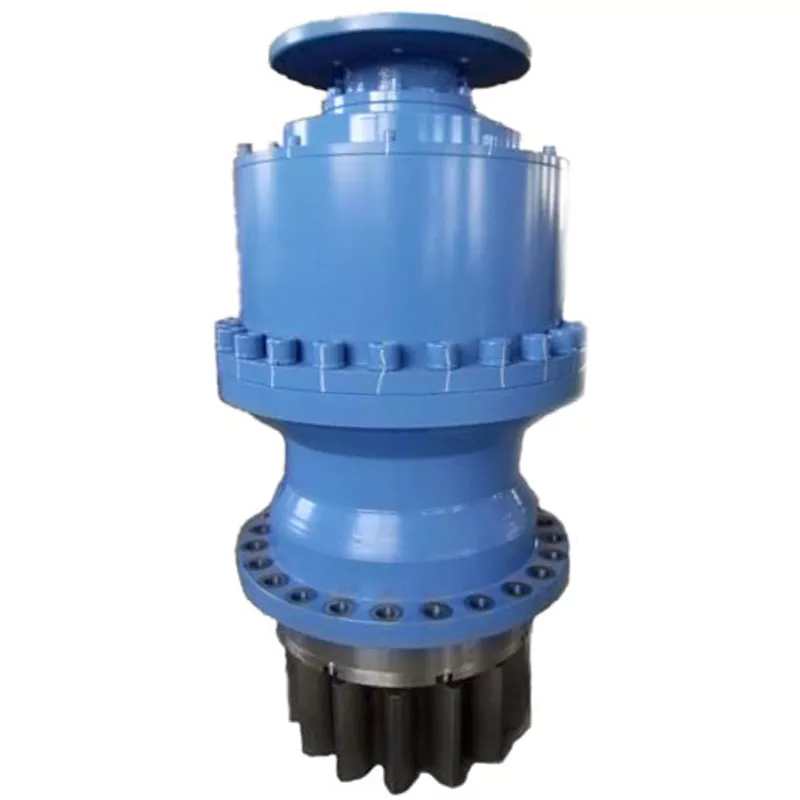
Konsep Susunan Poros Koaksial dan Paralel pada Gearbox Planetary
In planetary gearboxes, the arrangement of shafts plays a crucial role in determining the gearbox’s overall structure and functionality. The two common shaft arrangements are coaxial and parallel configurations:
Susunan Poros Koaksial: In a coaxial arrangement, the input shaft and output shaft are positioned along the same axis, resulting in a compact and streamlined design. The planetary gears and other components are aligned concentrically around the central axis, allowing for efficient power transmission and reduced space requirements. Coaxial planetary gearboxes are commonly used in applications where space is limited, and a compact form factor is essential. They are often employed in robotics, automotive systems, and aerospace mechanisms.
Susunan Poros Paralel: In a parallel arrangement, the input and output shafts are positioned parallel to each other but on different axes. The planetary gears are aligned in a way that allows the power to be transmitted from the input shaft to the output shaft via a combination of meshing gears. This arrangement allows for a larger gear diameter and higher torque transmission capabilities. Parallel planetary gearboxes are often used in applications requiring high torque and heavy-duty performance, such as industrial machinery, construction equipment, and material handling systems.
The choice between coaxial and parallel shaft arrangements depends on the specific requirements of the application. Coaxial configurations are favored for compactness and efficient power transmission, while parallel configurations excel in handling higher torque and heavy loads. Both arrangements offer distinct advantages and are chosen based on factors like available space, torque demands, load characteristics, and overall system design.
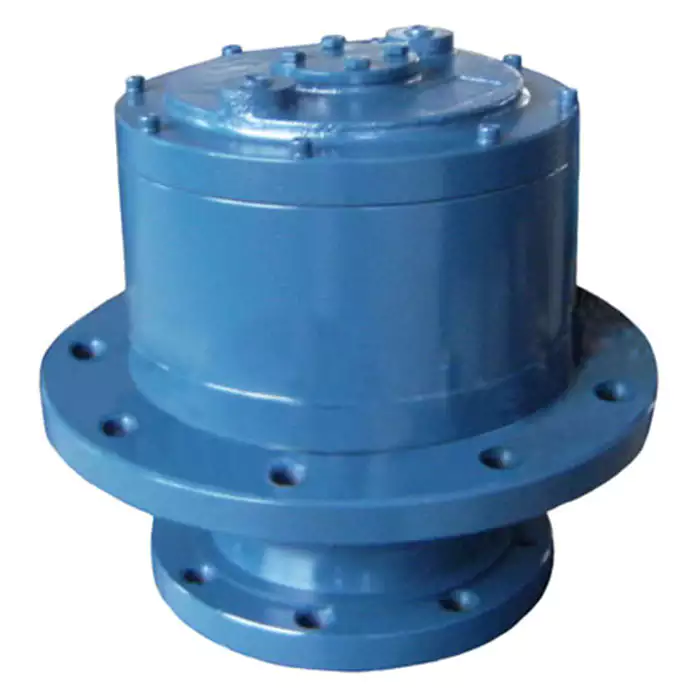
Tanda-tanda Keausan atau Kerusakan pada Gearbox Planetary dan Layanan yang Direkomendasikan
Gearbox planetary, seperti komponen mekanis lainnya, dapat menunjukkan tanda-tanda keausan atau kerusakan seiring waktu. Mengenali tanda-tanda ini sangat penting untuk perawatan tepat waktu guna mencegah masalah lebih lanjut. Berikut beberapa tanda umum keausan atau kerusakan pada gearbox planetary:
1. Kebisingan yang Tidak Biasa: Suara bising, gerinda, atau derit yang berlebihan selama pengoperasian dapat mengindikasikan gigi gir yang aus atau tidak sejajar. Suara bising yang tidak biasa seringkali merupakan indikator yang jelas bahwa ada sesuatu yang salah di dalam kotak roda gigi.
2. Peningkatan Getaran: Getaran atau guncangan berlebih selama pengoperasian dapat disebabkan oleh ketidaksejajaran, bantalan yang rusak, atau roda gigi yang aus. Getaran dapat menyebabkan kerusakan lebih lanjut jika tidak segera ditangani.
3. Keausan Gigi Roda Gigi: Periksa gigi gir untuk tanda-tanda keausan, lubang, atau keretakan. Masalah ini dapat disebabkan oleh pelumasan yang tidak tepat, beban berlebih, atau faktor operasional lainnya. Gigi gir yang rusak dapat memengaruhi efisiensi dan kinerja kotak roda gigi.
4. Kebocoran Oli: Kebocoran oli atau pelumas pada girboks dapat mengindikasikan kerusakan pada seal atau gasket. Kebocoran oli tidak hanya mengurangi pelumasan, tetapi juga dapat menyebabkan pencemaran lingkungan dan kerusakan lebih lanjut pada komponen girboks.
5. Peningkatan Suhu: Peningkatan suhu operasi yang signifikan dapat mengindikasikan peningkatan gesekan akibat keausan atau pelumasan yang tidak memadai. Memantau perubahan suhu dapat membantu mengidentifikasi potensi masalah sejak dini.
6. Efisiensi Berkurang: Jika Anda merasakan adanya penurunan kinerja, seperti berkurangnya torsi atau kecepatan yang tidak konsisten, hal itu dapat mengindikasikan adanya kerusakan internal pada komponen kotak roda gigi.
7. Rasio Roda Gigi Abnormal: Jika kecepatan keluaran atau torsi tidak sesuai dengan rasio gigi yang diharapkan, hal itu dapat disebabkan oleh keausan gigi, ketidaksejajaran, atau masalah lain yang memengaruhi pemasangan gigi.
8. Interval Perawatan yang Sering: Jika Anda merasa perlu menyervis kotak roda gigi lebih sering dari biasanya, itu bisa menjadi tanda bahwa kotak roda gigi mengalami keausan atau kerusakan berlebihan.
Kapan Harus Melakukan Servis: Jika salah satu tanda di atas teramati, penting untuk segera mengatasinya. Pemeriksaan perawatan rutin juga disarankan untuk mendeteksi potensi masalah sejak dini dan mencegah masalah yang lebih serius. Perawatan terjadwal harus mencakup inspeksi, pemeriksaan pelumasan, dan penggantian komponen yang aus atau rusak.
Disarankan untuk berkonsultasi dengan panduan produsen gearbox untuk mengetahui interval dan praktik servis yang direkomendasikan. Perawatan rutin dapat memperpanjang umur planetary gearbox dan memastikannya terus beroperasi secara efisien dan andal.
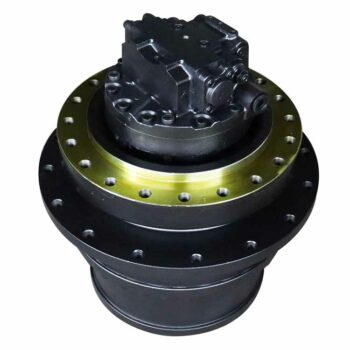
Factors to Consider When Selecting a Planetary Gearbox
Choosing the right planetary gearbox for a specific application involves considering various factors to ensure optimal performance and compatibility. Here are the key factors to keep in mind:
- Load Requirements: Determine the torque and speed requirements of your application. Planetary gearboxes offer different torque and speed ratios, so selecting the appropriate gearbox with the right load capacity is crucial.
- Ratio: Evaluate the gear reduction ratio needed to achieve the desired output speed and torque. Planetary gearboxes come in various gear ratios, allowing you to customize the output characteristics.
- Efisiensi: Consider the gearbox’s efficiency, as it affects energy consumption and heat generation. Higher efficiency gearboxes minimize power losses during transmission.
- Size and Compactness: Planetary gearboxes are known for their compact size, but it’s essential to choose a size that fits within the available space while meeting performance requirements.
- Mounting Configuration: Determine how the gearbox will be mounted in your application. Planetary gearboxes can have different mounting options, including flange, shaft, or foot mountings.
- Input and Output Types: Select the appropriate input and output shaft configurations, such as male, female, keyed, splined, or hollow shafts, to ensure compatibility with your equipment.
- Environment: Consider the operating environment, including temperature, humidity, dust, and potential exposure to chemicals. Choose a gearbox with appropriate seals and materials to withstand the conditions.
- Accuracy: Some applications require precise motion control. If accuracy is essential, choose a gearbox with minimal backlash and high gear mesh quality.
- Service Life and Reliability: Evaluate the gearbox’s expected service life and reliability based on the manufacturer’s specifications. Choose a reputable manufacturer known for producing reliable products.
- Backlash: Backlash is the play between gears that can affect positioning accuracy. Depending on your application, you might need a gearbox with low backlash or a method to compensate for it.
- Budget: Consider your budget constraints while balancing performance requirements. Sometimes, investing in a higher-quality gearbox upfront can lead to long-term cost savings through reduced maintenance and downtime.
By carefully considering these factors and consulting with gearbox manufacturers or experts, you can select a planetary gearbox that best meets the unique demands of your application.


editor by CX 2024-02-15