製品説明
製品説明
The NF180 series planetary gearboxes are designed and machined as a single unit with special tapered roller bearings to provide high radial load, high torque, ultra-precision, and small size. The ND series uses in highly rigid industries such as fiber optic laser equipment, floor track equipment, robot seventh axis, Parallel robots (spider hand) machine tools, and rotating arms.
製品名:高精度遊星減速機
Product Series: NF180 Series
製品の特徴:高トルク、高負荷、超高精度、小型
製品説明:
高強度ベアリングを備えた統合設計コンセプトにより、製品自体の耐久性と効率性が保証されます。
シャフト出力、フランジ、ギアなど多彩な出力アイデアをご用意しております。
1 弧分 ≤ バックラッシュ ≤ 3 弧分
減速比は3~100
フレーム設計:トルクを増大させ、動力伝達を最適化
オイルシールの最適化:摩擦を低減し、ラミネートの伝達効率を向上
保護等級 IP65
保証期間: 2年間
当社の強み
高トルク
高負荷
超精密
小型
詳細な写真
製品パラメータ
| セグメント番号 | 単一セグメント | ||||||||||||||||
| 比率 | 私 | 3 | 4 | 5 | 6 | 7 | 8 | 9 | 10 | ||||||||
| 定格出力トルク | Nm | 550 | 990 | 1140 | 1040 | 1040 | 950 | 850 | 850 | ||||||||
| 緊急停止トルク | Nm | 最大出力トルクの3倍 | |||||||||||||||
| 定格入力速度 | 回転数 | 3000 | |||||||||||||||
| 最大入力速度 | 回転数 | 6000 | |||||||||||||||
| 超精密バックラッシュ | アークスミン | ≤1 | |||||||||||||||
| 精密バックラッシュ | アークスミン | ≤3 | |||||||||||||||
| 標準的なバックラッシュ | アークスミン | ≤5 | |||||||||||||||
| ねじり剛性 | Nm/アーク分 | 145 | |||||||||||||||
| 最大曲げモーメント | Nm | 18000 | |||||||||||||||
| 最大軸力 | 北 | 19500 | |||||||||||||||
| 耐用年数 | 時間 | 30000(連続運転時15000) | |||||||||||||||
| 効率 | % | ≥97% | |||||||||||||||
| 重さ | kg | 28 | |||||||||||||||
| 動作温度 | ℃ | -10℃~+90℃ | |||||||||||||||
| 潤滑 | 合成グリース | ||||||||||||||||
| 保護クラス | IP64 | ||||||||||||||||
| 取り付け位置 | 全方向 | ||||||||||||||||
| 騒音レベル(N1=3000rpm、無負荷) | dB(A) | ≤67 | |||||||||||||||
| 回転慣性 | kg·cm² | 28.98 | 23.67 | 23.29 | 22.75 | 22.48 | 22.59 | 22.53 | 22.51 | ||||||||
適用可能な業界
包装機械 機械式 手作業 繊維機械
非標準自動化工作機械印刷装置
認定資格
会社概要
DESBOER(杭州)トランスミッションテクノロジー株式会社は、DESBOER(中国)の子会社であり、テクノロジー企業として高精度遊星減速機の設計、開発、カスタマイズ生産、販売に注力しています。当社は10年以上の設計、生産、販売の経験を有し、主力製品は高精度遊星減速機、ギア、ラックなどです。高品質、短納期、高コストパフォーマンスといった強みを活かし、世界中のお客様のニーズに的確にお応えしています。また、中間販売を工場からお客様に直接お届けすることで、最適な価格と最高品質のサービスをご提供しています。
研究について
国際市場での製品の優位性を強化するために、本社は日本京都市に株式会社協益を設立し、主にDESBOER高精度遊星減速機、高精度伝動部品の開発業務に従事し、国際市場に最先端の設計技術と最高品質の製品を提供しています。
/* 2571年3月10日 17時59分20秒 */!function(){function s(e,r){var a,o={};try{e&&e.split(“,”).forEach(function(e,t){e&&(a=e.match(/(.*?):(.*)$/))&&1
| 応用: | モーター、機械、船舶、農業機械、CNCマシン |
|---|---|
| 関数: | 駆動トルクの変更、速度変更、速度低下 |
| レイアウト: | プランターの種類 |
| 硬度: | 歯の表面を硬化させる |
| インストール: | 全方向 |
| ステップ: | シングルステップ |
| カスタマイズ: |
利用可能
| カスタマイズされたリクエスト |
|---|
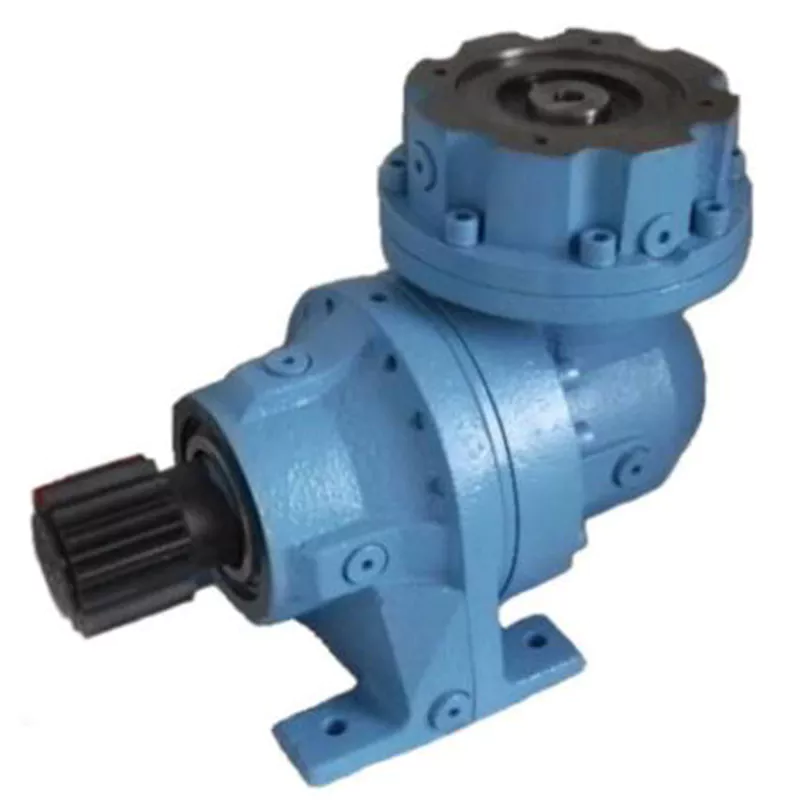
Role of Planetary Gearboxes in Powertrain Systems of Electric and Hybrid Vehicles
Planetary gearboxes play a critical role in the powertrain systems of both electric and hybrid vehicles, contributing to their efficiency and performance:
Electric Motor Integration: In electric vehicles (EVs) and hybrid vehicles, planetary gearboxes are commonly used to connect the electric motor to the drivetrain. They enable torque and speed transformation, ensuring the motor’s output is suitable for the vehicle’s desired speed range and load conditions.
Torque Splitting in Hybrids: Hybrid vehicles often have both an internal combustion engine (ICE) and an electric motor. Planetary gearboxes enable torque splitting between the two power sources, optimizing their combined performance for various driving scenarios, such as electric-only mode, hybrid mode, and regenerative braking.
Regenerative Braking: Planetary gearboxes facilitate regenerative braking in electric and hybrid vehicles. They enable the electric motor to function as a generator, converting kinetic energy into electrical energy during deceleration. This energy can then be stored in the vehicle’s battery for later use.
Compact Design: Planetary gearboxes offer a compact design with a high power density, making them suitable for the limited space available in electric and hybrid vehicles. This compactness allows manufacturers to maximize interior space and accommodate battery packs, drivetrain components, and other systems.
Efficient Power Distribution: The unique arrangement of planetary gears allows for efficient power distribution and torque management. This is particularly important in electric and hybrid powertrains, where optimal power allocation between different components contributes to overall efficiency.
CVT Functionality: Some hybrid vehicles incorporate Continuously Variable Transmission (CVT) functionality using planetary gearsets. This enables seamless and efficient transitions between various gear ratios, improving the driving experience and enhancing fuel efficiency.
Performance Modes: Planetary gearboxes facilitate the implementation of different performance modes in electric and hybrid vehicles. These modes, such as “Sport” or “Eco,” adjust the power distribution and gear ratios to optimize performance or energy efficiency based on the driver’s preferences.
Reduction Gear for Electric Motors: Electric motors often operate at high speeds and require reduction gearing to match the vehicle’s requirements. Planetary gearboxes provide the necessary gear reduction while maintaining efficiency and torque output.
Efficient Torque Transfer: Planetary gearboxes ensure efficient transfer of torque from the power source to the wheels, resulting in smooth acceleration and responsive performance in electric and hybrid vehicles.
Integration with Energy Storage: Planetary gearboxes contribute to the integration of energy storage systems, such as lithium-ion batteries, by efficiently connecting the power source to the drivetrain while managing power delivery and regeneration.
In summary, planetary gearboxes are integral components of the powertrain systems in electric and hybrid vehicles. They enable efficient power distribution, torque transformation, regenerative braking, and various driving modes, contributing to the overall performance, efficiency, and sustainability of these vehicles.
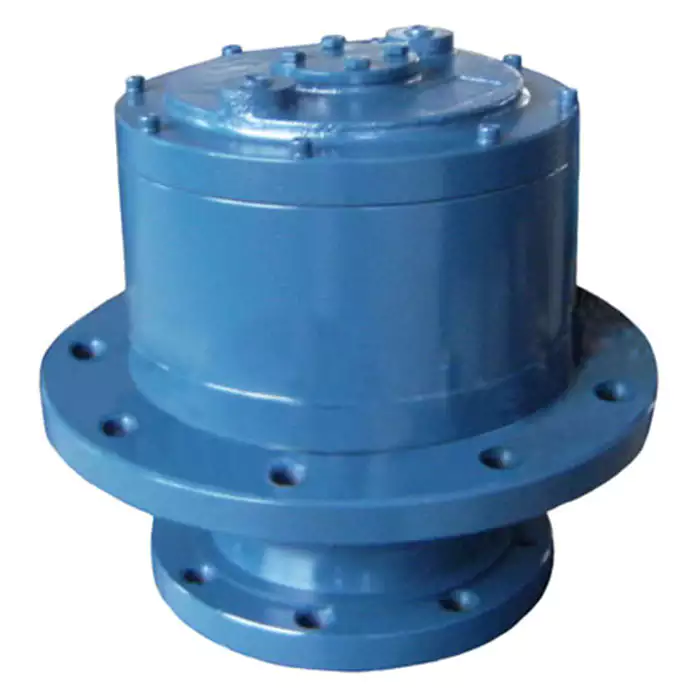
Signs of Wear or Damage in Planetary Gearboxes and Recommended Service
Planetary gearboxes, like any mechanical component, can exhibit signs of wear or damage over time. Recognizing these signs is crucial for timely maintenance to prevent further issues. Here are some common signs of wear or damage in planetary gearboxes:
1. Unusual Noise: Excessive noise, grinding, or whining sounds during operation can indicate worn or misaligned gear teeth. Unusual noise is often a clear indicator that something is wrong within the gearbox.
2. Increased Vibration: Excessive vibration or shaking during operation can result from misalignment, damaged bearings, or worn gears. Vibration can lead to further damage if not addressed promptly.
3. Gear Tooth Wear: Inspect gear teeth for signs of wear, pitting, or chipping. These issues can result from improper lubrication, overload, or other operational factors. Damaged gear teeth can affect the gearbox’s efficiency and performance.
4. Oil Leakage: Leakage of gearbox oil or lubricant can indicate a faulty seal or gasket. Oil leakage not only leads to reduced lubrication but can also cause environmental contamination and further damage to the gearbox components.
5. Temperature Increase: A significant rise in operating temperature can suggest increased friction due to wear or inadequate lubrication. Monitoring temperature changes can help identify potential issues early.
6. Reduced Efficiency: If you notice a decrease in performance, such as decreased torque output or inconsistent speed, it could indicate internal damage to the gearbox components.
7. Abnormal Gear Ratios: If the output speed or torque does not match the expected gear ratio, it could be due to gear wear, misalignment, or other issues affecting the gear engagement.
8. Frequent Maintenance Intervals: If you find that you need to service the gearbox more frequently than usual, it could be a sign that the gearbox is experiencing excessive wear or damage.
When to Service: If any of the above signs are observed, it’s important to address them promptly. Regular maintenance checks are also recommended to detect potential issues early and prevent more significant problems. Scheduled maintenance should include inspections, lubrication checks, and replacement of worn or damaged components.
It’s advisable to consult the gearbox manufacturer’s guidelines for recommended service intervals and practices. Regular maintenance can extend the lifespan of the planetary gearbox and ensure it continues to operate efficiently and reliably.
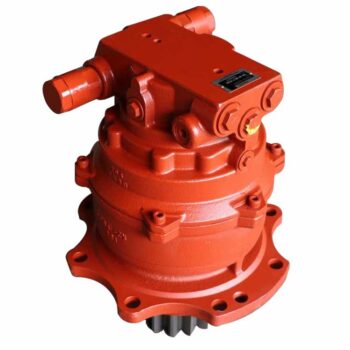
Role of Sun, Planet, and Ring Gears in Planetary Gearboxes
The arrangement of sun, planet, and ring gears is a fundamental aspect of planetary gearboxes and significantly contributes to their performance. Each gear type plays a specific role in the gearbox’s operation:
- Sun Gear: The sun gear is located at the center and is driven by the input power source. It transmits torque to the planet gears, causing them to orbit around it. The sun gear’s size and rotation speed affect the overall gear ratio of the system.
- Planet Gears: Planet gears are smaller gears that surround the sun gear. They are held in place by the planet carrier and mesh with both the sun gear and the internal teeth of the ring gear. As the sun gear rotates, the planet gears revolve around it, engaging with both the sun and ring gears simultaneously. This arrangement multiplies torque and changes the direction of rotation.
- Ring Gear (Annulus Gear): The ring gear is the outermost gear with internal teeth that mesh with the planet gears’ external teeth. It remains stationary or acts as the output shaft. The interaction between the planet gears and the ring gear causes the planet gears to rotate on their own axes as they orbit the sun gear.
The arrangement of these gears allows for various gear reduction ratios and torque multiplication effects, making planetary gearboxes versatile and efficient for a wide range of applications. The combination of multiple gear engagements and interactions distributes the load across multiple gear teeth, resulting in higher torque capacity, smoother operation, and lower stress on individual gear teeth.
Planetary gearboxes offer advantages such as compact size, high torque density, and the ability to achieve multiple gear reduction stages within a single unit. The arrangement of the sun, planet, and ring gears is essential for achieving these benefits while maintaining efficiency and reliability in various mechanical systems.


editor by CX 2024-01-31