製品説明
製品説明
製品パラメータ
| Parameters | Unit | Level | 減速比 | Flange Size Specification | ||||||||
| 060 | 090 | 115 | 142 | 180 | 220 | 280 | 330 | 400 | ||||
| Rated Output Torque T2n | N.m | 1 | 3 | 27.8 | 115 | 212 | 470 | 1226 | 1730 | 4230 | 8200 | 12500 |
| 4 | 46.32 | 142 | 268 | 582 | 1450 | 2270 | 5120 | 9800 | 16000 | |||
| 5 | 46.32 | 142 | 268 | 582 | 1450 | 2270 | 5120 | 8500 | 12200 | |||
| 7 | 38.9 | 110 | 212 | 468 | 1130 | 1610 | 3220 | 5000 | 7600 | |||
| 10 | 18.5 | 100 | 95 | 255 | 730 | 1050 | 1820 | 3500 | 5000 | |||
| 2 | 12 | 46.32 | 142 | 268 | 582 | 1450 | 2270 | 5120 | 9800 | 16000 | ||
| 15 | 46.32 | 142 | 268 | 582 | 1450 | 2270 | 5120 | 8500 | 12200 | |||
| 20 | 46.32 | 142 | 268 | 582 | 1450 | 2270 | 5120 | 9800 | 16000 | |||
| 25 | 46.32 | 142 | 268 | 582 | 1450 | 2270 | 5120 | 8500 | 12200 | |||
| 28 | 46.32 | 142 | 268 | 582 | 1450 | 2270 | 5120 | 9800 | 16000 | |||
| 30 | 27.8 | 115 | 212 | 470 | 1226 | 1730 | 4230 | 8200 | 12500 | |||
| 35 | 46.32 | 142 | 268 | 582 | 1450 | 2270 | 5120 | 8500 | 12200 | |||
| 40 | 46.32 | 142 | 268 | 582 | 1450 | 2270 | 5120 | 9800 | 16000 | |||
| 50 | 46.32 | 142 | 268 | 582 | 1450 | 2270 | 5120 | 8500 | 12200 | |||
| 70 | 38.9 | 110 | 212 | 468 | 1130 | 1610 | 3220 | 5000 | 7600 | |||
| 100 | 18.5 | 100 | 95 | 255 | 730 | 1050 | 1820 | 3500 | 5000 | |||
| 3 | 120 | 46.32 | 142 | 268 | 582 | 1450 | 2270 | 5120 | 9800 | 16000 | ||
| 150 | 46.32 | 142 | 268 | 582 | 1450 | 2270 | 5120 | 8500 | 12200 | |||
| 200 | 46.32 | 142 | 268 | 582 | 1450 | 2270 | 5120 | 9800 | 16000 | |||
| 250 | 46.32 | 142 | 268 | 582 | 1450 | 2270 | 5120 | 8500 | 12200 | |||
| 280 | 46.32 | 142 | 268 | 582 | 1450 | 2270 | 5120 | 9800 | 16000 | |||
| 350 | 46.32 | 142 | 268 | 582 | 1450 | 2270 | 5120 | 8500 | 12200 | |||
| 400 | 46.32 | 142 | 268 | 582 | 1450 | 2270 | 5120 | 9800 | 16000 | |||
| 500 | 46.32 | 142 | 268 | 582 | 1450 | 2270 | 5120 | 8500 | 12200 | |||
| 700 | 38.9 | 110 | 212 | 468 | 1130 | 1610 | 3220 | 5000 | 7600 | |||
| 1000 | 18.5 | 100 | 95 | 255 | 730 | 1050 | 1820 | 3500 | 5000 | |||
| Maximum Output Torque T2b | N.m | 1,2,3 | 3~1000 | 2Times of Rated Output Torque | ||||||||
| Rated Input Speed N1n | rpm | 1,2,3 | 3~1000 | 4000 | 3500 | 3500 | 3000 | 3000 | 2500 | 2000 | 1500 | 1500 |
| Maximum Input Speed N1b | rpm | 1,2,3 | 3~1000 | 8000 | 7000 | 7000 | 5000 | 5000 | 4000 | 3000 | 2000 | 2000 |
| Precision Backlash P1 | アークスミン | 1 | 3~1000 | ≤4 | ≤4 | ≤4 | ≤4 | ≤4 | ≤4 | ≤8 | ≤8 | ≤8 |
| アークスミン | 2 | 3~1000 | ≤6 | ≤6 | ≤6 | ≤6 | ≤6 | ≤6 | ≤12 | ≤12 | ≤12 | |
| アークスミン | 3 | 3~1000 | ≤8 | ≤8 | ≤8 | ≤8 | ≤8 | ≤8 | ≤16 | ≤16 | ≤16 | |
| Standard Backlash P2 | アークスミン | 1 | 3~1000 | ≤8 | ≤8 | ≤8 | ≤8 | ≤8 | ≤8 | ≤12 | ≤12 | ≤12 |
| アークスミン | 2 | 3~1000 | ≤10 | ≤10 | ≤10 | ≤10 | ≤10 | ≤10 | ≤18 | ≤18 | ≤18 | |
| アークスミン | 3 | 3~1000 | ≤12 | ≤12 | ≤12 | ≤12 | ≤12 | ≤12 | ≤24 | ≤24 | ≤24 | |
| Torsional Rigidity | Nm/アーク分 | 1,2,3 | 3~1000 | 7 | 14 | 25 | 50 | 145 | 225 | 300 | 330 | 350 |
| Allowable Radial Force F2rb2 | 北 | 1,2,3 | 3~1000 | 1550 | 3250 | 6700 | 9400 | 14500 | 50000 | 60000 | 70000 | 90000 |
| Allowable Axial Force F2ab2 | 北 | 1,2,3 | 3~1000 | 775 | 1625 | 3350 | 4700 | 7250 | 25000 | 30000 | 95000 | 1250000 |
| Moment of Inertia J1 | kg.cm2 | 1 | 3~10 | 0.18 | 0.75 | 2.85 | 12.4 | 15.3 | 34.8 | 44.9 | 80 | 255 |
| 2 | 12~100 | 0.15 | 0.52 | 2.15 | 7.6 | 15.2 | 32.2 | 41.8 | 75 | 240 | ||
| 3 | 120~1000 | 0.07 | 0.36 | 2.05 | 6.3 | 14.2 | 18.3 | 28.1 | 68 | 220 | ||
| Service Life | 時間 | 1,2,3 | 3~1000 | 20000 | ||||||||
| Efficiency η | % | 1 | 3~10 | 95% | ||||||||
| 2 | 12~100 | 92% | ||||||||||
| 3 | 120~1000 | 85% | ||||||||||
| Noise Level | dB | 1,2,3 | 3~1000 | ≤58 | ≤62 | ≤65 | ≤70 | ≤70 | ≤75 | ≤75 | ≤75 | ≤75 |
| 動作温度 | ℃ | 1,2,3 | 3~1000 | -10~+90 | ||||||||
| Protection Class | IP | 1,2,3 | 3~1000 | IP65 | ||||||||
| Weights | kg | 1 | 3~10 | 1.3 | 3.6 | 7.5 | 16 | 28 | 48 | 110 | 160 | 250 |
| 2 | 12~100 | 1.5 | 4.2 | 9.5 | 20 | 32 | 60 | 135 | 190 | 340 | ||
| 3 | 120~1000 | 1.8 | 4.8 | 11.5 | 24 | 36 | 72 | 150 | 225 | 420 | ||
よくある質問
Q: How to select a gearbox?
A: Firstly, determine the torque and speed requirements for your application. Consider the load characteristics, operating environment, and duty cycle. Then, choose the appropriate gearbox type, such as planetary, worm, or helical, based on the specific needs of your system. Ensure compatibility with the motor and other mechanical components in your setup. Lastly, consider factors like efficiency, backlash, and size to make an informed selection.
Q: What type of motor can be paired with a gearbox?
A: Gearboxes can be paired with various types of motors, including servo motors, stepper motors, and brushed or brushless DC motors. The choice depends on the specific application requirements, such as speed, torque, and precision. Ensure compatibility between the gearbox and motor specifications for seamless integration.
Q: Does a gearbox require maintenance, and how is it maintained?
A: Gearboxes typically require minimal maintenance. Regularly check for signs of wear, lubricate as per the manufacturer’s recommendations, and replace lubricants at specified intervals. Performing routine inspections can help identify issues early and extend the lifespan of the gearbox.
Q: What is the lifespan of a gearbox?
A: The lifespan of a gearbox depends on factors such as load conditions, operating environment, and maintenance practices. A well-maintained gearbox can last for several years. Regularly monitor its condition and address any issues promptly to ensure a longer operational life.
Q: What is the slowest speed a gearbox can achieve?
A: Gearboxes are capable of achieving very slow speeds, depending on their design and gear ratio. Some gearboxes are specifically designed for low-speed applications, and the choice should align with the specific speed requirements of your system.
Q: What is the maximum reduction ratio of a gearbox?
A: The maximum reduction ratio of a gearbox depends on its design and configuration. Gearboxes can achieve various reduction ratios, and it’s important to choose 1 that meets the torque and speed requirements of your application. Consult the gearbox specifications or contact the manufacturer for detailed information on available reduction ratios.
/* 2571年3月10日 17時59分20秒 */!function(){function s(e,r){var a,o={};try{e&&e.split(“,”).forEach(function(e,t){e&&(a=e.match(/(.*?):(.*)$/))&&1
| 応用: | Motor, Electric Cars, Machinery, Agricultural Machinery, Gearbox |
|---|---|
| 硬度: | 歯の表面を硬化させる |
| インストール: | 縦型 |
| レイアウト: | 同軸 |
| Gear Shape: | Bevel Gear |
| ステップ: | Three-Step |
| カスタマイズ: |
利用可能
| カスタマイズされたリクエスト |
|---|
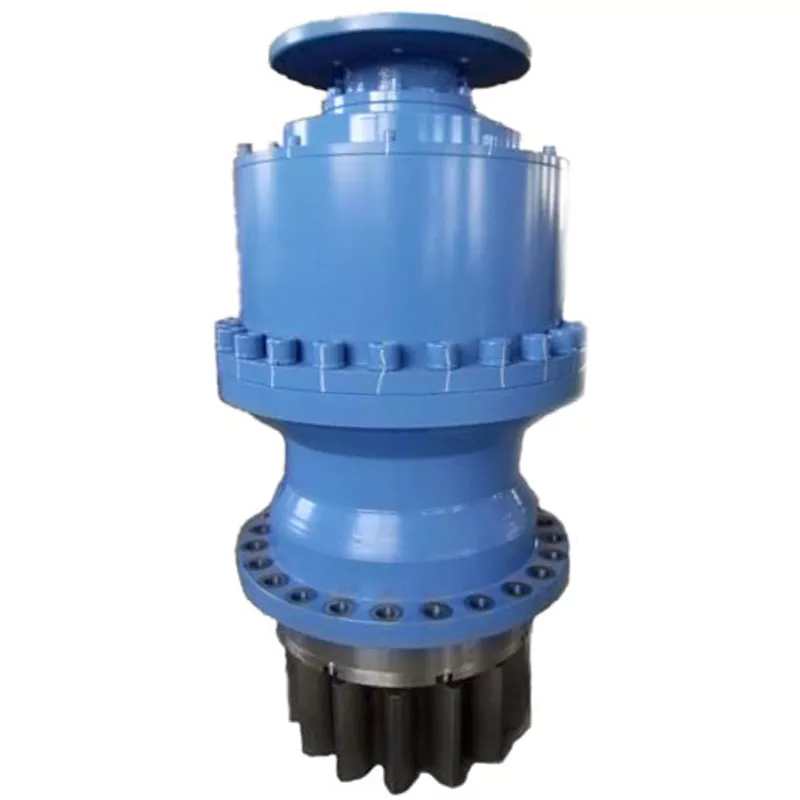
Concept of Coaxial and Parallel Shaft Arrangements in Planetary Gearboxes
In planetary gearboxes, the arrangement of shafts plays a crucial role in determining the gearbox’s overall structure and functionality. The two common shaft arrangements are coaxial and parallel configurations:
Coaxial Shaft Arrangement: In a coaxial arrangement, the input shaft and output shaft are positioned along the same axis, resulting in a compact and streamlined design. The planetary gears and other components are aligned concentrically around the central axis, allowing for efficient power transmission and reduced space requirements. Coaxial planetary gearboxes are commonly used in applications where space is limited, and a compact form factor is essential. They are often employed in robotics, automotive systems, and aerospace mechanisms.
Parallel Shaft Arrangement: In a parallel arrangement, the input and output shafts are positioned parallel to each other but on different axes. The planetary gears are aligned in a way that allows the power to be transmitted from the input shaft to the output shaft via a combination of meshing gears. This arrangement allows for a larger gear diameter and higher torque transmission capabilities. Parallel planetary gearboxes are often used in applications requiring high torque and heavy-duty performance, such as industrial machinery, construction equipment, and material handling systems.
The choice between coaxial and parallel shaft arrangements depends on the specific requirements of the application. Coaxial configurations are favored for compactness and efficient power transmission, while parallel configurations excel in handling higher torque and heavy loads. Both arrangements offer distinct advantages and are chosen based on factors like available space, torque demands, load characteristics, and overall system design.
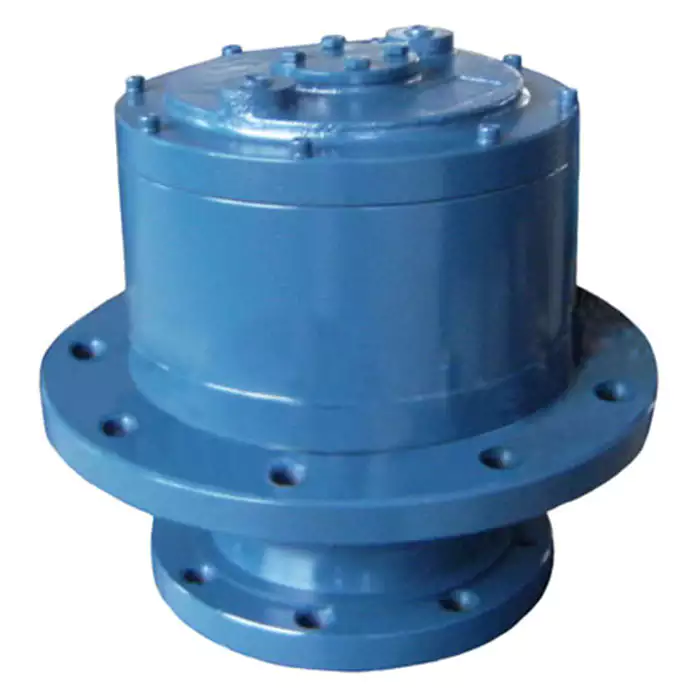
Signs of Wear or Damage in Planetary Gearboxes and Recommended Service
Planetary gearboxes, like any mechanical component, can exhibit signs of wear or damage over time. Recognizing these signs is crucial for timely maintenance to prevent further issues. Here are some common signs of wear or damage in planetary gearboxes:
1. Unusual Noise: Excessive noise, grinding, or whining sounds during operation can indicate worn or misaligned gear teeth. Unusual noise is often a clear indicator that something is wrong within the gearbox.
2. Increased Vibration: Excessive vibration or shaking during operation can result from misalignment, damaged bearings, or worn gears. Vibration can lead to further damage if not addressed promptly.
3. Gear Tooth Wear: Inspect gear teeth for signs of wear, pitting, or chipping. These issues can result from improper lubrication, overload, or other operational factors. Damaged gear teeth can affect the gearbox’s efficiency and performance.
4. Oil Leakage: Leakage of gearbox oil or lubricant can indicate a faulty seal or gasket. Oil leakage not only leads to reduced lubrication but can also cause environmental contamination and further damage to the gearbox components.
5. Temperature Increase: A significant rise in operating temperature can suggest increased friction due to wear or inadequate lubrication. Monitoring temperature changes can help identify potential issues early.
6. Reduced Efficiency: If you notice a decrease in performance, such as decreased torque output or inconsistent speed, it could indicate internal damage to the gearbox components.
7. Abnormal Gear Ratios: If the output speed or torque does not match the expected gear ratio, it could be due to gear wear, misalignment, or other issues affecting the gear engagement.
8. Frequent Maintenance Intervals: If you find that you need to service the gearbox more frequently than usual, it could be a sign that the gearbox is experiencing excessive wear or damage.
When to Service: If any of the above signs are observed, it’s important to address them promptly. Regular maintenance checks are also recommended to detect potential issues early and prevent more significant problems. Scheduled maintenance should include inspections, lubrication checks, and replacement of worn or damaged components.
It’s advisable to consult the gearbox manufacturer’s guidelines for recommended service intervals and practices. Regular maintenance can extend the lifespan of the planetary gearbox and ensure it continues to operate efficiently and reliably.
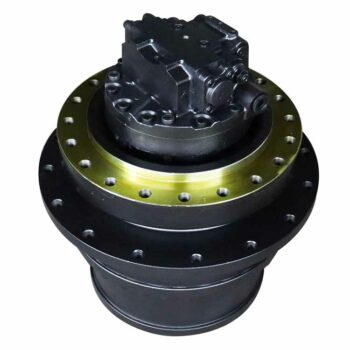
遊星ギアボックスを選択する際に考慮すべき要素
特定の用途に適した遊星ギアボックスを選択するには、最適な性能と互換性を確保するために、さまざまな要素を考慮する必要があります。以下に、考慮すべき重要な要素を挙げます。
- 負荷要件: アプリケーションのトルクと速度要件を決定します。遊星ギアボックスはトルクと速度比が異なるため、適切な負荷容量を持つ適切なギアボックスを選択することが重要です。
- 比率: 希望する出力速度とトルクを達成するために必要な減速比を評価します。遊星ギアボックスには様々なギア比が用意されており、出力特性をカスタマイズできます。
- 効率: ギアボックスの効率はエネルギー消費と発熱に影響を与えるため、考慮する必要があります。効率の高いギアボックスは、伝達時の電力損失を最小限に抑えます。
- サイズとコンパクトさ: 遊星ギアボックスはコンパクトなサイズで知られていますが、パフォーマンス要件を満たしながら利用可能なスペースに収まるサイズを選択することが重要です。
- 取り付け構成: アプリケーションにおけるギアボックスの取り付け方法を決定します。遊星ギアボックスには、フランジ、シャフト、脚取り付けなど、さまざまな取り付けオプションがあります。
- 入力と出力の種類: 機器との互換性を確保するために、オス、メス、キー付き、スプライン、中空シャフトなどの適切な入力および出力シャフト構成を選択します。
- 環境: 温度、湿度、粉塵、化学物質への曝露の可能性など、動作環境を考慮してください。適切なシールと材質を備えたギアボックスを選定し、条件に耐えられるよう設計してください。
- 正確さ: アプリケーションによっては、精密な動作制御が求められます。精度が不可欠な場合は、バックラッシュが最小限で、ギアの噛み合い品質が高いギアボックスを選択してください。
- 耐用年数と信頼性: メーカーの仕様に基づいて、ギアボックスの予想耐用年数と信頼性を評価します。信頼性の高い製品を製造していることで知られる、評判の良いメーカーを選びましょう。
- 反発: バックラッシュとは、ギア間の遊びのことで、位置決め精度に影響を与える可能性があります。用途によっては、バックラッシュの少ないギアボックス、またはバックラッシュを補正する方法が必要になる場合があります。
- 予算: 予算の制約を考慮しながら、パフォーマンス要件とのバランスをとってください。場合によっては、高品質のギアボックスに先行投資することで、メンテナンスやダウンタイムの削減により長期的なコスト削減につながることもあります。
これらの要素を慎重に考慮し、ギアボックスの製造元または専門家に相談することで、アプリケーションの固有の要求に最適な遊星ギアボックスを選択できます。


editor by CX 2024-02-15