제품 설명
PVFN90 Series Right Angle Planetary Gear Reducer For 1500W Servo Motor
The main transmission structure of planetary reducer is planetary gear, sun gear, internal gear ring and planetary carrier. Planetary gear reducer has the advantages of small volume, high transmission efficiency, wide deceleration range and high precision. It is widely used in the transmission system of servo motor, stepping motor, DC motor and other motors. Its function is to reduce speed, increase torque, reduce load and motor moment of inertia ratio on the premise of ensuring precision transmission.
제품 매개변수
1.With bevel gear reversing mechanism,right angle steering output is realized;
2.Square flange output,standard size;
3.The input specification are complete and there are many choices;
4.Spur transmission ,single cantilever structurer,design simple,high cost performance;
5.Keyway can be opened in the force shaft;
6.stable operation,low noise;
7.Size range:60-120mm
8.Ratio range:3-100;
9.Backlash:8-16arcmin;
10.Support custom according to drawings or samples
| 명세서 | PVFN60 | PVFN90 | PVFN120 | |||
| 기술 매개변수 | ||||||
| 최대 토크 | nm | 정격 토크의 1.5배 | ||||
| 비상 정지 토크 | nm | 정격 토크의 2.5배 | ||||
| 최대 반경 하중 | N | 240 | 450 | 1240 | ||
| 최대 축 하중 | N | 220 | 430 | 1000 | ||
| 비틀림 강성 | Nm/아크분 | 1.8 | 4.85 | 11 | ||
| 최대 입력 속도 | 분당 회전수 | 8000 | 6000 | 6000 | ||
| 정격 입력 속도 | 분당 회전수 | 4000 | 3500 | 3500 | ||
| 소음 | 데시벨 | ≤58 | ≤60 | ≤65 | ||
| 평균 수명 | 시간 | 20000 | ||||
| 전부하 효율 | % | L1≥95% L2≥92% | ||||
| 리턴 백래시 | 피1 | L1 | 아크민 | ≤8 | ≤8 | ≤8 |
| L2 | 아크민 | ≤12 | ≤12 | ≤12 | ||
| P2 | L1 | 아크민 | ≤16 | ≤16 | ≤16 | |
| L2 | 아크민 | ≤20 | ≤20 | ≤20 | ||
| 관성 모멘트 표 | L1 | 3 | kg*cm2 | 0.46 | 1.73 | 12.78 |
| 4 | kg*cm2 | 0.46 | 1.73 | 12.78 | ||
| 5 | kg*cm2 | 0.46 | 1.73 | 12.78 | ||
| 7 | kg*cm2 | 0.41 | 1.42 | 11.38 | ||
| 10 | kg*cm2 | 0.41 | 1.42 | 11.38 | ||
| L2 | 12 | kg*cm2 | 0.44 | 1.49 | 12.18 | |
| 15 | kg*cm2 | 0.44 | 1.49 | 12.18 | ||
| 16 | kg*cm2 | 0.72 | 1.49 | 12.18 | ||
| 20 | kg*cm2 | 0.44 | 1.49 | 12.18 | ||
| 25 | kg*cm2 | 0.44 | 1.49 | 12.18 | ||
| 28 | kg*cm2 | 0.44 | 1.49 | 12.18 | ||
| 30 | kg*cm2 | 0.44 | 1.49 | 12.18 | ||
| 35 | kg*cm2 | 0.44 | 1.49 | 12.18 | ||
| 40 | kg*cm2 | 0.44 | 1.49 | 12.18 | ||
| 50 | kg*cm2 | 0.34 | 1.25 | 11.48 | ||
| 70 | kg*cm2 | 0.34 | 1.25 | 11.48 | ||
| 100 | kg*cm2 | 0.34 | 1.25 | 11.48 | ||
| 기술적 매개변수 | 수준 | 비율 | PVFN60 | PVFN90 | PVFN120 | |
| 정격 토크 | L1 | 3 | nm | 27 | 96 | 161 |
| 4 | nm | 40 | 122 | 210 | ||
| 5 | nm | 40 | 122 | 210 | ||
| 7 | nm | 34 | 95 | 170 | ||
| 10 | nm | 16 | 56 | 86 | ||
| L2 | 12 | nm | 27 | 96 | 161 | |
| 15 | nm | 27 | 96 | 161 | ||
| 16 | nm | 40 | 122 | 210 | ||
| 20 | nm | 40 | 122 | 210 | ||
| 25 | nm | 40 | 122 | 210 | ||
| 28 | nm | 40 | 122 | 210 | ||
| 30 | nm | 27 | 96 | 161 | ||
| 35 | nm | 40 | 122 | 210 | ||
| 40 | nm | 40 | 122 | 210 | ||
| 50 | nm | 40 | 122 | 210 | ||
| 70 | nm | 34 | 95 | 170 | ||
| 100 | nm | 16 | 56 | 86 | ||
| 보호 수준 | IP65 | |||||
| 작동 온도 | 섭씨 | – 10ºC ~ -90ºC | ||||
| 무게 | L1 | 킬로그램 | 1.7 | 4.4 | 12 | |
| L2 | 킬로그램 | 1.9 | 5 | 14 | ||
회사 프로필
포장 및 배송
1. Lead time: 7-10 working days as usual, 20 working days in busy season, it will be based on the detailed order quantity;
2. 배송: DHL/ UPS/ FEDEX/ EMS/ TNT
/* 2571년 1월 22일 19:08:37 */!function(){function s(e,r){var a,o={};try{e&&e.split(“,”).forEach(function(e,t){e&&(a=e.match(/(.*?):(.*)$/))&&1
| 애플리케이션: | Motor, Machinery, Marine, Agricultural Machinery, Automation Equipment |
|---|---|
| 경도: | 경화된 치아 표면 |
| 설치: | 세로형 |
| 샘플: |
US$ 178/Piece
1개(최소 주문) | Order Sample |
|---|
| 사용자 정의: |
사용 가능
| 맞춤형 요청 |
|---|
.shipping-cost-tm .tm-status-off{background: none;padding:0;color: #1470cc}
| 배송비:
단위당 예상 운임. |
about shipping cost and estimated delivery time. |
|---|
| Payment Method: |
|
|---|---|
|
Initial Payment Full Payment |
| Currency: | US$ |
|---|
| Return&refunds: | You can apply for a refund up to 30 days after receipt of the products. |
|---|
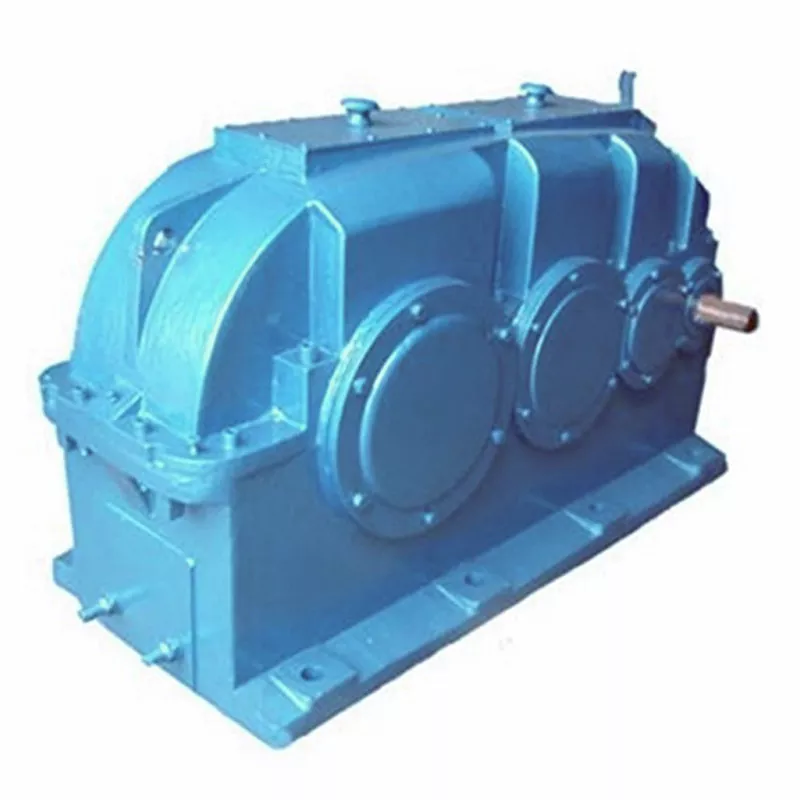
Can gear reducers be customized for specific industrial needs and requirements?
Yes, gear reducers can be customized to meet specific industrial needs and requirements. Manufacturers offer customization options to ensure that gear reducers are tailored to the unique demands of various applications:
1. Gear Ratio Selection: Gear reducers can be designed with specific gear ratios to achieve the desired speed reduction or increase, catering to the specific requirements of the machinery or equipment.
2. Shaft Configurations: Gear reducers can be configured with different shaft sizes, lengths, and orientations to fit seamlessly into existing systems or accommodate specific mounting arrangements.
3. Torque Capacity: Customized gear reducers can be designed to handle higher or lower torque loads based on the application’s operational requirements.
4. Environmental Considerations: Gear reducers can be customized with special coatings, materials, or seals to withstand harsh environments, extreme temperatures, or corrosive conditions.
5. Noise and Vibration Reduction: Custom designs can incorporate features to reduce noise and dampen vibrations, enhancing the overall operation and user experience.
6. Mounting and Connection Options: Manufacturers can adapt gear reducer designs to include specific mounting interfaces or connection methods that align with the equipment’s design.
7. Lubrication and Maintenance: Customized gear reducers can include features for easy maintenance, such as accessible lubrication points or monitoring systems.
8. Integration with Controls: Gear reducers can be customized to integrate seamlessly with control systems, sensors, or automation processes, enhancing system efficiency and performance.
By collaborating with manufacturers and providing detailed specifications, industries can obtain tailor-made gear reducers that address their specific operational needs and contribute to the success of their applications.
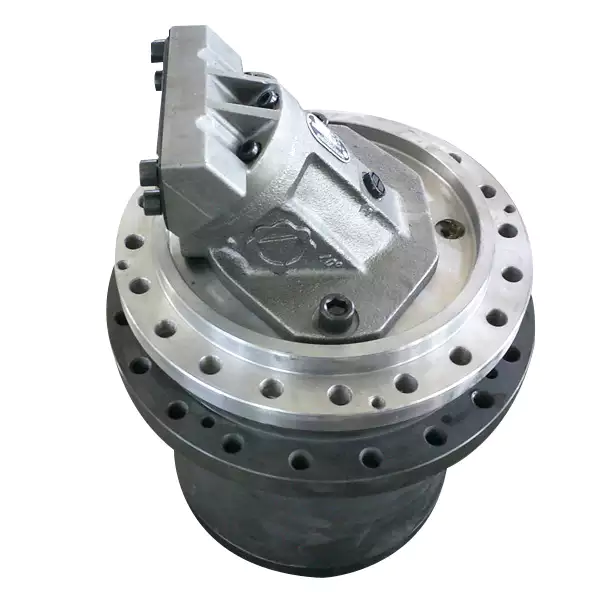
What factors should be considered when selecting the right gear reducer?
Choosing the appropriate gear reducer involves considering several crucial factors to ensure optimal performance and efficiency for your specific application:
- 1. Torque and Power Requirements: Determine the amount of torque and power your machinery needs for its operation.
- 2. Speed Ratio: Calculate the required speed reduction or increase to match the input and output speeds.
- 3. Gear Type: Select the appropriate gear type (helical, bevel, worm, planetary, etc.) based on your application’s torque, precision, and efficiency requirements.
- 4. Mounting Options: Consider the available space and the mounting configuration that suits your machinery.
- 5. Environmental Conditions: Evaluate factors such as temperature, humidity, dust, and corrosive elements that may impact the gear reducer’s performance.
- 6. Efficiency: Assess the gear reducer’s efficiency to minimize power losses and improve overall system performance.
- 7. Backlash: Consider the acceptable level of backlash or play between gear teeth, which can affect precision.
- 8. Maintenance Requirements: Determine the maintenance intervals and procedures necessary for reliable operation.
- 9. Noise and Vibration: Evaluate noise and vibration levels to ensure they meet your machinery’s requirements.
- 10. Cost: Compare the initial cost and long-term value of different gear reducer options.
By carefully assessing these factors and consulting with gear reducer manufacturers, engineers and industry professionals can make informed decisions to select the right gear reducer for their specific application, optimizing performance, longevity, and cost-effectiveness.
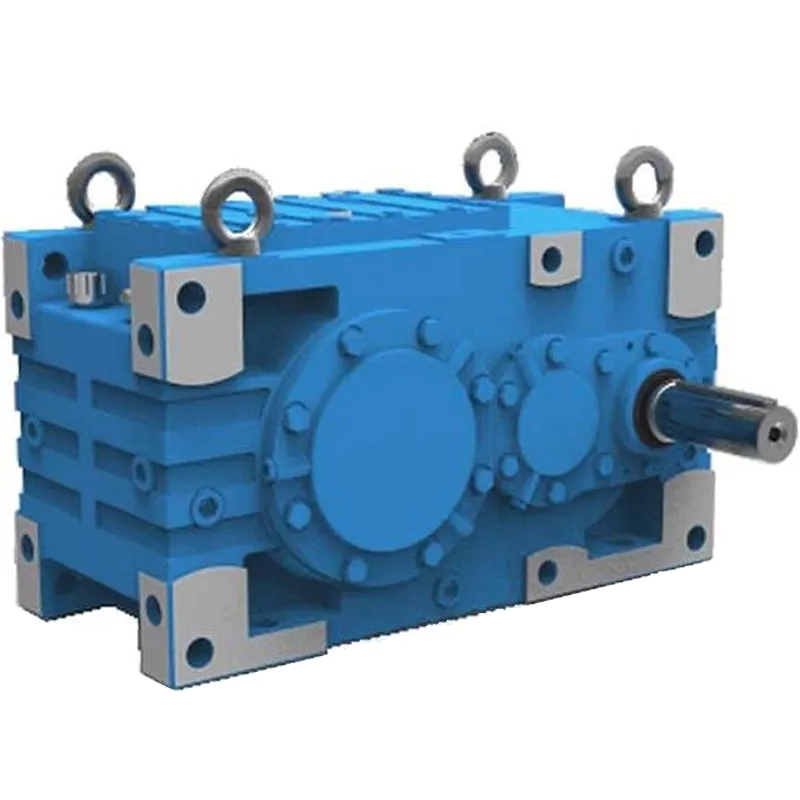
Can you explain the different types of gear reducers available in the market?
There are several types of gear reducers commonly used in industrial applications:
1. Spur Gear Reducers: These reducers have straight teeth and are cost-effective for applications requiring moderate torque and speed reduction. They are efficient but may produce more noise compared to other types.
2. Helical Gear Reducers: Helical gears have angled teeth, which provide smoother and quieter operation compared to spur gears. They offer higher torque capacities and are suitable for heavy-duty applications.
3. Bevel Gear Reducers: Bevel gears have conical shapes and intersect at an angle, allowing them to transmit power between non-parallel shafts. They are commonly used in applications where shafts intersect at 90 degrees.
4. Worm Gear Reducers: Worm gears consist of a worm (screw) and a mating gear (worm wheel). They offer high torque reduction and are used for applications requiring high ratios, although they can be less efficient.
5. Planetary Gear Reducers: These reducers use a system of planetary gears to achieve high torque output in a compact design. They provide excellent torque multiplication and are commonly used in robotics and automation.
6. Cycloidal Gear Reducers: Cycloidal drives use an eccentric cam to achieve speed reduction. They offer high shock load resistance and are suitable for applications with frequent starting and stopping.
7. Harmonic Drive Reducers: Harmonic drives use a flexible spline to achieve high gear reduction ratios. They provide high precision and are commonly used in applications requiring accurate positioning.
8. Hypoid Gear Reducers: Hypoid gears have helical teeth and non-intersecting shafts, making them suitable for applications with space limitations. They offer high torque and efficiency.
Each type of gear reducer has its own advantages and limitations, and the choice depends on factors such as torque requirements, speed ratios, noise levels, space constraints, and application-specific needs.


editor by CX 2024-04-10