제품 설명
Helical Gearbox Low Noise Ratio 30:1 Planetary Gear Reducer
The high-precision planetary gearbox adopts helical gear design, and is used in various control transmission fields with servo motors, such as precision machine tools, laser cutting equipment, battery processing equipment, etc. It has the advantages of large torsional rigidity and large output torque.
제품 설명
설명:
(1) 출력축은 대형 사이즈, 대형 스팬 이중 베어링 설계, 출력축과 행성 암 브라켓을 전체적으로 구성합니다. 입력축은 행성 암 브라켓에 직접 배치되어 감속기가 높은 작동 정확도와 최대 비틀림 강성을 갖도록 보장합니다.
(2).Shell and the inner ring gear used integrated design,quenching and tempering after the processing of the teeth so that it can achieve high torque,high precision,high wear resistance.Moreover surface nickel-plated anti-rust treatment,so that its corrosion resistance greatly enhanced.(3).The planetary gear transmission employs full needle roller without retainer to increase the contact surface,which greatly upgrades structural rigidity and service life.
(4) 기어는 일본 수입 소재로 제작됩니다. 금속 절삭 가공 후 진공 침탄 열처리를 통해 58~62HRC로 가공합니다. 이후 호빙 가공을 통해 최적의 치형과 치 방향을 확보하여 고정밀도와 우수한 충격 인성을 갖춘 기어를 제작합니다.
(5). 입력축과 태양기어를 일체화한 구조로 감속기의 작동 정확도를 향상시킵니다.
제품 매개변수
1.Hole output structure,easy installation ;
2.Square output,standard size;
3.The input specifications are complete and there are many choices;
4.Straight transmission ,single cantilever structurer,design simple,high cost performance;
5.Keyway can be opened in the force shaft;
6.stable operation,low noise;
7.Size range:60-160mm;
8.Ratio range:3-100;
9.Precision backlash:8-16arcmin;
10.Support custom according to drawings or samples
| 명세서 | PFN60 | PFN80 | PFN90 | PFN120 | PFN160 | |||
| 기술 매개변수 | ||||||||
| 최대 토크 | nm | 정격 토크의 1.5배 | ||||||
| 비상 정지 토크 | nm | 정격 토크의 2.5배 | ||||||
| 최대 반경 하중 | N | 240 | 400 | 450 | 1240 | 2250 | ||
| 최대 축 하중 | N | 220 | 420 | 430 | 1000 | 1500 | ||
| 비틀림 강성 | Nm/아크분 | 1.8 | 4.7 | 4.85 | 11 | 35 | ||
| 최대 입력 속도 | 분당 회전수 | 8000 | 6000 | 6000 | 6000 | 4000 | ||
| 정격 입력 속도 | 분당 회전수 | 4000 | 3500 | 3500 | 3500 | 3000 | ||
| 소음 | 데시벨 | ≤58 | ≤60 | ≤60 | ≤65 | ≤70 | ||
| 평균 수명 | 시간 | 20000 | ||||||
| 전부하 효율 | % | L1≥96% L2≥94% | ||||||
| 리턴 백래시 | 피1 | L1 | 아크민 | ≤8 | ≤8 | ≤8 | ≤8 | ≤8 |
| L2 | 아크민 | ≤12 | ≤12 | ≤12 | ≤12 | ≤12 | ||
| P2 | L1 | 아크민 | ≤16 | ≤16 | ≤16 | ≤16 | ≤16 | |
| L2 | 아크민 | ≤20 | ≤20 | ≤20 | ≤20 | ≤20 | ||
| 관성 모멘트 표 | L1 | 3 | kg*cm2 | 0.46 | 0.77 | 1.73 | 12.78 | 36.72 |
| 4 | kg*cm2 | 0.46 | 0.77 | 1.73 | 12.78 | 36.72 | ||
| 5 | kg*cm2 | 0.46 | 0.77 | 1.73 | 12.78 | 36.72 | ||
| 7 | kg*cm2 | 0.41 | 0.65 | 1.42 | 11.38 | 34.02 | ||
| 10 | kg*cm2 | 0.41 | 0.65 | 1.42 | 11.38 | 34.02 | ||
| L2 | 12 | kg*cm2 | 0.44 | 0.72 | 1.49 | 12.18 | 34.24 | |
| 15 | kg*cm2 | 0.44 | 0.72 | 1.49 | 12.18 | 34.24 | ||
| 16 | kg*cm2 | 0.44 | 0.72 | 1.49 | 12.18 | 34.24 | ||
| 20 | kg*cm2 | 0.44 | 0.72 | 1.49 | 12.18 | 34.24 | ||
| 25 | kg*cm2 | 0.44 | 0.72 | 1.49 | 12.18 | 34.24 | ||
| 28 | kg*cm2 | 0.44 | 0.72 | 1.49 | 12.18 | 34.24 | ||
| 30 | kg*cm2 | 0.44 | 0.72 | 1.49 | 12.18 | 34.24 | ||
| 35 | kg*cm2 | 0.44 | 0.72 | 1.49 | 12.18 | 34.24 | ||
| 40 | kg*cm2 | 0.44 | 0.72 | 1.49 | 12.18 | 34.24 | ||
| 50 | kg*cm2 | 0.34 | 0.58 | 1.25 | 11.48 | 34.02 | ||
| 70 | kg*cm2 | 0.34 | 0.58 | 1.25 | 11.48 | 34.02 | ||
| 100 | kg*cm2 | 0.34 | 0.58 | 1.25 | 11.48 | 34.02 | ||
| 기술적 매개변수 | 수준 | 비율 | PFN60 | PFN80 | PFN90 | PFN120 | PFN160 | |
| 정격 토크 | L1 | 3 | nm | 27 | 50 | 96 | 161 | 364 |
| 4 | nm | 40 | 90 | 122 | 210 | 423 | ||
| 5 | nm | 40 | 90 | 122 | 210 | 423 | ||
| 7 | nm | 34 | 48 | 95 | 170 | 358 | ||
| 10 | nm | 16 | 22 | 56 | 86 | 210 | ||
| L2 | 12 | nm | 27 | 50 | 96 | 161 | 364 | |
| 15 | nm | 27 | 50 | 96 | 161 | 364 | ||
| 16 | nm | 40 | 90 | 122 | 210 | 423 | ||
| 20 | nm | 40 | 90 | 122 | 210 | 423 | ||
| 25 | nm | 40 | 90 | 122 | 210 | 423 | ||
| 28 | nm | 40 | 90 | 122 | 210 | 423 | ||
| 30 | nm | 27 | 50 | 96 | 161 | 364 | ||
| 35 | nm | 40 | 90 | 122 | 210 | 423 | ||
| 40 | nm | 40 | 90 | 122 | 210 | 423 | ||
| 50 | nm | 40 | 90 | 122 | 210 | 423 | ||
| 70 | nm | 34 | 48 | 95 | 170 | 358 | ||
| 100 | nm | 16 | 22 | 56 | 86 | 210 | ||
| 보호 수준 | IP65 | |||||||
| 작동 온도 | 섭씨 | – 10ºC ~ -90ºC | ||||||
| 무게 | L1 | 킬로그램 | 0.95 | 2.27 | 3.06 | 6.93 | 15.5 | |
| L2 | 킬로그램 | 1.2 | 2.8 | 3.86 | 8.98 | 17 | ||
회사 프로필
포장 및 배송
1. 리드타임: 일반적으로 10-15일, 성수기에는 30일이 소요되며, 자세한 주문 수량에 따라 달라집니다.
2. 배송: DHL/ UPS/ FEDEX/ EMS/ TNT
/* 2571년 1월 22일 19:08:37 */!function(){function s(e,r){var a,o={};try{e&&e.split(“,”).forEach(function(e,t){e&&(a=e.match(/(.*?):(.*)$/))&&1
| 애플리케이션: | Machine Tool |
|---|---|
| Speed: | 저속 |
| 기능: | 운전 |
| 케이싱 보호: | 폐쇄형 |
| Starting Mode: | Direct on-line Starting |
| Certification: | ISO9001 |
| 샘플: |
US$ 332/Piece
1개(최소 주문) | |
|---|
| 사용자 정의: |
사용 가능
| 맞춤형 요청 |
|---|
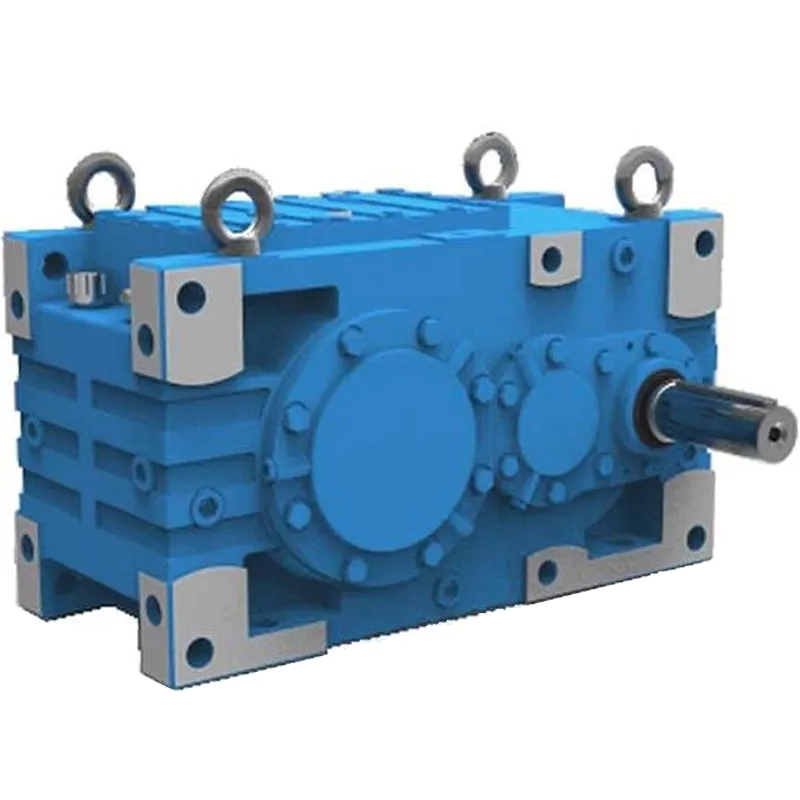
How do gear reducers contribute to energy efficiency in machinery and equipment?
Gear reducers play a significant role in enhancing energy efficiency in various machinery and equipment. Here’s how they contribute:
1. Speed Reduction: Gear reducers are commonly used to reduce the speed of the input shaft, allowing the motor to operate at a higher speed where it’s most efficient. This speed reduction helps match the motor’s optimal operating range, reducing energy consumption.
2. Torque Increase: Gear reducers can increase torque output while decreasing speed, enabling machinery to handle higher loads without the need for a larger, more energy-intensive motor.
3. Matching Load Requirements: By adjusting gear ratios, gear reducers ensure that the machinery’s output speed and torque match the load requirements. This prevents the motor from operating at unnecessary high speeds, saving energy.
4. Variable Speed Applications: In applications requiring variable speeds, gear reducers allow for efficient speed control without the need for continuous motor adjustments, improving energy usage.
5. Efficient Power Transmission: Gear reducers efficiently transmit power from the motor to the load, minimizing energy losses due to friction and inefficiencies.
6. Motor Downsizing: Gear reducers enable the use of smaller, more energy-efficient motors by converting their higher speed, lower torque output into the lower speed, higher torque needed for the application.
7. Decoupling Motor and Load Speeds: In cases where the motor and load speeds are inherently different, gear reducers ensure the motor operates at its most efficient speed while still delivering the required output to the load.
8. Overcoming Inertia: Gear reducers help overcome the inertia of heavy loads, making it easier for motors to start and stop, reducing energy consumption during frequent operation.
9. Precise Control: Gear reducers provide precise control over speed and torque, optimizing the energy consumption of machinery in processes that require accurate adjustments.
10. Regenerative Braking: In some applications, gear reducers can be used to capture and convert kinetic energy back into electrical energy during braking or deceleration, improving overall energy efficiency.
By efficiently managing speed, torque, and power transmission, gear reducers contribute to energy-efficient operation, reducing energy consumption, and minimizing the environmental impact of machinery and equipment.
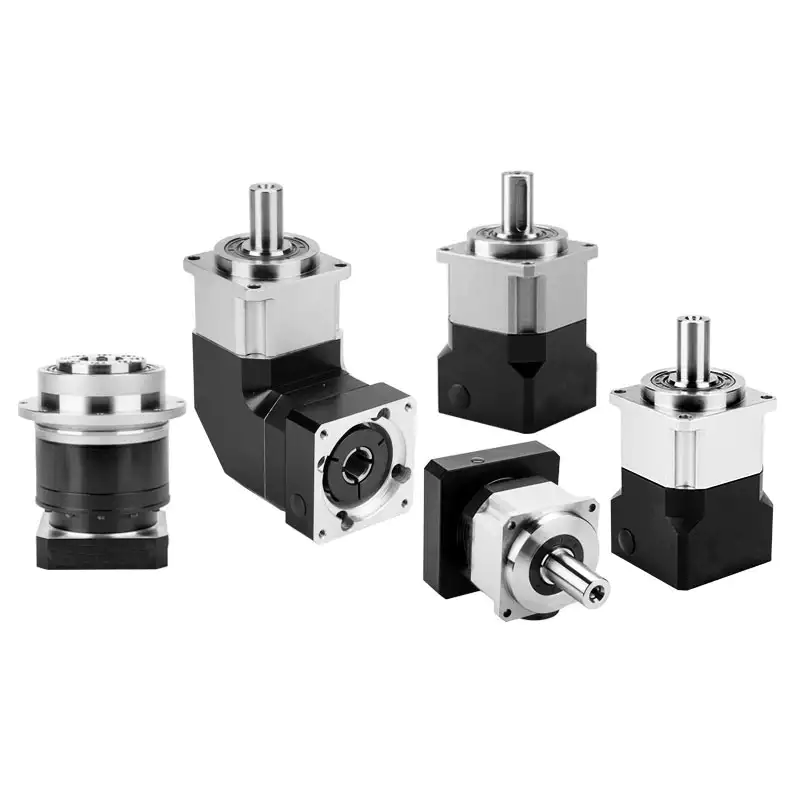
Can gear reducers be used for both speed reduction and speed increase?
Yes, gear reducers can be utilized for both speed reduction and speed increase, depending on their design and arrangement. The functionality to either decrease or increase rotational speed is achieved by altering the arrangement of gears within the gearbox.
1. Speed Reduction: In speed reduction applications, a gear reducer is designed with gears of different sizes. The input shaft connects to a larger gear, while the output shaft is connected to a smaller gear. As the input shaft rotates, the larger gear turns the smaller gear, resulting in a decrease in output speed compared to the input speed. This configuration provides higher torque output at a lower speed, making it suitable for applications that require increased force or torque.
2. Speed Increase: For speed increase, the gear arrangement is reversed. The input shaft connects to a smaller gear, while the output shaft is connected to a larger gear. As the input shaft rotates, the smaller gear drives the larger gear, resulting in an increase in output speed compared to the input speed. However, the torque output is lower than that of speed reduction configurations.
By choosing the appropriate gear ratios and arrangement, gear reducers can be customized to meet specific speed and torque requirements for various industrial applications. It’s important to select the right type of gear reducer and configure it correctly to achieve the desired speed reduction or speed increase.
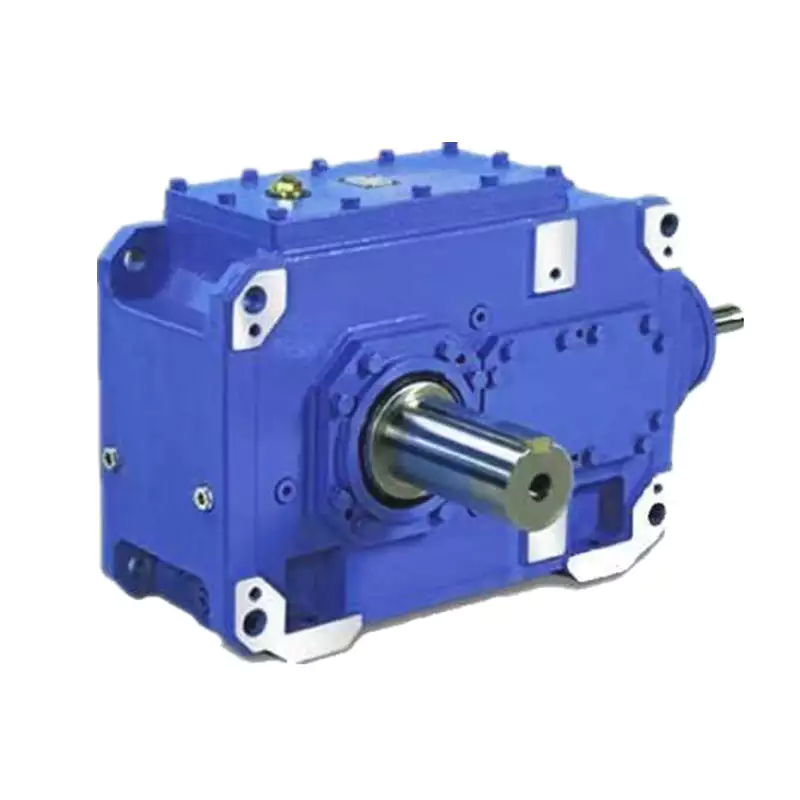
Are there variations in gear reducer designs for specific tasks and applications?
Yes, gear reducer designs vary widely to suit specific tasks and applications across various industries. Manufacturers offer a range of gear reducer types and configurations to accommodate different requirements, including:
- Helical Gear Reducers: These are versatile and provide smooth and efficient torque transmission. They are commonly used in applications requiring high precision and moderate speed reduction, such as conveyors, mixers, and agitators.
- Bevel Gear Reducers: These are ideal for transmitting power between intersecting shafts. They are often used in heavy machinery, printing presses, and automotive applications.
- Worm Gear Reducers: These provide compact solutions and are suitable for applications with higher speed reduction requirements, such as conveyor systems, winches, and elevators.
- Planetary Gear Reducers: These offer high torque density and are used in applications demanding precise control, such as robotics, aerospace, and heavy-duty machinery.
- Parallel Shaft Gear Reducers: Commonly used in industrial machinery, these reducers are designed for high torque and reliability.
- Right-Angle Gear Reducers: These are used when space limitations require a change in shaft direction, commonly found in packaging equipment and conveyors.
Each type of gear reducer has unique features and benefits that make it suitable for specific tasks. Manufacturers often provide customization options to tailor gear reducers to the precise requirements of an application, including gear ratios, mounting options, and input/output configurations.
Therefore, the variation in gear reducer designs allows industries to select the most appropriate type based on factors such as torque, speed, space constraints, precision, and environmental conditions.


editor by CX 2024-05-16