제품 설명
제품 설명
제품 매개변수
| Parameters | Unit | 수준 | 감소율 | Flange Size Specification | ||||||||
| 060 | 090 | 115 | 142 | 180 | 220 | 280 | 330 | 400 | ||||
| Rated Output Torque T2n | N.m | 1 | 3 | 27.8 | 115 | 212 | 470 | 1226 | 1730 | 4230 | 8200 | 12500 |
| 4 | 46.32 | 142 | 268 | 582 | 1450 | 2270 | 5120 | 9800 | 16000 | |||
| 5 | 46.32 | 142 | 268 | 582 | 1450 | 2270 | 5120 | 8500 | 12200 | |||
| 7 | 38.9 | 110 | 212 | 468 | 1130 | 1610 | 3220 | 5000 | 7600 | |||
| 10 | 18.5 | 100 | 95 | 255 | 730 | 1050 | 1820 | 3500 | 5000 | |||
| 2 | 12 | 46.32 | 142 | 268 | 582 | 1450 | 2270 | 5120 | 9800 | 16000 | ||
| 15 | 46.32 | 142 | 268 | 582 | 1450 | 2270 | 5120 | 8500 | 12200 | |||
| 20 | 46.32 | 142 | 268 | 582 | 1450 | 2270 | 5120 | 9800 | 16000 | |||
| 25 | 46.32 | 142 | 268 | 582 | 1450 | 2270 | 5120 | 8500 | 12200 | |||
| 28 | 46.32 | 142 | 268 | 582 | 1450 | 2270 | 5120 | 9800 | 16000 | |||
| 30 | 27.8 | 115 | 212 | 470 | 1226 | 1730 | 4230 | 8200 | 12500 | |||
| 35 | 46.32 | 142 | 268 | 582 | 1450 | 2270 | 5120 | 8500 | 12200 | |||
| 40 | 46.32 | 142 | 268 | 582 | 1450 | 2270 | 5120 | 9800 | 16000 | |||
| 50 | 46.32 | 142 | 268 | 582 | 1450 | 2270 | 5120 | 8500 | 12200 | |||
| 70 | 38.9 | 110 | 212 | 468 | 1130 | 1610 | 3220 | 5000 | 7600 | |||
| 100 | 18.5 | 100 | 95 | 255 | 730 | 1050 | 1820 | 3500 | 5000 | |||
| 3 | 120 | 46.32 | 142 | 268 | 582 | 1450 | 2270 | 5120 | 9800 | 16000 | ||
| 150 | 46.32 | 142 | 268 | 582 | 1450 | 2270 | 5120 | 8500 | 12200 | |||
| 200 | 46.32 | 142 | 268 | 582 | 1450 | 2270 | 5120 | 9800 | 16000 | |||
| 250 | 46.32 | 142 | 268 | 582 | 1450 | 2270 | 5120 | 8500 | 12200 | |||
| 280 | 46.32 | 142 | 268 | 582 | 1450 | 2270 | 5120 | 9800 | 16000 | |||
| 350 | 46.32 | 142 | 268 | 582 | 1450 | 2270 | 5120 | 8500 | 12200 | |||
| 400 | 46.32 | 142 | 268 | 582 | 1450 | 2270 | 5120 | 9800 | 16000 | |||
| 500 | 46.32 | 142 | 268 | 582 | 1450 | 2270 | 5120 | 8500 | 12200 | |||
| 700 | 38.9 | 110 | 212 | 468 | 1130 | 1610 | 3220 | 5000 | 7600 | |||
| 1000 | 18.5 | 100 | 95 | 255 | 730 | 1050 | 1820 | 3500 | 5000 | |||
| Maximum Output Torque T2b | N.m | 1,2,3 | 3~1000 | 2Times of Rated Output Torque | ||||||||
| Rated Input Speed N1n | 분당 회전수 | 1,2,3 | 3~1000 | 4000 | 3500 | 3500 | 3000 | 3000 | 2500 | 2000 | 1500 | 1500 |
| Maximum Input Speed N1b | 분당 회전수 | 1,2,3 | 3~1000 | 8000 | 7000 | 7000 | 5000 | 5000 | 4000 | 3000 | 2000 | 2000 |
| Precision Backlash P1 | 아크민 | 1 | 3~1000 | ≤4 | ≤4 | ≤4 | ≤4 | ≤4 | ≤4 | ≤8 | ≤8 | ≤8 |
| 아크민 | 2 | 3~1000 | ≤6 | ≤6 | ≤6 | ≤6 | ≤6 | ≤6 | ≤12 | ≤12 | ≤12 | |
| 아크민 | 3 | 3~1000 | ≤8 | ≤8 | ≤8 | ≤8 | ≤8 | ≤8 | ≤16 | ≤16 | ≤16 | |
| Standard Backlash P2 | 아크민 | 1 | 3~1000 | ≤8 | ≤8 | ≤8 | ≤8 | ≤8 | ≤8 | ≤12 | ≤12 | ≤12 |
| 아크민 | 2 | 3~1000 | ≤10 | ≤10 | ≤10 | ≤10 | ≤10 | ≤10 | ≤18 | ≤18 | ≤18 | |
| 아크민 | 3 | 3~1000 | ≤12 | ≤12 | ≤12 | ≤12 | ≤12 | ≤12 | ≤24 | ≤24 | ≤24 | |
| 비틀림 강성 | Nm/아크분 | 1,2,3 | 3~1000 | 7 | 14 | 25 | 50 | 145 | 225 | 300 | 330 | 350 |
| Allowable Radial Force F2rb2 | N | 1,2,3 | 3~1000 | 1550 | 3250 | 6700 | 9400 | 14500 | 50000 | 60000 | 70000 | 90000 |
| Allowable Axial Force F2ab2 | N | 1,2,3 | 3~1000 | 775 | 1625 | 3350 | 4700 | 7250 | 25000 | 30000 | 95000 | 1250000 |
| Moment of Inertia J1 | kg.cm2 | 1 | 3~10 | 0.18 | 0.75 | 2.85 | 12.4 | 15.3 | 34.8 | 44.9 | 80 | 255 |
| 2 | 12~100 | 0.15 | 0.52 | 2.15 | 7.6 | 15.2 | 32.2 | 41.8 | 75 | 240 | ||
| 3 | 120~1000 | 0.07 | 0.36 | 2.05 | 6.3 | 14.2 | 18.3 | 28.1 | 68 | 220 | ||
| Service Life | hr | 1,2,3 | 3~1000 | 20000 | ||||||||
| Efficiency η | % | 1 | 3~10 | 95% | ||||||||
| 2 | 12~100 | 92% | ||||||||||
| 3 | 120~1000 | 85% | ||||||||||
| Noise Level | 데시벨 | 1,2,3 | 3~1000 | ≤58 | ≤62 | ≤65 | ≤70 | ≤70 | ≤75 | ≤75 | ≤75 | ≤75 |
| 작동 온도 | 섭씨 | 1,2,3 | 3~1000 | -10~+90 | ||||||||
| Protection Class | IP | 1,2,3 | 3~1000 | IP65 | ||||||||
| Weights | 킬로그램 | 1 | 3~10 | 1.3 | 3.6 | 7.5 | 16 | 28 | 48 | 110 | 160 | 250 |
| 2 | 12~100 | 1.5 | 4.2 | 9.5 | 20 | 32 | 60 | 135 | 190 | 340 | ||
| 3 | 120~1000 | 1.8 | 4.8 | 11.5 | 24 | 36 | 72 | 150 | 225 | 420 | ||
자주 묻는 질문
Q: How to select a gearbox?
A: Firstly, determine the torque and speed requirements for your application. Consider the load characteristics, operating environment, and duty cycle. Then, choose the appropriate gearbox type, such as planetary, worm, or helical, based on the specific needs of your system. Ensure compatibility with the motor and other mechanical components in your setup. Lastly, consider factors like efficiency, backlash, and size to make an informed selection.
Q: What type of motor can be paired with a gearbox?
A: Gearboxes can be paired with various types of motors, including servo motors, stepper motors, and brushed or brushless DC motors. The choice depends on the specific application requirements, such as speed, torque, and precision. Ensure compatibility between the gearbox and motor specifications for seamless integration.
Q: Does a gearbox require maintenance, and how is it maintained?
A: Gearboxes typically require minimal maintenance. Regularly check for signs of wear, lubricate as per the manufacturer’s recommendations, and replace lubricants at specified intervals. Performing routine inspections can help identify issues early and extend the lifespan of the gearbox.
Q: What is the lifespan of a gearbox?
A: The lifespan of a gearbox depends on factors such as load conditions, operating environment, and maintenance practices. A well-maintained gearbox can last for several years. Regularly monitor its condition and address any issues promptly to ensure a longer operational life.
Q: What is the slowest speed a gearbox can achieve?
A: Gearboxes are capable of achieving very slow speeds, depending on their design and gear ratio. Some gearboxes are specifically designed for low-speed applications, and the choice should align with the specific speed requirements of your system.
Q: What is the maximum reduction ratio of a gearbox?
A: The maximum reduction ratio of a gearbox depends on its design and configuration. Gearboxes can achieve various reduction ratios, and it’s important to choose 1 that meets the torque and speed requirements of your application. Consult the gearbox specifications or contact the manufacturer for detailed information on available reduction ratios.
/* March 10, 2571 17:59:20 */!function(){function s(e,r){var a,o={};try{e&&e.split(“,”).forEach(function(e,t){e&&(a=e.match(/(.*?):(.*)$/))&&1
| 애플리케이션: | Motor, Electric Cars, Machinery, Agricultural Machinery, Gearbox |
|---|---|
| 경도: | 경화된 치아 표면 |
| 설치: | 세로형 |
| 공들여 나열한 것: | 같은 축의 |
| Gear Shape: | Bevel Gear |
| 단계: | 3단계 |
| 사용자 정의: |
사용 가능
| 맞춤형 요청 |
|---|
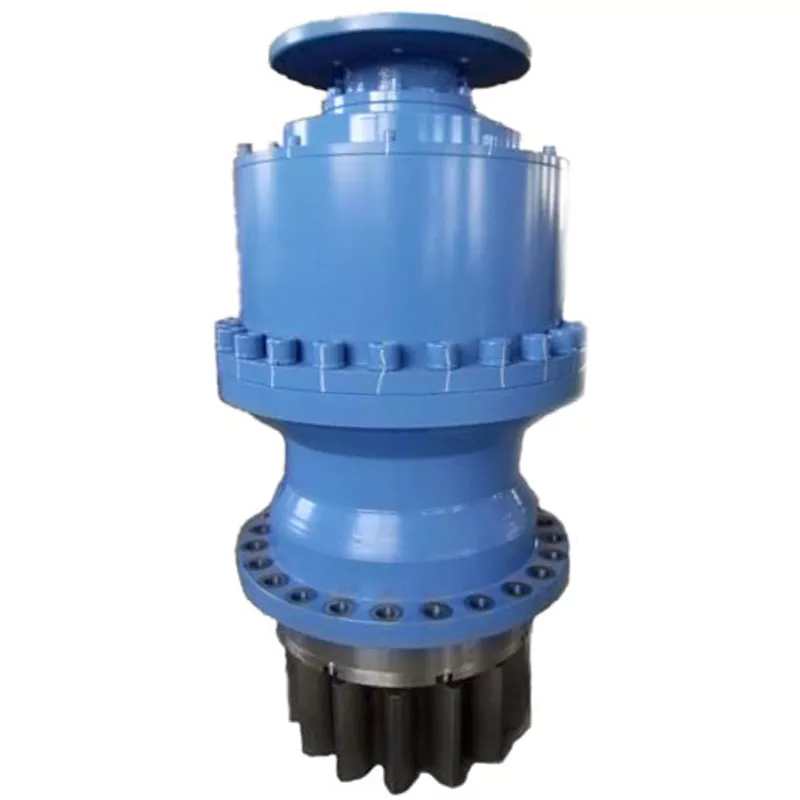
행성 기어박스의 동축 및 평행 축 배열 개념
In planetary gearboxes, the arrangement of shafts plays a crucial role in determining the gearbox’s overall structure and functionality. The two common shaft arrangements are coaxial and parallel configurations:
동축 샤프트 배열: In a coaxial arrangement, the input shaft and output shaft are positioned along the same axis, resulting in a compact and streamlined design. The planetary gears and other components are aligned concentrically around the central axis, allowing for efficient power transmission and reduced space requirements. Coaxial planetary gearboxes are commonly used in applications where space is limited, and a compact form factor is essential. They are often employed in robotics, automotive systems, and aerospace mechanisms.
평행 샤프트 배열: In a parallel arrangement, the input and output shafts are positioned parallel to each other but on different axes. The planetary gears are aligned in a way that allows the power to be transmitted from the input shaft to the output shaft via a combination of meshing gears. This arrangement allows for a larger gear diameter and higher torque transmission capabilities. Parallel planetary gearboxes are often used in applications requiring high torque and heavy-duty performance, such as industrial machinery, construction equipment, and material handling systems.
The choice between coaxial and parallel shaft arrangements depends on the specific requirements of the application. Coaxial configurations are favored for compactness and efficient power transmission, while parallel configurations excel in handling higher torque and heavy loads. Both arrangements offer distinct advantages and are chosen based on factors like available space, torque demands, load characteristics, and overall system design.
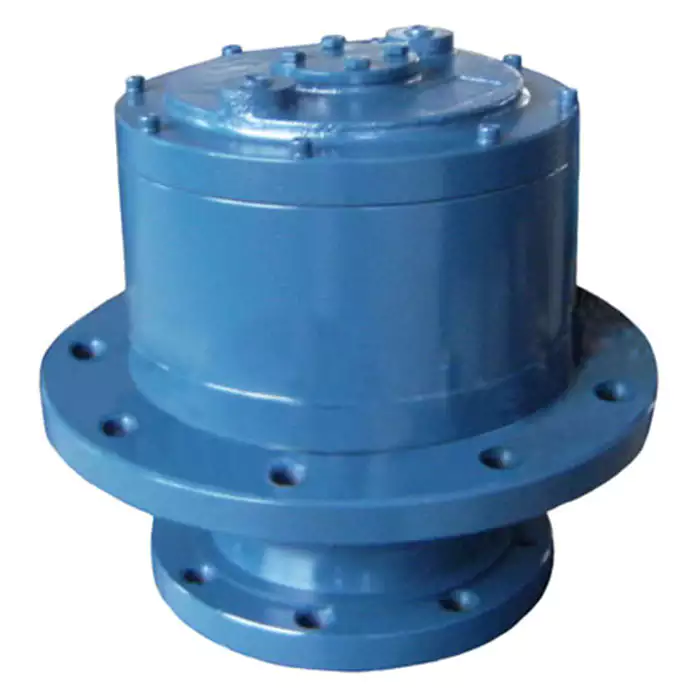
Signs of Wear or Damage in Planetary Gearboxes and Recommended Service
Planetary gearboxes, like any mechanical component, can exhibit signs of wear or damage over time. Recognizing these signs is crucial for timely maintenance to prevent further issues. Here are some common signs of wear or damage in planetary gearboxes:
1. Unusual Noise: Excessive noise, grinding, or whining sounds during operation can indicate worn or misaligned gear teeth. Unusual noise is often a clear indicator that something is wrong within the gearbox.
2. Increased Vibration: Excessive vibration or shaking during operation can result from misalignment, damaged bearings, or worn gears. Vibration can lead to further damage if not addressed promptly.
3. Gear Tooth Wear: Inspect gear teeth for signs of wear, pitting, or chipping. These issues can result from improper lubrication, overload, or other operational factors. Damaged gear teeth can affect the gearbox’s efficiency and performance.
4. Oil Leakage: Leakage of gearbox oil or lubricant can indicate a faulty seal or gasket. Oil leakage not only leads to reduced lubrication but can also cause environmental contamination and further damage to the gearbox components.
5. Temperature Increase: A significant rise in operating temperature can suggest increased friction due to wear or inadequate lubrication. Monitoring temperature changes can help identify potential issues early.
6. Reduced Efficiency: If you notice a decrease in performance, such as decreased torque output or inconsistent speed, it could indicate internal damage to the gearbox components.
7. Abnormal Gear Ratios: If the output speed or torque does not match the expected gear ratio, it could be due to gear wear, misalignment, or other issues affecting the gear engagement.
8. Frequent Maintenance Intervals: If you find that you need to service the gearbox more frequently than usual, it could be a sign that the gearbox is experiencing excessive wear or damage.
When to Service: If any of the above signs are observed, it’s important to address them promptly. Regular maintenance checks are also recommended to detect potential issues early and prevent more significant problems. Scheduled maintenance should include inspections, lubrication checks, and replacement of worn or damaged components.
It’s advisable to consult the gearbox manufacturer’s guidelines for recommended service intervals and practices. Regular maintenance can extend the lifespan of the planetary gearbox and ensure it continues to operate efficiently and reliably.
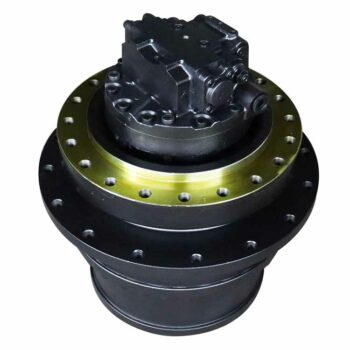
행성 기어박스 선택 시 고려해야 할 요소
특정 용도에 적합한 유성 기어박스를 선택하려면 최적의 성능과 호환성을 보장하기 위해 다양한 요소를 고려해야 합니다. 다음은 염두에 두어야 할 핵심 요소입니다.
- 하중 요구 사항: 애플리케이션의 토크 및 속도 요구 사항을 확인하십시오. 유성 기어박스는 다양한 토크 및 속도 비율을 제공하므로, 적절한 부하 용량을 갖춘 적절한 기어박스를 선택하는 것이 중요합니다.
- 비율: 원하는 출력 속도와 토크를 달성하는 데 필요한 기어 감속비를 평가합니다. 유성 기어박스는 다양한 기어비로 제공되어 출력 특성을 맞춤 설정할 수 있습니다.
- 능률: 기어박스의 효율은 에너지 소비와 열 발생에 영향을 미치므로 이를 고려하십시오. 효율이 높은 기어박스는 변속 중 전력 손실을 최소화합니다.
- 크기 및 컴팩트함: 행성 기어박스는 작은 크기로 유명하지만, 성능 요구 사항을 충족하는 동시에 사용 가능한 공간에 맞는 크기를 선택하는 것이 중요합니다.
- 장착 구성: 애플리케이션에 기어박스를 어떻게 장착할지 결정하세요. 유성 기어박스는 플랜지, 샤프트, 풋 마운팅 등 다양한 장착 옵션을 가질 수 있습니다.
- 입력 및 출력 유형: 장비와의 호환성을 보장하기 위해 수컷, 암컷, 키형, 스플라인형 또는 중공형 샤프트와 같은 적절한 입력 및 출력 샤프트 구성을 선택하세요.
- 환경: 온도, 습도, 먼지, 화학 물질 노출 가능성 등 작동 환경을 고려하십시오. 해당 조건을 견딜 수 있는 적절한 씰과 재질을 갖춘 기어박스를 선택하십시오.
- 정확성: 일부 애플리케이션에는 정밀한 모션 제어가 필요합니다. 정확도가 중요하다면 백래시가 최소화되고 기어 맞물림 품질이 높은 기어박스를 선택하세요.
- 서비스 수명 및 신뢰성: 제조사의 사양을 바탕으로 기어박스의 예상 수명과 신뢰성을 평가하십시오. 신뢰할 수 있는 제품을 생산하는 것으로 알려진 명성 있는 제조사를 선택하십시오.
- 백래시: 백래시는 위치 정확도에 영향을 줄 수 있는 기어 사이의 간격입니다. 적용 분야에 따라 백래시가 낮은 기어박스가 필요하거나 백래시를 보상하는 방법이 필요할 수 있습니다.
- 예산: 성능 요구 사항의 균형을 맞추면서 예산 제약도 고려하세요. 경우에 따라 고품질 기어박스에 미리 투자하면 유지 보수 및 다운타임 감소를 통해 장기적인 비용 절감 효과를 얻을 수 있습니다.
이러한 요소를 신중하게 고려하고 기어박스 제조업체나 전문가와 상의하면 해당 응용 분야의 고유한 요구 사항을 가장 잘 충족하는 행성 기어박스를 선택할 수 있습니다.


editor by CX 2024-02-15