Penerangan Produk
Penerangan Produk
WP series worm gear reducer
1. Stable transmission.
2. High torque, Strong bearing capacity.
3. Large transmission ratio and wide power.
4. Good redistance to wearing,with high precision in dimensions, lower noise.
| WP series worm gear reducer | |
| WPA/WPS/WPO/WPX/WPZ/WPW/WPZ | |
| Model | 040~250 |
| Nisbah | Single stage: 5~60 |
| double stage: 200~900 | |
| Input Power | Single stage: 0.12~33.20kW |
| double stage:0.12~11.71kW | |
| Output Torque | Single stage: 6~6050N.m |
| double stage: 63~6050 N.m | |
|
Material: |
Housing: Die-Cast Iron cast |
|
Worm Gear-Copper-10-3# |
|
|
Worm-20CrMn Ti with carburizing and quenching, surface harness is 56-62HRC |
|
|
Shaft-chromium steel-45# |
|
| Lubricate oil | Synthetic oil |
| Paint brand and color | Blue/Silver/Grey or on request |
| Warranty | 12 months |
Detailed Photos
Single speed reducer
Double speed reducer
Catalogue
Workshop
Lots of worm gears and worm shafts in stock.
Assembling line
Cleaning+Painting+ drying after assembling
Final finished reducers
Packaging & Shipping
Each reducer in single carton box packed.
Soalan Lazim
Q1: Are you trading company or manufacturer ?
A: We are factory.
Q2: How long is your delivery time and shipment?
1.Sample Lead-times: 10-20 days.
2.Production Lead-times: 30-45 days after order confirmed.
Q3: What is your advantages?
1. The most competitive price and good quality.
2. Perfect technical engineers give you the best support.
3. OEM is available.
| Permohonan: | Motor, Motorcycle, Machinery, Toy, Agricultural Machinery |
|---|---|
| Kekerasan: | Permukaan Gigi Mengeras |
| Pemasangan: | Vertical Type |
| Susun atur: | Coaxial |
| Bentuk Gear: | Worm Gear |
| Type: | Worm Reducer |
| Penyesuaian: |
Tersedia
| Permintaan Tersuai |
|---|
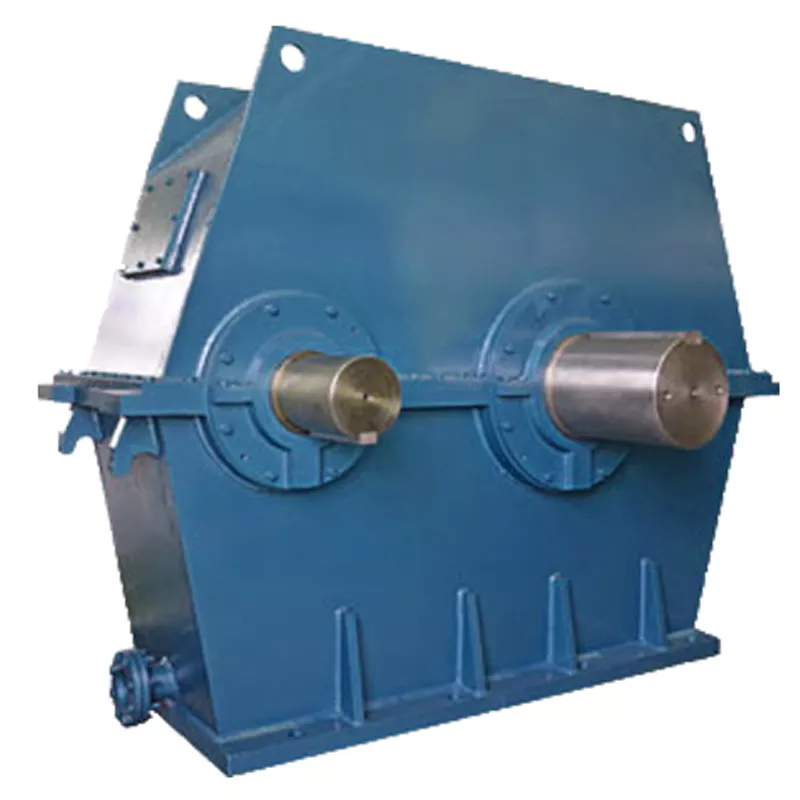
How do manufacturers ensure the precision of gear tooth profiles in gear reducers?
Manufacturers employ several techniques to ensure the precision of gear tooth profiles in gear reducers, which is crucial for optimal performance and efficiency:
1. Precision Machining: Gear teeth are typically machined using advanced CNC (Computer Numerical Control) machines that can achieve high levels of accuracy and repeatability. This ensures consistent gear tooth profiles across multiple components.
2. Quality Control Measures: Rigorous quality control processes, such as dimensional inspections and profile measurements, are performed at various stages of manufacturing to verify that gear tooth profiles meet the required specifications.
3. Tooth Profile Design: Engineers use specialized software and simulation tools to design gear tooth profiles with precise involute shapes and accurate dimensions. These designs are then translated into machine instructions for manufacturing.
4. Material Selection: High-quality materials with excellent wear resistance and dimensional stability are chosen to minimize the potential for deformation or inaccuracies during machining and operation.
5. Heat Treatment: Heat treatment processes, such as carburizing and quenching, are applied to enhance the surface hardness and durability of gear teeth, reducing the risk of wear and deformation over time.
6. Tooth Grinding and Finishing: After initial machining, gear teeth often undergo precision grinding and finishing processes to achieve the desired tooth profile accuracy and surface finish.
7. Post-Processing Inspection: Gear tooth profiles are inspected again after manufacturing processes to verify that the final components meet the specified tolerances and performance criteria.
8. Computer-Aided Manufacturing (CAM): CAM software is used to generate tool paths and machining instructions, enabling precise control over tool movements and material removal during gear manufacturing.
By combining these techniques and leveraging advanced manufacturing technologies, manufacturers can achieve the necessary precision in gear tooth profiles, resulting in reliable and efficient gear reducers for various industrial applications.
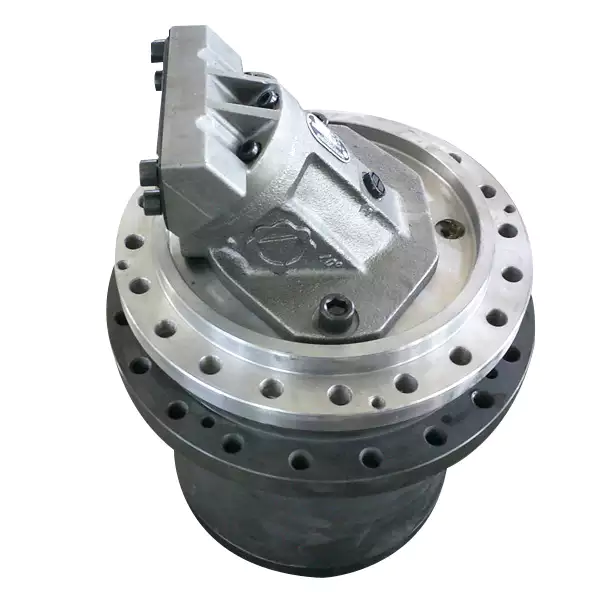
Apakah faktor yang perlu dipertimbangkan semasa memilih pengurang gear yang betul?
Memilih pengurang gear yang sesuai melibatkan mempertimbangkan beberapa faktor penting untuk memastikan prestasi dan kecekapan optimum untuk aplikasi khusus anda:
- 1. Tork dan Keperluan Kuasa: Tentukan jumlah tork dan kuasa yang diperlukan oleh jentera anda untuk operasinya.
- 2. Nisbah Kelajuan: Kira pengurangan atau peningkatan kelajuan yang diperlukan untuk memadankan kelajuan input dan output.
- 3. Jenis Gear: Pilih jenis gear yang sesuai (heliks, serong, cacing, planet, dll.) berdasarkan tork, ketepatan dan keperluan kecekapan aplikasi anda.
- 4. Pilihan Pemasangan: Pertimbangkan ruang yang tersedia dan konfigurasi pelekap yang sesuai dengan jentera anda.
- 5. Keadaan Persekitaran: Nilaikan faktor seperti suhu, kelembapan, habuk dan unsur menghakis yang boleh memberi kesan kepada prestasi pengurang gear.
- 6. Kecekapan: Menilai kecekapan pengurang gear untuk meminimumkan kehilangan kuasa dan meningkatkan prestasi keseluruhan sistem.
- 7. Tindak balas: Pertimbangkan tahap tindak balas atau permainan yang boleh diterima antara gigi gear, yang boleh menjejaskan ketepatan.
- 8. Keperluan Penyelenggaraan: Tentukan selang penyelenggaraan dan prosedur yang diperlukan untuk operasi yang boleh dipercayai.
- 9. Bunyi dan Getaran: Nilai tahap hingar dan getaran untuk memastikan ia memenuhi keperluan jentera anda.
- 10. Kos: Bandingkan kos awal dan nilai jangka panjang pilihan pengurang gear yang berbeza.
Dengan menilai dengan teliti faktor-faktor ini dan berunding dengan pengeluar pengurang gear, jurutera dan profesional industri boleh membuat keputusan termaklum untuk memilih pengurang gear yang sesuai untuk aplikasi khusus mereka, mengoptimumkan prestasi, jangka hayat dan keberkesanan kos.
Function of Gear Reducers in Mechanical Systems
A gear reducer, also known as a gear reduction unit or gearbox, is a mechanical device designed to reduce the speed of an input shaft while increasing its torque output. It accomplishes this through the use of a set of interlocking gears with different sizes.
The primary function of a gear reducer in mechanical systems is to:
- Speed Reduction: The gear reducer takes the high-speed rotation of the input shaft and transmits it to the output shaft through a set of gears. The gears are configured in such a way that the output gear has a larger diameter than the input gear. As a result, the output shaft rotates at a lower speed than the input shaft, but with increased torque.
- Torque Increase: Due to the size difference between the input and output gears, the torque applied to the output shaft is greater than that of the input shaft. This torque multiplication allows the system to handle heavier loads and perform tasks requiring higher force.
Gear reducers are widely used in various industries and applications where it’s necessary to adapt the speed and torque characteristics of a power source to meet the requirements of the driven equipment. They can be found in machinery such as conveyor systems, industrial machinery, vehicles, and more.


editor by CX 2023-09-14