Penerangan Produk
NMRV REDUCTION WORM GEARBOX
The NMRV 090 worm gear motor is an angular drive in which the input and output shafts are at right angles to each other. A gearbox with 1 gear stage provides gear ratios of 7.5 – 100. Electric motor power: 0.37 – 4 kW. The drive can be mounted in an arbitrary spatial position. Mounting options: flange or feet.
The unified mounting dimensions provide the NMRV 090 gearmotor interchangeability with Varvel SRT 85, STM UMI 90, SITI MU90 units.
Parts materials:
Case – aluminum, flanges – aluminum, worm – steel, worm wheel CHINAMFG – bronze.
Type of lubricant: synthetic ISO VG 320.
Weight: 13 kg.
Type designation scheme
NMRV – 090 – 30 – 93.3 – 2.2 – B7
- NMRV – worm gear motor
- 090 – size (center distance, mm)
- 30 – gear ratio
- 93.3 – output shaft rotation speed, rpm
- 2.2 – electric motor power, kW
- B7 – mounting position
NMRV 090 gearbox performance
| i | n 1 = 2800 rpm | n 1 = 1400 rpm | n 1 = 900, rpm | |||||||||
| n 2 , rpm |
T 2M , N * m |
P kw |
RD % |
n 2 , rpm |
T 2M , N * m |
P kw |
RD % |
n 2 , rpm |
T 2M , N * m |
P kw |
RD % |
|
| 7.5 | 373 | 267 | 11.20 | 93 | 187 | 363 | 7.80 | 91 | 120 | 432 | 6.10 | 89 |
| 10 | 280 | 266 | 8.80 | 92 | 140 | 368 | 6.00 | 90 | 90 | 430 | 4.60 | 88 |
| 15 | 187 | 303 | 6.59 | 90 | 93 | 393 | 4.40 | 87 | 60 | 460 | 3.40 | 85 |
| 20 | 140 | 312 | 5.20 | 88 | 70 | 405 | 3.50 | 85 | 45 | 470 | 2.70 | 82 |
| 25 | 112 | 326 | 4.40 | 87 | 56 | 406 | 2.90 | 82 | 36 | 482 | 2.30 | 79 |
| 30 | 93 | 314 | 3.60 | 85 | 47 | 374 | 2.30 | 80 | 30 | 466 | 1.90 | 77 |
| 40 | 70 | 358 | 3.20 | 82 | 35 | 441 | 2.10 | 77 | 23 | 492 | 1.60 | 74 |
| 50 | 56 | 319 | 2.40 | 78 | 28 | 398 | 1.60 | 73 | 18 | 483 | 1.30 | 70 |
| 60 | 47 | 303 | 2.00 | 74 | 23 | 372 | 1.30 | 69 | 15 | 414 | 1.00 | 65 |
| 80 | 35 | 264 | 1.40 | 69 | 18 | 306 | 0.90 | 64 | 11 | 378 | 0.70 | 62 |
| 100 | 28 | 233 | 1.10 | 62 | 14 | 272 | 0.70 | 57 | 9 | 281 | 0.50 | 53 |
- n1 – rotational speed el. engine;
- n2 – revolutions on the output shaft;
- T 2M – torque on the output shaft;
- P is the maximum allowable engine power;
- RD – efficiency
GEARBOX FEATURE
| 1.Good quality,long life time,low noise. |
| 2.Compact,convenient. |
| 3.High efficiency,big torque. |
Overall and mounting dimensions NMRV 090
NMRV090 gear motor has a wide range of gear ratios.
Gear ratios: 7.5, 10, 15, 20, 25, 30, 40, 50, 60, 80, 100 .
Output flange to NMRV 090 gearbox
Geared NMRV090 can be supplied with unilateral or bilateral output shaft.
The gearbox comes standard with a hollow output shaft
A torque arm is an additional option to the gearbox.
| Model | NMRV SERIES |
| Single Stage | RV25-RV150 |
| Nisbah | 7.5-100 |
| Input Power | 0.06KW-15KW |
| Output Speed | 14-280rpm |
| Output Torque | 5-1800Nm |
| Core parts | worm wheel,worm shaft |
| Core parts material | worm shaft:20 Cr Mn Ti,worm wheel:Nodular cast iron interal,9-4 copper external |
| Lubrication | RV30-90:synthetic oil, RV110-150:GN460-W mineral oil |
| Bearings | C&U |
| Permohonan: | Motor, Motorcycle, Machinery, Agricultural Machinery, Industry |
|---|---|
| Kekerasan: | Hardened |
| Pemasangan: | Any Angle |
| Bentuk Gear: | Worm Gear |
| Langkah: | Satu Langkah |
| Type: | Worm and Wormwheel |
| Sampel: |
US$ 20/Piece
1 Keping(Min.Pesanan) | |
|---|
| Penyesuaian: |
Tersedia
| Permintaan Tersuai |
|---|
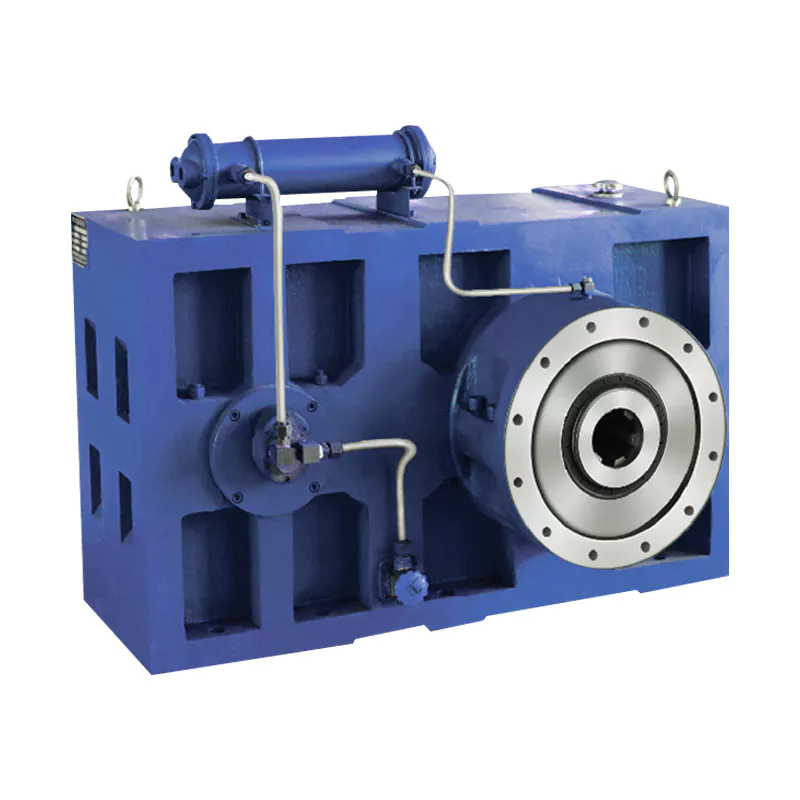
Can you provide real-world examples of products that use gear reducer technology?
Certainly! Gear reducer technology is widely used in various industries and products to enhance performance and efficiency. Here are some real-world examples:
1. Industrial Machinery: Gear reducers are commonly used in manufacturing machinery, such as conveyor systems, material handling equipment, and assembly lines, where they help control speed and torque for precise operations.
2. Wind Turbines: Wind turbines utilize gear reducers to transform the low rotational speed of the wind turbine rotor into the higher speed needed for electricity generation, optimizing energy conversion.
3. Automotive Transmissions: Automobiles use gear reducers as part of their transmissions to optimize power delivery from the engine to the wheels, allowing the vehicle to operate efficiently at different speeds.
4. Robotics: Robotic systems rely on gear reducers to control the movement and articulation of robot arms, enabling precise and controlled motion for various applications.
5. Printing Presses: Gear reducers are integral to printing presses, ensuring accurate and synchronized movement of printing plates, rollers, and paper feed mechanisms.
6. Conveyor Belts: Conveyor systems in industries like mining, agriculture, and logistics use gear reducers to regulate the movement of materials along the conveyor belts.
7. Packaging Machinery: Gear reducers play a crucial role in packaging machines, controlling the speed and movement of packaging materials, filling mechanisms, and sealing components.
8. Cranes and Hoists: Cranes and hoists rely on gear reducers to lift heavy loads with precision and control, ensuring safe and efficient material handling.
9. Pumps and Compressors: Gear reducers are utilized in pumps and compressors to regulate fluid flow and pressure, optimizing energy usage in fluid transportation systems.
10. Agriculture Equipment: Tractors and other agricultural machinery use gear reducers to adjust the speed and power delivery for different tasks, such as plowing, planting, and harvesting.
These examples demonstrate the diverse applications of gear reducer technology across various industries, showcasing their role in enhancing efficiency, control, and performance in a wide range of products and systems.
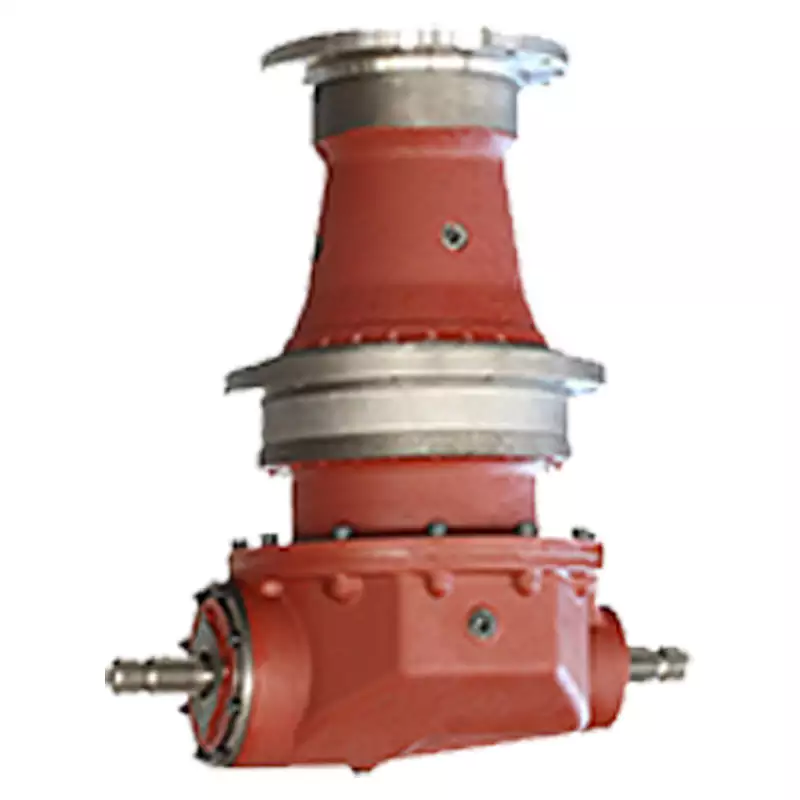
What maintenance practices are essential for prolonging the lifespan of gear reducers?
Proper maintenance is crucial for extending the lifespan and ensuring optimal performance of gear reducers. Here are essential maintenance practices:
- 1. Lubrication: Regular lubrication of gear reducers is vital to reduce friction, wear, and heat generation. Use the recommended lubricant and follow the manufacturer’s guidelines for lubrication intervals.
- 2. Inspection: Routinely inspect gear reducers for signs of wear, damage, or leaks. Check for unusual noises, vibrations, or temperature increases during operation.
- 3. Alignment: Ensure proper alignment of the input and output shafts. Misalignment can lead to increased wear, noise, and reduced efficiency. Align the components according to the manufacturer’s specifications.
- 4. Cooling and Ventilation: Maintain proper cooling and ventilation to prevent overheating. Ensure that cooling fans and vents are clean and unobstructed.
- 5. Seal Maintenance: Inspect and replace seals as needed to prevent contaminants from entering the gear reducer. Contaminants can lead to accelerated wear and reduced performance.
- 6. Bolts and Fasteners: Regularly check and tighten bolts and fasteners to prevent loosening during operation, which can cause misalignment or component damage.
- 7. Replacing Worn Components: Replace worn or damaged components, such as gears, bearings, and seals, with genuine parts from the manufacturer.
- 8. Vibration Analysis: Conduct periodic vibration analysis to identify potential issues early. Excessive vibration can indicate misalignment or component wear.
- 9. Maintenance Records: Keep detailed maintenance records, including lubrication schedules, inspection dates, and component replacements. This helps track the history of the gear reducer and aids in future maintenance planning.
- 10. Training: Provide proper training to maintenance personnel on gear reducer maintenance and troubleshooting techniques.
By adhering to these maintenance practices, you can maximize the lifespan of your gear reducers, minimize downtime, and ensure reliable operation in your industrial processes.
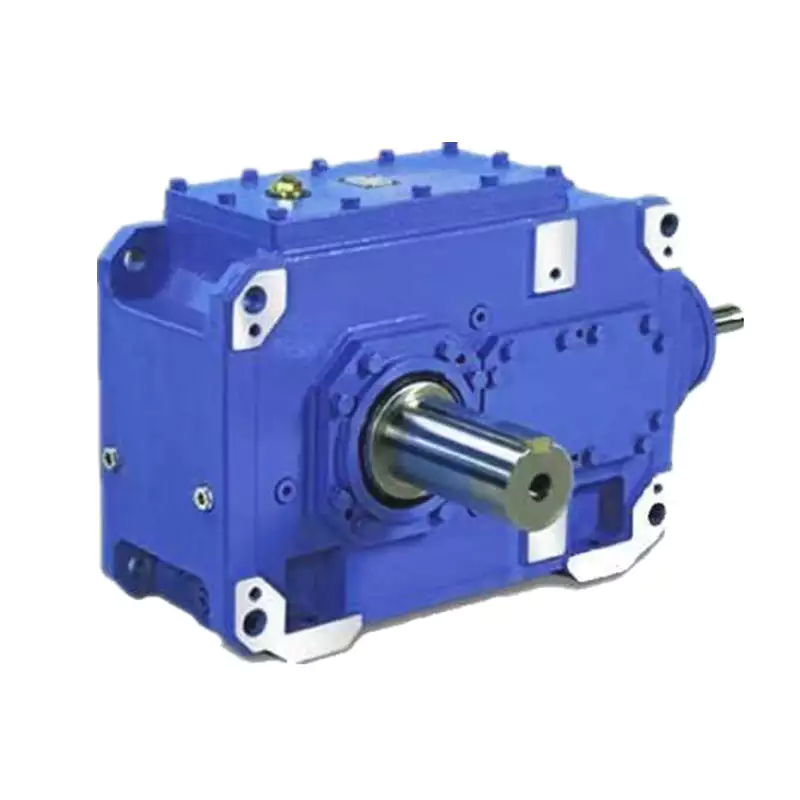
Are there variations in gear reducer designs for specific tasks and applications?
Yes, gear reducer designs vary widely to suit specific tasks and applications across various industries. Manufacturers offer a range of gear reducer types and configurations to accommodate different requirements, including:
- Helical Gear Reducers: These are versatile and provide smooth and efficient torque transmission. They are commonly used in applications requiring high precision and moderate speed reduction, such as conveyors, mixers, and agitators.
- Bevel Gear Reducers: These are ideal for transmitting power between intersecting shafts. They are often used in heavy machinery, printing presses, and automotive applications.
- Worm Gear Reducers: These provide compact solutions and are suitable for applications with higher speed reduction requirements, such as conveyor systems, winches, and elevators.
- Planetary Gear Reducers: These offer high torque density and are used in applications demanding precise control, such as robotics, aerospace, and heavy-duty machinery.
- Parallel Shaft Gear Reducers: Commonly used in industrial machinery, these reducers are designed for high torque and reliability.
- Right-Angle Gear Reducers: These are used when space limitations require a change in shaft direction, commonly found in packaging equipment and conveyors.
Each type of gear reducer has unique features and benefits that make it suitable for specific tasks. Manufacturers often provide customization options to tailor gear reducers to the precise requirements of an application, including gear ratios, mounting options, and input/output configurations.
Therefore, the variation in gear reducer designs allows industries to select the most appropriate type based on factors such as torque, speed, space constraints, precision, and environmental conditions.


editor by CX 2023-10-07