Penerangan Produk
Penerangan Produk
ATA Series Shaft mounted Gearbox Reducer SMR Series Shaft mounted Gearbox Reducer
ATA series shaft mounted gearbox(speed reducer) with helical hardened gears has the characteristics of high carrying capacity, smooth transmission, light weight, low energy consumption and so on. Input shaft of ATA speed reducer is connected with gear motor by belt pulley, hollow output shaft is linked with a key. It can be replaced by electric drum as power for belt conveyors and lifting equipments. ATA series shaft mounted gearbox could be attached with back-stop to avoid the working machine back skating, and conveniently mounted by tie rod. ATA series shaft mounted speed reducer is widely applied in the mining equipments, concrete mixing batching plant, stone crushers, sand making production line and other belt conveyors, mechanical transmission areas.
Mechanical belt conveyors drive system is composed of ATA shaft mounted speed reducer, torque arm, pulleys and gear motors, whose power transmission from the gear motor to the gearbox through the pulley, and then speed reducer passed to the drive pulley through the hollow output shaft and the gearbox is fixed by torque arm, anti-slip device can be configured. The system is convenient to install,use and maintain.
Features
Mounting Type: Tie rod Hanging shaft mounted
Output Shaft: Single key hollow shaft, each model can select 3 hollow diameter at most.
Gearbox Housing: Hard Iron Steel, can be used outside.
Anti-slip device: Can suit for any model, It’s very convenient to be mounted.
Application
Stone crushers plant , Cement plant, Concrete batch mixing plant, Mining conveyors, Port transfer
conveyor, Crushing machine, etc ···
Characteristic
1) All gears are heat treated and fixed to achieve low noise and high output
2) Mounting dimensions are interchangeable with Fenner
Product Parameters
| TA Shaft Mounted Reducer | Output Shaft Bore [mm] | Ratio(i) | Rated torque | |
| TA30 | Φ30 | 7, 10, 12.5 | 180N.m | |
| TA35 | Φ35 | 5,10,15,20,25 | 420N.m | |
| TA40 | Φ40 | 5,10,12.5,15,20,25 | 900N.m | |
| Φ45 | ||||
| TA45 | Φ45 | 5,10,12.5,15,20,25 | 1400N.m | |
| Φ50 | ||||
| Φ55 | ||||
| TA50 | Φ50 | 5,10,12.5,15,20,25 | 2300N.m | |
| Φ55 | ||||
| Φ60 | ||||
| TA60 | Φ60 | 5,10,12.5,15,20,25 | 3600N.m | |
| Φ70 | ||||
| TA70 | Φ70 | 5,10,12.5,15,20,25,31 | 5100N.m | |
| Φ85 | ||||
| TA80 | Φ80 | 5,10,12.5,15,20,25,31 | 7000N.m | |
| Φ100 | ||||
| TA100 | Φ100 | 5,10,12.5,15,20,25,31 | 11000N.m | |
| SMR Model No. |
Output Shaft Bore [mm] |
Ratio(i) | ||
| Standard | Alternative | 5:1 13:1 20:1 |
||
| B | Φ30 | Φ40 | ||
| C | Φ40 | Φ50 | ||
| D | Φ50 | Φ55 | ||
| E | Φ55 | Φ65 | ||
| F | Φ65 | Φ75 | ||
| G | Φ75 | Φ85 | ||
| H | Φ85 | Φ100 | ||
| J | Φ100 | Φ120 | ||
Production Process
/* January 22, 2571 19:08:37 */!function(){function s(e,r){var a,o={};try{e&&e.split(“,”).forEach(function(e,t){e&&(a=e.match(/(.*?):(.*)$/))&&1
| Permohonan: | Industry |
|---|---|
| Kekerasan: | Permukaan Gigi Mengeras |
| Pemasangan: | Vertical Type |
| Susun atur: | Coaxial |
| Bentuk Gear: | Cylindrical Gear |
| Langkah: | Stepless |
| Penyesuaian: |
Tersedia
| Permintaan Tersuai |
|---|
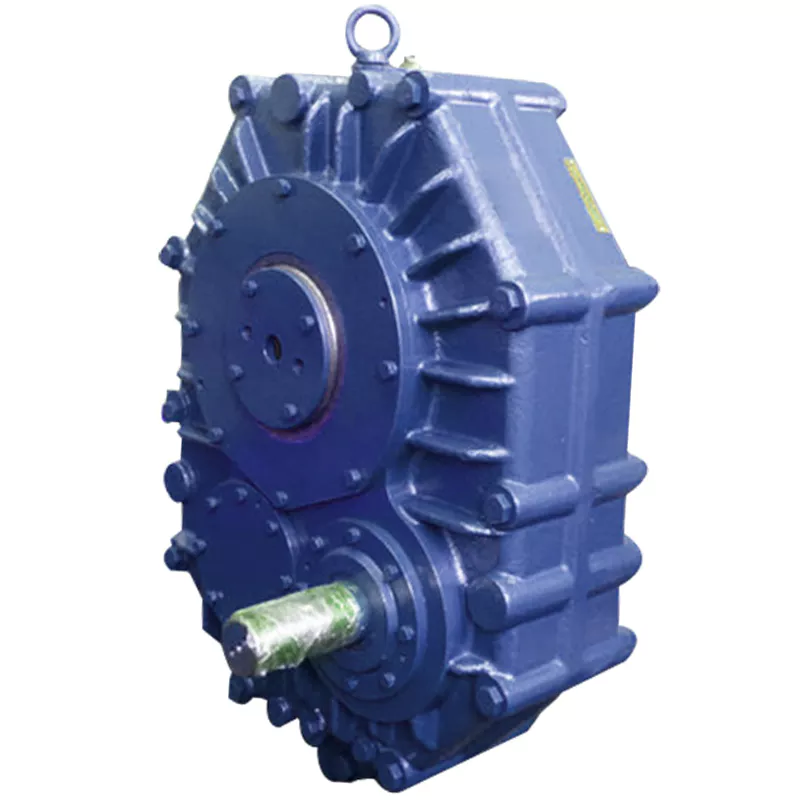
Are there any disadvantages or limitations to using gear reducer systems?
While gear reducer systems offer numerous advantages, they also come with certain disadvantages and limitations that should be considered during the selection and implementation process:
1. Size and Weight: Gear reducers can be bulky and heavy, especially for applications requiring high gear ratios. This can impact the overall size and weight of the machinery or equipment, which may be a concern in space-constrained environments.
2. Efficiency Loss: Despite their high efficiency, gear reducers can experience energy losses due to friction between gear teeth and other components. This can lead to a reduction in overall system efficiency, particularly in cases where multiple gear stages are used.
3. Cost: The design, manufacturing, and assembly of gear reducers can involve complex processes and precision machining, which can contribute to higher initial costs compared to other power transmission solutions.
4. Maintenance: Gear reducer systems require regular maintenance, including lubrication, inspection, and potential gear replacement over time. Maintenance activities can lead to downtime and associated costs in industrial settings.
5. Noise and Vibration: Gear reducers can generate noise and vibrations, especially at high speeds or when operating under heavy loads. Additional measures may be needed to mitigate noise and vibration issues.
6. Limited Gear Ratios: While gear reducers offer a wide range of gear ratios, there may be limitations in achieving extremely high or low ratios in certain designs.
7. Temperature Sensitivity: Extreme temperatures can affect the performance of gear reducer systems, particularly if inadequate lubrication or cooling is provided.
8. Shock Loads: While gear reducers are designed to handle shock loads to some extent, severe shock loads or abrupt changes in torque can still lead to potential damage or premature wear.
Despite these limitations, gear reducer systems remain widely used and versatile components in various industries, and their disadvantages can often be mitigated through proper design, selection, and maintenance practices.
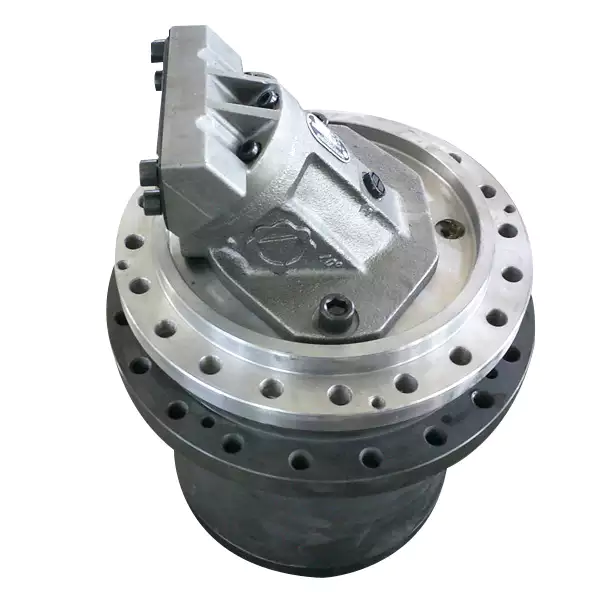
Apakah faktor yang perlu dipertimbangkan semasa memilih pengurang gear yang betul?
Memilih pengurang gear yang sesuai melibatkan mempertimbangkan beberapa faktor penting untuk memastikan prestasi dan kecekapan optimum untuk aplikasi khusus anda:
- 1. Tork dan Keperluan Kuasa: Tentukan jumlah tork dan kuasa yang diperlukan oleh jentera anda untuk operasinya.
- 2. Nisbah Kelajuan: Kira pengurangan atau peningkatan kelajuan yang diperlukan untuk memadankan kelajuan input dan output.
- 3. Jenis Gear: Pilih jenis gear yang sesuai (heliks, serong, cacing, planet, dll.) berdasarkan tork, ketepatan dan keperluan kecekapan aplikasi anda.
- 4. Pilihan Pemasangan: Pertimbangkan ruang yang tersedia dan konfigurasi pelekap yang sesuai dengan jentera anda.
- 5. Keadaan Persekitaran: Nilaikan faktor seperti suhu, kelembapan, habuk dan unsur menghakis yang boleh memberi kesan kepada prestasi pengurang gear.
- 6. Kecekapan: Menilai kecekapan pengurang gear untuk meminimumkan kehilangan kuasa dan meningkatkan prestasi keseluruhan sistem.
- 7. Tindak balas: Pertimbangkan tahap tindak balas atau permainan yang boleh diterima antara gigi gear, yang boleh menjejaskan ketepatan.
- 8. Keperluan Penyelenggaraan: Tentukan selang penyelenggaraan dan prosedur yang diperlukan untuk operasi yang boleh dipercayai.
- 9. Bunyi dan Getaran: Nilai tahap hingar dan getaran untuk memastikan ia memenuhi keperluan jentera anda.
- 10. Kos: Bandingkan kos awal dan nilai jangka panjang pilihan pengurang gear yang berbeza.
Dengan menilai dengan teliti faktor-faktor ini dan berunding dengan pengeluar pengurang gear, jurutera dan profesional industri boleh membuat keputusan termaklum untuk memilih pengurang gear yang sesuai untuk aplikasi khusus mereka, mengoptimumkan prestasi, jangka hayat dan keberkesanan kos.
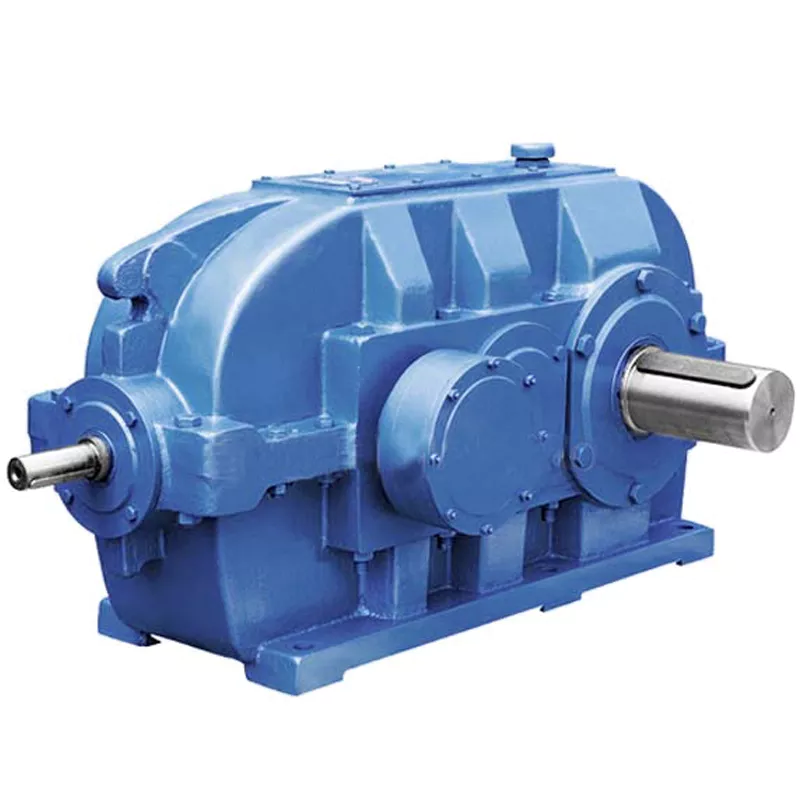
How do gear reducers handle variations in input and output speeds?
Gear reducers are designed to handle variations in input and output speeds through the use of different gear ratios and configurations. They achieve this by utilizing intermeshing gears of varying sizes to transmit torque and control rotational speed.
The basic principle involves connecting two or more gears with different numbers of teeth. When a larger gear (driving gear) engages with a smaller gear (driven gear), the rotational speed of the driven gear decreases while the torque increases. This reduction in speed and increase in torque enable gear reducers to efficiently adapt to variations in input and output speeds.
The gear ratio is a critical factor in determining how much the speed and torque change. It is calculated by dividing the number of teeth on the driven gear by the number of teeth on the driving gear. A higher gear ratio results in a greater reduction in speed and a proportionate increase in torque.
Planetary gear reducers, a common type, use a combination of gears including sun gears, planet gears, and ring gears to achieve different speed reductions and torque enhancements. This design provides versatility in handling variations in speed and torque requirements.
In summary, gear reducers handle variations in input and output speeds by using specific gear ratios and gear arrangements that enable them to efficiently transmit power and control motion characteristics according to the application’s needs.


editor by CX 2024-04-02