Productomschrijving
Why Choose Us
Products Description
Product Paramenters
| MODEL | WLE42 | Reduction ratio | Number of stage | |
| Nominal Output Torque | N.m | 8 | 3 | L1 |
| 9 | 4 | |||
| 9 | 5 | |||
| 5 | 7 | |||
| 5 | 10 | |||
| 10 | 15 | L2 | ||
| 12 | 16 | |||
| 12 | 20 | |||
| 10 | 25 | |||
| 10 | 28 | |||
| 10 | 30 | |||
| 10 | 35 | |||
| 10 | 40 | |||
| 10 | 50 | |||
| 10 | 70 | |||
| 10 | 100 | |||
| Sudden Stop Torque | N.m | 2 times of nominal output torque | ||
| Nominal Input Speed | rpm | 1000 | ||
| Max Input Speed | rpm | 2000 | ||
| Max Radial Load | N | 300 | ||
| Max Axial Load | N | 100 | ||
| Efficiëntie | % | 96 | L1 | |
| 92 | L2 | |||
| Verzet | arcmin | ≤15 | L1 | |
| ≤20 | L2 | |||
| Noise | dB | ≤55 | ||
| Protection Level | IP | 54 | ||
| Life Span | h | 20000 | ||
| Working Temp. | C° | -20°~+150° | ||
| Lubrication Method | Permanent Lubrication | |||
| Gewicht | kg | ≈0.25 | WLE42-L1 | |
| ≈0.35 | WLE42-L2 | |||
| ≈0.29 | WLE42-L1SW | |||
| ≈0.38 | WLE42-L2SW | |||
Bedrijfsprofiel
Certifications
Exhibition
Product packaging
/* 22 januari 2571 19:08:37 */!function(){function s(e,r){var a,o={};try{e&&e.split(“,”).forEach(function(e,t){e&&(a=e.match(/(.*?):(.*)$/))&&1
| Sollicitatie: | Motor, Electric Cars, Motorcycle, Machinery, Marine, Toy, Agricultural Machinery, Car |
|---|---|
| Hardheid: | Verhard tandoppervlak |
| Installatie: | Vertical Type |
| Indeling: | Coaxiaal |
| Tandwielvorm: | Cilindrische tandwiel |
| Stap: | Enkele stap |
| Aanpassing: |
Beschikbaar
| Aangepast verzoek |
|---|
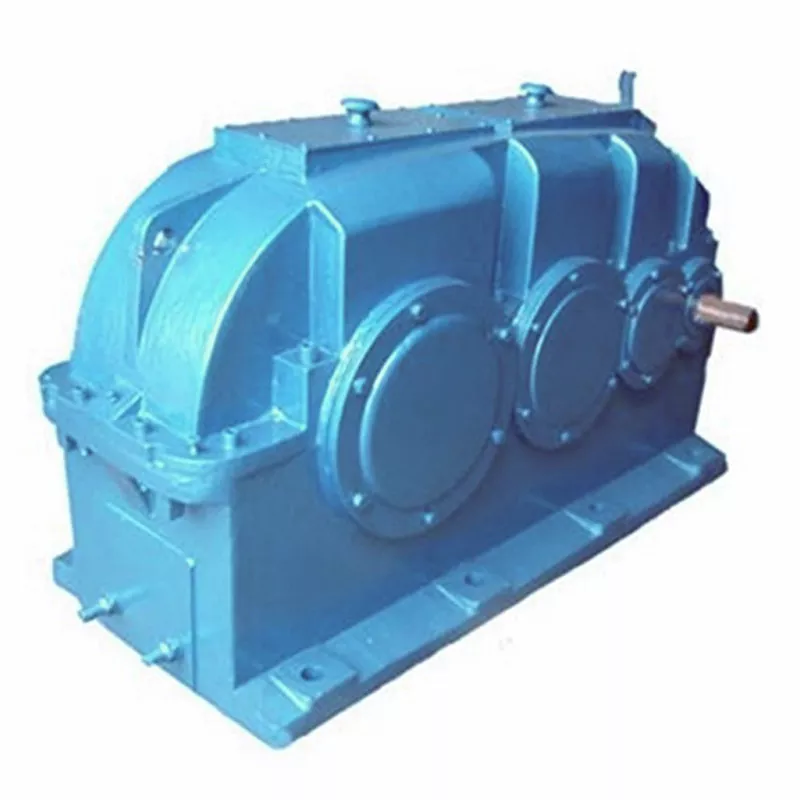
Can gear reducers be customized for specific industrial needs and requirements?
Yes, gear reducers can be customized to meet specific industrial needs and requirements. Manufacturers offer customization options to ensure that gear reducers are tailored to the unique demands of various applications:
1. Gear Ratio Selection: Gear reducers can be designed with specific gear ratios to achieve the desired speed reduction or increase, catering to the specific requirements of the machinery or equipment.
2. Shaft Configurations: Gear reducers can be configured with different shaft sizes, lengths, and orientations to fit seamlessly into existing systems or accommodate specific mounting arrangements.
3. Torque Capacity: Customized gear reducers can be designed to handle higher or lower torque loads based on the application’s operational requirements.
4. Environmental Considerations: Gear reducers can be customized with special coatings, materials, or seals to withstand harsh environments, extreme temperatures, or corrosive conditions.
5. Noise and Vibration Reduction: Custom designs can incorporate features to reduce noise and dampen vibrations, enhancing the overall operation and user experience.
6. Mounting and Connection Options: Manufacturers can adapt gear reducer designs to include specific mounting interfaces or connection methods that align with the equipment’s design.
7. Lubrication and Maintenance: Customized gear reducers can include features for easy maintenance, such as accessible lubrication points or monitoring systems.
8. Integration with Controls: Gear reducers can be customized to integrate seamlessly with control systems, sensors, or automation processes, enhancing system efficiency and performance.
By collaborating with manufacturers and providing detailed specifications, industries can obtain tailor-made gear reducers that address their specific operational needs and contribute to the success of their applications.
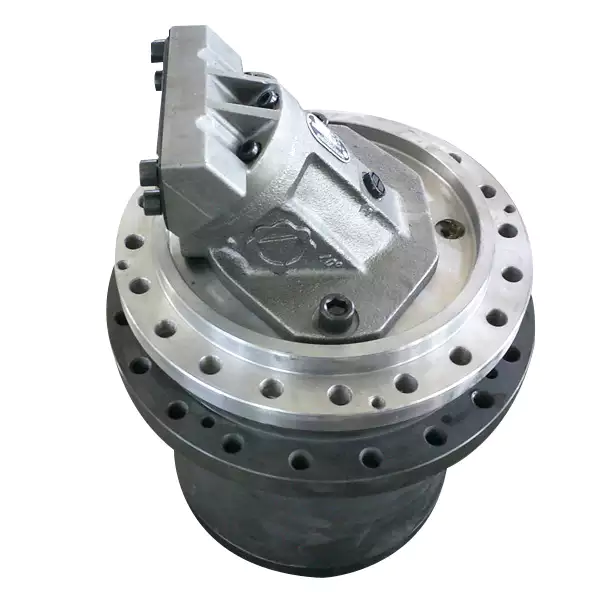
Met welke factoren moet u rekening houden bij het selecteren van de juiste tandwielkast?
Bij het kiezen van de juiste tandwielkast moet u rekening houden met een aantal cruciale factoren om optimale prestaties en efficiëntie voor uw specifieke toepassing te garanderen:
- 1. Koppel- en vermogensvereisten: Bepaal hoeveel koppel en vermogen uw machine nodig heeft voor de werking ervan.
- 2. Snelheidsverhouding: Bereken de benodigde snelheidsverlaging of -verhoging om de invoer- en uitvoersnelheid op elkaar af te stemmen.
- 3. Versnellingstype: Selecteer het juiste tandwieltype (schroef, kegel, worm, planetair, enz.) op basis van de koppel-, nauwkeurigheids- en efficiëntievereisten van uw toepassing.
- 4. Montageopties: Houd rekening met de beschikbare ruimte en de montageconfiguratie die geschikt is voor uw machine.
- 5. Omgevingsomstandigheden: Evalueer factoren zoals temperatuur, vochtigheid, stof en corrosieve elementen die van invloed kunnen zijn op de prestaties van de tandwielkast.
- 6. Efficiëntie: Beoordeel de efficiëntie van de tandwielkast om vermogensverlies te minimaliseren en de algehele systeemprestaties te verbeteren.
- 7. Terugslag: Houd rekening met het acceptabele niveau van speling tussen de tanden, aangezien dit de precisie kan beïnvloeden.
- 8. Onderhoudsvereisten: Bepaal de onderhoudsintervallen en -procedures die nodig zijn voor een betrouwbare werking.
- 9. Geluid en trillingen: Controleer het geluids- en trillingsniveau om er zeker van te zijn dat dit voldoet aan de eisen van uw machinepark.
- 10. Kosten: Vergelijk de initiële kosten en de langetermijnwaarde van verschillende tandwielreductoren.
Door deze factoren zorgvuldig te beoordelen en te overleggen met fabrikanten van tandwielkasten, kunnen ingenieurs en professionals uit de industrie weloverwogen beslissingen nemen en de juiste tandwielkast selecteren voor hun specifieke toepassing. Zo optimaliseren ze de prestaties, levensduur en kosteneffectiviteit.
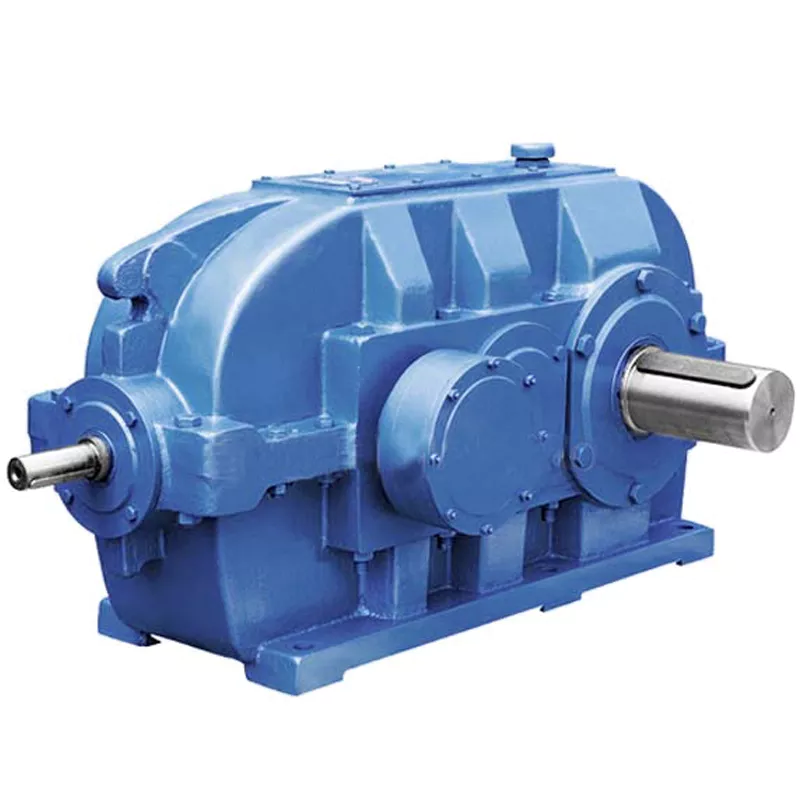
How do gear reducers handle variations in input and output speeds?
Gear reducers are designed to handle variations in input and output speeds through the use of different gear ratios and configurations. They achieve this by utilizing intermeshing gears of varying sizes to transmit torque and control rotational speed.
The basic principle involves connecting two or more gears with different numbers of teeth. When a larger gear (driving gear) engages with a smaller gear (driven gear), the rotational speed of the driven gear decreases while the torque increases. This reduction in speed and increase in torque enable gear reducers to efficiently adapt to variations in input and output speeds.
The gear ratio is a critical factor in determining how much the speed and torque change. It is calculated by dividing the number of teeth on the driven gear by the number of teeth on the driving gear. A higher gear ratio results in a greater reduction in speed and a proportionate increase in torque.
Planetary gear reducers, a common type, use a combination of gears including sun gears, planet gears, and ring gears to achieve different speed reductions and torque enhancements. This design provides versatility in handling variations in speed and torque requirements.
In summary, gear reducers handle variations in input and output speeds by using specific gear ratios and gear arrangements that enable them to efficiently transmit power and control motion characteristics according to the application’s needs.


editor by CX 2024-04-02