Опис производа
Features for SRC helical gearboxes reducers,
1.Larger output torque,stable transmission with lower noise,
2.Ommibearing installation available,
3.Aluminium alloy diecast,
4.Customising available for flange or shaft
Important information for SRC helical gear speed reducers,
| Input coupling | Flange and shaft |
| Output coupling | Flange and shaft |
| Foot mounted | Available for Motovario and CHINAMFG foot mounted specs. The letter,B in the data sheet of foot code is for CHINAMFG and M for Motovario |
| Range of reduction ratios | 3.74—51.30 |
| Motor power coupled | 0.12—4KW |
| Version |
1.Flange coupled,shaft output,with foot mounted,marked as SRC…P
2.Shaft coupled and output,with foot mounted,marked as SRC…HS
3.Flange coupled,shaft output,no foot mounted,marked as SRCZ…P
4.Shaft coupled and output,no foot mounted,marked as SRCZ…HS
5.Flange coupled and output,no foot mounted,marked as SRCF…P
6.Shaft coupled,flange output,no foot mounted,marked as SRCF…HS
|
| Warranty: | One Year and Free Technical Support |
|---|---|
| Input Speed: | 1400rpm |
| Power: | 0.12kw-4kw |
| Output Torque: | 3-601 N.M |
| Model: | Src01/Src02/Src03/Src04 |
| Transmission: | Спирални |
| Прилагођавање: |
Доступно
| Прилагођени захтев |
|---|
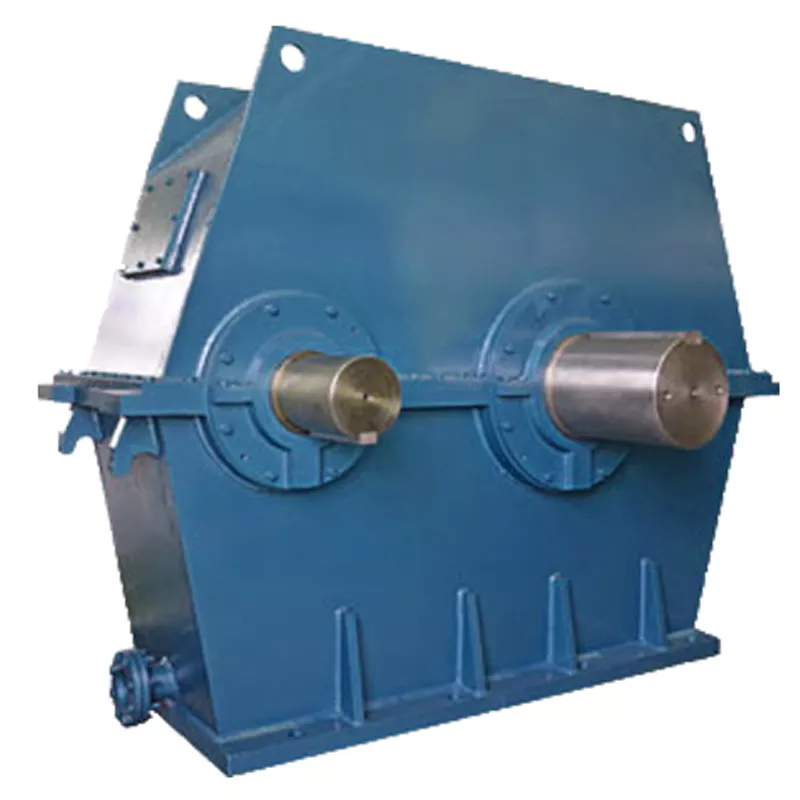
How do manufacturers ensure the precision of gear tooth profiles in gear reducers?
Manufacturers employ several techniques to ensure the precision of gear tooth profiles in gear reducers, which is crucial for optimal performance and efficiency:
1. Precision Machining: Gear teeth are typically machined using advanced CNC (Computer Numerical Control) machines that can achieve high levels of accuracy and repeatability. This ensures consistent gear tooth profiles across multiple components.
2. Quality Control Measures: Rigorous quality control processes, such as dimensional inspections and profile measurements, are performed at various stages of manufacturing to verify that gear tooth profiles meet the required specifications.
3. Tooth Profile Design: Engineers use specialized software and simulation tools to design gear tooth profiles with precise involute shapes and accurate dimensions. These designs are then translated into machine instructions for manufacturing.
4. Material Selection: High-quality materials with excellent wear resistance and dimensional stability are chosen to minimize the potential for deformation or inaccuracies during machining and operation.
5. Heat Treatment: Heat treatment processes, such as carburizing and quenching, are applied to enhance the surface hardness and durability of gear teeth, reducing the risk of wear and deformation over time.
6. Tooth Grinding and Finishing: After initial machining, gear teeth often undergo precision grinding and finishing processes to achieve the desired tooth profile accuracy and surface finish.
7. Post-Processing Inspection: Gear tooth profiles are inspected again after manufacturing processes to verify that the final components meet the specified tolerances and performance criteria.
8. Computer-Aided Manufacturing (CAM): CAM software is used to generate tool paths and machining instructions, enabling precise control over tool movements and material removal during gear manufacturing.
By combining these techniques and leveraging advanced manufacturing technologies, manufacturers can achieve the necessary precision in gear tooth profiles, resulting in reliable and efficient gear reducers for various industrial applications.
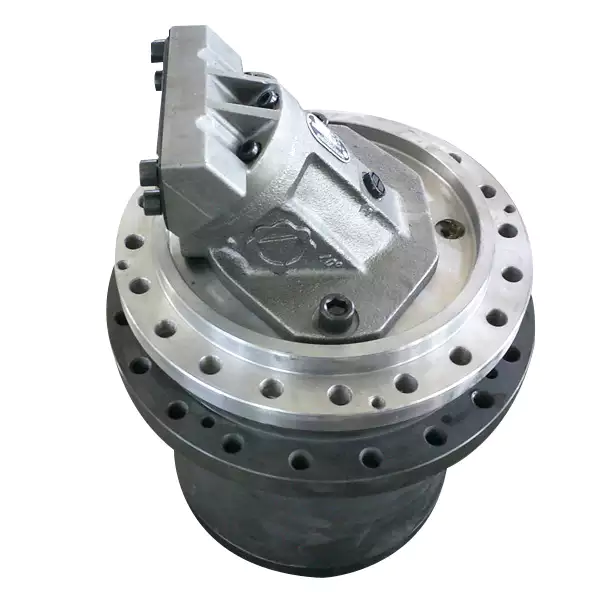
What factors should be considered when selecting the right gear reducer?
Choosing the appropriate gear reducer involves considering several crucial factors to ensure optimal performance and efficiency for your specific application:
- 1. Torque and Power Requirements: Determine the amount of torque and power your machinery needs for its operation.
- 2. Speed Ratio: Calculate the required speed reduction or increase to match the input and output speeds.
- 3. Gear Type: Select the appropriate gear type (helical, bevel, worm, planetary, etc.) based on your application’s torque, precision, and efficiency requirements.
- 4. Mounting Options: Consider the available space and the mounting configuration that suits your machinery.
- 5. Environmental Conditions: Evaluate factors such as temperature, humidity, dust, and corrosive elements that may impact the gear reducer’s performance.
- 6. Efficiency: Assess the gear reducer’s efficiency to minimize power losses and improve overall system performance.
- 7. Backlash: Consider the acceptable level of backlash or play between gear teeth, which can affect precision.
- 8. Maintenance Requirements: Determine the maintenance intervals and procedures necessary for reliable operation.
- 9. Noise and Vibration: Evaluate noise and vibration levels to ensure they meet your machinery’s requirements.
- 10. Cost: Compare the initial cost and long-term value of different gear reducer options.
By carefully assessing these factors and consulting with gear reducer manufacturers, engineers and industry professionals can make informed decisions to select the right gear reducer for their specific application, optimizing performance, longevity, and cost-effectiveness.
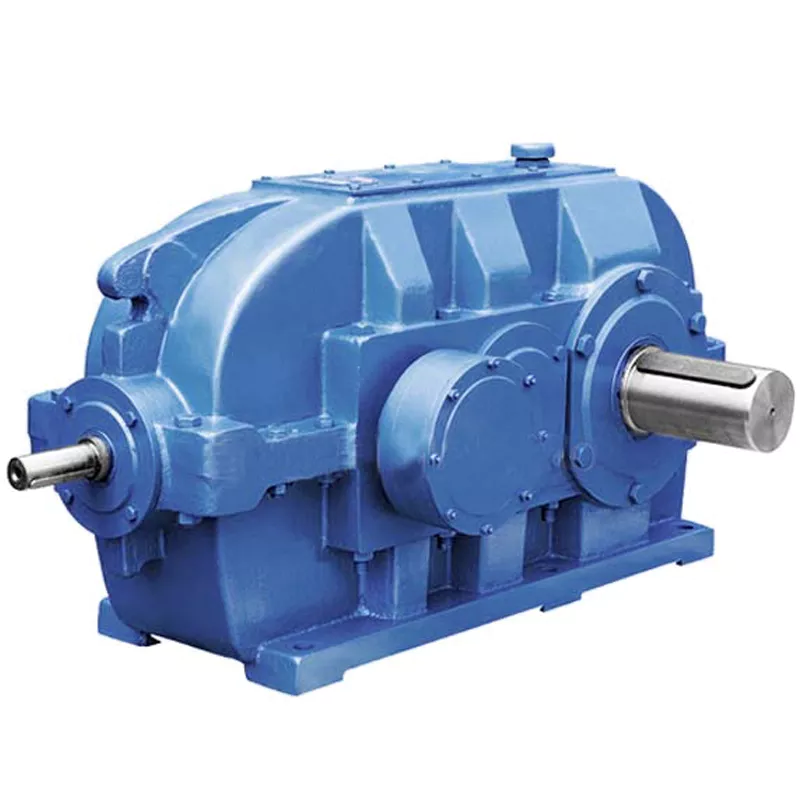
Како редуктори зупчаника подносе варијације улазних и излазних брзина?
Редуктори зупчаника су дизајнирани да поднесу варијације улазних и излазних брзина коришћењем различитих преносних односа и конфигурација. То постижу коришћењем међусобно повезаних зупчаника различитих величина за пренос обртног момента и контролу брзине ротације.
Основни принцип подразумева повезивање два или више зупчаника са различитим бројем зубаца. Када већи зупчаник (погонски зупчаник) уђе у захват са мањим зупчаником (гоњеним зупчаником), брзина ротације гоњеног зупчаника се смањује, док се обртни момент повећава. Ово смањење брзине и повећање обртног момента омогућавају редукторима зупчаника да се ефикасно прилагоде варијацијама улазних и излазних брзина.
Преносни однос је кључни фактор у одређивању колико се мењају брзина и обртни момент. Израчунава се дељењем броја зубаца на погонском зупчанику са бројем зубаца на погонском зупчанику. Већи преносни однос резултира већим смањењем брзине и пропорционалним повећањем обртног момента.
Планетарни редуктори, уобичајени тип, користе комбинацију зупчаника, укључујући централне зупчанике, планетарне зупчанике и прстенасте зупчанике, како би се постигла различита смањења брзине и побољшања обртног момента. Овај дизајн пружа свестраност у руковању варијацијама брзине и захтева обртног момента.
Укратко, редуктори зупчаника обрађују варијације улазних и излазних брзина користећи специфичне преносне односе и распореде зупчаника који им омогућавају ефикасно преношење снаге и контролу карактеристика кретања у складу са потребама примене.


editor by CX 2023-11-14