Опис производа
Опис производа
ATA Series Shaft mounted Gearbox Reducer SMR Series Shaft mounted Gearbox Reducer
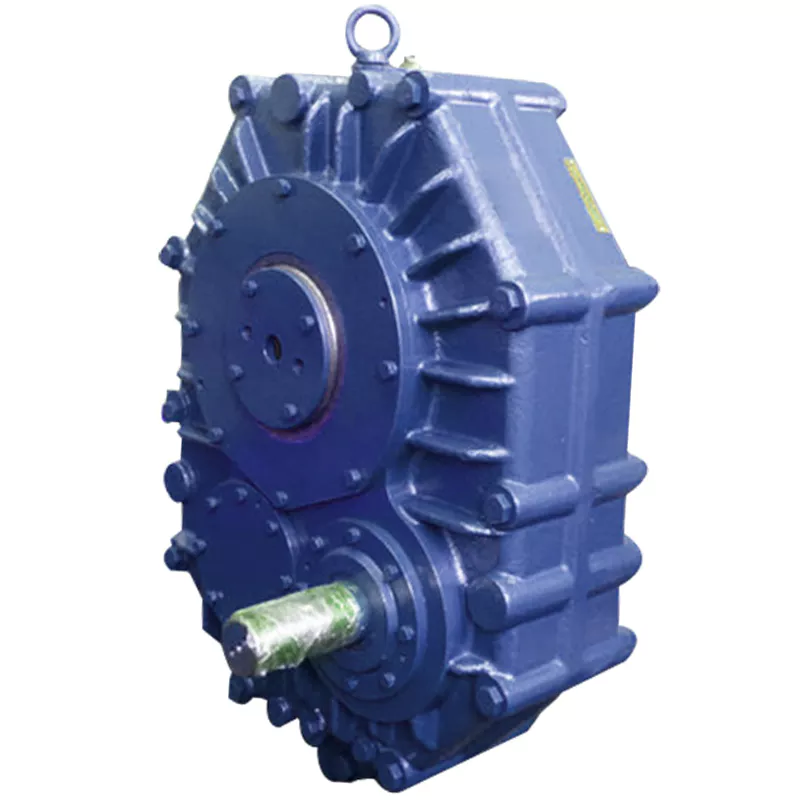
ATA series shaft mounted gearbox(speed reducer) with helical hardened gears has the characteristics of high carrying capacity, smooth transmission, light weight, low energy consumption and so on. Input shaft of ATA speed reducer is connected with gear motor by belt pulley, hollow output shaft is linked with a key. It can be replaced by electric drum as power for belt conveyors and lifting equipments. ATA series shaft mounted gearbox could be attached with back-stop to avoid the working machine back skating, and conveniently mounted by tie rod. ATA series shaft mounted speed reducer is widely applied in the mining equipments, concrete mixing batching plant, stone crushers, sand making production line and other belt conveyors, mechanical transmission areas.
Mechanical belt conveyors drive system is composed of ATA shaft mounted speed reducer, torque arm, pulleys and gear motors, whose power transmission from the gear motor to the gearbox through the pulley, and then speed reducer passed to the drive pulley through the hollow output shaft and the gearbox is fixed by torque arm, anti-slip device can be configured. The system is convenient to install,use and maintain.
Features
Mounting Type: Tie rod Hanging shaft mounted
Output Shaft: Single key hollow shaft, each model can select 3 hollow diameter at most.
Gearbox Housing: Hard Iron Steel, can be used outside.
Anti-slip device: Can suit for any model, It’s very convenient to be mounted.
Application
Stone crushers plant , Cement plant, Concrete batch mixing plant, Mining conveyors, Port transfer
conveyor, Crushing machine, etc ···
Characteristic
1) All gears are heat treated and fixed to achieve low noise and high output
2) Mounting dimensions are interchangeable with Fenner
Параметри производа
| TA Shaft Mounted Reducer | Output Shaft Bore [mm] | Ratio(i) | Rated torque | |
| TA30 | Φ30 | 7, 10, 12.5 | 180N.m | |
| TA35 | Φ35 | 5,10,15,20,25 | 420N.m | |
| TA40 | Φ40 | 5,10,12.5,15,20,25 | 900N.m | |
| Φ45 | ||||
| TA45 | Φ45 | 5,10,12.5,15,20,25 | 1400N.m | |
| Φ50 | ||||
| Φ55 | ||||
| TA50 | Φ50 | 5,10,12.5,15,20,25 | 2300N.m | |
| Φ55 | ||||
| Φ60 | ||||
| TA60 | Φ60 | 5,10,12.5,15,20,25 | 3600N.m | |
| Φ70 | ||||
| TA70 | Φ70 | 5,10,12.5,15,20,25,31 | 5100N.m | |
| Φ85 | ||||
| TA80 | Φ80 | 5,10,12.5,15,20,25,31 | 7000N.m | |
| Φ100 | ||||
| TA100 | Φ100 | 5,10,12.5,15,20,25,31 | 11000N.m | |
| SMR Model No. |
Output Shaft Bore [mm] |
Ratio(i) | ||
| Standard | Alternative | 5:1 13:1 20:1 |
||
| B | Φ30 | Φ40 | ||
| C | Φ40 | Φ50 | ||
| D | Φ50 | Φ55 | ||
| E | Φ55 | Φ65 | ||
| F | Φ65 | Φ75 | ||
| G | Φ75 | Φ85 | ||
| H | Φ85 | Φ100 | ||
| J | Φ100 | Φ120 | ||
Production Process
/* 22. јануар 2571 19:08:37 */!фунцтион(){фунцтион с(е,р){вар а,о={};три{е&&е.сплит(“,”).форЕацх(фунцтион(е,т){е&&(а=е.матцх(/(.*?):(.*)1&&е.сплит(“)).
| Примена: | Industry |
|---|---|
| Тврдоћа: | Очвршћена површина зуба |
| Инсталација: | Vertical Type |
| Распоред: | Coaxial |
| Облик зупчаника: | Cylindrical Gear |
| Корак: | Stepless |
| Прилагођавање: |
Доступно
| Прилагођени захтев |
|---|
Are there any disadvantages or limitations to using gear reducer systems?
While gear reducer systems offer numerous advantages, they also come with certain disadvantages and limitations that should be considered during the selection and implementation process:
1. Size and Weight: Gear reducers can be bulky and heavy, especially for applications requiring high gear ratios. This can impact the overall size and weight of the machinery or equipment, which may be a concern in space-constrained environments.
2. Efficiency Loss: Despite their high efficiency, gear reducers can experience energy losses due to friction between gear teeth and other components. This can lead to a reduction in overall system efficiency, particularly in cases where multiple gear stages are used.
3. Cost: The design, manufacturing, and assembly of gear reducers can involve complex processes and precision machining, which can contribute to higher initial costs compared to other power transmission solutions.
4. Maintenance: Gear reducer systems require regular maintenance, including lubrication, inspection, and potential gear replacement over time. Maintenance activities can lead to downtime and associated costs in industrial settings.
5. Noise and Vibration: Gear reducers can generate noise and vibrations, especially at high speeds or when operating under heavy loads. Additional measures may be needed to mitigate noise and vibration issues.
6. Limited Gear Ratios: While gear reducers offer a wide range of gear ratios, there may be limitations in achieving extremely high or low ratios in certain designs.
7. Temperature Sensitivity: Extreme temperatures can affect the performance of gear reducer systems, particularly if inadequate lubrication or cooling is provided.
8. Shock Loads: While gear reducers are designed to handle shock loads to some extent, severe shock loads or abrupt changes in torque can still lead to potential damage or premature wear.
Despite these limitations, gear reducer systems remain widely used and versatile components in various industries, and their disadvantages can often be mitigated through proper design, selection, and maintenance practices.
What factors should be considered when selecting the right gear reducer?
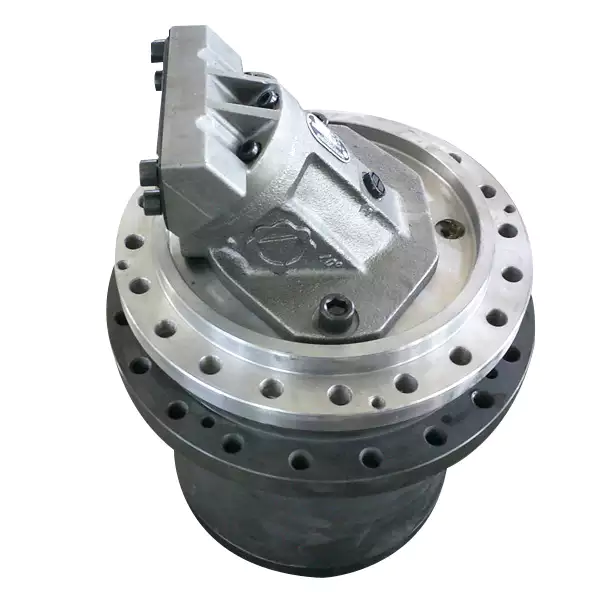
Choosing the appropriate gear reducer involves considering several crucial factors to ensure optimal performance and efficiency for your specific application:
- 1. Torque and Power Requirements: Determine the amount of torque and power your machinery needs for its operation.
- 2. Speed Ratio: Calculate the required speed reduction or increase to match the input and output speeds.
- 3. Gear Type: Select the appropriate gear type (helical, bevel, worm, planetary, etc.) based on your application’s torque, precision, and efficiency requirements.
- 4. Mounting Options: Consider the available space and the mounting configuration that suits your machinery.
- 5. Environmental Conditions: Evaluate factors such as temperature, humidity, dust, and corrosive elements that may impact the gear reducer’s performance.
- 6. Efficiency: Assess the gear reducer’s efficiency to minimize power losses and improve overall system performance.
- 7. Backlash: Consider the acceptable level of backlash or play between gear teeth, which can affect precision.
- 8. Maintenance Requirements: Determine the maintenance intervals and procedures necessary for reliable operation.
- 9. Noise and Vibration: Evaluate noise and vibration levels to ensure they meet your machinery’s requirements.
- 10. Cost: Compare the initial cost and long-term value of different gear reducer options.
By carefully assessing these factors and consulting with gear reducer manufacturers, engineers and industry professionals can make informed decisions to select the right gear reducer for their specific application, optimizing performance, longevity, and cost-effectiveness.
Како редуктори зупчаника подносе варијације улазних и излазних брзина?
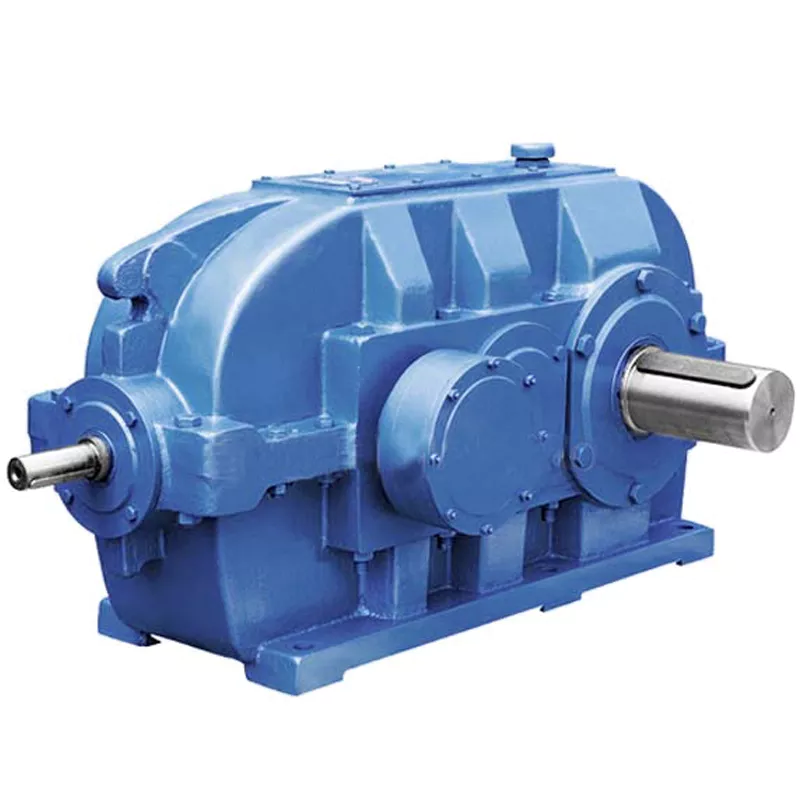
Редуктори зупчаника су дизајнирани да поднесу варијације улазних и излазних брзина коришћењем различитих преносних односа и конфигурација. То постижу коришћењем међусобно повезаних зупчаника различитих величина за пренос обртног момента и контролу брзине ротације.
Основни принцип подразумева повезивање два или више зупчаника са различитим бројем зубаца. Када већи зупчаник (погонски зупчаник) уђе у захват са мањим зупчаником (гоњеним зупчаником), брзина ротације гоњеног зупчаника се смањује, док се обртни момент повећава. Ово смањење брзине и повећање обртног момента омогућавају редукторима зупчаника да се ефикасно прилагоде варијацијама улазних и излазних брзина.
Преносни однос је кључни фактор у одређивању колико се мењају брзина и обртни момент. Израчунава се дељењем броја зубаца на погонском зупчанику са бројем зубаца на погонском зупчанику. Већи преносни однос резултира већим смањењем брзине и пропорционалним повећањем обртног момента.
Планетарни редуктори, уобичајени тип, користе комбинацију зупчаника, укључујући централне зупчанике, планетарне зупчанике и прстенасте зупчанике, како би се постигла различита смањења брзине и побољшања обртног момента. Овај дизајн пружа свестраност у руковању варијацијама брзине и захтева обртног момента.
Укратко, редуктори зупчаника обрађују варијације улазних и излазних брзина користећи специфичне преносне односе и распореде зупчаника који им омогућавају ефикасно преношење снаге и контролу карактеристика кретања у складу са потребама примене.


editor by CX 2024-04-02