คำอธิบายผลิตภัณฑ์
Products Description
Introduction:
Power range:5.5-200KW
Transmission ration range:8-35
Output torque(Kn.m):top to 42
Advantages:
Highly Standard Modular Designed
Quality material ensures the product reliability
High Strength,Compact Dimension
Long Service Life
Low Noise
High Efficiency
Large radial loading ability
Axial load ability of up to 5% of radial load
Technical Parameters
Packing and shipping
Our certificate
Customer visit
โปรไฟล์บริษัท
HangZhou HangZhoun Machinery Co., Ltd. is a professional machinery manufacturing enterprise, with 20 years of experience in the field of machinery manufacturing and the ability of independent research and development. Our products rely on advanced technology, reliable quality, excellent prices to win the trust of customers. The products are sold to more than 50 countries all over the world, and have a good cooperative relationship with customers. Our products enjoy a one-year warranty service for major parts, and our 24-hour technical team provides customer service.
| แอปพลิเคชัน: |
Machinery |
| การทำงาน: |
Speed Changing, Speed Reduction, Speed Increase |
| เค้าโครง: |
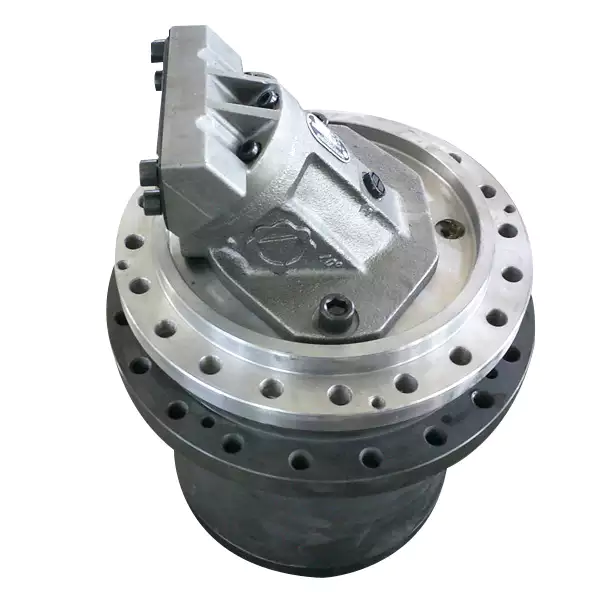
What factors should be considered when selecting the right gear reducer?
Choosing the appropriate gear reducer involves considering several crucial factors to ensure optimal performance and efficiency for your specific application:
- 1. Torque and Power Requirements: Determine the amount of torque and power your machinery needs for its operation.
- 2. Speed Ratio: Calculate the required speed reduction or increa
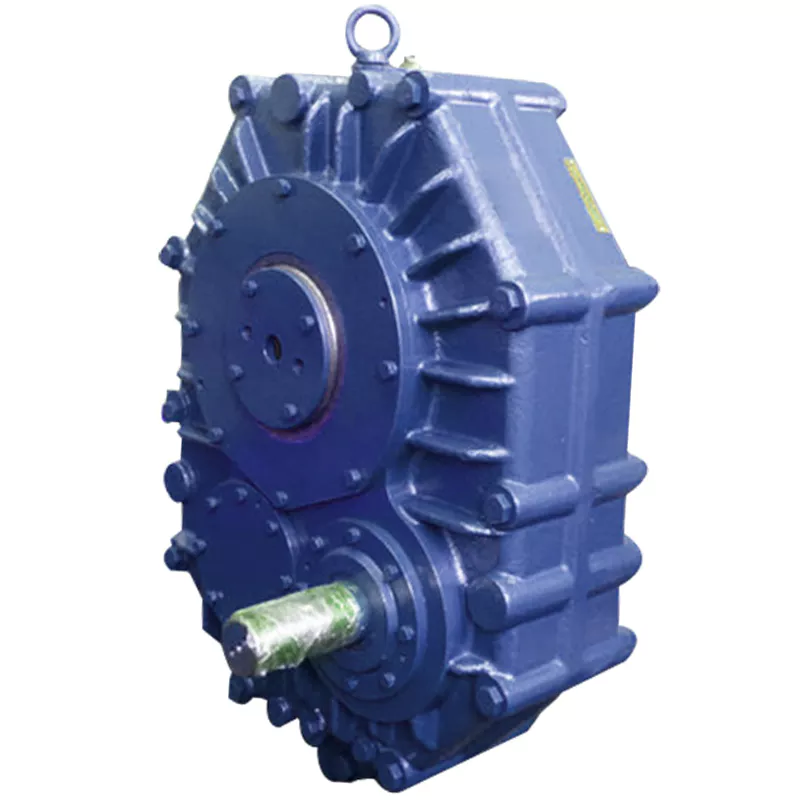
Are there any disadvantages or limitations to using gear reducer systems?
While gear reducer systems offer numerous advantages, they also come with certain disadvantages and limitations that should be considered during the selection and implementation process:
1. Size and Weight: Gear reducers can be bulky and heavy, especially for applications requiring high gear ratios. This can impact the overall size and weight of the machinery or equipment, which may be a concern in space-constrained environments.
2. Efficiency Loss: Despite their high efficiency, gear reducers can experience energy losses due to friction between gear teeth and other components. This can lead to a reduction in overall system efficiency, particularly in cases where multiple gear stages are used.
3. Cost: The design, manufacturing, and assembly of gear reducers can involve complex processes and precision machining, which can contribute to higher initial costs compared to other power transmission solutions.
4. Maintenance: Gear reducer systems require regular maintenance, including lubrication, inspection, and potential gear replacement over time. Maintenance activities can lead to downtime and associated costs in industrial settings.
5. Noise and Vibration: Gear reducers can generate noise and vibrations, especially at high speeds or when operating under heavy loads. Additional measures may be needed to mitigate noise and vibration issues.
6. Limited Gear Ratios: While gear reducers offer a wide range of gear ratios, there may be limitations in achieving extremely high or low ratios in certain designs.
7. Temperature Sensitivity: Extreme temperatures can affect the performance of gear reducer systems, particularly if inadequate lubrication or cooling is provided.
8. Shock Loads: While gear reducers are designed to handle shock loads to some extent, severe shock loads or abrupt changes in torque can still lead to potential damage or premature wear.
Despite these limitations, gear reducer systems remain widely used and versatile components in various industries, and their disadvantages can often be mitigated through proper design, selection, and maintenance practices.
se to match the input and output speeds.
- 3. Gear Type: Select the appropriate gear type (helical, bevel, worm, planetary, etc.) based on your application’s torque, precision, and efficiency requirements.
- 4. Mounting Options: Consider the available space and the mounting configuration that suits your machinery.
- 5. Environmental Conditions: Evaluate factors such as temperature, humidity, dust, and corrosive elements that may impact the gear reducer’s performance.
- 6. Efficiency: Assess the gear reducer’s efficiency to minimize power losses and improve overall system performance.
- 7. Backlash: Consider the acceptable level of backlash or play between gear teeth, which can affect precision.
- 8. Maintenance Requirements: Determine the maintenance intervals and procedures necessary for reliable operation.
- 9. Noise and Vibration: Evaluate noise and vibration levels to ensure they meet your machinery’s requirements.
- 10. Cost: Compare the initial cost and long-term value of different gear reducer options.
By carefully assessing these factors and consulting with gear reducer manufacturers, engineers and industry professionals can make informed decisions to select the right gear reducer for their specific application, optimizing performance, longevity, and cost-effectiveness.
Cycloidal |
| ความแข็ง: |
พื้นผิวฟันที่แข็ง |
| การติดตั้ง: |
ประเภทแนวนอน |
| ขั้นตอน: |
สามขั้นตอน |
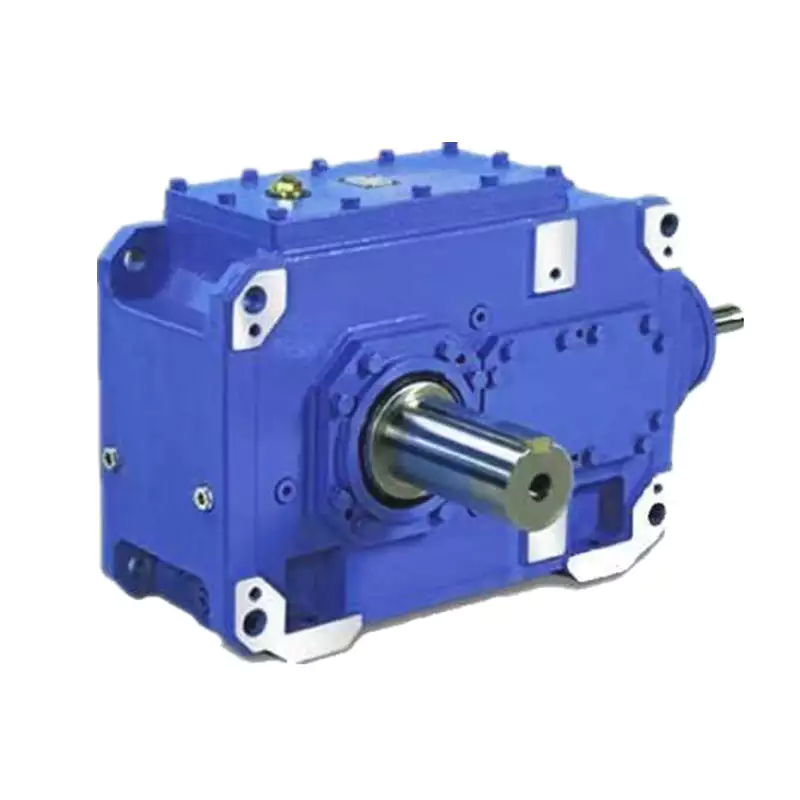
มีรูปแบบต่างๆ ในการออกแบบตัวลดเกียร์สำหรับงานและการใช้งานเฉพาะหรือไม่
ใช่ การออกแบบตัวลดเกียร์มีความหลากหลายเพื่อให้เหมาะกับงานและการใช้งานเฉพาะในอุตสาหกรรมต่างๆ ผู้ผลิตมีตัวลดเกียร์หลากหลายประเภทและรูปแบบการใช้งานเพื่อรองรับความต้องการที่แตกต่างกัน ได้แก่:
- เกียร์ทดรอบแบบเกลียว: เครื่องบดเหล่านี้มีความอเนกประสงค์และให้การส่งแรงบิดที่ราบรื่นและมีประสิทธิภาพ นิยมใช้ในงานที่ต้องการความแม่นยำสูงและลดความเร็วปานกลาง เช่น สายพานลำเลียง เครื่องผสม และเครื่องกวน
- เกียร์ทดรอบแบบเอียง: เหมาะอย่างยิ่งสำหรับการส่งกำลังระหว่างเพลาที่ตัดกัน มักใช้ในเครื่องจักรกลหนัก เครื่องพิมพ์ และยานยนต์
- ตัวลดเกียร์แบบเวิร์ม: ผลิตภัณฑ์เหล่านี้มีโซลูชันแบบกะทัดรัดและเหมาะสำหรับการใช้งานที่มีข้อกำหนดในการลดความเร็วสูง เช่น ระบบสายพานลำเลียง รอก และลิฟต์
- เครื่องลดเกียร์แบบดาวเคราะห์: สิ่งเหล่านี้มีความหนาแน่นของแรงบิดสูงและใช้ในงานที่ต้องการการควบคุมที่แม่นยำ เช่น หุ่นยนต์ อวกาศ และเครื่องจักรงานหนัก
- เกียร์ทดรอบเพลาขนาน: มักใช้ในเครื่องจักรในอุตสาหกรรม โดยตัวลดเกียร์เหล่านี้ได้รับการออกแบบมาให้มีแรงบิดสูงและเชื่อถือได้
- ตัวลดเกียร์มุมฉาก: สิ่งเหล่านี้ใช้เมื่อมีข้อจำกัดด้านพื้นที่ซึ่งจำเป็นต้องเปลี่ยนทิศทางของเพลา ซึ่งมักพบในอุปกรณ์บรรจุภัณฑ์และสายพานลำเลียง
เกียร์ทดรอบแต่ละประเภทมีคุณสมบัติและประโยชน์เฉพาะตัวที่ทำให้เหมาะกับงานเฉพาะด้าน ผู้ผลิตมักมีตัวเลือกการปรับแต่งเพื่อให้สามารถปรับแต่งเกียร์ทดรอบให้ตรงกับความต้องการเฉพาะของการใช้งาน ซึ่งรวมถึงอัตราทดเกียร์ ตัวเลือกการติดตั้ง และการกำหนดค่าอินพุต/เอาต์พุต
ดังนั้นการเปลี่ยนแปลงในการออกแบบตัวลดเกียร์ทำให้ภาคอุตสาหกรรมสามารถเลือกประเภทที่เหมาะสมที่สุดได้ตามปัจจัยต่างๆ เช่น แรงบิด ความเร็ว ข้อจำกัดด้านพื้นที่ ความแม่นยำ และสภาพแวดล้อม


editor by CX 2023-08-23