คำอธิบายผลิตภัณฑ์
Reducer, Worm Gear Reducer, Speed Reducer Gearboxes High Speed Gearbox Reducer
คำอธิบายผลิตภัณฑ์
|
Type |
Reduction gearbox |
|
Rated power |
3KW/4KW/5.5KW/7.5KW/11KW |
|
ชื่อสินค้า |
Gearbox |
|
Model |
NMRV150 |
|
Material |
Cast iron |
|
Features |
Conveyor belt/transportation/industrial, small size, high heat dissipation, smooth transmission, low noise |
Technical performance and selection reference
|
Motor power |
Model |
speed ratio |
output speed |
output toruqe |
|
0.25kw 1400rpm |
RV075 |
60 |
24rpm |
68.0N.M |
|
RV075 |
80 |
18rpm |
80.0N.M |
|
|
RV075 |
100 |
14rpm |
94.0N.M |
|
|
0.37kw 1400rpm |
RV075 |
40 |
35rpm |
74.0N.M |
|
RV075 |
50 |
28rpm |
88.0N.M |
|
|
RV075 |
60 |
24rpm |
97.0N.M |
|
|
RV075 |
80 |
18rpm |
119.0N.M |
|
|
RV075 |
100 |
14rpm |
139.0N.M |
|
|
0.55kw 1400rpm |
RV075 |
25 |
56rpm |
76.0N.M |
|
RV075 |
30 |
47rpm |
87.0N.M |
|
|
RV075 |
40 |
35rpm |
108.0N.M |
|
|
RV075 |
50 |
28rpm |
128.0N.M |
|
|
RV075 |
60 |
24rpm |
144.0N.M |
|
|
RV075 |
80 |
18rpm |
177.0N.M |
|
|
RV075 |
100 |
14rpm |
206.0N.M |
|
|
0.75kw 1400rpm |
RV075 |
15 |
94rpm |
66.0N.M |
|
RV075 |
20 |
70rpm |
85.0N.M |
|
|
RV075 |
25 |
56rpm |
101.0N.M |
|
|
RV075 |
30 |
47rpm |
117.0N.M |
|
|
RV075 |
40 |
35rpm |
147.0N.M |
|
|
RV075 |
50 |
28rpm |
174.0N.M |
|
|
RV075 |
60 |
24rpm |
196.0N.M |
|
|
RV075 |
80 |
18rpm |
250.0N.M |
|
|
1.1kw 1400rpm |
RV075 |
10 |
140rpm |
66.0N.M |
|
RV075 |
15 |
94rpm |
95.0N.M |
|
|
RV075 |
20 |
70rpm |
122.0N.M |
|
|
RV075 |
25 |
56rpm |
148.0N.M |
|
|
RV075 |
30 |
47rpm |
171.0N.M |
|
|
RV075 |
40 |
35rpm |
216.0N.M |
|
|
RV075 |
50 |
28rpm |
263.0N.M |
|
|
RV075 |
60 |
24rpm |
297.0N.M |
|
|
1.5kw 1400rpm |
RV075 |
7.5 |
186rpm |
68.0N.M |
|
RV075 |
10 |
140rpm |
89.0N.M |
|
|
RV075 |
15 |
94rpm |
129.0N.M |
|
|
RV075 |
20 |
70rpm |
166.0N.M |
|
|
RV075 |
25 |
56rpm |
202.0N.M |
|
|
RV075 |
30 |
47rpm |
233.0N.M |
|
|
RV075 |
40 |
35rpm |
299.0N.M |
|
|
2.2kw 1400rpm |
RV075 |
7.5 |
186rpm |
99.0N.M |
|
RV075 |
10 |
140rpm |
131.0N.M |
|
|
RV075 |
15 |
94rpm |
189.0N.M |
|
|
RV075 |
20 |
70rpm |
249.0N.M |
|
|
RV075 |
25 |
56rpm |
304.0N.M |
|
|
RV075 |
30 |
47rpm |
247.0N.M |
|
|
3.0kw 1400rpm |
RV075 |
7.5 |
186rpm |
135.0N.M |
|
RV075 |
10 |
140rpm |
178.0N.M |
|
|
RV075 |
15 |
94rpm |
258.0N.M |
|
|
4.0kw 1400rpm |
RV075 |
7.5 |
186rpm |
180.0N.M |
|
RV075 |
10 |
140rpm |
237.0N.M |
Specification
|
ชื่อสินค้า |
SNRV worm gear reducer |
|
Ratio |
5,7.5,10,15,20,25,30,40,50,60,80,100 |
|
Input power |
0.25~4.0 KW |
|
Color |
Blue/Silver/Black or on Request |
|
Weight |
9 Kg |
|
Material |
571-105 aluminum alloy, 110-150 cast iron |
|
The worm material is 20Cr carburized and quenched, the surface hardness reaches 58-62 degrees, and after processing, the |
|
|
Worm gear hub ductile iron QT500, tooth tin bronze ZQSN10-1 |
|
|
Oil seals |
CHINAMFG |
|
Input form |
SMRV : fitted for motor flanged coupling |
|
SMRV:The tail of the worm has an extension shaft |
|
|
SRV: with input shaft |
|
|
SRV-E : With bidirectional input shaft worm |
|
|
Suitable motor pole |
2pole,4pole,6pole |
|
Inch size |
มีอยู่ |
|
Personal customization |
มีอยู่ |
|
Extra service |
OEM |
|
Quality Assurance |
1 year |
|
Features |
High precision, smooth transmission, large output torque, low noise, long service life |
|
Suitable for omni-directional installation |
|
|
Can be easily mounted with various accessories like torque arms, different types of flanges, shafts and so on |
|
|
Good rust resistance |
|
Surface coating |
First, the shell is treated by surface particle blasting, and then, through special anticorrosion treatment, RAL5571 blue plastic |
|
After polishing and sanding, it is dried at high temperature and then sprayed with RAL5571 paint in the shell. |
|
/* 10 มีนาคม 2571 17:59:20 */!function(){function s(e,r){var a,o={};try{e&&e.split(“,”).forEach(function(e,t){e&&(a=e.match(/(.*?):(.*)$/))&&1
| แอปพลิเคชัน: | Motor, Electric Cars, Motorcycle, Machinery, Agricultural Machinery |
|---|---|
| ความแข็ง: | พื้นผิวฟันที่แข็ง |
| การติดตั้ง: | ประเภทแนวตั้ง |
| เค้าโครง: | โคแอกเซียล |
| รูปร่างเฟือง: | เฟืองทรงกรวย-ทรงกระบอก |
| ขั้นตอน: | Stepless |
| ตัวอย่าง: |
US$ 9/Piece
1 ชิ้น (สั่งซื้อขั้นต่ำ) | |
|---|
| การปรับแต่ง: |
มีอยู่
| คำขอที่กำหนดเอง |
|---|
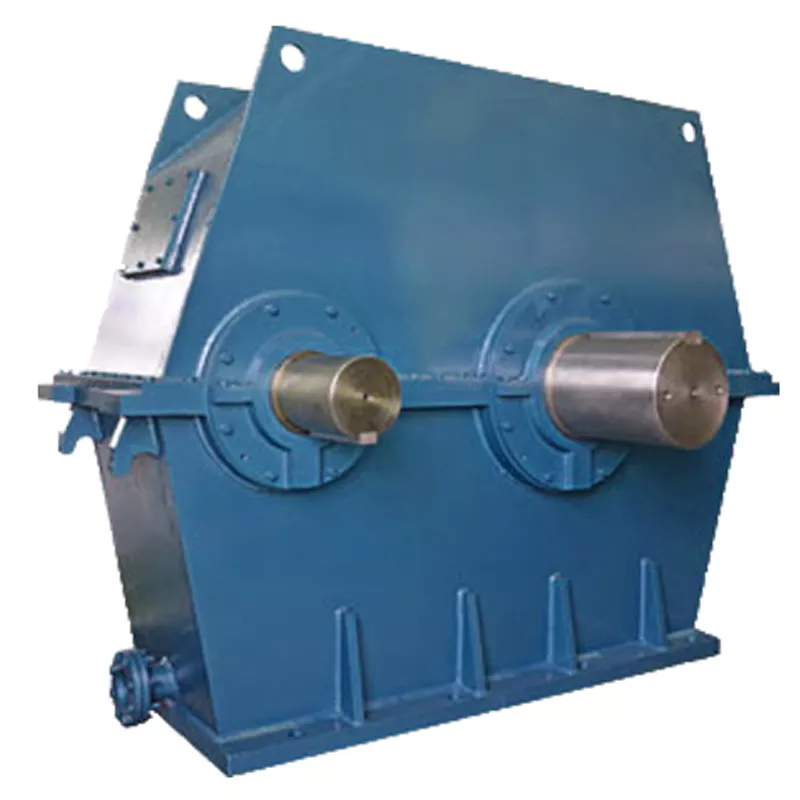
ผู้ผลิตจะมั่นใจได้อย่างไรว่าโปรไฟล์ฟันเฟืองในเครื่องลดเกียร์มีความแม่นยำเพียงใด
ผู้ผลิตใช้เทคนิคหลายประการเพื่อให้แน่ใจถึงความแม่นยำของโปรไฟล์ฟันเฟืองในเกียร์ลดเกียร์ ซึ่งถือเป็นสิ่งสำคัญสำหรับประสิทธิภาพและประสิทธิผลที่เหมาะสมที่สุด:
1. การกลึงที่มีความแม่นยำ: โดยทั่วไปฟันเฟืองจะถูกกลึงโดยใช้เครื่องจักร CNC (Computer Numerical Control) ขั้นสูง ซึ่งสามารถให้ความแม่นยำและความสามารถในการทำซ้ำได้ในระดับสูง วิธีนี้ช่วยให้มั่นใจได้ถึงรูปทรงฟันเฟืองที่สม่ำเสมอในชิ้นส่วนหลายชิ้น
2. มาตรการควบคุมคุณภาพ: กระบวนการควบคุมคุณภาพที่เข้มงวด เช่น การตรวจสอบมิติและการวัดโปรไฟล์ ดำเนินการในขั้นตอนต่างๆ ของการผลิต เพื่อตรวจยืนยันว่าโปรไฟล์ฟันเฟืองเป็นไปตามข้อกำหนดที่ต้องการ
3. การออกแบบโปรไฟล์ฟัน: วิศวกรใช้ซอฟต์แวร์เฉพาะทางและเครื่องมือจำลองเพื่อออกแบบโปรไฟล์ฟันเฟืองที่มีรูปร่างโค้งงอที่แม่นยำและขนาดที่แม่นยำ จากนั้นแบบร่างเหล่านี้จะถูกแปลงเป็นคำสั่งเครื่องจักรสำหรับการผลิต
4. การเลือกวัสดุ: เลือกใช้วัสดุคุณภาพสูงที่มีความทนทานต่อการสึกหรอและมีเสถียรภาพของขนาดได้ดีเยี่ยม เพื่อลดความเสี่ยงที่อาจเกิดการเสียรูปหรือความไม่แม่นยำระหว่างการตัดเฉือนและการใช้งาน
5. การอบด้วยความร้อน: กระบวนการอบชุบด้วยความร้อน เช่น การเติมคาร์บูไรซิ่งและการดับ ถูกนำมาใช้เพื่อเพิ่มความแข็งและความทนทานของพื้นผิวของฟันเฟือง ลดความเสี่ยงต่อการสึกหรอและการเสียรูปตามกาลเวลา
6. การบดและตกแต่งฟัน: หลังจากการกลึงเบื้องต้น ฟันเฟืองมักจะต้องผ่านกระบวนการเจียรและตกแต่งอย่างแม่นยำ เพื่อให้ได้ความแม่นยำของโปรไฟล์ฟันและพื้นผิวสำเร็จตามต้องการ
7. การตรวจสอบหลังการประมวลผล: โปรไฟล์ฟันเฟืองจะถูกตรวจสอบอีกครั้งหลังจากกระบวนการผลิตเพื่อตรวจยืนยันว่าส่วนประกอบขั้นสุดท้ายตรงตามเกณฑ์ความคลาดเคลื่อนและประสิทธิภาพที่ระบุ
8. การผลิตโดยใช้คอมพิวเตอร์ช่วย (CAM): ซอฟต์แวร์ CAM ใช้ในการสร้างเส้นทางเครื่องมือและคำสั่งการตัดเฉือน ช่วยให้ควบคุมการเคลื่อนไหวของเครื่องมือและการกำจัดวัสดุได้อย่างแม่นยำในระหว่างการผลิตเฟือง
ด้วยการรวมเทคนิคเหล่านี้และการใช้ประโยชน์จากเทคโนโลยีการผลิตขั้นสูง ผู้ผลิตจึงสามารถบรรลุความแม่นยำที่จำเป็นในโปรไฟล์ฟันเฟือง ส่งผลให้ได้ตัวลดเฟืองที่เชื่อถือได้และมีประสิทธิภาพสำหรับการใช้งานในอุตสาหกรรมต่างๆ
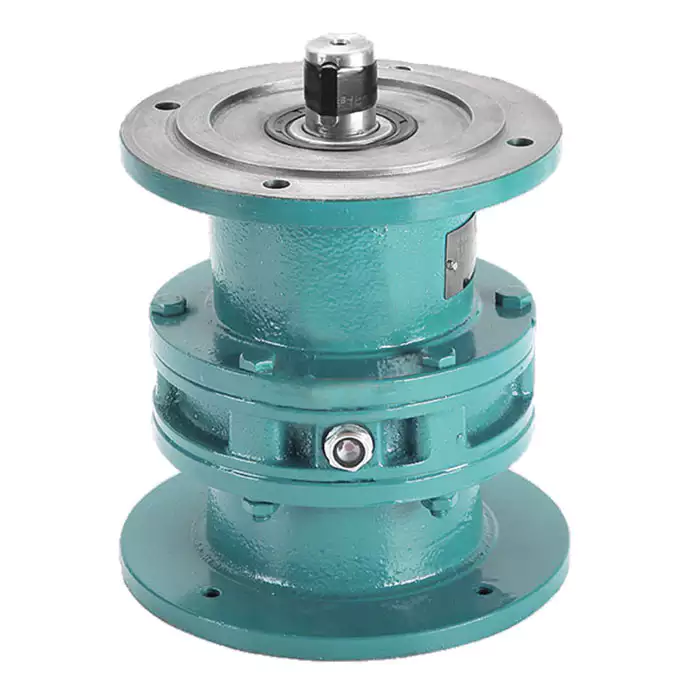
How do gear reducers handle shock loads and sudden changes in torque?
Gear reducers are designed to handle shock loads and sudden changes in torque through several mechanisms that enhance their durability and reliability in challenging operating conditions.
1. Robust Construction: Gear reducers are constructed using high-strength materials and precision manufacturing techniques. This ensures that the gears, bearings, and other components can withstand sudden impacts and high torque fluctuations without deformation or failure.
2. Shock-Absorbing Features: Some gear reducer designs incorporate shock-absorbing features, such as flexible couplings, elastomeric elements, or torsionally flexible gear designs. These features help dampen and dissipate the energy from sudden shocks or torque spikes, reducing the impact on the entire system.
3. Torque Limiters: In applications where shock loads are common, torque limiters may be integrated into the gear reducer. These devices automatically disengage or slip when a certain torque threshold is exceeded, preventing damage to the gears and other components.
4. Overload Protection: Gear reducers can be equipped with overload protection mechanisms, such as shear pins or torque sensors. These mechanisms detect excessive torque and disengage the drive temporarily, allowing the system to absorb the shock or adjust to the sudden torque change.
5. Proper Lubrication: Adequate lubrication is essential for managing shock loads and sudden torque changes. High-quality lubricants reduce friction and wear, helping the gear reducer withstand dynamic forces and maintain smooth operation.
6. Dynamic Load Distribution: Gear reducers distribute dynamic loads across multiple gear teeth, which helps prevent localized stress concentrations. This feature minimizes the risk of tooth breakage and gear damage when subjected to sudden changes in torque.
By incorporating these design features and mechanisms, gear reducers can effectively handle shock loads and sudden changes in torque, ensuring the longevity and reliability of various industrial and mechanical systems.
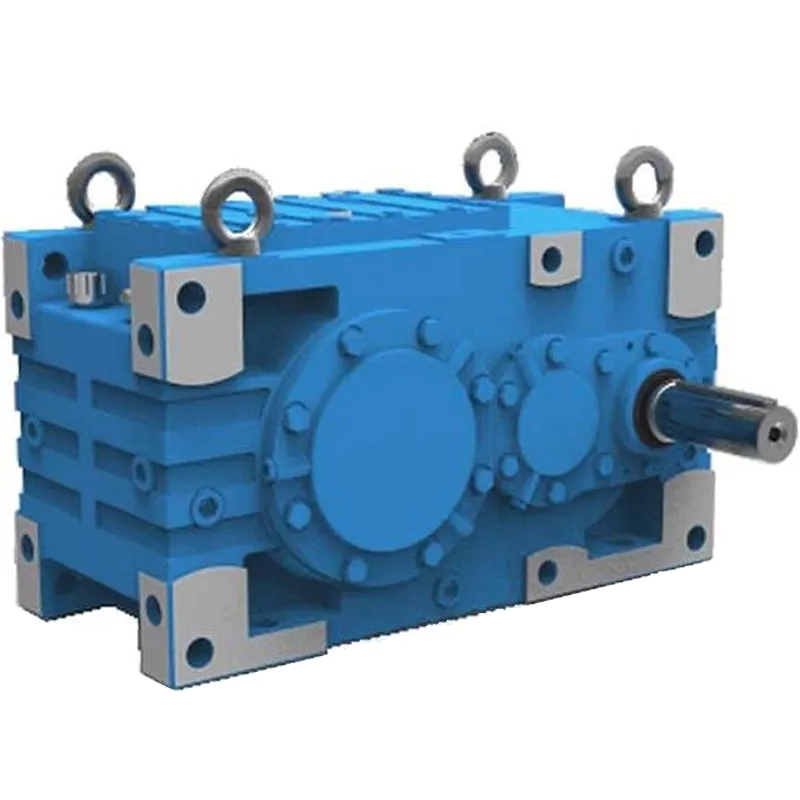
Can you explain the different types of gear reducers available in the market?
There are several types of gear reducers commonly used in industrial applications:
1. Spur Gear Reducers: These reducers have straight teeth and are cost-effective for applications requiring moderate torque and speed reduction. They are efficient but may produce more noise compared to other types.
2. Helical Gear Reducers: Helical gears have angled teeth, which provide smoother and quieter operation compared to spur gears. They offer higher torque capacities and are suitable for heavy-duty applications.
3. Bevel Gear Reducers: Bevel gears have conical shapes and intersect at an angle, allowing them to transmit power between non-parallel shafts. They are commonly used in applications where shafts intersect at 90 degrees.
4. Worm Gear Reducers: Worm gears consist of a worm (screw) and a mating gear (worm wheel). They offer high torque reduction and are used for applications requiring high ratios, although they can be less efficient.
5. Planetary Gear Reducers: These reducers use a system of planetary gears to achieve high torque output in a compact design. They provide excellent torque multiplication and are commonly used in robotics and automation.
6. Cycloidal Gear Reducers: Cycloidal drives use an eccentric cam to achieve speed reduction. They offer high shock load resistance and are suitable for applications with frequent starting and stopping.
7. Harmonic Drive Reducers: Harmonic drives use a flexible spline to achieve high gear reduction ratios. They provide high precision and are commonly used in applications requiring accurate positioning.
8. Hypoid Gear Reducers: Hypoid gears have helical teeth and non-intersecting shafts, making them suitable for applications with space limitations. They offer high torque and efficiency.
Each type of gear reducer has its own advantages and limitations, and the choice depends on factors such as torque requirements, speed ratios, noise levels, space constraints, and application-specific needs.


editor by CX 2024-01-16