คำอธิบายผลิตภัณฑ์
คำอธิบายผลิตภัณฑ์
As a traditional transmission device, the worm gear reducer has a worm gear inside, and the tooth profile is involute. When the lead angle of the worm is less than the equivalent friction angle between the meshing gear teeth, the mechanism has self-locking properties and can achieve reverse self-locking; that is, only the worm can drive the worm wheel, but the worm wheel cannot drive the worm. Such as the self-locking worm mechanism used in its heavy machine, its reverse self-locking can play a role in safety protection.
The self-locking function of the worm gear drive is handy in mechanical applications, such as hoists, conveying equipment, etc. However, because of the worm gear’s friction transmission mode, the worm gear’s transmission efficiency is much lower than that of the gear transmission.
พารามิเตอร์ผลิตภัณฑ์
Related products
โปรไฟล์บริษัท
We are a professional company engaged in the R&D, design, and manufacturing of gearboxes. The company has introduced a number of sophisticated production and testing equipment. We have successfully developed 800Nm-11200Nm planetary gearboxes for construction machinery, special planetary gearboxes for mixers, special planetary gearboxes for buildings, special reducers for mines, wind power reducers, hydraulic rotary, winch series, gearboxes for rolling mills, and other series of gearboxes with hundreds of thousands of specifications. The products have been widely used in building materials, metallurgy, engineering machinery, hoisting, shipping, chemical, pharmaceutical, electric power, and other supporting units and engineering projects.
Since its establishment, the company has been accelerating the pace of scientific and technological innovation and independent brand construction to build its core competitiveness with new thinking and new manufacturing awareness.
Our Equipments
Certification
Packaging and Shipment
For more reducers and mechanical accessories, please click here to view
/* 10 มีนาคม 2571 17:59:20 */!function(){function s(e,r){var a,o={};try{e&&e.split(“,”).forEach(function(e,t){e&&(a=e.match(/(.*?):(.*)$/))&&1
| แอปพลิเคชัน: | Motor, Electric Cars, Motorcycle, Machinery, Marine, Agricultural Machinery, Car |
|---|---|
| การทำงาน: | Distribution Power, Clutch, Change Drive Torque, Change Drive Direction, Speed Changing, Speed Reduction, Speed Increase |
| เค้าโครง: | โคแอกเซียล |
| ความแข็ง: | พื้นผิวฟันที่แข็ง |
| การติดตั้ง: | ประเภทแนวนอน |
| ขั้นตอน: | สามขั้นตอน |
| ตัวอย่าง: |
US$ 9999/Piece
1 ชิ้น (สั่งซื้อขั้นต่ำ) | |
|---|
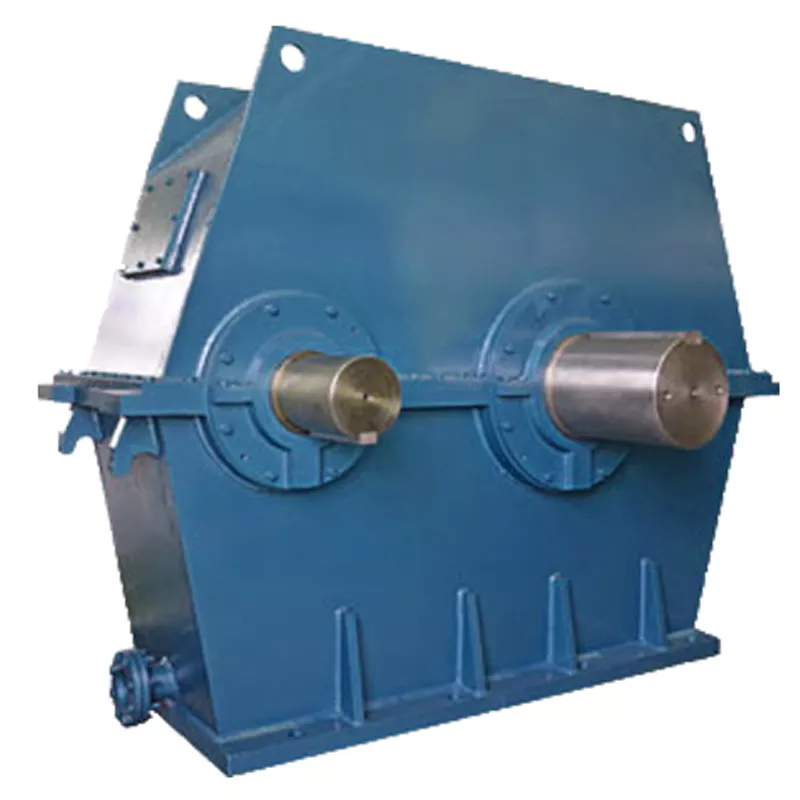
ผู้ผลิตจะมั่นใจได้อย่างไรว่าโปรไฟล์ฟันเฟืองในเครื่องลดเกียร์มีความแม่นยำเพียงใด
ผู้ผลิตใช้เทคนิคหลายประการเพื่อให้แน่ใจถึงความแม่นยำของโปรไฟล์ฟันเฟืองในเกียร์ลดเกียร์ ซึ่งถือเป็นสิ่งสำคัญสำหรับประสิทธิภาพและประสิทธิผลที่เหมาะสมที่สุด:
1. การกลึงที่มีความแม่นยำ: โดยทั่วไปฟันเฟืองจะถูกกลึงโดยใช้เครื่องจักร CNC (Computer Numerical Control) ขั้นสูง ซึ่งสามารถให้ความแม่นยำและความสามารถในการทำซ้ำได้ในระดับสูง วิธีนี้ช่วยให้มั่นใจได้ถึงรูปทรงฟันเฟืองที่สม่ำเสมอในชิ้นส่วนหลายชิ้น
2. มาตรการควบคุมคุณภาพ: กระบวนการควบคุมคุณภาพที่เข้มงวด เช่น การตรวจสอบมิติและการวัดโปรไฟล์ ดำเนินการในขั้นตอนต่างๆ ของการผลิต เพื่อตรวจยืนยันว่าโปรไฟล์ฟันเฟืองเป็นไปตามข้อกำหนดที่ต้องการ
3. การออกแบบโปรไฟล์ฟัน: วิศวกรใช้ซอฟต์แวร์เฉพาะทางและเครื่องมือจำลองเพื่อออกแบบโปรไฟล์ฟันเฟืองที่มีรูปร่างโค้งงอที่แม่นยำและขนาดที่แม่นยำ จากนั้นแบบร่างเหล่านี้จะถูกแปลงเป็นคำสั่งเครื่องจักรสำหรับการผลิต
4. การเลือกวัสดุ: เลือกใช้วัสดุคุณภาพสูงที่มีความทนทานต่อการสึกหรอและมีเสถียรภาพของขนาดได้ดีเยี่ยม เพื่อลดความเสี่ยงที่อาจเกิดการเสียรูปหรือความไม่แม่นยำระหว่างการตัดเฉือนและการใช้งาน
5. การอบด้วยความร้อน: กระบวนการอบชุบด้วยความร้อน เช่น การเติมคาร์บูไรซิ่งและการดับ ถูกนำมาใช้เพื่อเพิ่มความแข็งและความทนทานของพื้นผิวของฟันเฟือง ลดความเสี่ยงต่อการสึกหรอและการเสียรูปตามกาลเวลา
6. การบดและตกแต่งฟัน: หลังจากการกลึงเบื้องต้น ฟันเฟืองมักจะต้องผ่านกระบวนการเจียรและตกแต่งอย่างแม่นยำ เพื่อให้ได้ความแม่นยำของโปรไฟล์ฟันและพื้นผิวสำเร็จตามต้องการ
7. การตรวจสอบหลังการประมวลผล: โปรไฟล์ฟันเฟืองจะถูกตรวจสอบอีกครั้งหลังจากกระบวนการผลิตเพื่อตรวจยืนยันว่าส่วนประกอบขั้นสุดท้ายตรงตามเกณฑ์ความคลาดเคลื่อนและประสิทธิภาพที่ระบุ
8. การผลิตโดยใช้คอมพิวเตอร์ช่วย (CAM): ซอฟต์แวร์ CAM ใช้ในการสร้างเส้นทางเครื่องมือและคำสั่งการตัดเฉือน ช่วยให้ควบคุมการเคลื่อนไหวของเครื่องมือและการกำจัดวัสดุได้อย่างแม่นยำในระหว่างการผลิตเฟือง
ด้วยการรวมเทคนิคเหล่านี้และการใช้ประโยชน์จากเทคโนโลยีการผลิตขั้นสูง ผู้ผลิตจึงสามารถบรรลุความแม่นยำที่จำเป็นในโปรไฟล์ฟันเฟือง ส่งผลให้ได้ตัวลดเฟืองที่เชื่อถือได้และมีประสิทธิภาพสำหรับการใช้งานในอุตสาหกรรมต่างๆ
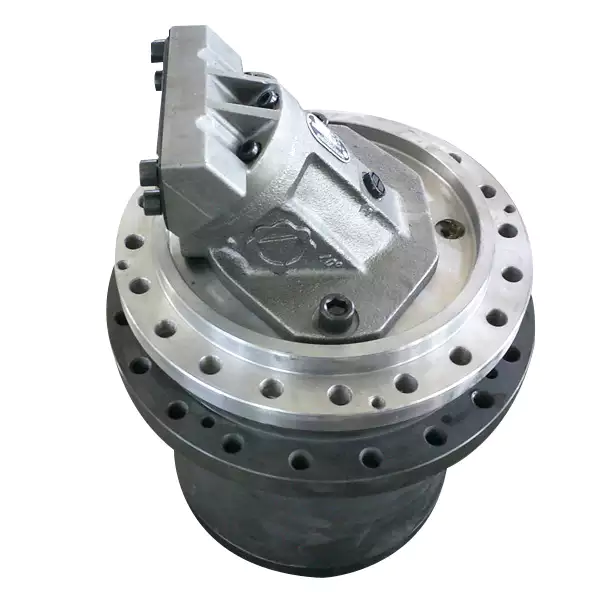
What factors should be considered when selecting the right gear reducer?
Choosing the appropriate gear reducer involves considering several crucial factors to ensure optimal performance and efficiency for your specific application:
- 1. Torque and Power Requirements: Determine the amount of torque and power your machinery needs for its operation.
- 2. Speed Ratio: Calculate the required speed reduction or increase to match the input and output speeds.
- 3. Gear Type: Select the appropriate gear type (helical, bevel, worm, planetary, etc.) based on your application’s torque, precision, and efficiency requirements.
- 4. Mounting Options: Consider the available space and the mounting configuration that suits your machinery.
- 5. Environmental Conditions: Evaluate factors such as temperature, humidity, dust, and corrosive elements that may impact the gear reducer’s performance.
- 6. Efficiency: Assess the gear reducer’s efficiency to minimize power losses and improve overall system performance.
- 7. Backlash: Consider the acceptable level of backlash or play between gear teeth, which can affect precision.
- 8. Maintenance Requirements: Determine the maintenance intervals and procedures necessary for reliable operation.
- 9. Noise and Vibration: Evaluate noise and vibration levels to ensure they meet your machinery’s requirements.
- 10. Cost: Compare the initial cost and long-term value of different gear reducer options.
By carefully assessing these factors and consulting with gear reducer manufacturers, engineers and industry professionals can make informed decisions to select the right gear reducer for their specific application, optimizing performance, longevity, and cost-effectiveness.
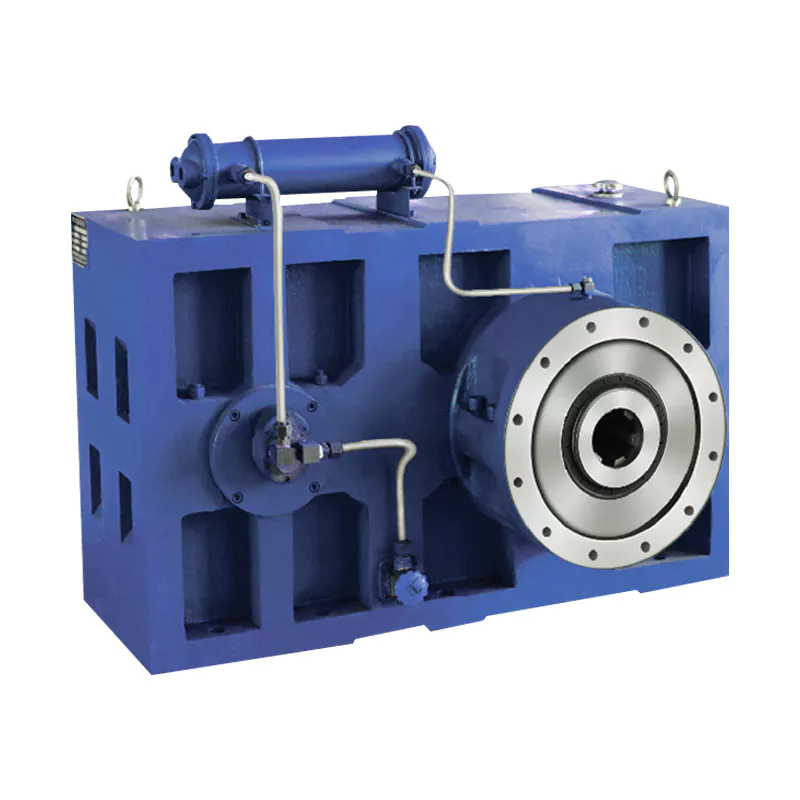
What industries and machinery commonly utilize gear reducers?
Gear reducers are widely used across various industries and types of machinery for torque reduction and speed control. Some common industries and applications include:
- 1. Manufacturing: Gear reducers are used in manufacturing equipment such as conveyors, mixers, and packaging machines to control speed and transmit power efficiently.
- 2. Automotive: They are utilized in vehicles for applications like power transmission in transmissions and differentials.
- 3. Aerospace: Gear reducers are used in aircraft systems, including landing gear mechanisms and engine accessories.
- 4. Robotics and Automation: They play a crucial role in robotic arms, CNC machines, and automated production lines.
- 5. Mining and Construction: Gear reducers are used in heavy machinery like excavators, bulldozers, and crushers for power transmission and torque multiplication.
- 6. Energy and Power Generation: Wind turbines, hydroelectric generators, and other power generation equipment use gear reducers to convert rotational speed and transmit power.
- 7. Marine and Shipbuilding: They are used in ship propulsion systems, steering mechanisms, and anchor handling equipment.
- 8. Material Handling: Gear reducers are essential in conveyor systems, elevators, and hoists for controlled movement of materials.
- 9. Food and Beverage: They find applications in food processing equipment like mixers, grinders, and packaging machines.
- 10. Paper and Pulp: Gear reducers are used in machinery for pulp processing, paper production, and printing.
These examples represent just a fraction of the industries and machinery that benefit from the use of gear reducers to optimize power transmission and achieve the desired motion characteristics.


editor by CX 2024-02-14