Ürün Açıklaması
Ürün Açıklaması
HangZhou Fubao Electromechanical Technology Co., Ltd.price negotiable High Precision Cycloidal Pin Gear Reducer Reduction Gearbox for DC Motor Installed with radial thrust ball bearings, so it can support external load, torque rigidity, large allowable torque, can reduce the number of components required, easy installation. The revolution speed of WRV gears is slower and vibration is reduced, which can reduce the motor structure (input gear) and inertia.
High Precision Cycloidal Pin Gear Reducer reduction gearbox High precision, high rigidity, high torque, high load and other characteristics realize hollow design at the same time. After being hollowed out, the ease of use of the product is improved due to the variety of piping and cable layout options.
The High Precision Cycloidal Pin Gear Reducer reduction gearbox is developed on the basis of the traditional needle wheel reducer. It not only overcomes the shortcomings of the general needle pendulum transmission, but also has more advantages, such as long life, stable precision, high efficiency, smooth transmission, small size, Light weight, large reduction ratio range, etc. This RV reducer from FUBAO adopts a double support support mechanism and a pinwheel mechanism, even if a torque up to 6 times the rated torque is applied, the product will not be damaged, and the torsional rigidity is very large. Small backlash, small volume, large torque. In order to directly support large loads, main bearings (large angular contact ball bearings) are installed inside.
High Precision Cycloidal Pin Gear Reducer reduction gearbox mainly has the following characteristics:
A. Main bearing built-in mechanism
1. Improved reliability;
2. Total cost reduction;
3. Radial thrust ball bearings are installed, so they can support external loads, and the moment rigidity and allowable moment are large, which can reduce the number of required components;
4. The use of couplings and motor flanges makes the installation of the motor very simple.
B. 2-stage deceleration mechanism
1. Small vibration;
2. The revolution speed of the gear is slowed down, the vibration is reduced, and the direct connection part of the motor (input gear) can be reduced, and the inertia can be reduced.
C. Double column support mechanism
1. High torsional rigidity;
2. Strong impact resistance;
3. The crank shaft is supported by double columns in the reducer.
D. Rolling contact mechanism
1. Excellent starting power;
2. Small abrasion and long service life;
3. Small backlash (1arc.min).
| Model number | WRV-6E | WRV-20E | WRV-40E | WRV-80E | WRV-110E | WRV-160E | WRV-320E | WRV-450E |
| Deceleration ratio | 31-103 | 57-161 | 57-153 | 57-153 | 81-175 | 81-171 | 81-185 | 81-192 |
| Rated torque | 196 | 882 | 1666 | 2156 | 2940 | 3920 | 7056 | 8820 |
| Instantaneous maximum allowable torque Nm | 392 | 1764 | 3332 | 4312 | 5880 | 7840 | 14112 | 17640 |
| Maximum backgap Arc-min | ≤1.5 | ≤1 | ≤1 | ≤1 | ≤1 | ≤1 | ≤1 | ≤1 |
Ayrıntılı Fotoğraflar
Product Details
Basic Information
Application Case
Şirket Profili
Factory Display
SSS
Q: Speed reducer grease replacement time
A: When sealing appropriate amount of grease and running reducer, the standard replacement time is 20000 hours according to the aging condition of the grease. In addition, when the grease is stained or used in the surrounding temperature condition (above 40ºC), please check the aging and fouling of the grease, and specify the replacement time.
Q: Delivery time
A: Fubao has 2000+ production base, daily output of 1000+ units, standard models within 7 days of delivery.
Q: Reducer selection
A: Fubao provides professional product selection guidance, with higher product matching degree, higher cost performance and higher utilization rate.
Q: Application range of reducer
A: Fubao has a professional research and development team, complete category design, can match any stepping motor, servo motor, more accurate matching.
|
Kargo Ücreti:
Birim başına tahmini yük. |
To be negotiated |
|---|
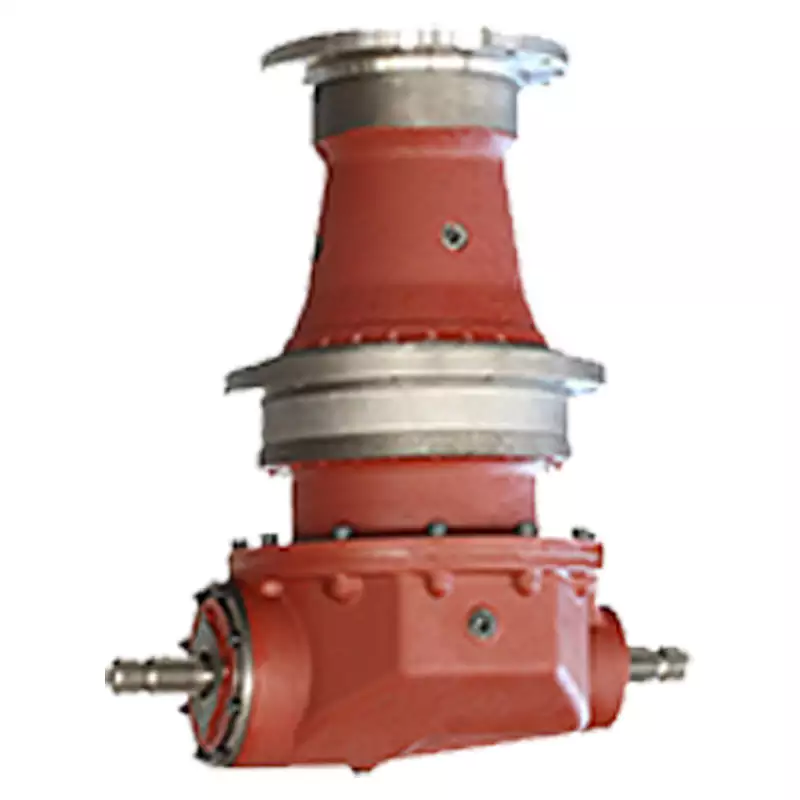
What maintenance practices are essential for prolonging the lifespan of gear reducers?
Proper maintenance is crucial for extending the lifespan and ensuring optimal performance of gear reducers. Here are essential maintenance practices:
- 1. Lubrication: Regular lubrication of gear reducers is vital to reduce friction, wear, and heat generation. Use the recommended lubricant and follow the manufacturer’s guidelines for lubrication intervals.
- 2. Inspection: Routinely inspect gear reducers for signs of wear, damage, or leaks. Check for unusual noises, vibrations, or temperature increases during operation.
- 3. Alignment: Ensure proper alignment of the input and output shafts. Misalignment can lead to increased wear, noise, and reduced efficiency. Align the components according to the manufacturer’s specifications.
- 4. Cooling and Ventilation: Maintain proper cooling and ventilation to prevent overheating. Ensure that cooling fans and vents are clean and unobstructed.
- 5. Seal Maintenance: Inspect and replace seals as needed to prevent contaminants from entering the gear reducer. Contaminants can lead to accelerated wear and reduced performance.
- 6. Bolts and Fasteners: Regularly check and tighten bolts and fasteners to prevent loosening during operation, which can cause misalignment or component damage.
- 7. Replacing Worn Components: Replace worn or damaged components, such as gears, bearings, and seals, with genuine parts from the manufacturer.
- 8. Vibratio
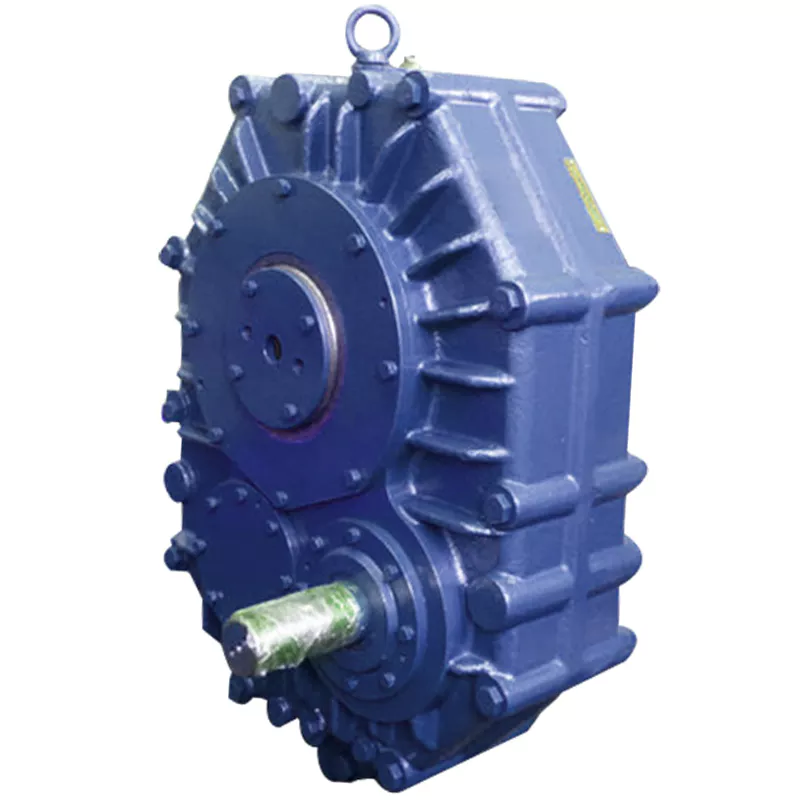
Are there any disadvantages or limitations to using gear reducer systems?
While gear reducer systems offer numerous advantages, they also come with certain disadvantages and limitations that should be considered during the selection and implementation process:
1. Size and Weight: Gear reducers can be bulky and heavy, especially for applications requiring high gear ratios. This can impact the overall size and weight of the machinery or equipment, which may be a concern in space-constrained environments.
2. Efficiency Loss: Despite their high efficiency, gear reducers can experience energy losses due to friction between gear teeth and other components. This can lead to a reduction in overall system efficiency, particularly in cases where multiple gear stages are used.
3. Cost: The design, manufacturing, and assembly of gear reducers can involve complex processes and precision machining, which can contribute to higher initial costs compared to other power transmission solutions.
4. Maintenance: Gear reducer systems require regular maintenance, including lubrication, inspection, and potential gear replacement over time. Maintenance activities can lead to downtime and associated costs in industrial settings.
5. Noise and Vibration: Gear reducers can generate noise and vibrations, especially at high speeds or when operating under heavy loads. Additional measures may be needed to mitigate noise and vibration issues.
6. Limited Gear Ratios: While gear reducers offer a wide range of gear ratios, there may be limitations in achieving extremely high or low ratios in certain designs.
7. Temperature Sensitivity: Extreme temperatures can affect the performance of gear reducer systems, particularly if inadequate lubrication or cooling is provided.
8. Shock Loads: While gear reducers are designed to handle shock loads to some extent, severe shock loads or abrupt changes in torque can still lead to potential damage or premature wear.
Despite these limitations, gear reducer systems remain widely used and versatile components in various industries, and their disadvantages can often be mitigated through proper design, selection, and maintenance practices.
n Analysis:
Conduct periodic vibration analysis to identify potential issues early. Excessive vibration can indicate misalignment or component wear. - 9. Maintenance Records: Keep detailed maintenance records, including lubrication schedules, inspection dates, and component replacements. This helps track the history of the gear reducer and aids in future maintenance planning.
- 10. Training: Provide proper training to maintenance personnel on gear reducer maintenance and troubleshooting techniques.
By adhering to these maintenance practices, you can maximize the lifespan of your gear reducers, minimize downtime, and ensure reliable operation in your industrial processes.
| Başvuru: | Motor, Machinery, Agricultural Machinery, Robot Arm |
|---|---|
| İşlev: | Distribution Power, Change Drive Torque, Speed Changing, Speed Reduction |
| Düzen: | Cycloidal |
| Özelleştirme: |
Mevcut
| Özelleştirilmiş İstek |
|---|
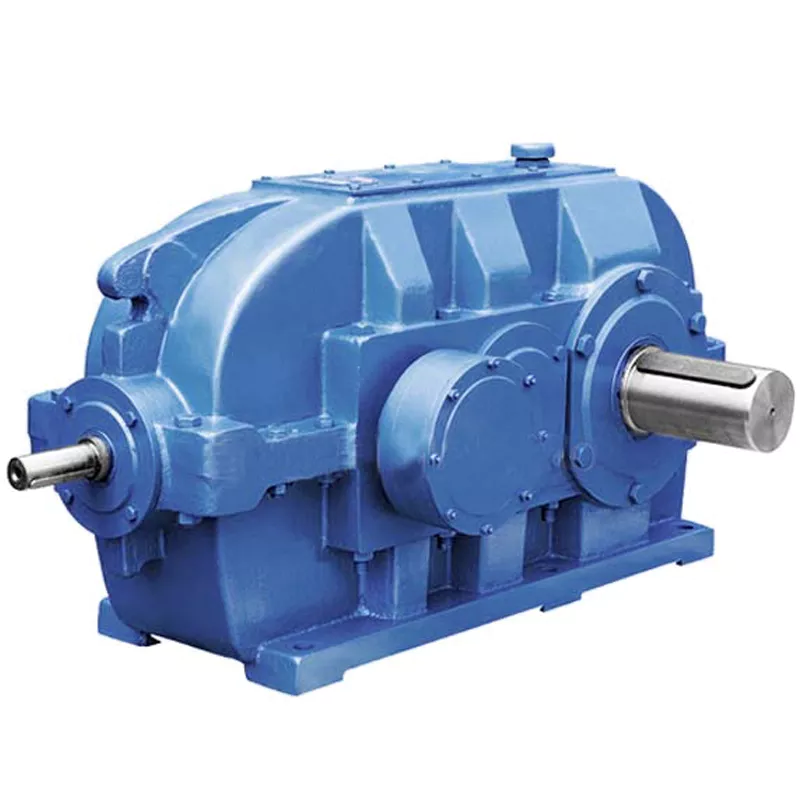
Redüktörler giriş ve çıkış hızlarındaki değişiklikleri nasıl yönetir?
Dişli redüktörleri, farklı dişli oranları ve konfigürasyonları kullanılarak giriş ve çıkış hızlarındaki değişimleri karşılamak üzere tasarlanmıştır. Bunu, torku iletmek ve dönüş hızını kontrol etmek için farklı boyutlarda birbirine geçen dişliler kullanarak gerçekleştirirler.
Temel prensip, farklı diş sayısına sahip iki veya daha fazla dişlinin birbirine bağlanmasıdır. Daha büyük bir dişli (tahrik dişlisi) daha küçük bir dişliyle (tahrik edilen dişli) temas ettiğinde, tahrik edilen dişlinin dönüş hızı azalırken tork artar. Bu hız düşüşü ve tork artışı, dişli redüktörlerinin giriş ve çıkış hızlarındaki değişikliklere verimli bir şekilde uyum sağlamasını sağlar.
Dişli oranı, hız ve torkun ne kadar değişeceğini belirleyen kritik bir faktördür. Tahrik dişlisindeki diş sayısının tahrik dişlisindeki diş sayısına bölünmesiyle hesaplanır. Daha yüksek bir dişli oranı, hızda daha fazla azalma ve buna orantılı olarak torkta bir artışla sonuçlanır.
Yaygın bir tip olan planet dişli redüktörleri, farklı hız düşüşleri ve tork artışları elde etmek için güneş dişlileri, planet dişlileri ve halka dişlileri gibi dişlilerin bir kombinasyonunu kullanır. Bu tasarım, hız ve tork gereksinimlerindeki değişikliklerin üstesinden gelmede çok yönlülük sağlar.
Özetle, dişli redüktörleri, uygulamanın ihtiyaçlarına göre gücü verimli bir şekilde iletmelerini ve hareket özelliklerini kontrol etmelerini sağlayan belirli dişli oranları ve dişli düzenlemeleri kullanarak giriş ve çıkış hızlarındaki değişiklikleri yönetir.


editor by CX 2023-08-15