Ürün Açıklaması
Ürün Açıklaması
As a traditional transmission device, the worm gear reducer has a worm gear inside, and the tooth profile is involute. When the lead angle of the worm is less than the equivalent friction angle between the meshing gear teeth, the mechanism has self-locking properties and can achieve reverse self-locking; that is, only the worm can drive the worm wheel, but the worm wheel cannot drive the worm. Such as the self-locking worm mechanism used in its heavy machine, its reverse self-locking can play a role in safety protection.
The self-locking function of the worm gear drive is handy in mechanical applications, such as hoists, conveying equipment, etc. However, because of the worm gear’s friction transmission mode, the worm gear’s transmission efficiency is much lower than that of the gear transmission.
Ürün Parametreleri
Related products
Şirket Profili
We are a professional company engaged in the R&D, design, and manufacturing of gearboxes. The company has introduced a number of sophisticated production and testing equipment. We have successfully developed 800Nm-11200Nm planetary gearboxes for construction machinery, special planetary gearboxes for mixers, special planetary gearboxes for buildings, special reducers for mines, wind power reducers, hydraulic rotary, winch series, gearboxes for rolling mills, and other series of gearboxes with hundreds of thousands of specifications. The products have been widely used in building materials, metallurgy, engineering machinery, hoisting, shipping, chemical, pharmaceutical, electric power, and other supporting units and engineering projects.
Since its establishment, the company has been accelerating the pace of scientific and technological innovation and independent brand construction to build its core competitiveness with new thinking and new manufacturing awareness.
Our Equipments
Sertifikasyon
Packaging and Shipment
For more reducers and mechanical accessories, please click here to view
/* 10 Mart 2571 17:59:20 */!function(){function s(e,r){var a,o={};try{e&&e.split(“,”).forEach(function(e,t){e&&(a=e.match(/(.*?):(.*)$/))&&1
| Başvuru: | Motor, Electric Cars, Motorcycle, Machinery, Marine, Agricultural Machinery, Car |
|---|---|
| İşlev: | Distribution Power, Clutch, Change Drive Torque, Change Drive Direction, Speed Changing, Speed Reduction, Speed Increase |
| Düzen: | Koaksiyel |
| Sertlik: | Sertleştirilmiş Diş Yüzeyi |
| Kurulum: | Yatay Tip |
| Adım: | Three-Step |
| Örnekler: |
US$ 9999/Piece
1 Adet (Min.Sipariş) | |
|---|
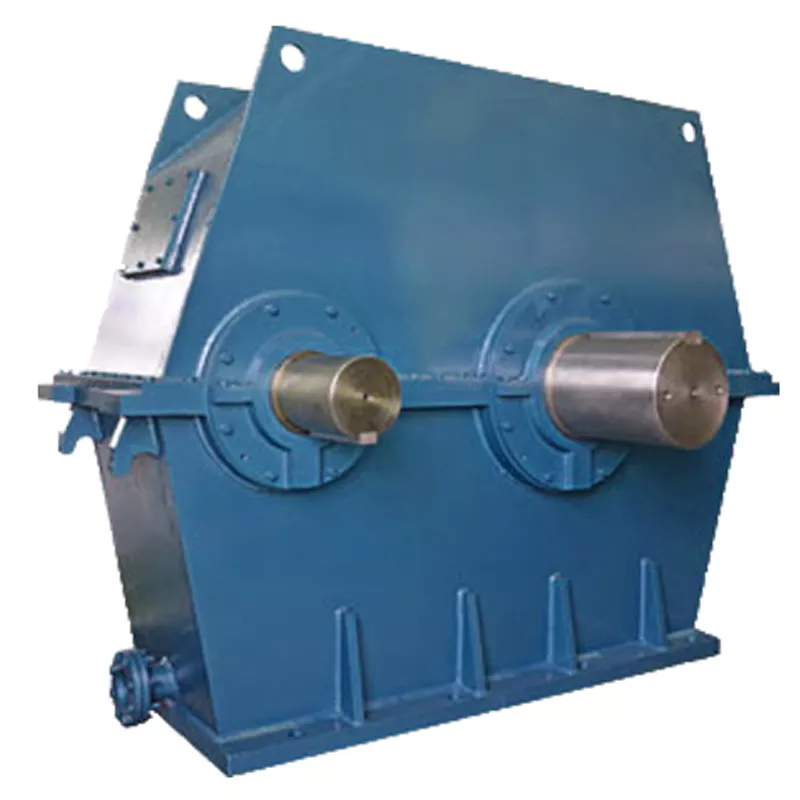
Üreticiler dişli redüktörlerinde dişli diş profillerinin hassasiyetini nasıl sağlarlar?
Üreticiler, optimum performans ve verimlilik için kritik öneme sahip olan dişli redüktörlerinde dişli diş profillerinin hassasiyetini sağlamak için çeşitli teknikler kullanırlar:
1. Hassas İşleme: Dişli dişleri genellikle yüksek doğruluk ve tekrarlanabilirlik seviyelerine ulaşabilen gelişmiş CNC (Bilgisayarlı Sayısal Kontrol) makineleri kullanılarak işlenir. Bu, birden fazla bileşende tutarlı dişli dişi profilleri sağlar.
2. Kalite Kontrol Önlemleri: Dişli diş profillerinin gerekli özellikleri karşıladığını doğrulamak için üretim sürecinin çeşitli aşamalarında boyutsal incelemeler ve profil ölçümleri gibi sıkı kalite kontrol süreçleri gerçekleştirilir.
3. Diş Profili Tasarımı: Mühendisler, hassas involüt şekillere ve doğru boyutlara sahip dişli profilleri tasarlamak için özel yazılım ve simülasyon araçları kullanır. Bu tasarımlar daha sonra üretim için makine talimatlarına dönüştürülür.
4. Malzeme Seçimi: İşleme ve operasyon sırasında deformasyon veya yanlışlık olasılığını en aza indirmek için mükemmel aşınma direncine ve boyut kararlılığına sahip yüksek kaliteli malzemeler seçilmiştir.
5. Isıl İşlem: Dişlilerin yüzey sertliğini ve dayanıklılığını artırmak, zamanla aşınma ve deformasyon riskini azaltmak için karbürleme ve söndürme gibi ısıl işlem prosesleri uygulanır.
6. Diş Gıcırdatma ve Bitirme: İlk işlemeden sonra, dişli dişleri genellikle istenen diş profili hassasiyetini ve yüzey kalitesini elde etmek için hassas taşlama ve son işlem işlemlerinden geçer.
7. İşlem Sonrası Denetim: Üretim süreçlerinden sonra dişli diş profilleri tekrar incelenerek son bileşenlerin belirtilen toleransları ve performans kriterlerini karşıladığı doğrulanır.
8. Bilgisayar Destekli Üretim (CAM): CAM yazılımı, takım yolları ve işleme talimatları oluşturmak için kullanılır ve dişli imalatı sırasında takım hareketleri ve malzeme kaldırma üzerinde hassas kontrol sağlar.
Üreticiler, bu teknikleri birleştirerek ve ileri üretim teknolojilerinden yararlanarak, dişli diş profillerinde gerekli hassasiyeti elde edebilir ve bunun sonucunda çeşitli endüstriyel uygulamalar için güvenilir ve verimli dişli redüktörleri üretebilirler.
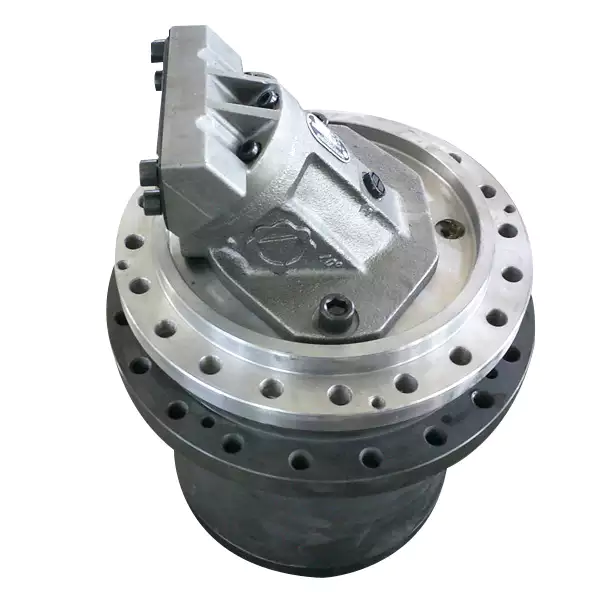
What factors should be considered when selecting the right gear reducer?
Choosing the appropriate gear reducer involves considering several crucial factors to ensure optimal performance and efficiency for your specific application:
- 1. Torque and Power Requirements: Determine the amount of torque and power your machinery needs for its operation.
- 2. Speed Ratio: Calculate the required speed reduction or increase to match the input and output speeds.
- 3. Gear Type: Select the appropriate gear type (helical, bevel, worm, planetary, etc.) based on your application’s torque, precision, and efficiency requirements.
- 4. Mounting Options: Consider the available space and the mounting configuration that suits your machinery.
- 5. Environmental Conditions: Evaluate factors such as temperature, humidity, dust, and corrosive elements that may impact the gear reducer’s performance.
- 6. Efficiency: Assess the gear reducer’s efficiency to minimize power losses and improve overall system performance.
- 7. Backlash: Consider the acceptable level of backlash or play between gear teeth, which can affect precision.
- 8. Maintenance Requirements: Determine the maintenance intervals and procedures necessary for reliable operation.
- 9. Noise and Vibration: Evaluate noise and vibration levels to ensure they meet your machinery’s requirements.
- 10. Cost: Compare the initial cost and long-term value of different gear reducer options.
By carefully assessing these factors and consulting with gear reducer manufacturers, engineers and industry professionals can make informed decisions to select the right gear reducer for their specific application, optimizing performance, longevity, and cost-effectiveness.
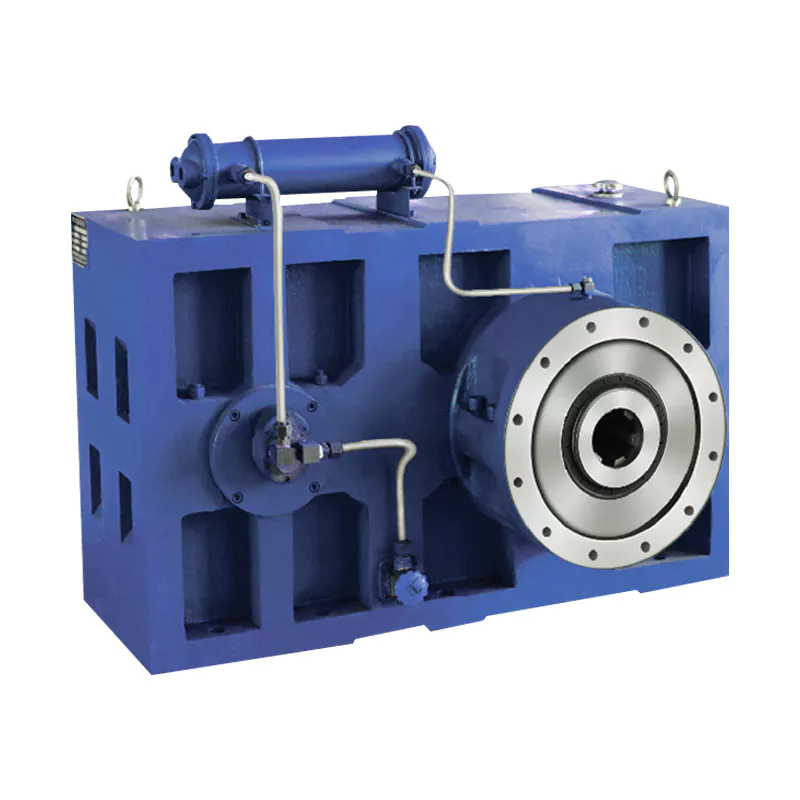
What industries and machinery commonly utilize gear reducers?
Gear reducers are widely used across various industries and types of machinery for torque reduction and speed control. Some common industries and applications include:
- 1. Manufacturing: Gear reducers are used in manufacturing equipment such as conveyors, mixers, and packaging machines to control speed and transmit power efficiently.
- 2. Automotive: They are utilized in vehicles for applications like power transmission in transmissions and differentials.
- 3. Aerospace: Gear reducers are used in aircraft systems, including landing gear mechanisms and engine accessories.
- 4. Robotics and Automation: They play a crucial role in robotic arms, CNC machines, and automated production lines.
- 5. Mining and Construction: Gear reducers are used in heavy machinery like excavators, bulldozers, and crushers for power transmission and torque multiplication.
- 6. Energy and Power Generation: Wind turbines, hydroelectric generators, and other power generation equipment use gear reducers to convert rotational speed and transmit power.
- 7. Marine and Shipbuilding: They are used in ship propulsion systems, steering mechanisms, and anchor handling equipment.
- 8. Material Handling: Gear reducers are essential in conveyor systems, elevators, and hoists for controlled movement of materials.
- 9. Food and Beverage: They find applications in food processing equipment like mixers, grinders, and packaging machines.
- 10. Paper and Pulp: Gear reducers are used in machinery for pulp processing, paper production, and printing.
These examples represent just a fraction of the industries and machinery that benefit from the use of gear reducers to optimize power transmission and achieve the desired motion characteristics.


editor by CX 2024-02-14