Ürün Açıklaması
Ürün Açıklaması
ATA series 1.1kW~193kW Keyed CHINAMFG Shaft Input gear speed reducer
Components:
1. Housing: Nodular Cast Iron(Ductile Iron) QT600
2. Gears Profile: Hardened Helical Gears
3. Gears Material: 20CrMnTi
4. Gears Processing: Carburizing, Quenching, Grinding
5. Gears Hardness: Surface Hardness: HRC58-62, Inner Hardness: HBS156-207
6. Gears Accuracy: 6 Class
7. Shafts Material: 40Cr
8. Input Configurations:
Keyed CHINAMFG Shaft Input
IEC Normalized Motor Flange
9. Output Configurations:
Keyed Hollow Shaft Output
10. Oil Seal: ZheJiang SOG
11. Bearings: NSK, HRB, ZWZ, LYC
12. Spare Parts: Torque arm, Optional Backstop
The features of ATA shaft mounted gearbox:
Mounting Type: Tie rod Hanging shaft mounted
Output Shaft: Single key hollow shaft, each model can select 3 hollow diameter at most.
Gearbox Housing: Hard Iron Steel, can be used outside.
Anti-slip device: Can suit for any model, It’s very convenient to be mounted.
The maintenance of ATA shaft mounted gearbox:
1. Before starting the reducer must be filled of N159 or N220 extreme pressure industrial gear oils, till the gearbox oil shows an intermediate position
2. After 3 months running, the gearbox need to change oil, attention it must be debris inside the machine rinse before adding new oil.
3. At the reducer hollow shaft ends and drive pulley end gland plate must fastened with locking screws.
4. The reducer pulley and the motor pulley must be parallel when they are installed and the belt tightness should be moderate.
Ayrıntılı Fotoğraflar
| Rated Power |
1.1~193KW |
| Intput Speed |
500~1400r/min |
| Çıkış Hızı |
25~300r/min |
| Oran |
IN=5.0…31.5 |
| Installation Form |
Shaft mounted |
The models of ATA shafted mounted gearbox:
1 Stage: ATA30, ATA35, ATA40, ATA45, ATA50, ATA60, ATA70, ATA80, ATA100, ATA125
2 Stage: ATA35D, ATA40D, ATA45D, ATA50D, ATA60D, ATA70D, ATA80D, ATA100D, ATA125D
Ürün Parametreleri
Gearbox Parameters:
| Models | Output Bore Dia. | Maximum Torque | Nominal Ratio(i) |
| ATA30 | 30mm | 180Nm | 5
7 10 12.5 15 20 25 31 |
| ATA35 | 35mm | 420Nm | |
| ATA40 | 40mm/45mm | 950Nm | |
| ATA45 | 45mm/50mm/55mm | 1400Nm | |
| ATA50 | 50mm/55mm/60mm | 2300Nm | |
| ATA60 | 60mm/70mm | 3600Nm | |
| ATA70 | 70mm/85mm | 5100Nm | |
| ATA80 | 80mm/100mm | 7000Nm | |
| ATA100 | 100mm/125mm | 11000Nm | |
| ATA125 | 125mm/135mm | 17000Nm |
Certifications
Packaging & Shipping
Packaging & Delivery
ATA series gear reducer Packaging Details:Plastic Bags, Cartons, Wooden Boxes
Port:ZheJiang /HangZhou
Şirket Profili
Avantajlarımız
Our Services:
| Pre-sale services | 1. Select equipment model. |
| 2.Design and manufacture products according to clients’ special requirement. | |
| 3.Train technical personal for clients | |
| Services during selling | 1.Pre-check and accept products ahead of delivery. |
| 2. Help clients to draft solving plans. | |
| After-sale services | 1.Assist clients to prepare for the first construction scheme. |
| 2. Train the first-line operators. | |
| 3.Take initiative to eliminate the trouble rapidly. | |
| 4. Provide technical exchanging. |
SSS
If you have any demand for our products please feel free to contact me
/* 22 Ocak 2571 19:08:37 */!function(){function s(e,r){var a,o={};try{e&&e.split(“,”).forEach(function(e,t){e&&(a=e.match(/(.*?):(.*)$/))&&1
| Başvuru: | Motor, Machinery |
|---|---|
| İşlev: | Hız Değiştirme, Hız Azaltma |
| Düzen: | Parallel |
| Sertlik: | Hardened |
| Kurulum: | Torque Arm Type |
| Adım: | Single-Step |
| Özelleştirme: |
Mevcut
| Özelleştirilmiş İstek |
|---|
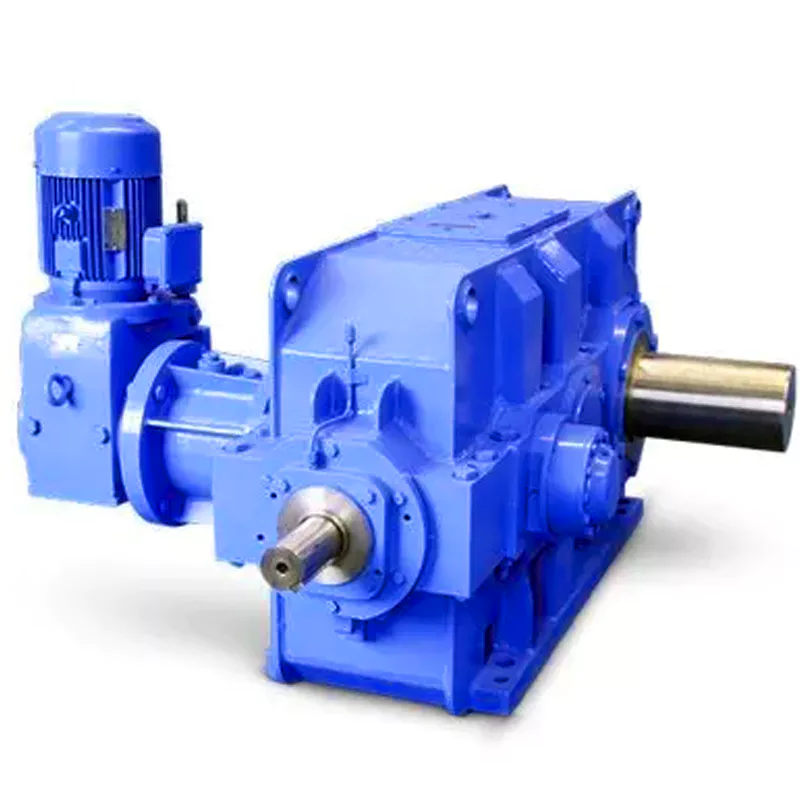
What are the considerations for choosing the appropriate lubrication for gear reducers?
Choosing the appropriate lubrication for gear reducers is crucial for ensuring optimal performance, longevity, and efficiency. Several considerations should be taken into account when selecting the right lubrication:
1. Load and Torque: The magnitude of the load and torque transmitted by the gear reducer affects the lubrication’s viscosity and film strength requirements. Heavier loads may necessitate higher viscosity lubricants.
2. Operating Speed: The speed at which the gear reducer operates impacts the lubrication’s ability to maintain a consistent and protective film between gear surfaces.
3. Temperature Range: Consider the temperature range of the operating environment. Lubricants with suitable viscosity indexes are crucial to maintaining performance under varying temperature conditions.
4. Contaminant Exposure: If the gear reducer is exposed to dust, dirt, water, or other contaminants, the lubrication should have proper sealing properties and resistance to contamination.
5. Lubrication Interval: Determine the desired maintenance interval. Some lubricants require more frequent replacement, while others offer extended operational periods.
6. Compatibility with Materials: Ensure that the chosen lubricant is compatible with the materials used in the gear reducer, including gears, bearings, and seals.
7. Noise and Vibration: Some lubricants have properties that can help reduce noise and dampen vibrations, improving the overall user experience.
8. Environmental Impact: Consider environmental regulations and sustainability goals when selecting lubricants.
9. Manufacturer Recommendations: Follow the manufacturer’s recommendations and guidelines for lubrication type, viscosity grade, and maintenance intervals.
10. Monitoring and Analysis: Implement a lubrication monitoring and analysis program to assess lubricant condition and performance over time.
By carefully evaluating these considerations and consulting with lubrication experts, industries can choose the most suitable lubrication for their gear reducers, ensuring reliable and efficient operation.
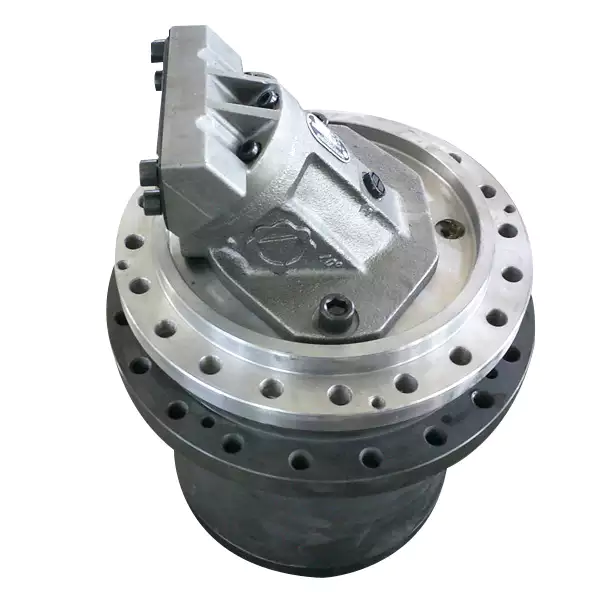
What factors should be considered when selecting the right gear reducer?
Choosing the appropriate gear reducer involves considering several crucial factors to ensure optimal performance and efficiency for your specific application:
- 1. Torque and Power Requirements: Determine the amount of torque and power your machinery needs for its operation.
- 2. Speed Ratio: Calculate the required speed reduction or increase to match the input and output speeds.
- 3. Gear Type: Select the appropriate gear type (helical, bevel, worm, planetary, etc.) based on your application’s torque, precision, and efficiency requirements.
- 4. Mounting Options: Consider the available space and the mounting configuration that suits your machinery.
- 5. Environmental Conditions: Evaluate factors such as temperature, humidity, dust, and corrosive elements that may impact the gear reducer’s performance.
- 6. Efficiency: Assess the gear reducer’s efficiency to minimize power losses and improve overall system performance.
- 7. Backlash: Consider the acceptable level of backlash or play between gear teeth, which can affect precision.
- 8. Maintenance Requirements: Determine the maintenance intervals and procedures necessary for reliable operation.
- 9. Noise and Vibration: Evaluate noise and vibration levels to ensure they meet your machinery’s requirements.
- 10. Cost: Compare the initial cost and long-term value of different gear reducer options.
By carefully assessing these factors and consulting with gear reducer manufacturers, engineers and industry professionals can make informed decisions to select the right gear reducer for their specific application, optimizing performance, longevity, and cost-effectiveness.
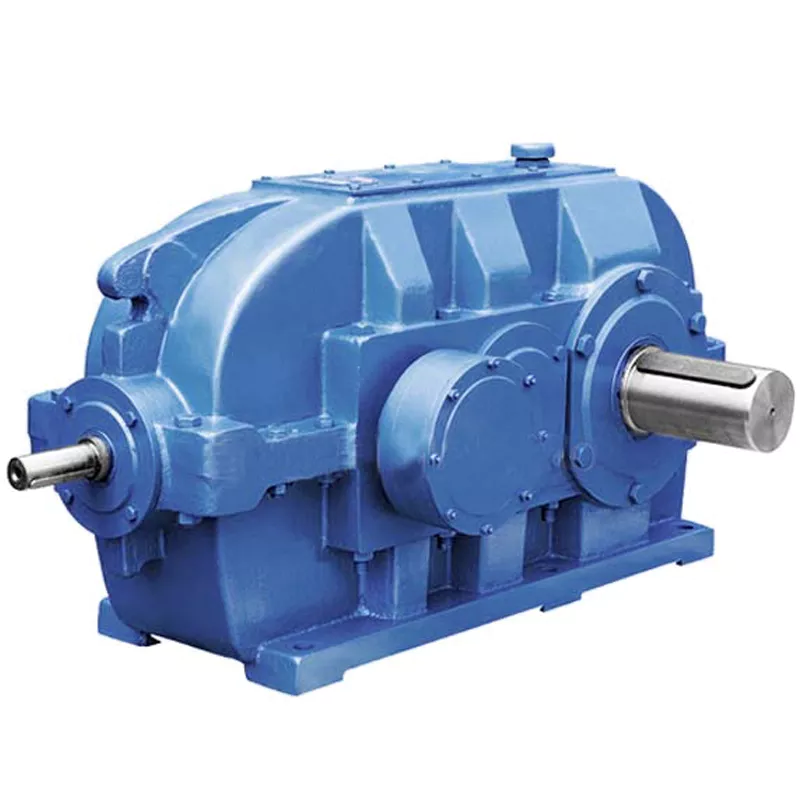
Redüktörler giriş ve çıkış hızlarındaki değişiklikleri nasıl yönetir?
Dişli redüktörleri, farklı dişli oranları ve konfigürasyonları kullanılarak giriş ve çıkış hızlarındaki değişimleri karşılamak üzere tasarlanmıştır. Bunu, torku iletmek ve dönüş hızını kontrol etmek için farklı boyutlarda birbirine geçen dişliler kullanarak gerçekleştirirler.
Temel prensip, farklı diş sayısına sahip iki veya daha fazla dişlinin birbirine bağlanmasıdır. Daha büyük bir dişli (tahrik dişlisi) daha küçük bir dişliyle (tahrik edilen dişli) temas ettiğinde, tahrik edilen dişlinin dönüş hızı azalırken tork artar. Bu hız düşüşü ve tork artışı, dişli redüktörlerinin giriş ve çıkış hızlarındaki değişikliklere verimli bir şekilde uyum sağlamasını sağlar.
Dişli oranı, hız ve torkun ne kadar değişeceğini belirleyen kritik bir faktördür. Tahrik dişlisindeki diş sayısının tahrik dişlisindeki diş sayısına bölünmesiyle hesaplanır. Daha yüksek bir dişli oranı, hızda daha fazla azalma ve buna orantılı olarak torkta bir artışla sonuçlanır.
Yaygın bir tip olan planet dişli redüktörleri, farklı hız düşüşleri ve tork artışları elde etmek için güneş dişlileri, planet dişlileri ve halka dişlileri gibi dişlilerin bir kombinasyonunu kullanır. Bu tasarım, hız ve tork gereksinimlerindeki değişikliklerin üstesinden gelmede çok yönlülük sağlar.
Özetle, dişli redüktörleri, uygulamanın ihtiyaçlarına göre gücü verimli bir şekilde iletmelerini ve hareket özelliklerini kontrol etmelerini sağlayan belirli dişli oranları ve dişli düzenlemeleri kullanarak giriş ve çıkış hızlarındaki değişiklikleri yönetir.


editor by CX 2024-04-24