Ürün Açıklaması
Ürün Açıklaması
DESCRIPTION:
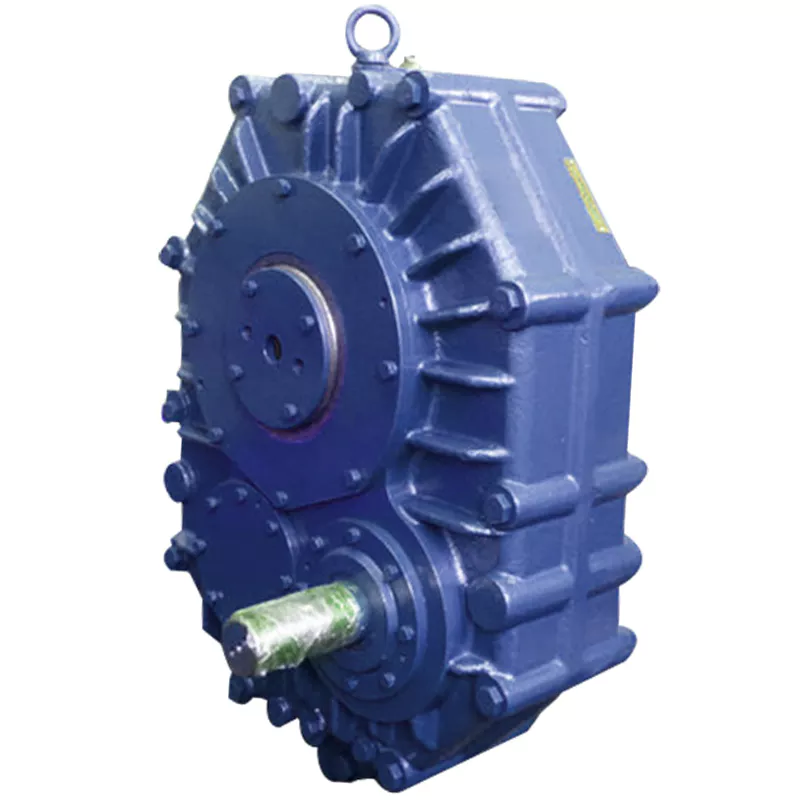
Gear reducers are enclosed helical gears with hollow inputs.
The gear is mounted directly on the input shaft of the gear and receives support from a motor mounting bracket mounted on the machine housing.
No additional parts are required to transfer torque from the reducer to the machine.
It can be mounted in vertical, horizontal or inclined position.
Shaft-mounted gear reducers typically have 5:1 7:1 10:1 reduction ratios and output speeds ranging from 1 to 300 rpm.
M4 series gear reducer can be installed directly on screw conveyors and feeders with a XUH seal installed on the output shaft of the gearbox.
Ensure that cement, and fly ash powder will not get into the gearbox and extend the service life of the gearbox.
More suitable for bulk materials, grain and aggregate handling industries
WORKING PRINCIPLE:
M4 series gearboxes come in 5 sizes (M41 / M43 / M45 / M47 / M49).
Nominal gear ratios are in accordance with Ra 10 CHINAMFG 2017 (5, 6, 7, 10). Cylindrical gears with helicoidal teeth.
M4 series gearboxes can be mounted directly on screws: in this case, the XUH type output shaft seal is usually installed.
M4 series gearboxes are supplied with grease for use at ambient temperatures (0°C – 40°C).
PROPERTIES:
– Helical gearbox
– Nominal torque that can be transferred to the output shaft: up to 1500 Nm.
– Installed power at the input up to 30 kW.
– Operation at ambient temperature (0°C – 40°C).
– DIN 5482 involute spline output shafts
– Flange mounting on motor and output side
– Precision-machined cylindrical bevel gears with teeth.
– Flange mounting on motor and output side
BENEFITS:
– Easy installation
– Quick maintenance
– Low installation costs
Services
Pre-sales Commitment
1. For user inquiries, quick response, warm reception, and answer all questions.
2. Provide detailed design information free of charge within 24 hours.
Commitment in Sales
1. All ex-factory products meet the quality standards specified in the contract. All products are tested according to customer requirements before delivery.
2. After the contract is signed, the customers are welcome to the site of our company for supervision.
After-sales Commitment
1. We provide technical support for customers. If necessary, the product can be debugged on-site, and relevant operators can be trained to solve user problems.
2. 24 hours to solve the problems for customers. Product use a day, a day of service.
3. Set up a high-quality service team, and set up product files for regular return visits.
| Başvuru: | Machinery |
|---|---|
| Sertlik: | Sertleştirilmiş Diş Yüzeyi |
| Kurulum: | Dikey Tip |
| Düzen: | Koaksiyel |
| Dişli Şekli: | Conical – Cylindrical Gear |
| Adım: | Four-Step |
| Örnekler: |
US$ 100/Piece
1 Adet (Min.Sipariş) | |
|---|
| Özelleştirme: |
Mevcut
| Özelleştirilmiş İstek |
|---|
Are there any disadvantages or limitations to using gear reducer systems?
While gear reducer systems offer numerous advantages, they also come with certain disadvantages and limitations that should be considered during the selection and implementation process:
1. Size and Weight: Gear reducers can be bulky and heavy, especially for applications requiring high gear ratios. This can impact the overall size and weight of the machinery or equipment, which may be a concern in space-constrained environments.
2. Efficiency Loss: Despite their high efficiency, gear reducers can experience energy losses due to friction between gear teeth and other components. This can lead to a reduction in overall system efficiency, particularly in cases where multiple gear stages are used.
3. Cost: The design, manufacturing, and assembly of gear reducers can involve complex processes and precision machining, which can contribute to higher initial costs compared to other power transmission solutions.
4. Maintenance: Gear reducer systems require regular maintenance, including lubrication, inspection, and potential gear replacement over time. Maintenance activities can lead to downtime and associated costs in industrial settings.
5. Noise and Vibration: Gear reducers can generate noise and vibrations, especially at high speeds or when operating under heavy loads. Additional measures may be needed to mitigate noise and vibration issues.
6. Limited Gear Ratios: While gear reducers offer a wide range of gear ratios, there may be limitations in achieving extremely high or low ratios in certain designs.
7. Temperature Sensitivity: Extreme temperatures can affect the performance of gear reducer systems, particularly if inadequate lubrication or cooling is provided.
8. Shock Loads: While gear reducers are designed to handle shock loads to some extent, severe shock loads or abrupt changes in torque can still lead to potential damage or premature wear.
Despite these limitations, gear reducer systems remain widely used and versatile components in various industries, and their disadvantages can often be mitigated through proper design, selection, and maintenance practices.
Dişli oranları dişli redüktörlerinin performansının iyileştirilmesinde nasıl bir rol oynar?
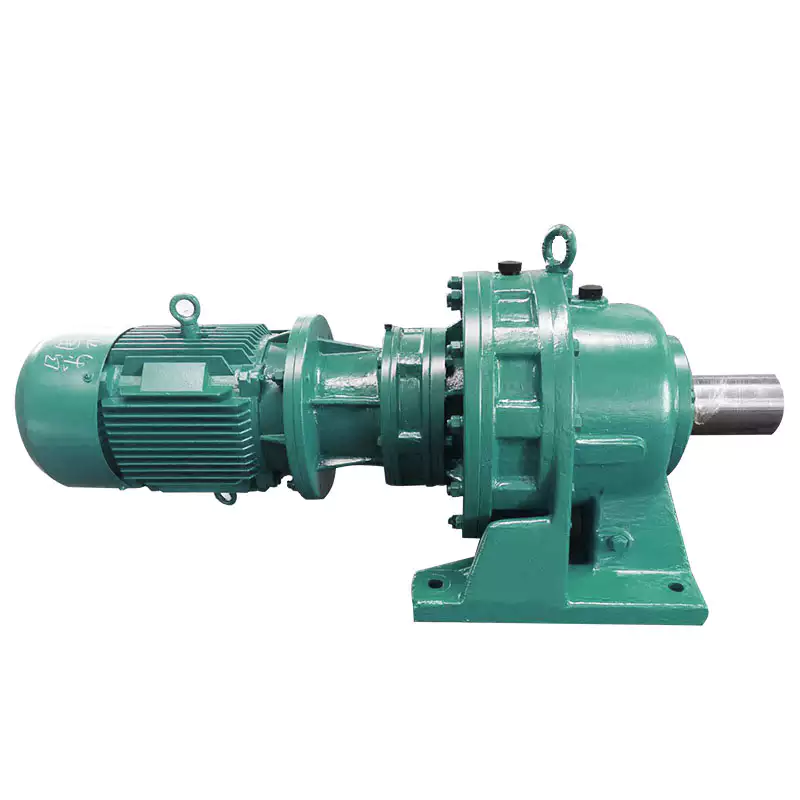
Dişli oranları, giriş ve çıkış hızları ile torkları arasındaki ilişkiyi belirleyerek dişli redüktörlerinin performansının optimize edilmesinde önemli bir rol oynar. Dişli oranı, birbirine geçen iki dişli arasındaki diş sayısının oranıdır ve dişli redüktörünün mekanik avantajını ve verimliliğini doğrudan etkiler.
1. Hız ve Tork Dönüşümü: Dişli oranları, dişli redüktörlerinin belirli bir uygulamanın ihtiyaçlarına göre dönme hızını ve torku dönüştürmesini sağlar. Uygun dişli oranları seçildiğinde, dişli redüktörleri torku artırırken hızı düşürebilir (hız azaltma) veya torku azaltırken hızı artırabilir (hız artırma).
2. Mekanik Avantaj: Dişli redüktörleri, mekanik avantaj sağlamak için dişli oranlarından yararlanır. Hız düşürme konfigürasyonlarında, daha yüksek bir dişli oranı daha büyük bir mekanik avantaj sağlayarak çıkış milinin daha düşük hızda daha yüksek tork sağlamasına olanak tanır. Bu, ağır makine veya konveyör sistemleri gibi daha fazla kuvvet veya tork gerektiren uygulamalar için faydalıdır.
3. Verimlilik: Optimum dişli oranları, dişli redüktörlerinde daha yüksek verimliliğe katkıda bulunur. Uygun dişli oranlarına sahip dişli redüktörleri, yükü birden fazla dişli dişine dağıtarak, her bir dişli dişindeki stresi ve aşınmayı en aza indirir ve böylece genel verimliliği artırır ve kullanım ömrünü uzatır.
4. Hız Eşleştirme: Dişli oranları, dişli redüktörlerinin giriş ve çıkış millerinin dönüş hızlarına uyum sağlamasını sağlar. Bu, konveyörler, robotik ve üretim süreçleri gibi hassas hız senkronizasyonunun gerekli olduğu uygulamalarda kritik öneme sahiptir.
Bir redüktör için dişli oranları seçilirken, istenen hız, tork, verimlilik ve mekanik avantaj gibi uygulamanın özel gereksinimlerinin göz önünde bulundurulması önemlidir. Doğru seçilmiş dişli oranları, çok çeşitli endüstriyel ve mekanik sistemlerde redüktörlerin genel performansını ve güvenilirliğini artırır.
Redüktörler giriş ve çıkış hızlarındaki değişiklikleri nasıl yönetir?
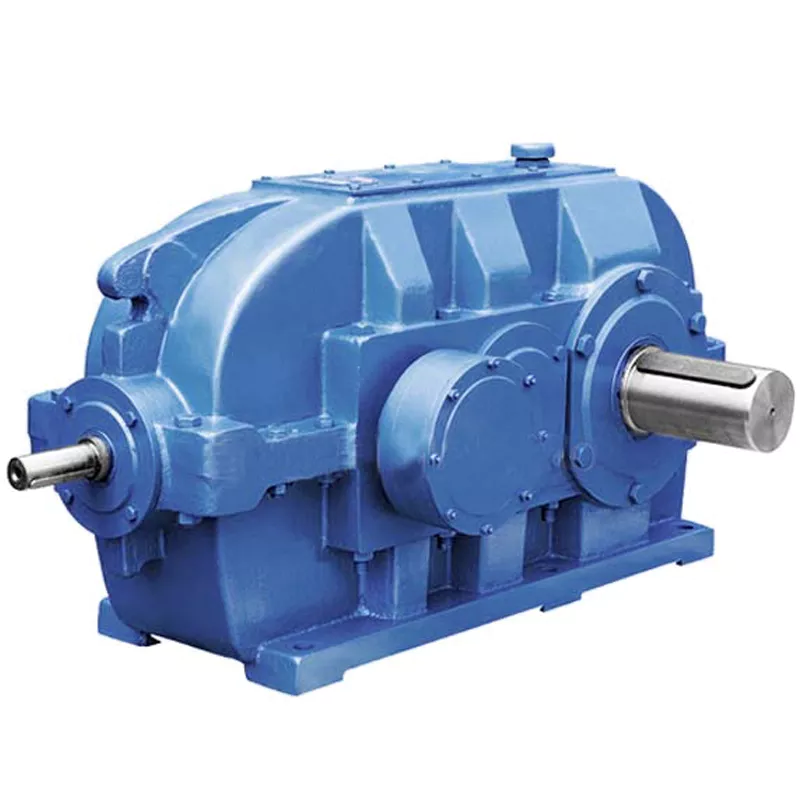
Dişli redüktörleri, farklı dişli oranları ve konfigürasyonları kullanılarak giriş ve çıkış hızlarındaki değişimleri karşılamak üzere tasarlanmıştır. Bunu, torku iletmek ve dönüş hızını kontrol etmek için farklı boyutlarda birbirine geçen dişliler kullanarak gerçekleştirirler.
Temel prensip, farklı diş sayısına sahip iki veya daha fazla dişlinin birbirine bağlanmasıdır. Daha büyük bir dişli (tahrik dişlisi) daha küçük bir dişliyle (tahrik edilen dişli) temas ettiğinde, tahrik edilen dişlinin dönüş hızı azalırken tork artar. Bu hız düşüşü ve tork artışı, dişli redüktörlerinin giriş ve çıkış hızlarındaki değişikliklere verimli bir şekilde uyum sağlamasını sağlar.
Dişli oranı, hız ve torkun ne kadar değişeceğini belirleyen kritik bir faktördür. Tahrik dişlisindeki diş sayısının tahrik dişlisindeki diş sayısına bölünmesiyle hesaplanır. Daha yüksek bir dişli oranı, hızda daha fazla azalma ve buna orantılı olarak torkta bir artışla sonuçlanır.
Yaygın bir tip olan planet dişli redüktörleri, farklı hız düşüşleri ve tork artışları elde etmek için güneş dişlileri, planet dişlileri ve halka dişlileri gibi dişlilerin bir kombinasyonunu kullanır. Bu tasarım, hız ve tork gereksinimlerindeki değişikliklerin üstesinden gelmede çok yönlülük sağlar.
Özetle, dişli redüktörleri, uygulamanın ihtiyaçlarına göre gücü verimli bir şekilde iletmelerini ve hareket özelliklerini kontrol etmelerini sağlayan belirli dişli oranları ve dişli düzenlemeleri kullanarak giriş ve çıkış hızlarındaki değişiklikleri yönetir.


editor by CX 2023-11-15