Ürün Açıklaması
Ürün Açıklaması
Ürün Parametreleri
| Parameters | Birim | Level | Azaltma Oranı | Flange Size Specification | |||||
| 042 | 060 | 090 | 120 | 160 | 200 | ||||
| Rated Output Torque T2n | N.m | 1 | 3 | 14 | 20 | 75 | 120 | 340 | 950 |
| 4 | 12 | 31 | 85 | 215 | 364 | 1050 | |||
| 5 | 14 | 39 | 100 | 230 | 423 | 1140 | |||
| 6 | 12 | 25 | 85 | 230 | 358 | 950 | |||
| 7 | 12 | 25 | 80 | 160 | 358 | 850 | |||
| 8 | 10 | 25 | 85 | 140 | 320 | 780 | |||
| 10 | 9 | 15 | 50 | 110 | 210 | 630 | |||
| 2 | 12 | 14 | 31 | 85 | 215 | 423 | 588 | ||
| 16 | 12 | 31 | 85 | 215 | 364 | 588 | |||
| 20 | 14 | 39 | 100 | 230 | 423 | 1050 | |||
| 25 | 14 | 39 | 100 | 230 | 423 | 1200 | |||
| 28 | 12 | 31 | 85 | 215 | 364 | 1200 | |||
| 30 | 14 | 20 | 75 | 120 | 423 | 1200 | |||
| 35 | 14 | 39 | 100 | 230 | 423 | 1200 | |||
| 40 | 12 | 31 | 85 | 215 | 364 | 1200 | |||
| 50 | 14 | 39 | 100 | 230 | 423 | 1200 | |||
| 70 | 12 | 25 | 80 | 160 | 358 | 1100 | |||
| 80 | 12 | 25 | 80 | 160 | 358 | 780 | |||
| 100 | 9 | 15 | 50 | 110 | 210 | 520 | |||
| 3 | 120 | 14 | 31 | 85 | 215 | 423 | 1200 | ||
| 150 | 14 | 39 | 100 | 230 | 423 | 1200 | |||
| 200 | 14 | 39 | 100 | 230 | 423 | 1200 | |||
| 250 | 14 | 39 | 100 | 230 | 423 | 1200 | |||
| 280 | 12 | 31 | 85 | 215 | 364 | 1200 | |||
| 350 | 14 | 39 | 100 | 230 | 423 | 1200 | |||
| 400 | 12 | 31 | 85 | 215 | 364 | 1200 | |||
| 500 | 14 | 39 | 100 | 230 | 423 | 1200 | |||
| 700 | 12 | 25 | 80 | 160 | 358 | 1100 | |||
| 1000 | 9 | 15 | 50 | 110 | 210 | 520 | |||
| Maximum Output Torque T2b | N.m | 1,2,3 | 3~1000 | 3 Times of Rated Output Torque | |||||
| Rated Input Speed N1n | devir/dakika | 1,2,3 | 3~1000 | 4000 | 4000 | 3000 | 3000 | 3000 | 2500 |
| Maximum Input Speed N1b | devir/dakika | 1,2,3 | 3~1000 | 8000 | 8000 | 6000 | 6000 | 5000 | 4000 |
| Standard Backlash P2 | yay dakikası | 1 | 3~1000 | ≤8 | ≤8 | ≤8 | ≤8 | ≤10 | ≤10 |
| yay dakikası | 2 | 3~1000 | ≤10 | ≤10 | ≤10 | ≤10 | ≤12 | ≤12 | |
| yay dakikası | 3 | 3~1000 | ≤15 | ≤15 | ≤15 | ≤15 | ≤15 | ≤15 | |
| Torsional Rigidity | Nm/arcmin | 1,2,3 | 3~1000 | 0.8 | 3.7 | 14 | 25 | 25 | 50 |
| Allowable Radial Force F2rb2 | N | 1,2,3 | 3~1000 | 300 | 520 | 1550 | 2600 | 6700 | 12400 |
| Allowable Axial Force F2ab2 | N | 1,2,3 | 3~1000 | 150 | 480 | 1500 | 2350 | 3350 | 6200 |
| Moment of Inertia J1 | kg.cm2 | 1 | 3~10 | 0.16 | 0.25 | 1.2 | 4.5 | 22 | 45 |
| 2 | 12~100 | 0.16 | 0.15 | 0.65 | 2 | 18 | 44 | ||
| 3 | 120~1000 | 0.1 | 0.12 | 0.55 | 1.5 | 16 | 22 | ||
| Service Life | hr | 1,2,3 | 3~1000 | 20000 | |||||
| Efficiency η | % | 1 | 3~10 | 97% | |||||
| 2 | 12~100 | 94% | |||||||
| 3 | 120~1000 | 91% | |||||||
| Noise Level | dB | 1,2,3 | 3~1000 | ≤58 | ≤60 | ≤65 | ≤68 | ≤72 | ≤75 |
| Çalışma Sıcaklığı | ºC | 1,2,3 | 3~1000 | -10~+90 | |||||
| Protection Class | IP | 1,2,3 | 3~1000 | IP65 | |||||
| Weights | kg | 1 | 3~10 | 0.7 | 1.1 | 2.7 | 6.4 | 24.4 | 45 |
| 2 | 12~100 | 1.0 | 1.3 | 3.4 | 8.1 | 26 | 53 | ||
| 3 | 120~1000 | 1.9 | 2.6 | 5.5 | 10.8 | 31 | 61 | ||
SSS
Q: How to select a gearbox?
A: Firstly, determine the torque and speed requirements for your application. Consider the load characteristics, operating environment, and duty cycle. Then, choose the appropriate gearbox type, such as planetary, worm, or helical, based on the specific needs of your system. Ensure compatibility with the motor and other mechanical components in your setup. Lastly, consider factors like efficiency, backlash, and size to make an informed selection.
Q: What type of motor can be paired with a gearbox?
A: Gearboxes can be paired with various types of motors, including servo motors, stepper motors, and brushed or brushless DC motors. The choice depends on the specific application requirements, such as speed, torque, and precision. Ensure compatibility between the gearbox and motor specifications for seamless integration.
Q: Does a gearbox require maintenance, and how is it maintained?
A: Gearboxes typically require minimal maintenance. Regularly check for signs of wear, lubricate as per the manufacturer’s recommendations, and replace lubricants at specified intervals. Performing routine inspections can help identify issues early and extend the lifespan of the gearbox.
Q: What is the lifespan of a gearbox?
A: The lifespan of a gearbox depends on factors such as load conditions, operating environment, and maintenance practices. A well-maintained gearbox can last for several years. Regularly monitor its condition and address any issues promptly to ensure a longer operational life.
Q: What is the slowest speed a gearbox can achieve?
A: Gearboxes are capable of achieving very slow speeds, depending on their design and gear ratio. Some gearboxes are specifically designed for low-speed applications, and the choice should align with the specific speed requirements of your system.
Q: What is the maximum reduction ratio of a gearbox?
A: The maximum reduction ratio of a gearbox depends on its design and configuration. Gearboxes can achieve various reduction ratios, and it’s important to choose 1 that meets the torque and speed requirements of your application. Consult the gearbox specifications or contact the manufacturer for detailed information on available reduction ratios.
/* 10 Mart 2571 17:59:20 */!function(){function s(e,r){var a,o={};try{e&&e.split(“,”).forEach(function(e,t){e&&(a=e.match(/(.*?):(.*)$/))&&1
| Başvuru: | Motor, Electric Cars, Machinery, Agricultural Machinery, Gearbox |
|---|---|
| Sertlik: | Sertleştirilmiş Diş Yüzeyi |
| Kurulum: | Dikey Tip |
| Özelleştirme: |
Mevcut
| Özelleştirilmiş İstek |
|---|
.shipping-cost-tm .tm-status-off{background: none;padding:0;color: #1470cc}
| Kargo Ücreti:
Birim başına tahmini yük. |
nakliye maliyeti ve tahmini teslimat süresi hakkında. |
|---|
| Ödeme yöntemi: |
|
|---|---|
|
İlk Ödeme Tam Ödeme |
| Para birimi: | US$ |
|---|
| İade ve geri ödemeler: | Ürünleri teslim aldıktan sonra 30 gün içerisinde iade talebinde bulunabilirsiniz. |
|---|
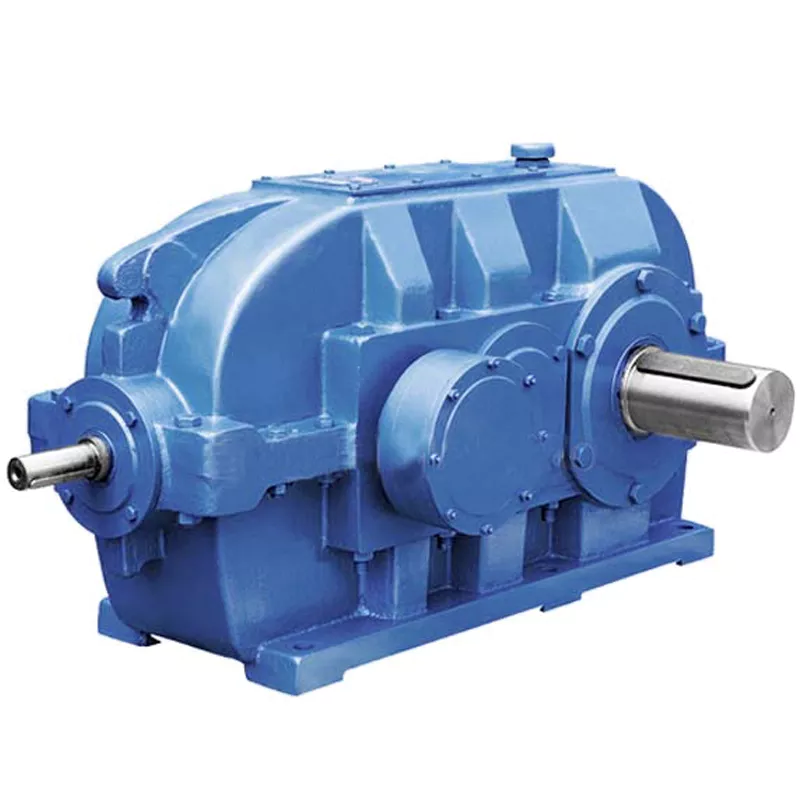
Dişli redüktörler konveyör sistemleri ve robotiklerin verimliliğini nasıl artırır?
Dişli redüktörler, hız, tork ve kontrolü optimize ederek hem konveyör sistemlerinin hem de robotik sistemlerin verimliliğini artırmada önemli bir rol oynar. İşte nasıl katkıda bulundukları:
Konveyör Sistemleri:
Konveyör sistemlerinde dişli redüktörler aşağıdaki şekillerde verimliliği artırır:
- Hız Kontrolü: Dişli redüktörler, konveyör bantlarının dönüş hızı üzerinde hassas kontrol sağlayarak, malzemelerin verimli üretim süreçleri için istenen hızda taşınmasını sağlar.
- Tork Ayarı: Dişli redüktörleri, dişli oranlarını ayarlayarak, değişen yükleri karşılamak için gerekli torku sağlar ve aşırı yüklenmeyi önleyerek enerji israfını en aza indirir.
- Ters İşlem: Dişli redüktörler, konveyör bantlarının çift yönlü düzgün hareket etmesini sağlayarak, ilave bileşenlere ihtiyaç duyulmadan yükleme, boşaltma ve dağıtım gibi görevlerin yapılmasını kolaylaştırır.
- Senkronizasyon: Dişli redüktörler, karmaşık sistemlerde birden fazla konveyör bandının senkronize hareketini sağlayarak malzeme akışını optimize eder ve sıkışmaları veya darboğazları en aza indirir.
Robotik:
Robotikte dişli redüktörleri aşağıdaki yollarla verimliliği artırır:
- Hassas Hareket: Dişli redüktörler, robot eklemlerinin ve kollarının hareketi üzerinde hassas kontrol sağlayarak nesnelerin doğru konumlandırılmasını ve manipüle edilmesini sağlar.
- Azaltılmış Atalet: Dişli redüktörler, robotik bileşenlerin maruz kaldığı ataleti azaltmaya yardımcı olarak enerji tasarrufu sağlarken daha hızlı ve daha duyarlı hareketler yapılmasına olanak tanır.
- Kompakt Tasarım: Dişli redüktörler, robotik sistemlerde çeşitli hareket profillerinin elde edilmesi için kompakt ve hafif bir çözüm sunarak, alan ve kaynakların verimli kullanılmasını sağlar.
- Tork Amplifikasyonu: Dişli redüktörler, motordan gelen torku artırarak robotların daha ağır yükleri kaldırabilmelerini ve daha fazla kuvvet gerektiren görevleri gerçekleştirebilmelerini sağlayarak genel yeteneklerini artırır.
Hassas hız kontrolü, tork ayarı ve güvenilir hareket iletimi sağlayarak dişli redüktörleri, konveyör sistemlerinin ve robotiklerin performansını optimize eder, verimliliği artırır, enerji tüketimini azaltır ve gelişmiş operasyonel yetenekler sunar.
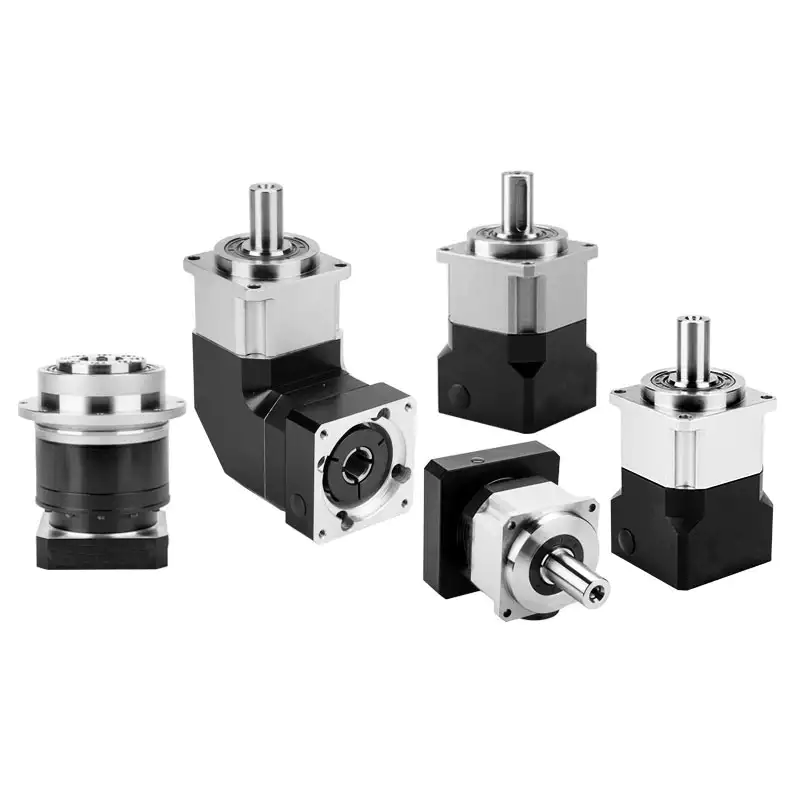
Can gear reducers be used for both speed reduction and speed increase?
Yes, gear reducers can be utilized for both speed reduction and speed increase, depending on their design and arrangement. The functionality to either decrease or increase rotational speed is achieved by altering the arrangement of gears within the gearbox.
1. Speed Reduction: In speed reduction applications, a gear reducer is designed with gears of different sizes. The input shaft connects to a larger gear, while the output shaft is connected to a smaller gear. As the input shaft rotates, the larger gear turns the smaller gear, resulting in a decrease in output speed compared to the input speed. This configuration provides higher torque output at a lower speed, making it suitable for applications that require increased force or torque.
2. Speed Increase: For speed increase, the gear arrangement is reversed. The input shaft connects to a smaller gear, while the output shaft is connected to a larger gear. As the input shaft rotates, the smaller gear drives the larger gear, resulting in an increase in output speed compared to the input speed. However, the torque output is lower than that of speed reduction configurations.
By choosing the appropriate gear ratios and arrangement, gear reducers can be customized to meet specific speed and torque requirements for various industrial applications. It’s important to select the right type of gear reducer and configure it correctly to achieve the desired speed reduction or speed increase.
Redüktörler giriş ve çıkış hızlarındaki değişiklikleri nasıl yönetir?
Dişli redüktörleri, farklı dişli oranları ve konfigürasyonları kullanılarak giriş ve çıkış hızlarındaki değişimleri karşılamak üzere tasarlanmıştır. Bunu, torku iletmek ve dönüş hızını kontrol etmek için farklı boyutlarda birbirine geçen dişliler kullanarak gerçekleştirirler.
Temel prensip, farklı diş sayısına sahip iki veya daha fazla dişlinin birbirine bağlanmasıdır. Daha büyük bir dişli (tahrik dişlisi) daha küçük bir dişliyle (tahrik edilen dişli) temas ettiğinde, tahrik edilen dişlinin dönüş hızı azalırken tork artar. Bu hız düşüşü ve tork artışı, dişli redüktörlerinin giriş ve çıkış hızlarındaki değişikliklere verimli bir şekilde uyum sağlamasını sağlar.
Dişli oranı, hız ve torkun ne kadar değişeceğini belirleyen kritik bir faktördür. Tahrik dişlisindeki diş sayısının tahrik dişlisindeki diş sayısına bölünmesiyle hesaplanır. Daha yüksek bir dişli oranı, hızda daha fazla azalma ve buna orantılı olarak torkta bir artışla sonuçlanır.
Yaygın bir tip olan planet dişli redüktörleri, farklı hız düşüşleri ve tork artışları elde etmek için güneş dişlileri, planet dişlileri ve halka dişlileri gibi dişlilerin bir kombinasyonunu kullanır. Bu tasarım, hız ve tork gereksinimlerindeki değişikliklerin üstesinden gelmede çok yönlülük sağlar.
Özetle, dişli redüktörleri, uygulamanın ihtiyaçlarına göre gücü verimli bir şekilde iletmelerini ve hareket özelliklerini kontrol etmelerini sağlayan belirli dişli oranları ve dişli düzenlemeleri kullanarak giriş ve çıkış hızlarındaki değişiklikleri yönetir.


editor by CX 2024-01-08