Περιγραφή προϊόντος
Περιγραφή προϊόντος
Παράμετροι προϊόντος
| Parameters | Unit | Level | Αναλογία Μείωσης | Flange Size Specification | |||||
| 042 | 060 | 090 | 120 | 160 | 200 | ||||
| Rated Output Torque T2n | N.m | 1 | 3 | 14 | 20 | 75 | 120 | 340 | 950 |
| 4 | 12 | 31 | 85 | 215 | 364 | 1050 | |||
| 5 | 14 | 39 | 100 | 230 | 423 | 1140 | |||
| 6 | 12 | 25 | 85 | 230 | 358 | 950 | |||
| 7 | 12 | 25 | 80 | 160 | 358 | 850 | |||
| 8 | 10 | 25 | 85 | 140 | 320 | 780 | |||
| 10 | 9 | 15 | 50 | 110 | 210 | 630 | |||
| 2 | 12 | 14 | 31 | 85 | 215 | 423 | 588 | ||
| 16 | 12 | 31 | 85 | 215 | 364 | 588 | |||
| 20 | 14 | 39 | 100 | 230 | 423 | 1050 | |||
| 25 | 14 | 39 | 100 | 230 | 423 | 1200 | |||
| 28 | 12 | 31 | 85 | 215 | 364 | 1200 | |||
| 30 | 14 | 20 | 75 | 120 | 423 | 1200 | |||
| 35 | 14 | 39 | 100 | 230 | 423 | 1200 | |||
| 40 | 12 | 31 | 85 | 215 | 364 | 1200 | |||
| 50 | 14 | 39 | 100 | 230 | 423 | 1200 | |||
| 70 | 12 | 25 | 80 | 160 | 358 | 1100 | |||
| 80 | 12 | 25 | 80 | 160 | 358 | 780 | |||
| 100 | 9 | 15 | 50 | 110 | 210 | 520 | |||
| 3 | 120 | 14 | 31 | 85 | 215 | 423 | 1200 | ||
| 150 | 14 | 39 | 100 | 230 | 423 | 1200 | |||
| 200 | 14 | 39 | 100 | 230 | 423 | 1200 | |||
| 250 | 14 | 39 | 100 | 230 | 423 | 1200 | |||
| 280 | 12 | 31 | 85 | 215 | 364 | 1200 | |||
| 350 | 14 | 39 | 100 | 230 | 423 | 1200 | |||
| 400 | 12 | 31 | 85 | 215 | 364 | 1200 | |||
| 500 | 14 | 39 | 100 | 230 | 423 | 1200 | |||
| 700 | 12 | 25 | 80 | 160 | 358 | 1100 | |||
| 1000 | 9 | 15 | 50 | 110 | 210 | 520 | |||
| Maximum Output Torque T2b | N.m | 1,2,3 | 3~1000 | 3 Times of Rated Output Torque | |||||
| Rated Input Speed N1n | rpm | 1,2,3 | 3~1000 | 4000 | 4000 | 3000 | 3000 | 3000 | 2500 |
| Maximum Input Speed N1b | rpm | 1,2,3 | 3~1000 | 8000 | 8000 | 6000 | 6000 | 5000 | 4000 |
| Standard Backlash P2 | arcmin | 1 | 3~1000 | ≤8 | ≤8 | ≤8 | ≤8 | ≤10 | ≤10 |
| arcmin | 2 | 3~1000 | ≤10 | ≤10 | ≤10 | ≤10 | ≤12 | ≤12 | |
| arcmin | 3 | 3~1000 | ≤15 | ≤15 | ≤15 | ≤15 | ≤15 | ≤15 | |
| Torsional Rigidity | Nm/arcmin | 1,2,3 | 3~1000 | 0.8 | 3.7 | 14 | 25 | 25 | 50 |
| Allowable Radial Force F2rb2 | N | 1,2,3 | 3~1000 | 300 | 520 | 1550 | 2600 | 6700 | 12400 |
| Allowable Axial Force F2ab2 | N | 1,2,3 | 3~1000 | 150 | 480 | 1500 | 2350 | 3350 | 6200 |
| Moment of Inertia J1 | kg.cm2 | 1 | 3~10 | 0.16 | 0.25 | 1.2 | 4.5 | 22 | 45 |
| 2 | 12~100 | 0.16 | 0.15 | 0.65 | 2 | 18 | 44 | ||
| 3 | 120~1000 | 0.1 | 0.12 | 0.55 | 1.5 | 16 | 22 | ||
| Service Life | hr | 1,2,3 | 3~1000 | 20000 | |||||
| Efficiency η | % | 1 | 3~10 | 97% | |||||
| 2 | 12~100 | 94% | |||||||
| 3 | 120~1000 | 91% | |||||||
| Noise Level | dB | 1,2,3 | 3~1000 | ≤58 | ≤60 | ≤65 | ≤68 | ≤72 | ≤75 |
| Θερμοκρασία λειτουργίας | ºC | 1,2,3 | 3~1000 | -10~+90 | |||||
| Protection Class | IP | 1,2,3 | 3~1000 | IP65 | |||||
| Weights | kg | 1 | 3~10 | 0.7 | 1.1 | 2.7 | 6.4 | 24.4 | 45 |
| 2 | 12~100 | 1.0 | 1.3 | 3.4 | 8.1 | 26 | 53 | ||
| 3 | 120~1000 | 1.9 | 2.6 | 5.5 | 10.8 | 31 | 61 | ||
Συχνές ερωτήσεις
Q: How to select a gearbox?
A: Firstly, determine the torque and speed requirements for your application. Consider the load characteristics, operating environment, and duty cycle. Then, choose the appropriate gearbox type, such as planetary, worm, or helical, based on the specific needs of your system. Ensure compatibility with the motor and other mechanical components in your setup. Lastly, consider factors like efficiency, backlash, and size to make an informed selection.
Q: What type of motor can be paired with a gearbox?
A: Gearboxes can be paired with various types of motors, including servo motors, stepper motors, and brushed or brushless DC motors. The choice depends on the specific application requirements, such as speed, torque, and precision. Ensure compatibility between the gearbox and motor specifications for seamless integration.
Q: Does a gearbox require maintenance, and how is it maintained?
A: Gearboxes typically require minimal maintenance. Regularly check for signs of wear, lubricate as per the manufacturer’s recommendations, and replace lubricants at specified intervals. Performing routine inspections can help identify issues early and extend the lifespan of the gearbox.
Q: What is the lifespan of a gearbox?
A: The lifespan of a gearbox depends on factors such as load conditions, operating environment, and maintenance practices. A well-maintained gearbox can last for several years. Regularly monitor its condition and address any issues promptly to ensure a longer operational life.
Q: What is the slowest speed a gearbox can achieve?
A: Gearboxes are capable of achieving very slow speeds, depending on their design and gear ratio. Some gearboxes are specifically designed for low-speed applications, and the choice should align with the specific speed requirements of your system.
Q: What is the maximum reduction ratio of a gearbox?
A: The maximum reduction ratio of a gearbox depends on its design and configuration. Gearboxes can achieve various reduction ratios, and it’s important to choose 1 that meets the torque and speed requirements of your application. Consult the gearbox specifications or contact the manufacturer for detailed information on available reduction ratios.
/* March 10, 2571 17:59:20 */!function(){function s(e,r){var a,o={};try{e&&e.split(“,”).forEach(function(e,t){e&&(a=e.match(/(.*?):(.*)$/))&&1
| Εφαρμογή: | Motor, Electric Cars, Machinery, Agricultural Machinery, Gearbox |
|---|---|
| Σκληρότητα: | Σκληρυμένη επιφάνεια δοντιού |
| Εγκατάσταση: | Κάθετος τύπος |
| Προσαρμογή: |
Διαθέσιμος
| Προσαρμοσμένο Αίτημα |
|---|
.shipping-cost-tm .tm-status-off{background: none;padding:0;color: #1470cc}
|
Κόστος αποστολής:
Εκτιμώμενο φορτίο ανά μονάδα. |
about shipping cost and estimated delivery time. |
|---|
| Payment Method: |
|
|---|---|
|
Initial Payment Full Payment |
| Currency: | US$ |
|---|
| Return&refunds: | You can apply for a refund up to 30 days after receipt of the products. |
|---|
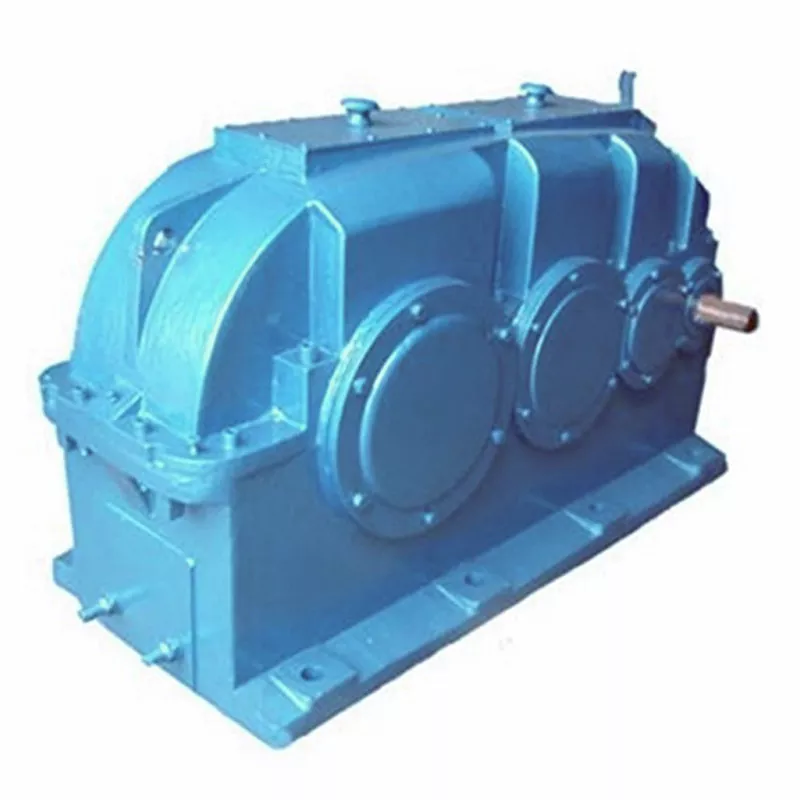
Can gear reducers be customized for specific industrial needs and requirements?
Yes, gear reducers can be customized to meet specific industrial needs and requirements. Manufacturers offer customization options to ensure that gear reducers are tailored to the unique demands of various applications:
1. Gear Ratio Selection: Gear reducers can be designed with specific gear ratios to achieve the desired speed reduction or increase, catering to the specific requirements of the machinery or equipment.
2. Shaft Configurations: Gear reducers can be configured with different shaft sizes, lengths, and orientations to fit seamlessly into existing systems or accommodate specific mounting arrangements.
3. Torque Capacity: Customized gear reducers can be designed to handle higher or lower torque loads based on the application’s operational requirements.
4. Environmental Considerations: Gear reducers can be customized with special coatings, materials, or seals to withstand harsh environments, extreme temperatures, or corrosive conditions.
5. Noise and Vibration Reduction: Custom designs can incorporate features to reduce noise and dampen vibrations, enhancing the overall operation and user experience.
6. Mounting and Connection Options: Manufacturers can adapt gear reducer designs to include specific mounting interfaces or connection methods that align with the equipment’s design.
7. Lubrication and Maintenance: Customized gear reducers can include features for easy maintenance, such as accessible lubrication points or monitoring systems.
8. Integration with Controls: Gear reducers can be customized to integrate seamlessly with control systems, sensors, or automation processes, enhancing system efficiency and performance.
By collaborating with manufacturers and providing detailed specifications, industries can obtain tailor-made gear reducers that address their specific operational needs and contribute to the success of their applications.
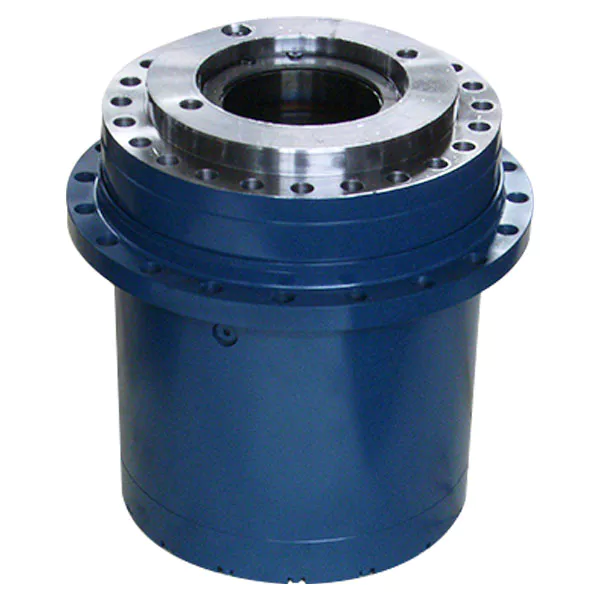
Πώς εξασφαλίζουν οι μειωτήρες ταχυτήτων αποτελεσματική μετάδοση ισχύος και έλεγχο κίνησης;
Οι μειωτήρες γραναζιών διαδραματίζουν ζωτικό ρόλο στη διασφάλιση της αποτελεσματικής μετάδοσης ισχύος και του ακριβούς ελέγχου κίνησης σε διάφορες βιομηχανικές εφαρμογές. Αυτό επιτυγχάνεται μέσω των ακόλουθων μηχανισμών:
- 1. Μείωση/Αύξηση Ταχύτητας: Οι μειωτήρες ταχυτήτων σάς επιτρέπουν να ρυθμίζετε την ταχύτητα μεταξύ των αξόνων εισόδου και εξόδου. Η μείωση της ταχύτητας είναι απαραίτητη όταν η ταχύτητα εξόδου πρέπει να είναι χαμηλότερη από την ταχύτητα εισόδου, ενώ η αύξηση της ταχύτητας χρησιμοποιείται όταν απαιτείται το αντίθετο.
- 2. Ενίσχυση ροπής: Αλλάζοντας τη σχέση μετάδοσης, οι μειωτήρες ταχυτήτων μπορούν να ενισχύσουν τη ροπή από τον άξονα εισόδου στον άξονα εξόδου. Αυτό επιτρέπει στα μηχανήματα να χειρίζονται υψηλότερα φορτία και να παρέχουν την απαραίτητη δύναμη για διάφορες εργασίες.
- 3. Απόδοση συστήματος μετάδοσης κίνησης: Τα καλά σχεδιασμένα συστήματα γραναζιών εντός των μειωτήρων ελαχιστοποιούν τις απώλειες ισχύος κατά τη μετάδοση. Τα ελικοειδή και τα κωνικά γρανάζια, για παράδειγμα, προσφέρουν υψηλή απόδοση κατανέμοντας το φορτίο και μειώνοντας την τριβή.
- 4. Έλεγχος κίνησης ακριβείας: Οι μειωτήρες γραναζιών παρέχουν ακριβή έλεγχο της περιστροφικής κίνησης. Αυτό είναι κρίσιμο σε εφαρμογές όπου απαιτείται ακριβής τοποθέτηση, συγχρονισμός ή χρονισμός, όπως στη ρομποτική, στις μηχανές CNC και στα συστήματα μεταφοράς.
- 5. Μείωση της οπισθοδρόμησης: Ορισμένοι μειωτήρες ταχυτήτων έχουν σχεδιαστεί για να ελαχιστοποιούν την αντίστροφη κίνηση, η οποία είναι το διάκενο μεταξύ των δοντιών του γραναζιού. Αυτή η μείωση του διακένου εξασφαλίζει ομαλότερη λειτουργία, βελτιωμένη ακρίβεια και καλύτερο έλεγχο.
- 6. Κατανομή φορτίου: Οι μειωτήρες γραναζιών κατανέμουν το φορτίο ομοιόμορφα μεταξύ πολλαπλών δοντιών γραναζιών, μειώνοντας τη φθορά και παρατείνοντας τη διάρκεια ζωής των εξαρτημάτων.
- 7. Απορρόφηση κραδασμών: Σε εφαρμογές όπου συμβαίνουν απότομες εκκινήσεις, σταματήματα ή αλλαγές κατεύθυνσης, οι μειωτήρες ταχυτήτων βοηθούν στην απορρόφηση και την απόσβεση των κραδασμών, προστατεύοντας το μηχάνημα και εξασφαλίζοντας αξιόπιστη λειτουργία.
- 8. Συμπαγής σχεδιασμός: Οι μειωτήρες γραναζιών παρέχουν μια συμπαγή λύση για την επίτευξη συγκεκριμένων απαιτήσεων ταχύτητας και ροπής, επιτρέποντας την ενσωμάτωση σε μηχανήματα που εξοικονομεί χώρο.
Συνδυάζοντας αυτές τις αρχές, οι μειωτήρες ταχυτήτων διευκολύνουν την αποτελεσματική και ελεγχόμενη μεταφορά ισχύος, επιτρέποντας στα μηχανήματα να εκτελούν εργασίες με ακρίβεια, αξιοπιστία και με την απαιτούμενη δύναμη, καθιστώντας τα απαραίτητα εξαρτήματα σε ένα ευρύ φάσμα βιομηχανιών.
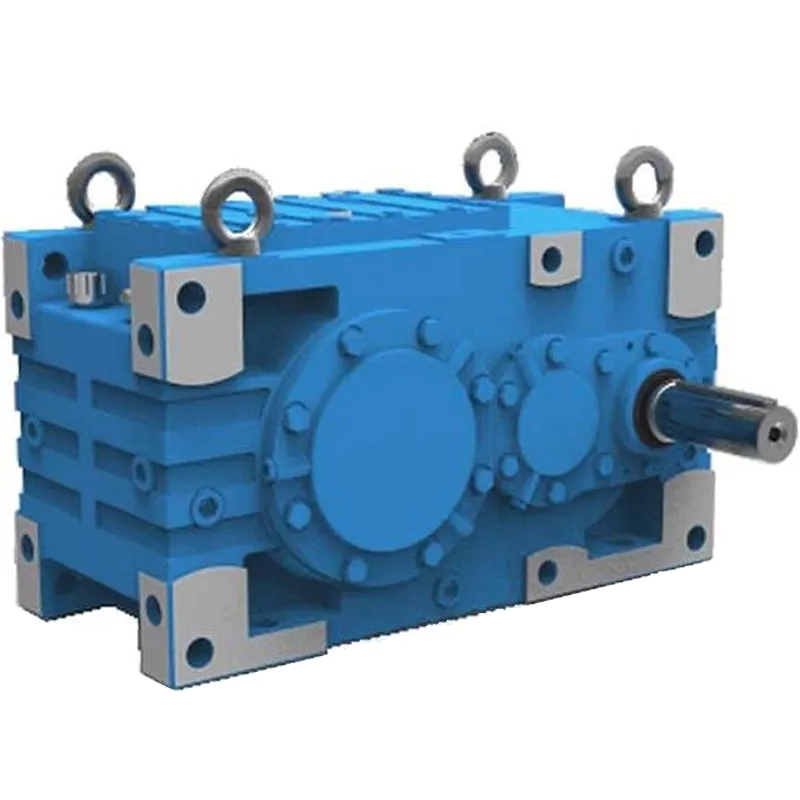
Can you explain the different types of gear reducers available in the market?
There are several types of gear reducers commonly used in industrial applications:
1. Spur Gear Reducers: These reducers have straight teeth and are cost-effective for applications requiring moderate torque and speed reduction. They are efficient but may produce more noise compared to other types.
2. Helical Gear Reducers: Helical gears have angled teeth, which provide smoother and quieter operation compared to spur gears. They offer higher torque capacities and are suitable for heavy-duty applications.
3. Bevel Gear Reducers: Bevel gears have conical shapes and intersect at an angle, allowing them to transmit power between non-parallel shafts. They are commonly used in applications where shafts intersect at 90 degrees.
4. Worm Gear Reducers: Worm gears consist of a worm (screw) and a mating gear (worm wheel). They offer high torque reduction and are used for applications requiring high ratios, although they can be less efficient.
5. Planetary Gear Reducers: These reducers use a system of planetary gears to achieve high torque output in a compact design. They provide excellent torque multiplication and are commonly used in robotics and automation.
6. Cycloidal Gear Reducers: Cycloidal drives use an eccentric cam to achieve speed reduction. They offer high shock load resistance and are suitable for applications with frequent starting and stopping.
7. Harmonic Drive Reducers: Harmonic drives use a flexible spline to achieve high gear reduction ratios. They provide high precision and are commonly used in applications requiring accurate positioning.
8. Hypoid Gear Reducers: Hypoid gears have helical teeth and non-intersecting shafts, making them suitable for applications with space limitations. They offer high torque and efficiency.
Each type of gear reducer has its own advantages and limitations, and the choice depends on factors such as torque requirements, speed ratios, noise levels, space constraints, and application-specific needs.


editor by CX 2024-01-10