คำอธิบายผลิตภัณฑ์
คำอธิบายผลิตภัณฑ์
พารามิเตอร์ผลิตภัณฑ์
| Parameters | Unit | Level | Reduction Ratio | Flange Size Specification | |||||
| 042 | 060 | 090 | 120 | 160 | 200 | ||||
| Rated Output Torque T2n | N.m | 1 | 3 | 14 | 20 | 75 | 120 | 340 | 950 |
| 4 | 12 | 31 | 85 | 215 | 364 | 1050 | |||
| 5 | 14 | 39 | 100 | 230 | 423 | 1140 | |||
| 6 | 12 | 25 | 85 | 230 | 358 | 950 | |||
| 7 | 12 | 25 | 80 | 160 | 358 | 850 | |||
| 8 | 10 | 25 | 85 | 140 | 320 | 780 | |||
| 10 | 9 | 15 | 50 | 110 | 210 | 630 | |||
| 2 | 12 | 14 | 31 | 85 | 215 | 423 | 588 | ||
| 16 | 12 | 31 | 85 | 215 | 364 | 588 | |||
| 20 | 14 | 39 | 100 | 230 | 423 | 1050 | |||
| 25 | 14 | 39 | 100 | 230 | 423 | 1200 | |||
| 28 | 12 | 31 | 85 | 215 | 364 | 1200 | |||
| 30 | 14 | 20 | 75 | 120 | 423 | 1200 | |||
| 35 | 14 | 39 | 100 | 230 | 423 | 1200 | |||
| 40 | 12 | 31 | 85 | 215 | 364 | 1200 | |||
| 50 | 14 | 39 | 100 | 230 | 423 | 1200 | |||
| 70 | 12 | 25 | 80 | 160 | 358 | 1100 | |||
| 80 | 12 | 25 | 80 | 160 | 358 | 780 | |||
| 100 | 9 | 15 | 50 | 110 | 210 | 520 | |||
| 3 | 120 | 14 | 31 | 85 | 215 | 423 | 1200 | ||
| 150 | 14 | 39 | 100 | 230 | 423 | 1200 | |||
| 200 | 14 | 39 | 100 | 230 | 423 | 1200 | |||
| 250 | 14 | 39 | 100 | 230 | 423 | 1200 | |||
| 280 | 12 | 31 | 85 | 215 | 364 | 1200 | |||
| 350 | 14 | 39 | 100 | 230 | 423 | 1200 | |||
| 400 | 12 | 31 | 85 | 215 | 364 | 1200 | |||
| 500 | 14 | 39 | 100 | 230 | 423 | 1200 | |||
| 700 | 12 | 25 | 80 | 160 | 358 | 1100 | |||
| 1000 | 9 | 15 | 50 | 110 | 210 | 520 | |||
| Maximum Output Torque T2b | N.m | 1,2,3 | 3~1000 | 3 Times of Rated Output Torque | |||||
| Rated Input Speed N1n | รอบต่อนาที | 1,2,3 | 3~1000 | 4000 | 4000 | 3000 | 3000 | 3000 | 2500 |
| Maximum Input Speed N1b | รอบต่อนาที | 1,2,3 | 3~1000 | 8000 | 8000 | 6000 | 6000 | 5000 | 4000 |
| Standard Backlash P2 | อาร์กมิน | 1 | 3~1000 | ≤8 | ≤8 | ≤8 | ≤8 | ≤10 | ≤10 |
| อาร์กมิน | 2 | 3~1000 | ≤10 | ≤10 | ≤10 | ≤10 | ≤12 | ≤12 | |
| อาร์กมิน | 3 | 3~1000 | ≤15 | ≤15 | ≤15 | ≤15 | ≤15 | ≤15 | |
| Torsional Rigidity | Nm/arcmin | 1,2,3 | 3~1000 | 0.8 | 3.7 | 14 | 25 | 25 | 50 |
| Allowable Radial Force F2rb2 | เอ็น | 1,2,3 | 3~1000 | 300 | 520 | 1550 | 2600 | 6700 | 12400 |
| Allowable Axial Force F2ab2 | เอ็น | 1,2,3 | 3~1000 | 150 | 480 | 1500 | 2350 | 3350 | 6200 |
| Moment of Inertia J1 | kg.cm2 | 1 | 3~10 | 0.16 | 0.25 | 1.2 | 4.5 | 22 | 45 |
| 2 | 12~100 | 0.16 | 0.15 | 0.65 | 2 | 18 | 44 | ||
| 3 | 120~1000 | 0.1 | 0.12 | 0.55 | 1.5 | 16 | 22 | ||
| Service Life | ชั่วโมง | 1,2,3 | 3~1000 | 20000 | |||||
| Efficiency η | % | 1 | 3~10 | 97% | |||||
| 2 | 12~100 | 94% | |||||||
| 3 | 120~1000 | 91% | |||||||
| Noise Level | dB | 1,2,3 | 3~1000 | ≤58 | ≤60 | ≤65 | ≤68 | ≤72 | ≤75 |
| Operating Temperature | ºC | 1,2,3 | 3~1000 | -10~+90 | |||||
| Protection Class | IP | 1,2,3 | 3~1000 | IP65 | |||||
| Weights | kg | 1 | 3~10 | 0.7 | 1.1 | 2.7 | 6.4 | 24.4 | 45 |
| 2 | 12~100 | 1.0 | 1.3 | 3.4 | 8.1 | 26 | 53 | ||
| 3 | 120~1000 | 1.9 | 2.6 | 5.5 | 10.8 | 31 | 61 | ||
คำถามที่พบบ่อย
Q: How to select a gearbox?
A: Firstly, determine the torque and speed requirements for your application. Consider the load characteristics, operating environment, and duty cycle. Then, choose the appropriate gearbox type, such as planetary, worm, or helical, based on the specific needs of your system. Ensure compatibility with the motor and other mechanical components in your setup. Lastly, consider factors like efficiency, backlash, and size to make an informed selection.
Q: What type of motor can be paired with a gearbox?
A: Gearboxes can be paired with various types of motors, including servo motors, stepper motors, and brushed or brushless DC motors. The choice depends on the specific application requirements, such as speed, torque, and precision. Ensure compatibility between the gearbox and motor specifications for seamless integration.
Q: Does a gearbox require maintenance, and how is it maintained?
A: Gearboxes typically require minimal maintenance. Regularly check for signs of wear, lubricate as per the manufacturer’s recommendations, and replace lubricants at specified intervals. Performing routine inspections can help identify issues early and extend the lifespan of the gearbox.
Q: What is the lifespan of a gearbox?
A: The lifespan of a gearbox depends on factors such as load conditions, operating environment, and maintenance practices. A well-maintained gearbox can last for several years. Regularly monitor its condition and address any issues promptly to ensure a longer operational life.
Q: What is the slowest speed a gearbox can achieve?
A: Gearboxes are capable of achieving very slow speeds, depending on their design and gear ratio. Some gearboxes are specifically designed for low-speed applications, and the choice should align with the specific speed requirements of your system.
Q: What is the maximum reduction ratio of a gearbox?
A: The maximum reduction ratio of a gearbox depends on its design and configuration. Gearboxes can achieve various reduction ratios, and it’s important to choose 1 that meets the torque and speed requirements of your application. Consult the gearbox specifications or contact the manufacturer for detailed information on available reduction ratios.
/* 10 มีนาคม 2571 17:59:20 */!function(){function s(e,r){var a,o={};try{e&&e.split(“,”).forEach(function(e,t){e&&(a=e.match(/(.*?):(.*)$/))&&1
| แอปพลิเคชัน: | Motor, Electric Cars, Machinery, Agricultural Machinery, Gearbox |
|---|---|
| ความแข็ง: | พื้นผิวฟันที่แข็ง |
| การติดตั้ง: | ประเภทแนวตั้ง |
| การปรับแต่ง: |
มีอยู่
| คำขอที่กำหนดเอง |
|---|
.shipping-cost-tm .tm-status-off{background: none;padding:0;color: #1470cc}
|
Shipping Cost:
Estimated freight per unit. |
about shipping cost and estimated delivery time. |
|---|
| Payment Method: |
|
|---|---|
|
Initial Payment Full Payment |
| Currency: | US$ |
|---|
| Return&refunds: | You can apply for a refund up to 30 days after receipt of the products. |
|---|
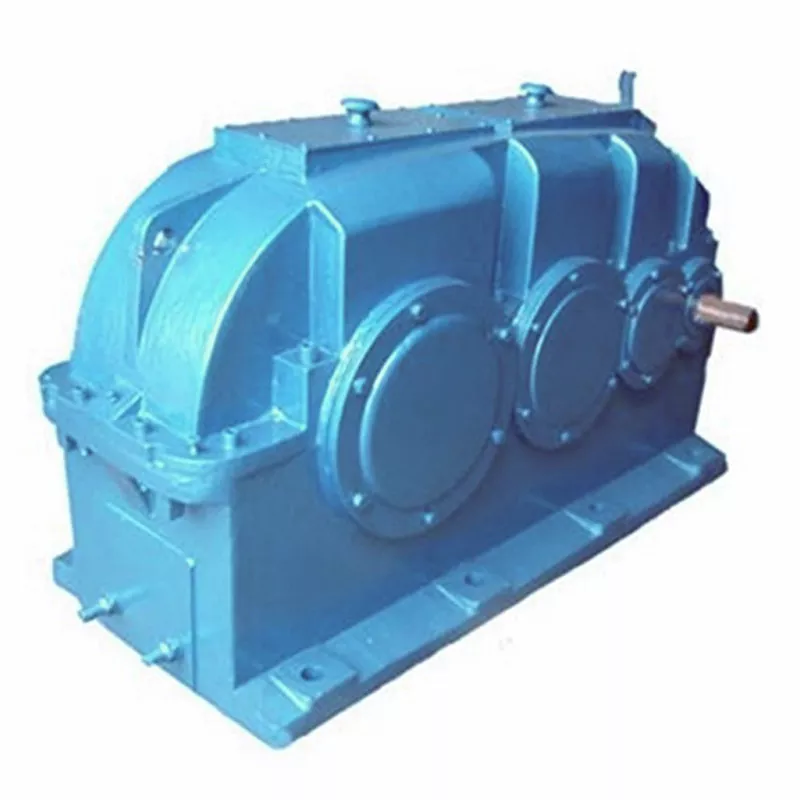
Can gear reducers be customized for specific industrial needs and requirements?
Yes, gear reducers can be customized to meet specific industrial needs and requirements. Manufacturers offer customization options to ensure that gear reducers are tailored to the unique demands of various applications:
1. Gear Ratio Selection: Gear reducers can be designed with specific gear ratios to achieve the desired speed reduction or increase, catering to the specific requirements of the machinery or equipment.
2. Shaft Configurations: Gear reducers can be configured with different shaft sizes, lengths, and orientations to fit seamlessly into existing systems or accommodate specific mounting arrangements.
3. Torque Capacity: Customized gear reducers can be designed to handle higher or lower torque loads based on the application’s operational requirements.
4. Environmental Considerations: Gear reducers can be customized with special coatings, materials, or seals to withstand harsh environments, extreme temperatures, or corrosive conditions.
5. Noise and Vibration Reduction: Custom designs can incorporate features to reduce noise and dampen vibrations, enhancing the overall operation and user experience.
6. Mounting and Connection Options: Manufacturers can adapt gear reducer designs to include specific mounting interfaces or connection methods that align with the equipment’s design.
7. Lubrication and Maintenance: Customized gear reducers can include features for easy maintenance, such as accessible lubrication points or monitoring systems.
8. Integration with Controls: Gear reducers can be customized to integrate seamlessly with control systems, sensors, or automation processes, enhancing system efficiency and performance.
By collaborating with manufacturers and providing detailed specifications, industries can obtain tailor-made gear reducers that address their specific operational needs and contribute to the success of their applications.
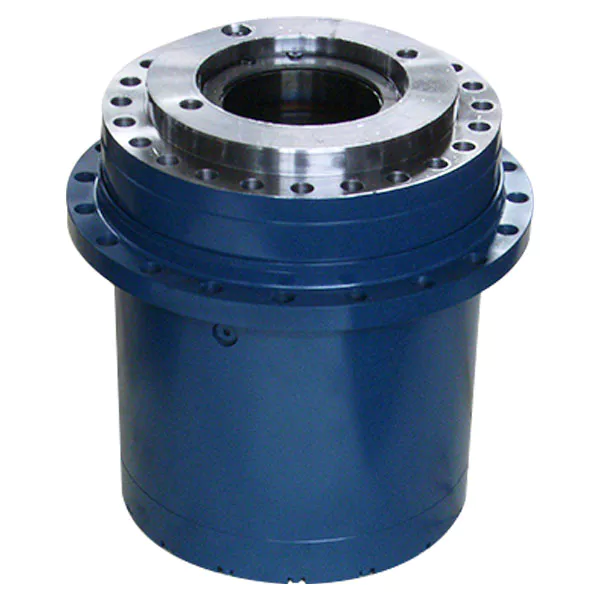
ตัวลดเกียร์ช่วยให้การส่งกำลังและการควบคุมการเคลื่อนที่มีประสิทธิภาพได้อย่างไร
เกียร์ทดรอบมีบทบาทสำคัญในการรับประกันการส่งกำลังที่มีประสิทธิภาพและการควบคุมการเคลื่อนที่ที่แม่นยำในการใช้งานอุตสาหกรรมต่างๆ กลไกเหล่านี้ช่วยให้บรรลุผลสำเร็จได้ดังนี้:
- 1. การลด/เพิ่มความเร็ว: ตัวลดเกียร์ช่วยให้คุณปรับความเร็วระหว่างเพลาขาเข้าและขาออกได้ การลดความเร็วเป็นสิ่งสำคัญเมื่อความเร็วขาออกจำเป็นต้องต่ำกว่าความเร็วขาเข้า ในขณะที่การเพิ่มความเร็วจะใช้เมื่อต้องการความเร็วตรงกันข้าม
- 2. การขยายแรงบิด: การเปลี่ยนอัตราทดเกียร์ทำให้ชุดลดเกียร์สามารถเพิ่มแรงบิดจากเพลาขาเข้าไปยังเพลาขาออกได้ ซึ่งช่วยให้เครื่องจักรสามารถรับภาระที่สูงขึ้นและให้แรงที่จำเป็นสำหรับงานต่างๆ ได้
- 3. ประสิทธิภาพของชุดเกียร์: ชุดเกียร์ที่ออกแบบมาอย่างดีภายในตัวลดเกียร์จะช่วยลดการสูญเสียพลังงานระหว่างการส่งกำลัง ยกตัวอย่างเช่น เฟืองเกลียวและเฟืองตรง มีประสิทธิภาพสูงในการกระจายภาระและลดแรงเสียดทาน
- 4. การควบคุมการเคลื่อนไหวที่แม่นยำ: เกียร์ทดรอบช่วยให้ควบคุมการเคลื่อนที่แบบหมุนได้อย่างแม่นยำ ซึ่งเป็นสิ่งสำคัญอย่างยิ่งในการใช้งานที่ต้องการความแม่นยำในการกำหนดตำแหน่ง การซิงโครไนซ์ หรือการกำหนดจังหวะ เช่น หุ่นยนต์ เครื่อง CNC และระบบสายพานลำเลียง
- 5. การลดแรงสะท้อนกลับ: ตัวลดเกียร์บางรุ่นออกแบบมาเพื่อลดระยะฟันเฟือง (backlash) ซึ่งเป็นระยะระหว่างฟันเฟือง การลดระยะฟันเฟืองนี้ช่วยให้การทำงานราบรื่นขึ้น แม่นยำขึ้น และควบคุมได้ดีขึ้น
- 6. การกระจายโหลด: ตัวลดเกียร์จะกระจายโหลดอย่างเท่าเทียมกันระหว่างฟันเฟืองหลายซี่ ช่วยลดการสึกหรอและยืดอายุการใช้งานของชิ้นส่วน
- 7. การดูดซับแรงกระแทก: ในการใช้งานที่ต้องเริ่ม หยุด หรือเปลี่ยนทิศทางกะทันหัน ตัวลดเกียร์จะช่วยดูดซับและลดแรงกระแทก ช่วยปกป้องเครื่องจักรและรับประกันการทำงานที่เชื่อถือได้
- 8. การออกแบบที่กะทัดรัด: ตัวลดเกียร์เป็นโซลูชันแบบกะทัดรัดสำหรับการบรรลุข้อกำหนดความเร็วและแรงบิดที่เฉพาะเจาะจง ช่วยให้สามารถรวมเข้ากับเครื่องจักรได้ประหยัดพื้นที่
การผสมผสานหลักการเหล่านี้ทำให้เครื่องลดเกียร์สามารถถ่ายโอนพลังงานได้อย่างมีประสิทธิภาพและควบคุมได้ ทำให้เครื่องจักรทำงานได้อย่างแม่นยำ เชื่อถือได้ และมีแรงตามที่ต้องการ ซึ่งทำให้เครื่องจักรกลายเป็นส่วนประกอบที่จำเป็นในอุตสาหกรรมที่หลากหลาย
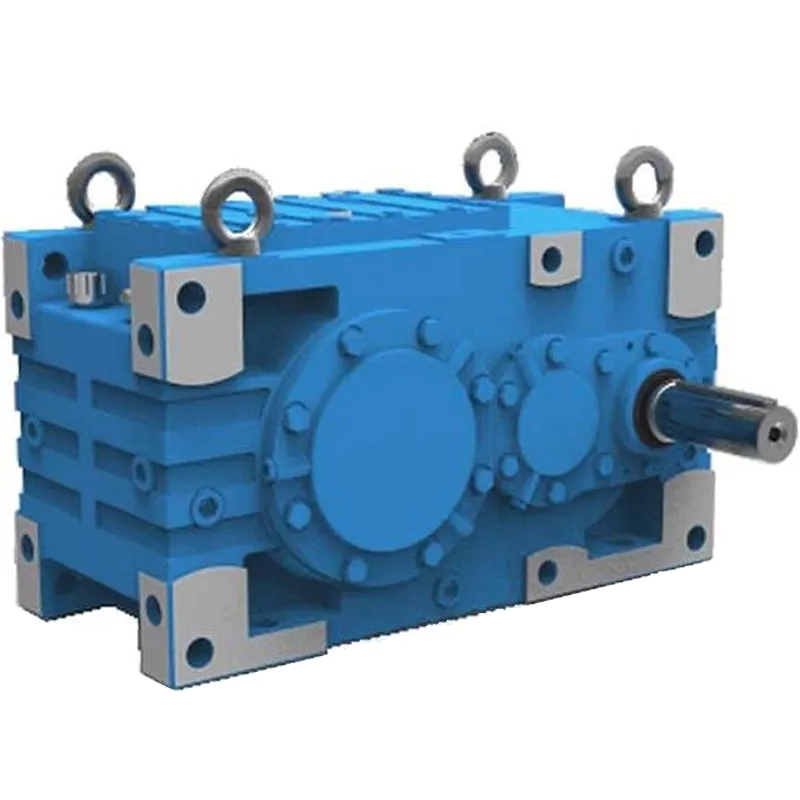
Can you explain the different types of gear reducers available in the market?
There are several types of gear reducers commonly used in industrial applications:
1. Spur Gear Reducers: These reducers have straight teeth and are cost-effective for applications requiring moderate torque and speed reduction. They are efficient but may produce more noise compared to other types.
2. Helical Gear Reducers: Helical gears have angled teeth, which provide smoother and quieter operation compared to spur gears. They offer higher torque capacities and are suitable for heavy-duty applications.
3. Bevel Gear Reducers: Bevel gears have conical shapes and intersect at an angle, allowing them to transmit power between non-parallel shafts. They are commonly used in applications where shafts intersect at 90 degrees.
4. Worm Gear Reducers: Worm gears consist of a worm (screw) and a mating gear (worm wheel). They offer high torque reduction and are used for applications requiring high ratios, although they can be less efficient.
5. Planetary Gear Reducers: These reducers use a system of planetary gears to achieve high torque output in a compact design. They provide excellent torque multiplication and are commonly used in robotics and automation.
6. Cycloidal Gear Reducers: Cycloidal drives use an eccentric cam to achieve speed reduction. They offer high shock load resistance and are suitable for applications with frequent starting and stopping.
7. Harmonic Drive Reducers: Harmonic drives use a flexible spline to achieve high gear reduction ratios. They provide high precision and are commonly used in applications requiring accurate positioning.
8. Hypoid Gear Reducers: Hypoid gears have helical teeth and non-intersecting shafts, making them suitable for applications with space limitations. They offer high torque and efficiency.
Each type of gear reducer has its own advantages and limitations, and the choice depends on factors such as torque requirements, speed ratios, noise levels, space constraints, and application-specific needs.


editor by CX 2024-01-10